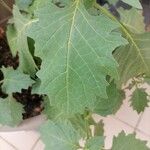
Solanum nigrescens
Divine Nightshade · Green-spot nightshade
Description
Source: leafsnapSolanum nigrescens, commonly known as black nightshade, is a species of flowering plant in the Solanaceae family. Native to South America, it has since spread to other parts of the world. This small shrub or herb can grow up to 1 meter in height. Its leaves are ovate or elliptical, displaying a dark green color with slightly serrated edges. The plant produces small, white flowers with yellow centers, which bloom from summer through fall. Its fruit is a berry that starts green and turns black when ripe, giving the plant its common name "black nightshade." While the berries may be edible when fully ripe, they can be toxic if consumed unripe. For centuries, indigenous people have used Solanum nigrescens for its medicinal properties, particularly its anti-inflammatory effects and its ability to treat skin conditions like eczema and psoriasis. However, caution is advised when using this plant medicinally due to its potential toxicity. Overall, Solanum nigrescens is a fascinating plant with medicinal benefits and potential dangers if not consumed properly.
Care Guide
💧 Water Every 7 days
☀️ Light Full sun
The divine nightshade plant hails from open, sunny habitats where it flourishes in abundant sunlight. Although it can withstand partial sun, it tends to prefer full sun for maximum growth. Recognized for its affinity for sunlight, this plant, which is an annual and biennial, shows optimal development in full sun conditions.
What are the sunlight requirements for Divine Nightshade (Solanum nigrescens)?
Divine Nightshade, also known by its botanic name Solanum nigrescens, thrives in various sunlight conditions. For optimal growth, it requires full sun, which means the plant should receive above 6 hours of sunlight daily. However, it can also grow well in partial sun, needing about 3-6 hours of sunlight. When planning where to place your Divine Nightshade in the garden, it's important to observe the movement of sunlight throughout the day. Choosing spots that offer a perfect balance between light and shade will ensure the plant's happiness and health.
🌡️ Temperature 15–37.8°C
The divine nightshade is native to tropical areas, where the atmosphere is generally hot and humid. Consequently, it is uniquely suited to thrive in high heat and moisture. It does not favor abrupt shifts in temperature and prefers consistency in its environment, so care should be taken to prevent temperature swings indoors. It typically doesn't endure cold weather and needs high temperatures to grow. If the ambient temperature becomes too cold, it may halt in growth or even perish.
💨 Humidity
🪴 Soil 6-7
🌱 Fertilizer
Frequent and mild applications of fertilizer can encourage the healthy growth of leaves in Divine nightshade. Approximately once a month in the summertime, Divine nightshade should be fertilized. For robust foliage, nitrogen is essential, and the plant’s growth can be boosted by supplementing with resources rich in nitrogen.
🪴 Pot & Repot
✂️ Pruning
Divine nightshade is a resilient perennial plant known for its glossy leaves and small berries. To maintain its health and encourage blooming, it's important to prune the plant in early spring. Start by removing any dead branches and thinning out crowded areas to improve air circulation. Regular pruning helps the plant stay vigorous and bloom more profusely. Be sure to use clean, sharp tools to ensure effective healing after pruning.
🌿 Propagating
🐛 Diseases & pets
☠️ Toxicity
Characteristics
- Plant Type
- Herb
- Life Cycle
- Annual, Perennial
- Genus
- Solanum
- Family
- Solanaceae
- Hardiness Zone
- 8-11
- Mature Height
- 30 cm to 91 cm
- Mature Spread
- 30 cm to 61 cm
- Leaf Color
- Dark Green
- Leaf Type
- Deciduous
- Flower Color
- White
- Flower Size
- 1.02 cm to 1.52 cm
- Bloom Time
- All year round
- Planting Time
- Spring, Summer, Autumn
- Harvest Time
- All year round
- Native Area
- Colombia, Honduras, Mexico, Guatemala, Bolivia, Peru, Nicaragua, Ecuador, Costa Rica, Panama