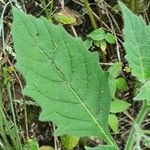
Solanum villosum
Red nightshade · Woolly nightshade · Red-fruit nightshade · Hairy nightshade · Red-berried nightshade
Description
Source: leafsnapSolanum villosum, commonly known as the hairy nightshade, is a perennial plant species from the Solanaceae family. Native to tropical and subtropical regions of Africa and Asia, it has also been introduced to other parts of the world. The plant can grow up to 1 meter tall and features hairy stems and ovate leaves, both covered in fine hairs. The flowers of Solanum villosum are small and either white or pale purple in color, with yellow centers. They bloom from summer to fall and are followed by small green berries that turn yellow when ripe. These berries contain numerous seeds that can be dispersed by birds or other animals. In traditional medicine, Solanum villosum is used to treat various ailments such as fever, coughs, asthma, skin diseases, and rheumatism. However, caution is advised as some parts of the plant contain toxic alkaloids. The plant also has culinary applications. Its leaves can be cooked like spinach or added raw to salads, while its fruits can be used for making jams or pickles. In summary, Solanum villosum is an intriguing species with both medicinal and culinary uses, but it should only be consumed under proper guidance due to its potential toxicity.
Care Guide
💧 Water Every 7 days
Hairy nightshade thrives in moderate climates and prefers soil that is evenly moist, though it can tolerate some drought. To promote optimal growth, it should be watered weekly. As an herbaceous plant, it requires careful management of soil moisture during the growing season to maximize its flowering potential.
How should I water my Hairy nightshade plant?
To water Hairy nightshade, you have several options. You can use a garden hose with a spray nozzle, a watering can, or any other common watering tool. Hairy nightshade is not too particular about its water source and can survive on rainwater, tap water, or filtered water. It's best to avoid watering this plant from above to prevent leaf and flower damage and potential disease. A drip irrigation system is often the most effective way to water Hairy nightshade, as it evenly and directly applies water to the soil. If you have a Hairy nightshade in a container, you can use a cup, watering can, or tap to water it directly at the soil level.
What should I do if I give too much or too little water to my Hairy nightshade plant?
If you notice that your Hairy nightshade plant is dry, simply water it regularly. Be careful not to overwater, as this can lead to diseases and damage the plant. To prevent overwatering, choose a sunny location with good drainage. If your potted Hairy nightshade is overwatered, consider repotting it with loose soil and a pot that drains well.
How frequently should I give water to my Hairy nightshade plant?
Hairy nightshade requires regular watering during the growing season. In the spring, water the plant once a week. As the weather gets warmer, you may need to increase watering to two to three times per week. However, be cautious not to exceed this rate as it can harm the plant. Regardless of how often you water, ensure that the soil remains moist but not wet. When watering Hairy nightshade in a pot, you will need to water more frequently. Potted soil tends to dry out faster than ground soil due to the heat. In most cases, water a container-grown Hairy nightshade a few times per week compared to just once per week for an in-ground plant.
How much water does my Hairy nightshade plant need?
Determining the right amount of water for your Hairy nightshade can be done in a few ways. Some gardeners prefer to gauge the soil's moisture level by feeling it, and they recommend watering until the top six inches are moist. Another approach is using a specific measurement, such as two gallons per week, considering factors like temperature and soil dryness. However, it's essential to avoid overwatering if your plant requires less water. When growing Hairy nightshade in a container, moistening all dry soil layers is the goal. You can test this by inserting your finger into the soil or watering until you see a small amount of excess water draining out.
How do I know if I'm giving enough water to my Hairy nightshade plant?
Avoiding overwatering your Hairy nightshade can be a bit challenging. On one hand, these plants have deep roots that need weekly moisture. But on the other hand, Hairy nightshade is highly prone to root rot, which can cause browning. Underwatering is less of a concern since these plants can survive without extra watering for some time. However, if you wait too long to water, the plant may start wilting and its leaves may become dry.
☀️ Light Full sun
Hairy nightshade thrives in a light-filled environment, reflecting the sunny conditions of its native habitat. It can also tolerate a slightly shaded location. The plant's health and development depend on these light conditions. Too little or too much light can disrupt its growth processes and cause harm.
What are the sunlight requirements for Hairy nightshade?
Hairy nightshade thrives in environments that closely mimic its native sunny habitats. It prefers full sun, which means it requires more than 6 hours of sunlight daily, but it can also manage in partial sun with about 3-6 hours of sunlight. Maintaining the right balance of light and shade is crucial for the plant's health and growth, as both inadequate and excessive light can be detrimental. The plant also benefits from artificial lighting in less sunny spaces or during winter, with specific recommendations for light types, wattage per square foot, and daily duration to ensure optimal growth.
What warning is associated with sunlight for plants?
It's advised to watch how sunlight moves through your garden and choose spots that provide the perfect balance of light and shade for your plants. This attention to the balance ensures the plants' happiness and health, as the right amount of sunlight is crucial for their growth and development.
What are the signs of light deficiency or excess in Hairy nightshade?
Symptoms of light deficiency in Hairy nightshade include smaller new leaves, leggy or sparse growth, faster leaf drop, slower or stopped growth, and lighter-colored or chlorotic new leaves. Excessive sunlight can lead to chlorosis, sunscald, leaf curling, wilting, and leaf scorching. These symptoms indicate either a lack of sufficient sunlight or an overexposure, each affecting the plant's ability to photosynthesize and maintain health.
How can you provide adequate light to Hairy nightshade?
To ensure Hairy nightshade receives adequate light, gradually move it to a sunnier location, aiming for at least 6 hours of direct sunlight daily. If moving the plant isn't feasible, consider using artificial light. For indoor plants, lamps or professional grow lights can offer sufficient light, with at least 8 hours of exposure daily recommended. For outdoor plants, adjusting their location gradually helps prevent sunburn. Minimizing obstructions, like pruning trees or transplanting to a sunnier spot, can also improve sunlight exposure. Note that parts of the plant affected by insufficient light may not recover, but new growth will be healthy with improved light conditions.
🌡️ Temperature 20–35°C
Hairy nightshade comes from temperate regions and does best in temperatures of 68 to 95 °F (20 to 35 °C). To fulfill its needs, keep temperatures within this range and account for seasonal fluctuations when necessary.
What are the optimal temperature conditions for Hairy nightshade?
Hairy nightshade, also known as Solanum villosum, thrives in temperatures ranging from 68 to 95°F (20 to 35°C), which are optimal for its growth. This temperature range should be maintained throughout the year, taking into account the seasonal changes. While hairy nightshade has some degree of cold tolerance and typically does not require special care for temperatures above 0°C, precautions must be taken if temperatures are expected to drop below freezing. This includes using temporary cold protection measures like wrapping the plant in plastic film, fabric, or other materials to protect it from cold damage. Once warmer temperatures resume, these protective coverings should be removed.
How does Hairy nightshade respond to low temperatures?
Hairy nightshade possesses a moderate tolerance to cold weather and prefers temperatures above 20°C. Throughout the winter months, it's important to ensure that the temperature does not fall below 0°C. Exposure to temperatures below -5°C may cause the plant's leaves to droop and in severe cases, lead to wilting and leaf drop. To manage cold damage, trim off the frost-damaged parts of the plant. Before the arrival of low temperatures again, it's advisable to wrap the plant with non-woven fabric or cloth and erect a wind barrier to shield it from cold winds.
How should Hairy nightshade be cared for during high temperatures?
During the hot summer months, the temperature around Hairy nightshade should be maintained below 35°C to avoid heat stress. When temperatures soar above 38°C, the plant may exhibit signs of stress such as a lighter leaf color, dry and withered leaf tips, leaf curling, and increased susceptibility to sunburn. To mitigate the effects of high temperatures, trim away sunburned and dried portions of the plant, and relocate it to an area with partial shade, particularly from the midday and afternoon sun. Alternatively, a shade cloth can be used to provide necessary shade. Additionally, watering the plant in the morning and evening will help keep the soil properly moistened.
💨 Humidity high (>60%)
This plant needs special care because it loves high humidity levels of 60-80% or more. The best way to achieve this is by placing a humidifier near the plant. Daily misting is also essential! Make sure the room has good ventilation.
🪴 Soil 5-6
🌱 Fertilizer
Hairy nightshade responds well to regular, low-strength fertilizer applications to encourage healthy leaf development. Fertilize hairy nightshade about once a month during the summer. Nitrogen is essential for foliage, and adding nitrogen-rich sources helps hairy nightshade thrive.
🪴 Pot & Repot
✂️ Pruning
Hairy nightshade features hairy leaves and small white flowers. To improve airflow and shape the plant, prune it in early spring using sharp tools to prevent disease. Regularly monitor the plant for any growth issues to encourage healthy development and fruit production.
🌿 Propagating
🐛 Diseases & pets
☠️ Toxicity
Characteristics
- Plant Type
- Herb, Shrub
- Life Cycle
- Annual, Perennial
- Genus
- Solanum
- Family
- Solanaceae
- Hardiness Zone
- 9
- Mature Height
- 30 cm to 61 cm
- Mature Spread
- 30 cm to 61 cm
- Leaf Color
- Green, Blue
- Leaf Type
- Semi-evergreen
- Flower Color
- White
- Flower Size
- 2.54 cm
- Bloom Time
- All year round
- Planting Time
- Spring
- Harvest Time
- All year round
- Native Area
- Libya, Turkey, Sweden, India, Austria, Slovakia, Montenegro, Slovenia, Morocco, Croatia, Yemen, Belarus, Uzbekistan, Russia, Iraq, Oman, Romania, Portugal, Nepal, Saudi Arabia, France, Tajikistan, Tunisia, Cyprus, Bulgaria, Poland, Bangladesh, Greece, Armenia, Ukraine, Serbia, Lebanon, China, Afghanistan, Syria, Kyrgyzstan, Kazakhstan, Italy, Spain, Switzerland, Iran, Albania, United Kingdom, Hungary, Algeria, Turkmenistan