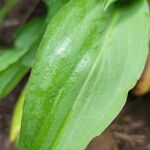
Solidago speciosa
Showy goldenrod · Noble goldenrod
Description
Source: leafsnapSolidago speciosa, the showy goldenrod, is a North American species of flowering plants in the family Asteraceae. It grows in the province of Ontario in central Canada, as well as in the eastern and central United States (from the Atlantic coast west as far as the Great Plains, so from Maine to Georgia (except Delaware) west as far as Texas, Nebraska, and the Dakotas).Solidago speciosa is a perennial herb up to 200 cm (80 inches, over 6 feet) tall, producing a thick underground caudex. One plant can produce as many as 5 stems, each with up to 300 small yellow flower heads. VarietiesSolidago speciosa var. rigidiuscula Torr. & A.Gray - mostly in western portions of range Solidago speciosa var. speciosa - mostly in eastern portions of range
🌳 Showy goldenrod might not be commonly recognized in commercial products or industrial uses, yet it plays an important role in native gardening for its decorative appeal and as an essential nectar source for pollinators. Not only does it provide visual interest with its bright yellow flowers, but its support for beneficial insects like bees and butterflies is vital for preserving ecological balance and encouraging biodiversity in home gardens and restorative landscapes.
Care Guide
💧 Water
Showy goldenrod thrives in native prairies and adapts well to drought conditions, though it prefers consistent moisture. Watering it weekly helps maintain its vigor without causing oversaturation. As an herbaceous perennial, the growth of showy goldenrod follows rainfall patterns, requiring less care during wet seasons and more attention during dry spells.
How should I water my Showy goldenrod?
To properly water the Showy goldenrod, it is recommended to use filtered water at room temperature. Tap water may contain harmful particles, so filtered water is preferred. Since the Showy goldenrod originates from a warm environment, it is important to avoid using cold water which could shock the plant. It is also best to refrain from overhead watering as it can lead to issues with the plant's foliage. Instead, directly apply filtered room temperature water to the soil until it is completely soaked. This method benefits the plant by providing moisture to the roots and assisting in their continued spread through the soil, enabling them to gather necessary nutrients.
What should I do if I give my Showy goldenrod too much or too little water?
Overwatering is a common problem for Showy goldenrod and can cause wilting, yellowing leaves, and diseases like root rot, mold, and mildew. Underwatering is less common but can make the leaves brittle and brown. It is important to recognize the signs of overwatering early and reduce watering immediately. Also, check the soil drainage and replace it if needed. If your plant shows signs of underwatering, simply water more regularly until the signs go away.
How much water does my Showy goldenrod need?
To determine if your potted Showy goldenrod needs water, simply stick your finger into the soil. If the top two to three inches are dry, it's time to water. The same method applies when growing the plant outdoors in the ground. Check the top few inches of soil and add water if it's dry. Usually, watering once a week during spring and early fall is sufficient. However, during hot weather, you may need to water twice a week or more. Keep in mind that mature Showy goldenrod plants are resilient and can withstand periods of drought.
How much water does my Showy goldenrod plant need?
To water your Showy goldenrod effectively, be generous with the amount of water you supply. Make sure the first two to three inches of soil are dry before watering. It's important to thoroughly soak the soil, allowing excess water to flow through the drainage holes at the bottom of the pot. If there is no excess water draining, it means your plant is not receiving enough water. However, be careful not to let water accumulate in the soil, as this can harm the plant. In addition, if water does not drain properly, it may indicate poorly draining soils, which are harmful to the plant's health. If the plant is outdoors, 1 inch of rain per week is sufficient.
How often should I water my Showy goldenrod as it grows?
The water needs of the Showy goldenrod can vary depending on its growth stages. When the plant is in its early years or has just been transplanted, it requires more water than usual. During these stages, the Showy goldenrod focuses its energy on developing new roots, which need extra moisture to support future growth. As the plant matures over a few seasons, its water requirements decrease. However, another growth stage that may require more water is during the bloom period. Flower development relies on a significant amount of moisture, so it may be necessary to provide additional water during this time.
☀️ Light Full sun
The showy goldenrod does best when it receives continuous exposure to direct sunlight. While it can tolerate spots where sunlight is partially obstructed, it grows most vigorously in bright, open sun. Greater light intensity can boost its development. However, too much sunlight or light that is insufficiently filtered can cause damage. Considering the environments it normally inhabits, this outcome is to be expected.
What are the sunlight requirements for Showy Goldenrod?
Showy Goldenrod requires full sun, meaning it should receive above 6 hours of sunlight daily for optimal growth. It can also grow in partial sun conditions, where it would receive about 3-6 hours of sunlight. However, it flourishes best in unobstructed sunlight. It's important to observe how sunlight moves through your garden to find the perfect spots that provide the right balance of light and shade, ensuring your plants thrive.
What essentials should be considered for the growth of Showy Goldenrod?
The Showy Goldenrod thrives in constant exposure to unobstructed rays of the sun but can also handle partial sun to some extent. Sun intensity plays a significant role in its growth, positively affecting it, but excessive or inadequately filtered sunlight may induce damage. In conditions where natural sunlight is insufficient, especially during winter or in lesser sunny spaces, artificial lighting such as LED lights can be used to provide the necessary wavelengths of light, enhancing growth and health. Indoor plants require 30-50W/sq ft of artificial light for full sun conditions, 20-30W/sq ft for partial sun, and 10-20W/sq ft for full shade.
What are the symptoms of light deficiency or overexposure in Showy Goldenrod?
Symptoms of light deficiency include smaller new leaves, leggy or sparse growth, faster leaf drop, slower or halted growth, and lighter-colored or chlorotic new leaves. Overexposure to sunlight can lead to chlorosis, sunscald, leaf curling, wilting, and leaf scorching. These symptoms reflect the plant's struggle with either insufficient or excessive sunlight, impacting its ability to photosynthesize, maintain hydration, and overall health.
How can I adjust the light conditions for Showy Goldenrod to promote optimal growth?
To promote optimal growth for Showy Goldenrod indoors, gradually move plants to a location where they get at least 6 hours of direct sunlight daily, using a south-facing window for natural light or consider professional grow lights if the plant is large. Outdoors, move plants to sunnier spots gradually to avoid sunburn, aiming for a location that matches their natural sunlight needs. If dealing with grounded plants, identify and minimize obstructions to sunlight by pruning trees or transplanting smaller plants to brighter locations. Remember, while adjusting light conditions can encourage new healthy growth, parts of the plants that were previously affected may not recover.
🌡️ Temperature 0–32.2°C
Showy goldenrod is native to habitats with temperatures ranging from 32 to 90°F (0 to 32°C). It favors moderate temperatures, so adjustments should be made during extreme weather to ensure its optimal health and growth.
What temperatures are ideal for the growth of Showy goldenrod?
Showy goldenrod thrives in environments where temperatures range from 32 to 90°F (0 to 32°C), favoring moderate climates. This plant has a strong resistance to cold, typically not requiring frost protection measures. However, in anticipation of winter, especially if temperatures are expected to drop below -35°C, it's beneficial to take preventative measures like covering the plant with soil or straw to ensure its health and optimum growth. Additionally, watering the plant abundantly before the first freeze in autumn helps the soil remain moist and aids in preventing drought and water scarcity during winter and early spring.
How does low temperature affect Showy goldenrod and what should be done?
Showy goldenrod, being cold-tolerant, fares best above 0°C and should be kept above -30°C during winter. If temperatures fall below -35°C, there might not be noticeable immediate damage, but issues may arise in spring, such as decreased sprouting or lack thereof. To mitigate this, in spring, remove any parts of the plant that have failed to sprout. This helps in promoting healthy growth and maintaining the vitality of the Showy goldenrod.
What are the implications of high temperatures for Showy goldenrod and how can they be addressed?
During the summer, it's crucial to ensure that the temperature surrounding Showy goldenrod does not exceed 32°C. Exposure to temperatures above 35°C can cause the leaves to lighten in color, curl, become prone to sunburn, and in severe cases, lead to wilting and dryness of the entire plant. To combat this, trim away the sunburned and dried-up parts of the plant. Moving the plant to a shaded area or deploying a shade cloth can provide protection against the harsh midday and afternoon sun. Additionally, watering the plant in the morning and evening helps keep the soil moist, further safeguarding it from the adverse effects of high temperatures.
💨 Humidity
🪴 Soil 6-7
🌱 Fertilizer
The best time to fertilize a Showy goldenrod is in early spring, when it is coming out of dormancy and entering active growth. Fertilization supplies essential nutrients for healthy growth. Although Showy goldenrod has fairly low fertilizer requirements, applying fertilizer annually can improve its survival and promote better, longer-lasting flowers.
🪴 Pot & Repot
Showy goldenrod thrives in pots with excellent drainage. Good drainage prevents root rot and supports healthy growth, creating the best conditions for development.
✂️ Pruning
Showy goldenrod is a tall perennial herb known for its bright yellow flowers. To keep the plant healthy and vibrant, it's beneficial to prune it annually in the early to late spring. Pruning away old stems helps reduce the risk of disease and promotes more colorful blooms. Additionally, removing spent flowers throughout the summer can further enhance the plant's growth. For more detailed care tips, consult trusted horticultural sources.
🌿 Propagating
🐛 Diseases & pets
☠️ Toxicity
Characteristics
- Plant Type
- Herb
- Life Cycle
- Perennial
- Genus
- Solidago
- Family
- Asteraceae
- Hardiness Zone
- 3-8
- Mature Height
- 0.61 m to 2.13 m
- Mature Spread
- 61 cm to 91 cm
- Leaf Color
- Green, Blue
- Leaf Type
- Semi-evergreen
- Flower Color
- Gold, Yellow
- Flower Size
- 2.54 cm
- Bloom Time
- Mid summer
- Planting Time
- Spring, Summer, Autumn
- Harvest Time
- Mid summer, Late summer