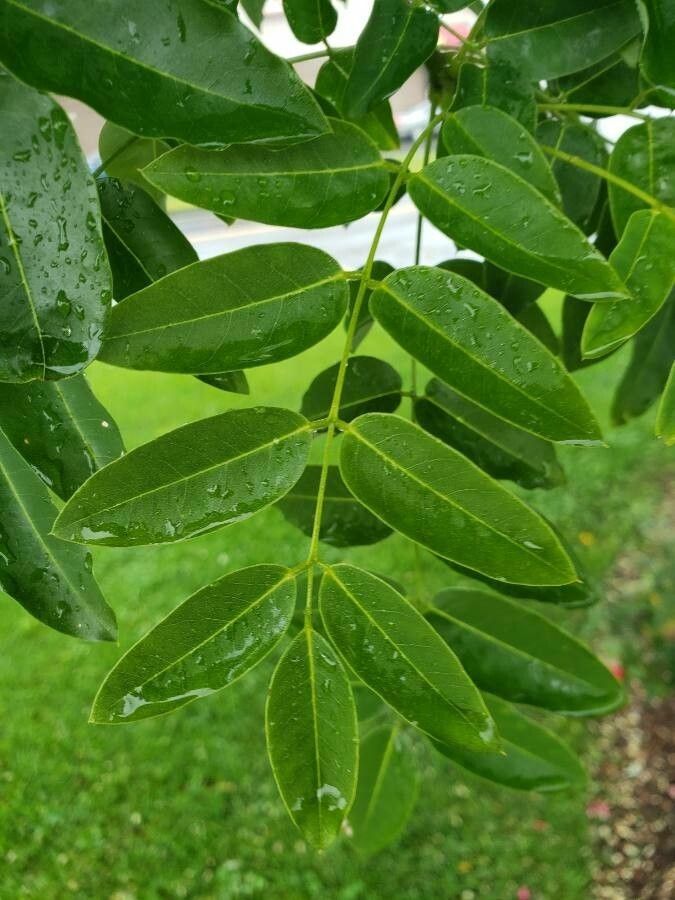
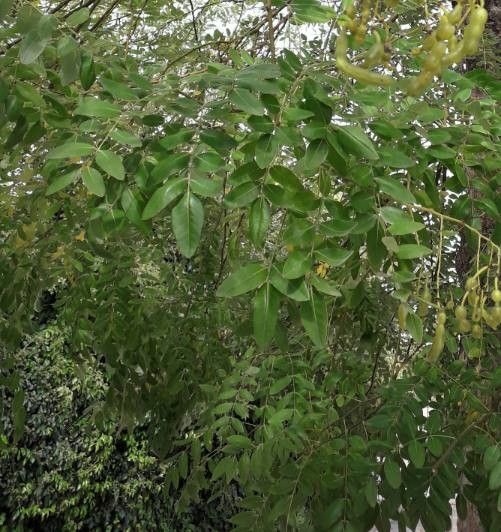
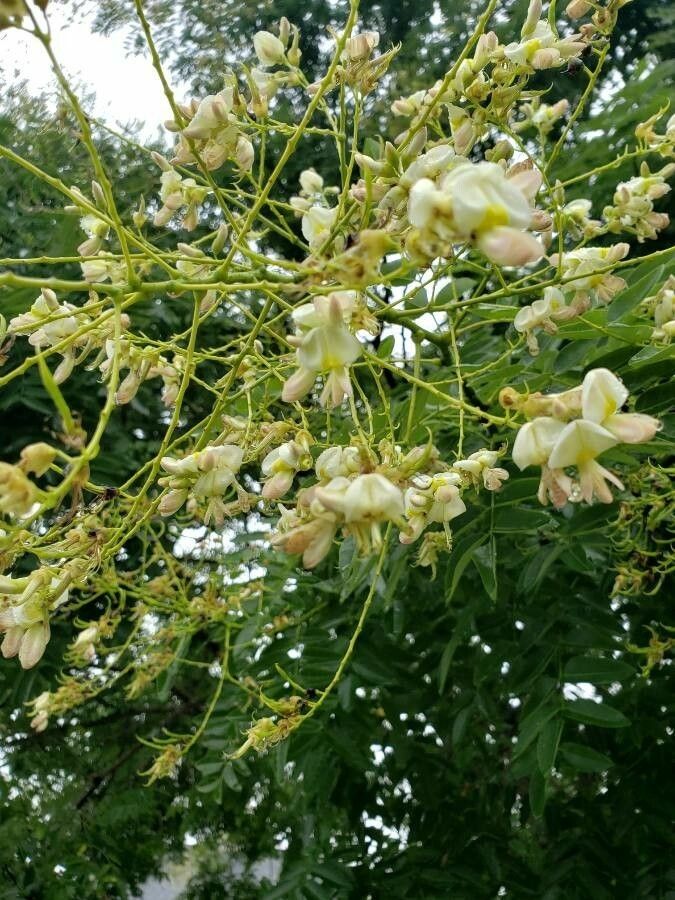
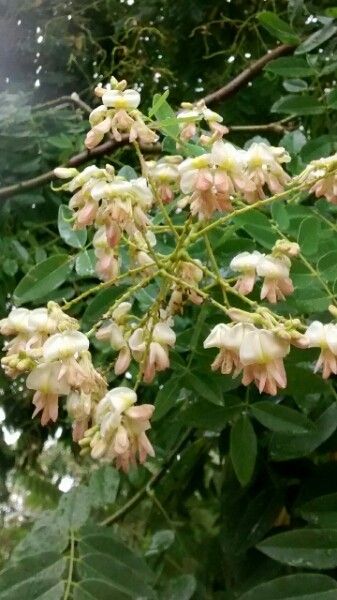
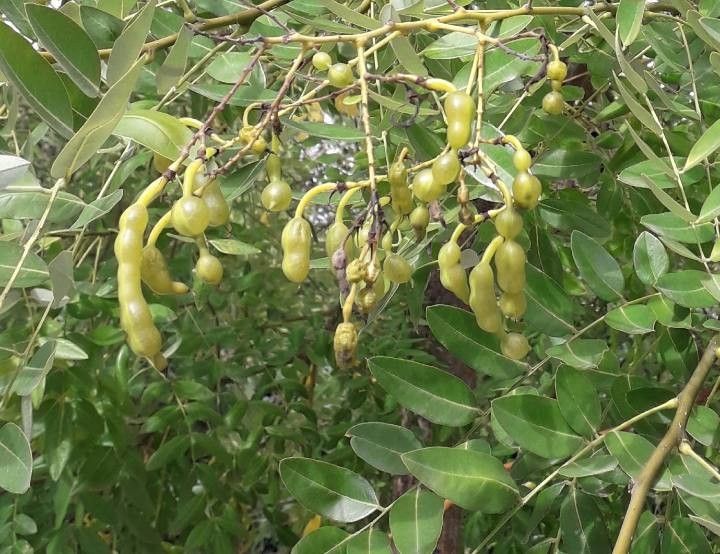
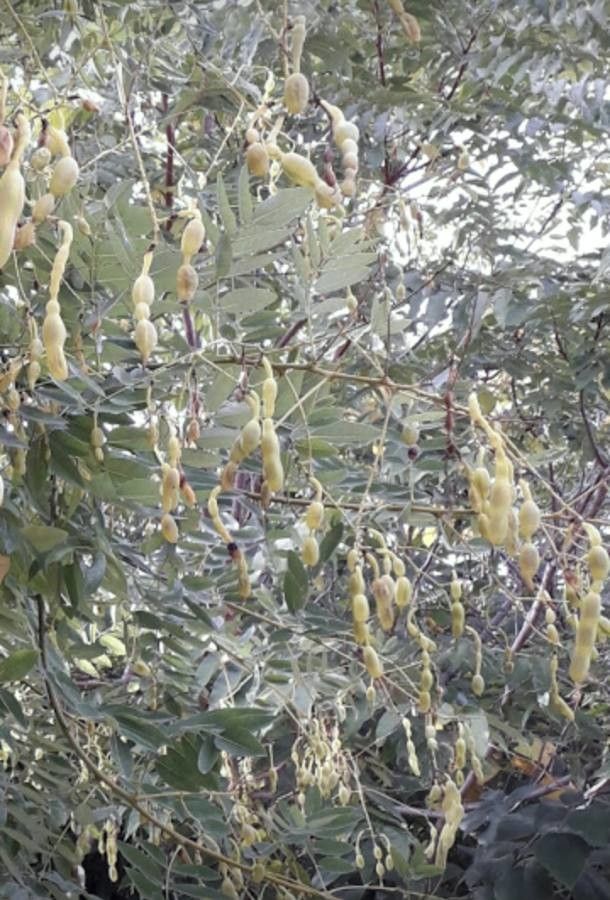
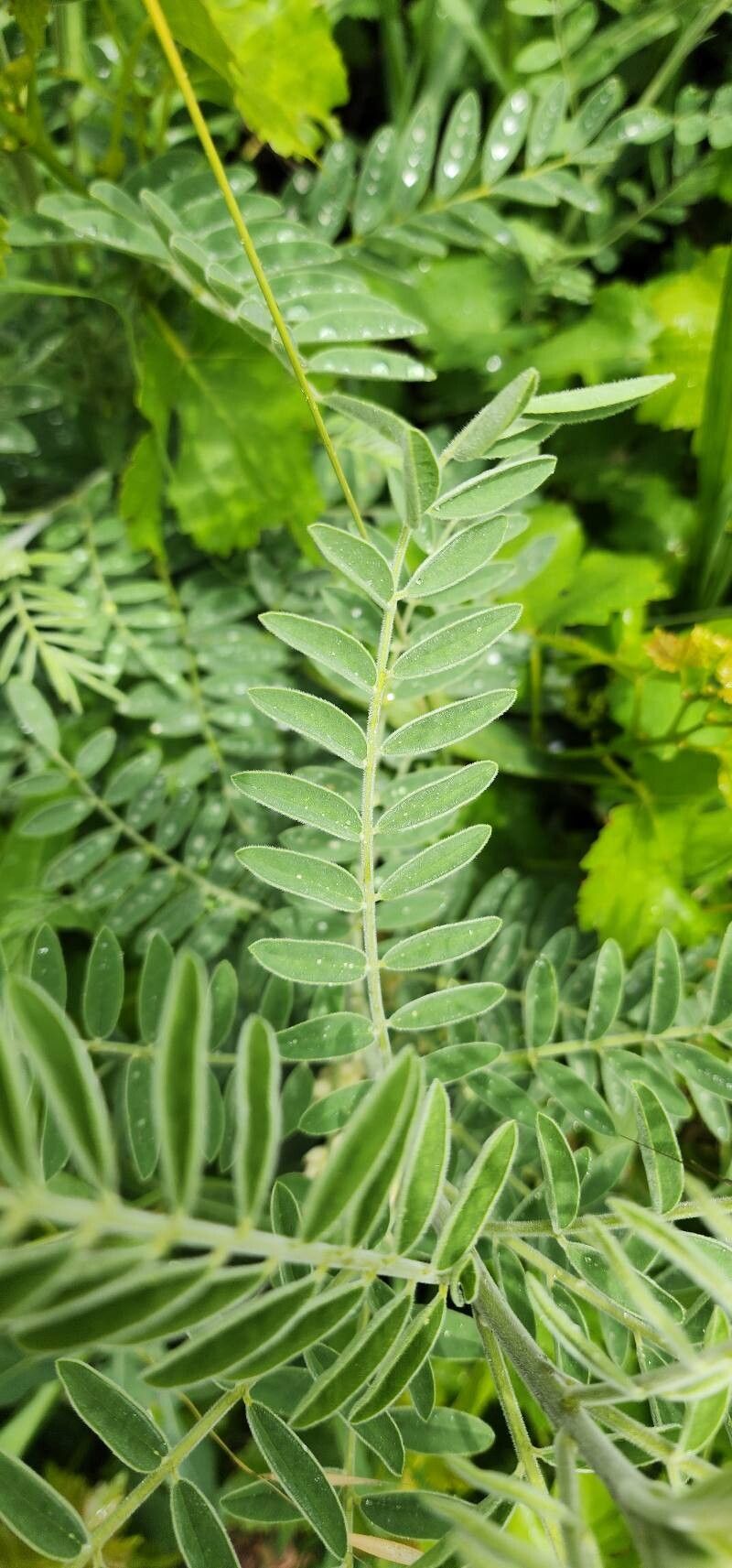
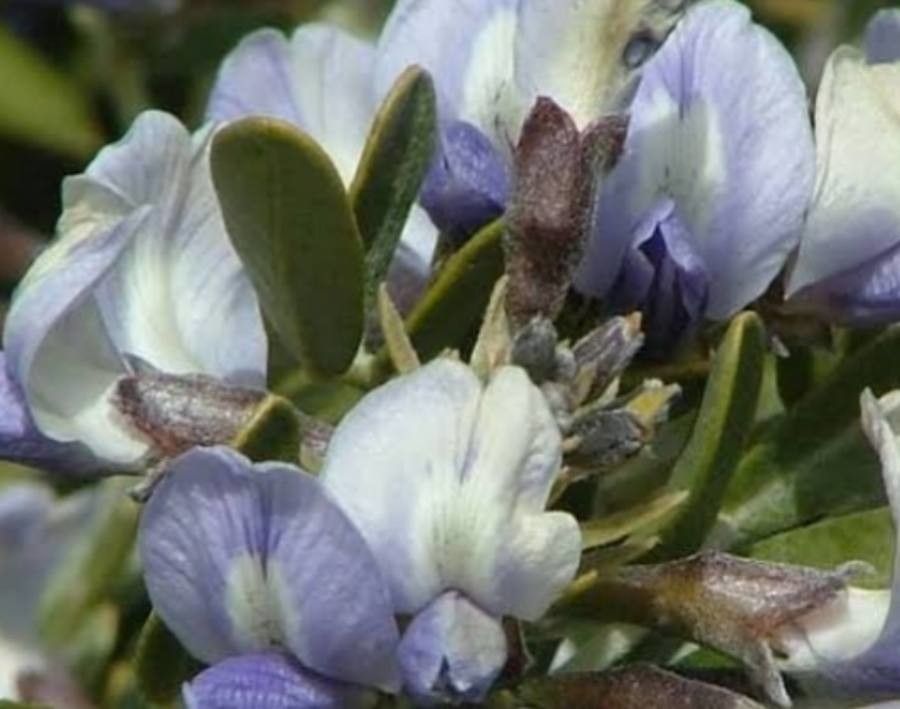
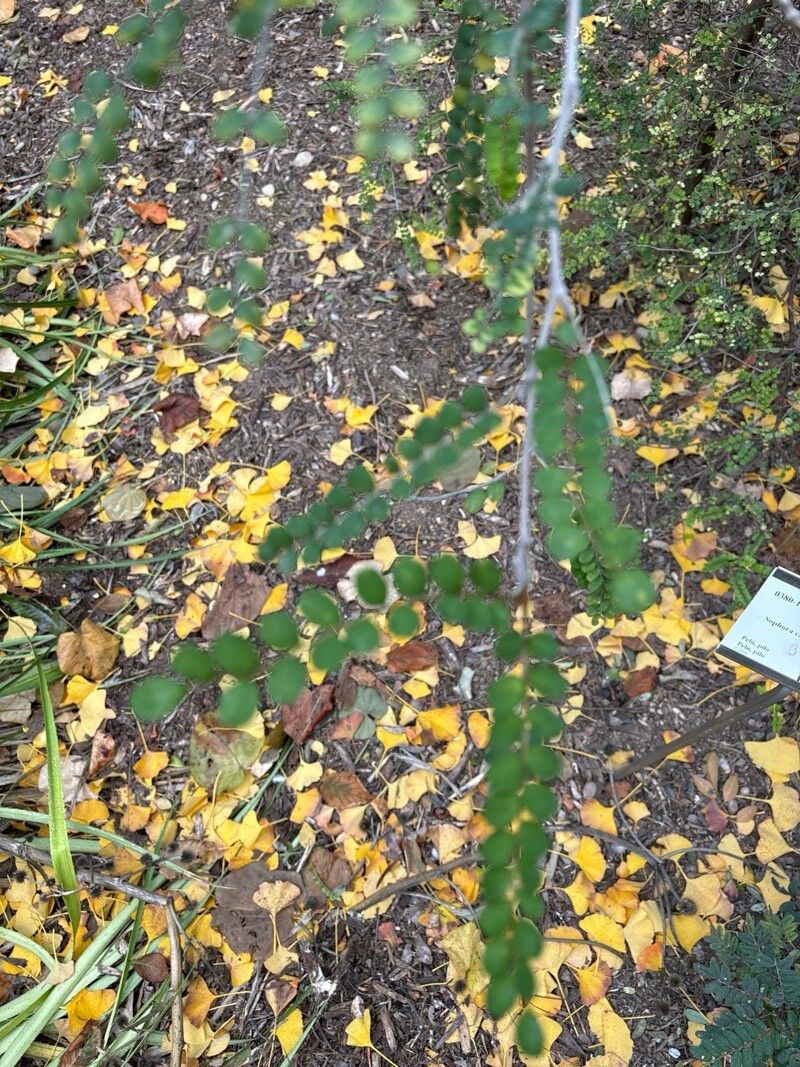
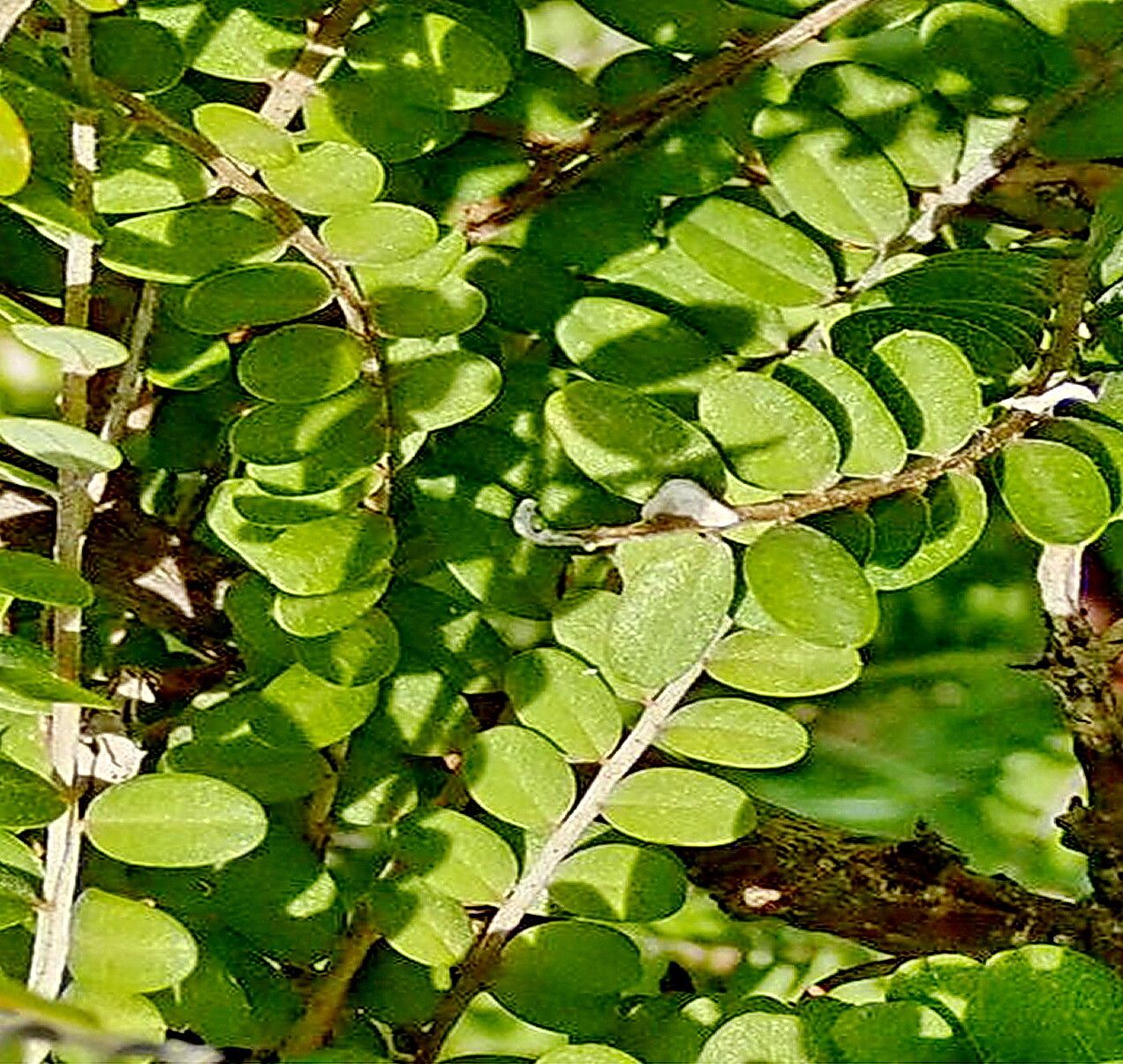
Sophora japonica, commonly known as the Japanese pagoda tree or Chinese scholar tree, is a deciduous tree native to eastern Asia. It can reach heights of 20-30 meters (65-98 feet) with a broad, spreading crown. The pinnate leaves can grow up to 25 cm (10 inches) in length, each consisting of 7-17 leaflets. The tree produces yellowish-white flowers in late summer, which bloom in large clusters up to 30 cm (12 inches) long. Its fruit is a pod containing several seeds.
For centuries, Sophora japonica has been integral to traditional Chinese medicine due to its anti-inflammatory properties. It has been used to treat a variety of ailments, including coughs, fevers, and skin conditions. Additionally, its attractive foliage and flowers make it a popular ornamental plant.
Beyond its medicinal value, Sophora japonica possesses insecticidal properties, effective against pests such as mosquitoes and aphids. The tree's wood is highly durable, making it valuable for construction purposes.
Overall, Sophora japonica is a significant plant with diverse uses, ranging from medicine to construction materials. It holds cultural importance throughout Asia, its region of origin, and is now cultivated worldwide, primarily for its ornamental appeal. Scientific research has affirmed the medicinal benefits of this species, solidifying its status as one of the most valuable plants in existence today.
The Japanese pagoda tree is fairly disease-resistant and typically does not suffer from many diseases. In terms of care, this plant is relatively low-maintenance. When grown outdoors, it needs little watering, and larger plants generally do not require pruning. However, smaller plants should be pruned after they finish blooming. The Japanese pagoda tree is suitable for anyone with an outdoor area, such as a garden or deck, and does not demand much gardening experience.
How to keep Sophora Japonica.
Light
For healthy development, the japanese pagoda tree prefers being exposed to full sunlight for a large part of the day and can also do well with fewer hours of sun. Its nursery in the forest understory in its native habitat enables it to adapt to reduced solar exposure. Too little or too much sunlight can hinder its flourishing.
Water
Sophora japonica likes deep and infrequent watering. You would want to soak them in a gallon of water each time, especially when they are planted in pots. The water storage of flower pots is limited and the soil will dry out faster. Watering is required every 3 to 5 days when living in a cold region. Water it early in the morning when the soil is dry, outdoors or indoors. You can also determine if watering is needed by checking the soil inside. When the top 2-3 inches (5,08 cm- 7,62 cm) of soil is dry, it is time to give the plant a full watering. During hot days, you may need to check the moisture daily, as the heat can quickly dry out the soil in the pot.
Temperature
The Japanese pagoda tree prefers a temperature range of 41 to 95 ℉ (5 to 35 ℃). It is commonly found in temperate regions, is adapted to a variety of temperatures, and tolerates frost. In winter, the tree copes with cold by entering dormancy.
Fertilizer
For healthy development, fertilize your Japanese pagoda tree in early spring. Ongoing fertilization boosts its overall health, producing vigorous growth, better tolerance of challenging conditions, and enhanced resistance to pests and diseases. Keep to a regular fertilizing routine for your Japanese pagoda tree to preserve vivid, deeply colored foliage and a full, lush appearance.
Toxicity
While some parts of the Sophora japonica are edible, the peas are toxic and should not be consumed.
Further reading →
The toxicity and danger assessments provided are for reference only. We do not assure their accuracy, so it's crucial not to depend on them. Seek professional advice when necessary for accurate guidance.
Botanical profile.
- Plant Type
- Tree
- Life Cycle
- Perennial
- Genus
- Sophora
- Family
- Fabaceae
- Hardiness Zone
- 4-9
- Mature Height
- 7.92 m to 20.12 m
- Mature Spread
- 17.98 m
- Leaf Color
- Green
- Leaf Type
- Deciduous
- Flower Color
- White, Cream
- Flower Size
- 1.27 cm to 1.52 cm
- Bloom Time
- Mid summer
- Planting Time
- Spring, Autumn
- Harvest Time
- Mid summer, Late summer, Early fall
Other names.