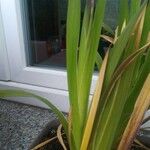
Sparaxis tricolor
Three-color harlequin-flower · Harlequin-flower · Wandflower · Scarlet wand flower · Three-colour harlequin flower
Description
Source: leafsnapSparaxis tricolor, commonly known as the Harlequin Flower or Wandflower, is a perennial plant belonging to the Iridaceae family. Native to South Africa, it is widely cultivated for its attractive and colorful flowers. This plant can grow up to 30 cm in height and features green, sword-shaped leaves. The star-shaped flowers of Sparaxis tricolor have six petals arranged in a whorl. They come in various colors, including white, pink, orange, yellow, and red, often with contrasting markings on the petals. These blooms appear on long stems from late spring through early summer. This plant thrives in well-drained soil and full sun exposure but can also tolerate partial shade. It requires moderate watering during its growing season but should be kept dry during dormancy periods. The Harlequin Flower can be propagated through seeds or by dividing clumps of bulbs after flowering. It is commonly used for ornamental purposes in borders or rock gardens due to its vibrant colors and easy maintenance. Overall, Sparaxis tricolor is an attractive addition to any garden, offering colorful blooms that add vibrancy throughout spring while requiring minimal care. It is an ideal choice for novice gardeners looking for low-maintenance plants with high visual impact!
💡 The botanical name of Sparaxis tricolor comes from the Greek word 'sparasso,' which means 'to tear.' This name refers to the torn tips of the harlequin flower's bracts. The specific epithet 'tricolor' describes its vibrant flowers, which often display two or three different colors.
🎭 Definitions
Care Guide
💧 Water Every 7 days
The harlequin flower, native to South Africa, thrives with moderate moisture and needs balanced watering every 1-2 weeks, allowing the soil to dry out slightly in between. Its vibrant blooms rely on adequate water, making careful irrigation essential during the active growing season for the best display.
How should I properly water my Harlequin flower?
To properly water the Harlequin flower, it's best to use filtered water at room temperature. Tap water may have harmful particles that could negatively affect this plant. It's important to use water that is not too cold since the Harlequin flower is used to warmer environments. Avoid overhead watering, as it may cause issues with the foliage. Instead, focus on directly applying filtered room temperature water to the soil until it is completely soaked. This method helps moisturize the roots and supports their spread through the soil, facilitating proper nutrient uptake.
What should I do if I give my Harlequin flower too much or too little water?
Both overwatering and underwatering can harm the health of your Harlequin flower, but overwatering is more common. When the plant gets too much water, the stems and leaves may wilt and turn yellow. Overwatering for a long time can also cause diseases like root rot, mold, and mildew, which can kill the plant. Underwatering is less likely since the Harlequin flower can tolerate drought. However, it can still happen, and when it does, the leaves may become brittle and brown. It's important to recognize signs of overwatering early on. Some diseases like root rot may not be fixable if you notice them too late. If you see signs of overwatering, reduce watering right away and check the soil quality. If the soil drains poorly, replace it with well-draining potting mix. If you notice signs of underwatering, water the plant more regularly until the signs go away.
How frequently do I need to water my Harlequin flower?
If your Harlequin flower is in a pot, the most precise way to determine if it needs water is by checking the soil. Plunge your finger into the soil and if the top two to three inches feel dry, it's time to water the plant. The same method can be used if you have your Harlequin flower planted outdoors. When the first few inches of soil have dried out, it's time to add water. During the spring and early fall, you may need to water this plant around once a week using this method. However, when it gets extremely hot, you may need to increase watering to about twice or more per week. It's worth noting that mature, well-established Harlequin flowers have a great ability to survive periods of drought.
How often should I water my Harlequin flower?
When watering your Harlequin flower, it's important not to hold back on the amount of water you give. Make sure the top two to three inches of soil are dry before watering, and then give the plant a thorough watering so that the soil is completely soaked. You want to add enough water that it begins to drain through the holes at the bottom of the pot – this indicates that you've added enough water. If you don't see any excess water draining out, it means you didn't give enough water and your plant might be underwatered. However, be careful not to let the water accumulate in the soil, as this can be harmful to the plant. On the other hand, if the water isn't draining properly, it may mean that the soil doesn't have good drainage, which is not good for the plant's health. If the plant is outside, it will only need about 1 inch of rain per week.
How do I water my Harlequin flower as it grows?
The water needs of the Harlequin flower can vary depending on its growth stages. When the flower is in its early years or has been recently transplanted, it requires more water. During these stages, the focus is on developing new roots to support future growth, so the roots need more moisture. As the flower matures over a few seasons, it requires less water. Additionally, during the bloom period, the flower utilizes a substantial amount of moisture for flower development, necessitating more water.
☀️ Light Full sun
Harlequin flower prefers abundant sunlight and typically flourishes when it receives sun for most of the day. It can also tolerate slight shade. If the plant is deprived of sufficient sun exposure, it may suffer poor plant health and growth. Conversely, excessive light can lead to withering and damage. Its natural habitat reflects this preference for copious sunlight.
What are the sunlight requirements for Harlequin flowers?
Harlequin flowers thrive best with ample sun exposure, requiring more than 6 hours of direct sunlight daily to flourish properly, which is considered 'Full sun' conditions. However, they can also tolerate 'Partial sun' conditions, meaning about 3-6 hours of sunlight each day. It's crucial to observe how sunlight moves through your garden to find spots that offer an optimal balance of light and shade, ensuring the plants' wellbeing. Insufficient sunlight can lead to poor health and growth, while excessive exposure may cause withering and damage.
How does artificial lighting benefit indoor Harlequin flowers?
When natural sunlight is not sufficient for indoor Harlequin flowers, especially during winter or in less sunny spaces, artificial lighting can be a pivotal solution. It promotes faster and healthier growth by mimicking natural sunlight conditions. LED lights are a popular choice as they can be customized to emit specific wavelengths required by the plants. The general guideline is that full sun plants need 30-50W/sq ft, partial sun plants require 20-30W/sq ft, and full shade plants should have 10-20W/sq ft of artificial lighting. The lighting setup should be placed 12-36 inches above the plant and kept on for 8-12 hours per day to simulate the natural daylight hours needed for optimal growth.
What are the signs of inadequate lighting for Harlequin flowers?
Harlequin flowers exhibit several symptoms when they experience insufficient lighting, including the development of smaller new leaves compared to older ones, leggy or sparse growth with increased spacing between leaves or stems, and early leaf drop as a resource conservation measure. Additionally, growth may slow down or stop entirely, new leaves might appear lighter in color due to lack of chlorophyll, and plants can suffer from chlorosis, where leaves lose their green color and become yellow. Excessive sunlight exposure can also cause problems such as sunscald, leaf curling, wilting, and leaf scorching.
How can I address lighting issues for Harlequin flowers?
To address lighting issues for Harlequin flowers, gradually increase sunlight exposure by moving plants to sunnier locations each week until they receive at least 6 hours of direct sunlight daily. For indoor plants, utilize a south-facing window or artificial light sources, such as desk or ceiling lamps, for at least 8 hours a day. Outdoors, ensure a gradual transition to brighter spots to avoid sunburn. For garden-planted flowers, reduce obstructions like trees by pruning and consider transplanting smaller plants to sunnier areas with good drainage during their dormant period. Note that parts of the plant already affected by light deficiency might not recover, but new growth should be healthy following the adjustment.
🌡️ Temperature 20–37.8°C
Harlequin flower is fairly adaptable to temperature, able to withstand higher heat and large temperature fluctuations. In hot weather, attention should be paid to watering and giving adequate shade to avoid sunburn. Conversely, Harlequin flower is relatively sensitive to low temperatures; although it can endure some cold, very low temperatures can cause frost damage.
What is the Harlequin flower?
The Harlequin flower, known botanically as Sparaxis tricolor, is a flowering plant noted for its vibrant colors and striking patterns. It does not have additional details provided regarding its essentials or symptoms related to its care or growth conditions.
💨 Humidity
🪴 Soil 6-7
🌱 Fertilizer
For the Harlequin flower, the primary time to fertilize is in early spring when the blossoms are forming. The appropriate fertilizer promotes better blooms and helps the Harlequin flower produce lovely flowers. Fertilizing in early spring ensures excellent flowers during the season and supplies energy for dormant growth phases.
Why should I put fertilizer on my Harlequin flower?
Fertilization is important for the Harlequin flower because it provides essential nutrients for the plant's growth, both above and below ground. Although the Harlequin flower doesn't require a significant amount of fertilization, it can still benefit from annual fertilization. This not only helps the plant survive but also promotes the development of longer-lasting, better-quality flowers. Therefore, those who want their Harlequin flower to thrive should consider regular fertilization.
When should I fertilize my Harlequin flower?
The best time to fertilize a Harlequin flower is in late winter to early spring when it is transitioning from dormancy to active growth. Fertilizing at this time promotes healthy growth and sets the plant up for a successful season. Although early spring is generally the most beneficial time, it is also okay to fertilize in the fall. However, it is not recommended to feed the Harlequin flower during summer or winter.
When is it not a good idea to fertilize my Harlequin flower?
To properly care for your Harlequin flower, it is best to only fertilize during late winter and early spring. This plant has low fertilization needs and a single annual feeding is enough. Overfertilizing by continuing to fertilize throughout spring, summer, and fall can cause complications. However, if you missed fertilizing in spring, it is acceptable to feed the plant in the fall. During winter, when the Harlequin flower is in a dormant growth phase and not producing new growth, fertilization is not necessary.
Which fertilizer should I use for my Harlequin flower?
When it comes to fertilizing a Harlequin flower, any general-purpose fertilizer with balanced nutrients should work fine. However, some specific nutrient blends can be even more beneficial. For example, many gardeners believe that higher levels of phosphorus promote stronger roots and better flowers. Since the Harlequin flower is a flowering plant, using a phosphorus-rich fertilizer may be the best option. Whether you choose a granular or liquid form, just make sure it contains ample nutrients. In addition to manufactured fertilizers, organic methods like compost and manure can greatly improve the soil for your Harlequin flower. These materials are great for creating a healthy growing medium.
How can I make my Harlequin flower grow better?
To fertilize a Harlequin flower, the most common method is to use a granular or pellet fertilizer. It's important to fertilize the plant when it starts growing actively again after its winter dormant phase. In early spring, wait for the shoots to emerge from the soil and then apply the fertilizer. Alternatively, you can use a liquid fertilizer instead of granular, but make sure to dilute it with water first. Whichever type you choose, it's recommended to moisten the soil before, during, and after applying the fertilizer.
🪴 Pot & Repot 2-3 years
Repot harlequin flowers every 2-3 years in late summer. Choose a pot that is just slightly larger than the clusters of bulbs. Make sure the pot has good drainage, and water sparingly after repotting to encourage new growth. Following this routine helps maintain the vibrant tri-colored blooms of the harlequin flowers.
✂️ Pruning
The Harlequin flower thrives with proper care, especially when pruned in early to late spring after the last frost. Gently remove any spent blooms and dead leaves to encourage new growth and prevent disease. This practice improves air circulation and sunlight exposure, enhancing the plant's overall health and leading to more vigorous blooming in the next season.
🌿 Propagating
🐛 Diseases & pets
☠️ Toxicity
Characteristics
- Plant Type
- Herb
- Life Cycle
- Perennial
- Genus
- Sparaxis
- Family
- Iridaceae
- Hardiness Zone
- 7-10
- Mature Height
- 10 cm to 40 cm
- Mature Spread
- 6 cm to 11 cm
- Leaf Color
- Green
- Leaf Type
- Deciduous
- Flower Color
- Red, Orange, Yellow
- Flower Size
- 5.08 cm
- Bloom Time
- Mid spring, Late spring
- Planting Time
- Spring
- Harvest Time
- Early summer, Mid summer
- Native Area
- South Africa