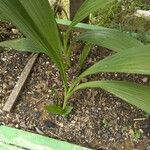
Spathoglottis plicata
Philippine ground orchid · Boat orchid · Grapette · Palm orchid · Dendrobium
Description
Source: leafsnapSpathoglottis plicata, commonly known as the Philippine ground orchid, is a terrestrial orchid species native to Southeast Asia. This plant grows up to 60 cm tall and produces clusters of vibrant flowers in shades of pink, purple, and white. Its long, narrow leaves feature distinctive pleated edges, adding to its unique appearance. Spathoglottis plicata thrives in moist soil and partial shade, although it can tolerate full sun in cooler climates. Because of its long-lasting blooms, this orchid is frequently used as an ornamental plant in gardens and for floral arrangements. In addition to its ornamental value, the Philippine ground orchid has been utilized by indigenous communities for medicinal purposes, treating ailments such as fever, coughs, and skin infections.
🌳 In addition to its ornamental appeal, the philippine ground orchid functions effectively as a groundcover. Its tendency to form dense clusters and rapid growth help stabilize soil, thereby preventing erosion in gardens and landscapes. This use leverages its hardiness and perennial nature, making it a low-maintenance choice for ecologically sensitive planting and landscaping projects.
🎭 Esteem, regard, dignity and regality
Care Guide
💧 Water Every 7 days
Originating from tropical Asia, the Philippine ground orchid is adapted to rainforest conditions, thriving in moist soil with stable humidity. To maintain the necessary moisture levels, water the plant weekly. In warm climates, where the orchid can be grown outdoors, it benefits from mulching, which helps retain soil moisture and regulate root temperature.
How should I water my Philippine ground orchid properly?
The way you water your Philippine ground orchid depends on whether it is in an active growth phase or not. If it is growing, you should water the soil and occasionally water overhead if it is warm to help the plant absorb moisture through its leaves. However, in winter or cool, wet weather, you should only water the soil and avoid overhead watering. You can tell if your orchid needs more water if its roots and leaves become thin, dry, or discolored. Overwatered orchids will appear mushy and limp. To grow your orchid, use a pot with excellent drainage. During the growing season, water the plant multiple times per week, ensuring that the water drains quickly through the growing medium to prevent standing water. The amount of water needed will depend on the pot size, with larger pots requiring less frequent watering. It is best to use rainwater or distilled water that matches the air temperature as closely as possible.
What should I do if I give my Philippine ground orchid too much or too little water?
To keep your Philippine ground orchid alive and healthy, it's important to avoid keeping the soil too moist for too long. While these plants do require frequent watering during growth, they also need well-draining soil. If you overwater the plant, it will become mushy and develop root rot. In such cases, you should use sterile pruning shears to remove any rotted roots and then repot the orchid in a container with good drainage and fast-draining potting mix. However, be cautious about excessively repotting, as the orchid may not respond well. It's essential to find the right watering balance. If you notice your orchid shriveling and feeling dry, it's likely underwatered, and you should increase the watering frequency.
How many times a week should I water my Philippine ground orchid?
During the active growth stage in spring and summer, water your Philippine ground orchid once or twice a week, increasing to three times a week or more during hot and dry weather. In winter, water the orchid less frequently, around two to three times per month to keep it alive. However, if you keep the orchid indoors during winter, remember that indoor conditions can cause the soil to dry faster, so you may need to water it more often. Use the fall to gradually reduce watering frequency from multiple times per week to the reduced winter schedule.
What do I need to think about when watering my Philippine ground orchid in different seasons and growth periods?
When planning the watering schedule for your Philippine ground orchid, it is important to consider two significant growth phases. The first phase is the active growth period, which occurs in spring and summer. During this time, the plant should be watered multiple times per week. The second phase is the rest period, which occurs in winter and lasts for about two to three months. During this period, the plant requires less water and fertilization than usual. It is recommended to water the plant about once or twice per month during this time. As the fall season approaches, it is advised to gradually decrease the watering frequency from multiple times per week to once or twice per month, which is suitable for winter.
How should I water my Philippine ground orchid if I keep it inside?
The Philippine ground orchid thrives in a relatively humid environment, which is often lacking in most indoor growing locations. As a result, the plant and its soil tend to dry out more quickly indoors compared to outdoor conditions. To address this issue, it is recommended to use a humidifier in the room where you are growing the orchid. Additionally, you may need to water the plant more frequently. However, it is important to note that while the orchid prefers humidity, it also requires proper air circulation to prevent excessive moisture that can lead to diseases. Therefore, it is advisable to include a fan in the growing room to ensure sufficient air circulation.
☀️ Light Full sun
The Philippine ground orchid prefers substantial sun exposure but can tolerate moderate light. Native to bright environments, it grows best with abundant sunlight. Too much shade can hinder its growth and result in weaker plants. Conversely, excessively intense sunlight may also cause some damage.
What are the sunlight requirements for Philippine ground orchid (Spathoglottis plicata)?
The Philippine ground orchid thrives in conditions ranging from full to partial sun. For optimal growth, it cherishes substantial exposure to sunlight, requiring above 6 hours of sunlight for 'Full sun' and about 3 to 6 hours of sunlight for 'Partial sun.' Originating from sunny habitats, it prospers best under ample sunlight but can also endure moderate sunshine. It's important to watch how sunlight gracefully moves through your garden, choosing spots that provide a perfect balance of light and shade, ensuring plant happiness. Excessive shading or too much intense solar radiation can either impede its growth, leading to weaker plants or potentially cause harm.
How can artificial lighting be used for Philippine ground orchid indoors?
Indoor Philippine ground orchids require adequate lighting for optimal growth, especially when natural sunlight is insufficient, such as in winter or less sunny spaces. Artificial lights, particularly LED lights, offer a vital solution, promoting healthier growth by providing specific wavelengths of light that plants need. Full sun plants need 30-50W/sq ft, partial sun plants 20-30W/sq ft, and full shade plants 10-20W/sq ft of artificial light. The light source should be placed 12-36 inches above the plant to mimic natural sunlight for 8-12 hours per day.
What are the symptoms of light deficiency in Philippine ground orchid?
Symptoms of light deficiency in Philippine ground orchids include smaller new leaves compared to mature ones, leggy or sparse growth resulting in a thin and stretched-out appearance, faster leaf drop to conserve resources, slower or halted growth as the plant enters survival mode, pale or irregularly colored new leaves indicating a lack of chlorophyll, and conditions such as chlorosis, sunscald, leaf curling, wilting, and leaf scorching caused by either too little or too much sunlight.
What are the solutions for light-related issues in Philippine ground orchids?
To address light-related issues in Philippine ground orchids, gradually increase their exposure to at least 6 hours of direct sunlight daily by moving them closer to a south-facing window or using artificial light sources like desk or ceiling lamps for at least 8 hours a day or professional plant grow lights. Outdoors, also gradually move plants to sunnier spots to avoid shock. Reduce obstructions by pruning branches and leaves or transplant small plants during their dormant period in late winter or early spring to a location with ample sunlight and good drainage. It's noted that parts of the plant affected by insufficient light may not recover, but new growth will be healthy following proper light exposure.
🌡️ Temperature 20–37.8°C
The Philippine ground orchid prefers warm conditions. It does best in temperatures that are moderately warm but not too hot or humid. Sunlight warms the plant and encourages flowering. However, long periods of direct sun in summer can cause sunburn, so the amount of light it gets in that season should be regulated. The plant generally does not handle cold well, so it needs proper protection and warmer conditions in winter to avoid freezing.
💨 Humidity normal (40-60%)
This plant will thrive in moderate humidity, which is probably the level in your home. However, misting it a few times a week can be very beneficial. Make sure the room has good ventilation.
🪴 Soil 6-6
🌱 Fertilizer
Proper fertilization is essential for the health and appearance of the Philippine ground orchid. Fertilize the Philippine ground orchid during summer, repeating the treatment monthly throughout the season. Nutrients supply the energy for growth and help maintain the plant’s tissues. Fertilizing improves the Philippine ground orchid’s flowering display, ensuring the best blooms.
Why is it necessary to fertilize my Philippine ground orchid?
Fertilization is important for the Philippine ground orchid for a few reasons. It provides essential nutrients for the plant's growth both above and below ground. While the overall fertilization needs for the orchid are relatively low, annual fertilization can greatly benefit the plant and enhance the longevity of its flowers. Therefore, those who want their Philippine ground orchid to thrive should make sure to fertilize it each year.
When should I fertilize my Philippine ground orchid?
The best time to fertilize a Philippine ground orchid is in late winter to early spring when it is exiting its dormant phase and starting to grow. Fertilizing during this period provides a good foundation for healthy growth throughout the season. Although fertilizing in early spring is generally more beneficial, it is also acceptable to fertilize in the fall. Summer and winter, however, are not recommended times to fertilize a Philippine ground orchid.
When is it best to not put fertilizer on my Philippine ground orchid?
To care for your Philippine ground orchid, it is best to fertilize only during late winter and early spring. This plant has low fertilization needs, so one annual feeding is sufficient. Avoid fertilizing during spring, summer, and fall to prevent overfertilization complications. However, if you missed fertilizing in spring, it is acceptable to feed the plant in fall. Additionally, refrain from fertilizing during the winter when the orchid is in a dormant growth phase and not producing new growth.
What kind of fertilizer does my orchid from the Philippines need?
When choosing fertilizer for a Philippine ground orchid, most general-purpose options with a balanced mix of nutrients will work. However, there are some nutrient blends that can be even more beneficial. Many gardeners believe that higher levels of phosphorus can lead to stronger roots and better flowers, making it a good choice for a flowering plant like the Philippine ground orchid. It's also important to have plenty of nutrients, whether you choose a granular or liquid fertilizer. In addition to manufactured options, you can also improve the soil for your orchid using organic materials like compost and manure, which contribute to a healthy growing medium.
How can I give my Philippine ground orchid the nutrients it needs to grow well?
To fertilize a Philippine ground orchid, the most common method is to use a granular or pellet fertilizer around the plant's soil. It's important to fertilize the plant when it transitions from its dormant phase to active growth, which usually happens as winter ends. In early spring, wait until the plant has shoots emerging from the soil, then apply the fertilizer. Alternatively, some people opt for liquid fertilizers. If you choose this method, make sure to dilute the fertilizer in water before application. Regardless of the type of fertilizer used, it's recommended to moisten the soil before, during, and after applying it.
🪴 Pot & Repot Every 12 months
✂️ Pruning
Philippine ground orchids benefit from pruning conducted from early spring to late winter. To encourage blooming and healthy growth, remove dead leaves and old flower spikes. Be sure to use sharp, sterilized tools to prevent infections. Regular pruning improves air circulation, enhances the plant's health, and reduces the risk of disease.
🌿 Propagating
🐛 Diseases & pets
☠️ Toxicity
Ground Orchids are considered generally safe and non-toxic. These blooms are ideal for adding visual interest to any household, whether indoors or outdoors, or with children and pets.
Characteristics
- Plant Type
- Herb
- Life Cycle
- Perennial
- Genus
- Spathoglottis
- Family
- Orchidaceae
- Hardiness Zone
- 10-12
- Mature Height
- 49 cm to 91 cm
- Mature Spread
- 61 cm to 91 cm
- Leaf Color
- Green
- Leaf Type
- Evergreen
- Flower Color
- Purple
- Flower Size
- 3.05 cm
- Bloom Time
- All year round
- Planting Time
- Spring
- Harvest Time
- All year round
- Native Area
- Sri Lanka, India, Malaysia, Vanuatu, Philippines, Bangladesh, Laos, Fiji, China, Solomon Islands, Indonesia, Cambodia, Vietnam, Myanmar, Japan, Papua New Guinea, Singapore, Thailand