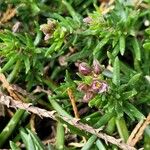
Spergula rupicola
Rock Sea-spurrey
Care Guide
💧 Water
☀️ Light Full sun
Rock sea-spurrey is a perennial herbaceous species that prefers sunny conditions and is native to open habitats, commonly flourishing in meadows and grasslands. It favors full sun but can also tolerate partial sun.
🌡️ Temperature 15–35°C
Rock sea-spurrey can tolerate a wide range of temperatures, but its distribution may still be restricted by different combinations of moisture and heat. It does best in warm summer climates with sufficient rainfall or irrigation. Extended stretches of cloudy, rainy weather, as well as prolonged high temperatures, can raise the chance of Rock sea-spurrey dying. In winter, adequate protection from cold can increase the plant's survival rate.
💨 Humidity
🪴 Soil 6-8
🌱 Fertilizer
One application of fertilizer in spring is generally enough for Rock sea-spurrey, though repeated feedings can enhance growth. Apply fertilizer about once a month to once every month and a half. Fertilizing improves the leaves' appearance and performance, supporting even color and a healthy texture. It also encourages root development and nutrient uptake for lasting plant health.
🪴 Pot & Repot
✂️ Pruning
🌿 Propagating
🐛 Diseases & pets
☠️ Toxicity
Characteristics
- Plant Type
- Herb
- Life Cycle
- Perennial
- Genus
- Spergula
- Family
- Caryophyllaceae
- Hardiness Zone
- 7-10
- Mature Height
- 5 cm to 15 cm
- Mature Spread
- 10 cm to 30 cm
- Leaf Color
- Dark Green
- Leaf Type
- Deciduous
- Flower Color
- Pink, White
- Flower Size
- 0.51 cm to 0.76 cm
- Bloom Time
- Late spring, Early summer, Mid summer
- Planting Time
- Spring, Summer, Autumn, Winter
- Harvest Time
- Mid summer, Late summer, Early fall
- Native Area
- Portugal, Spain, Ireland, United Kingdom, France