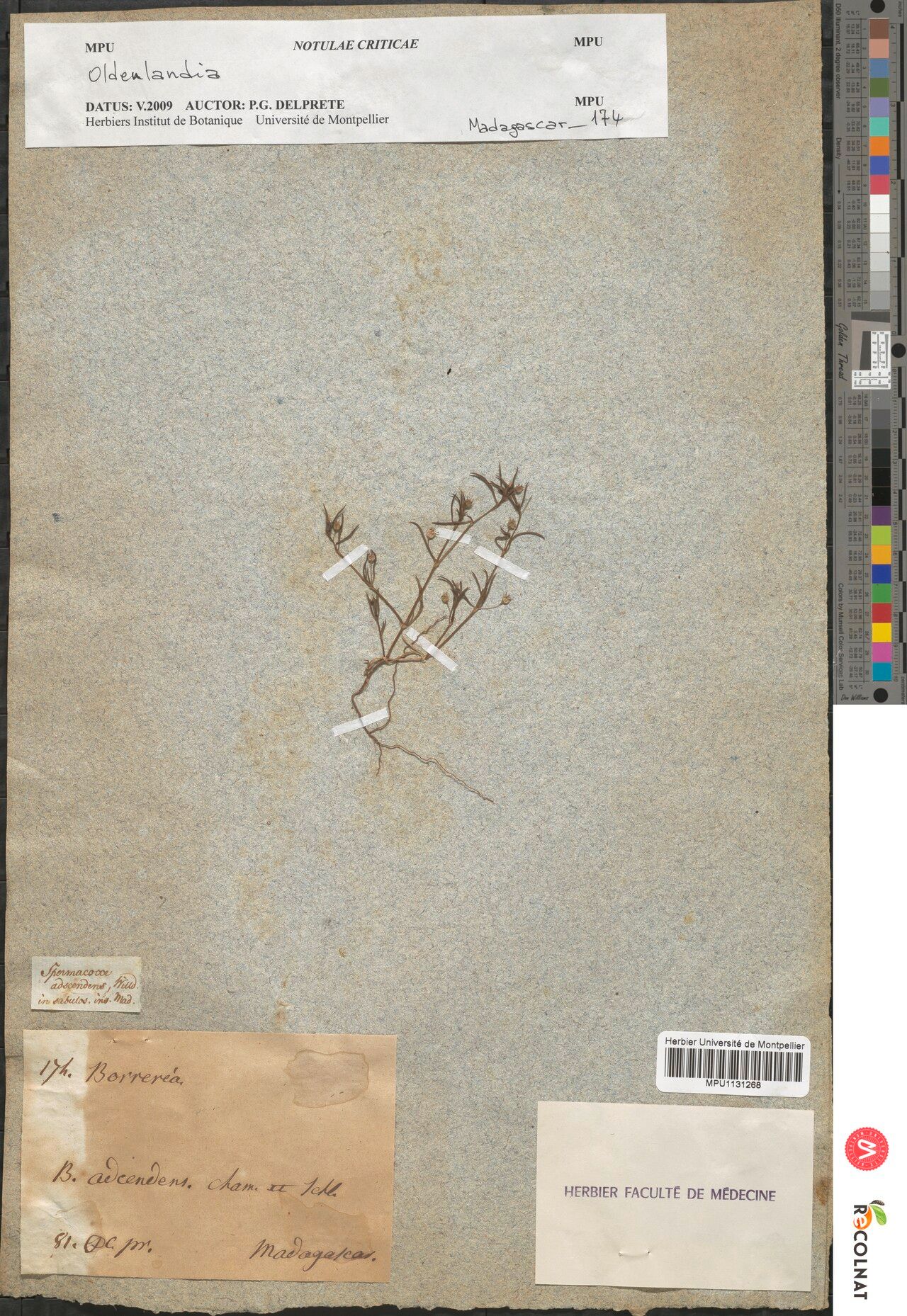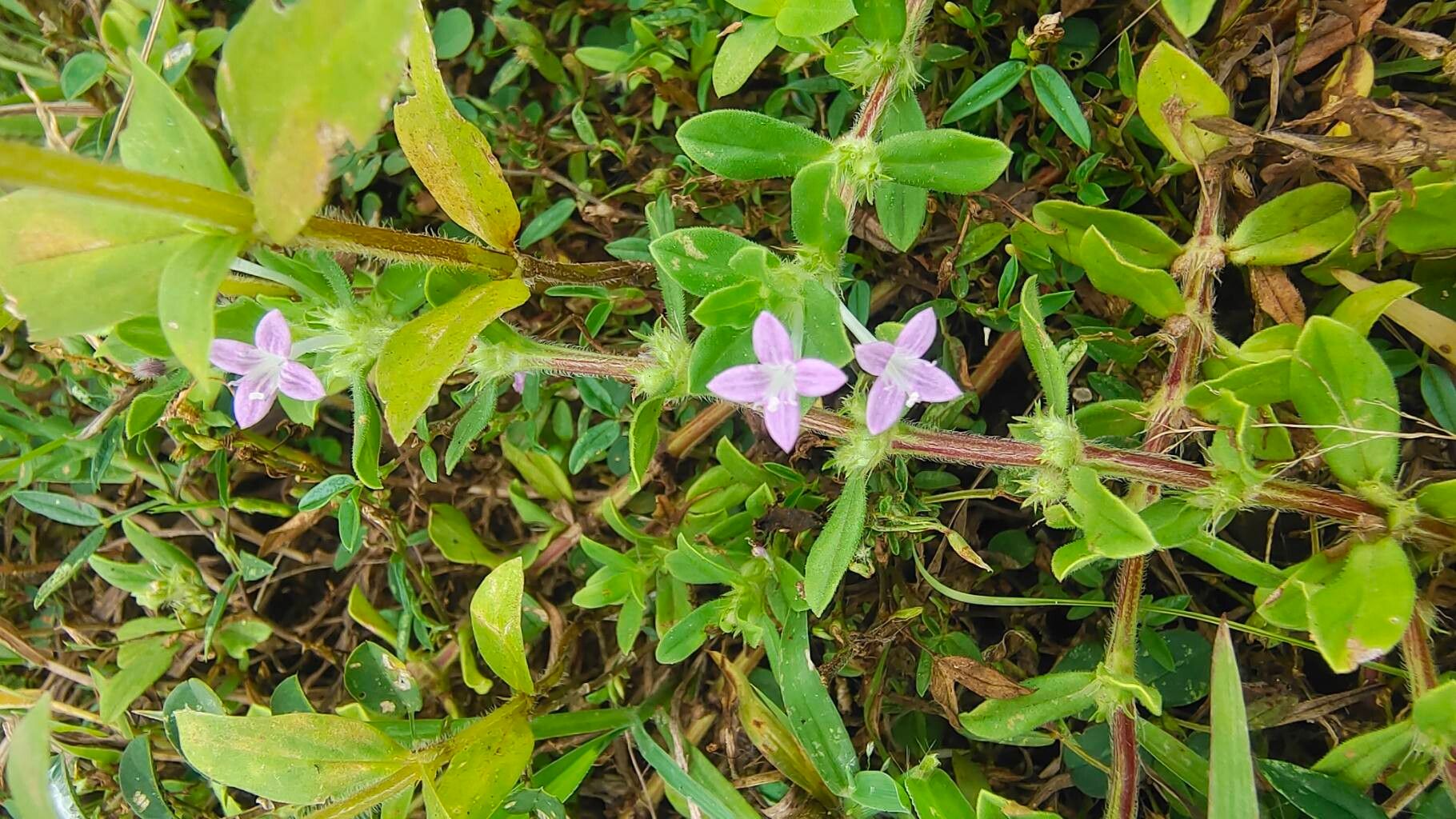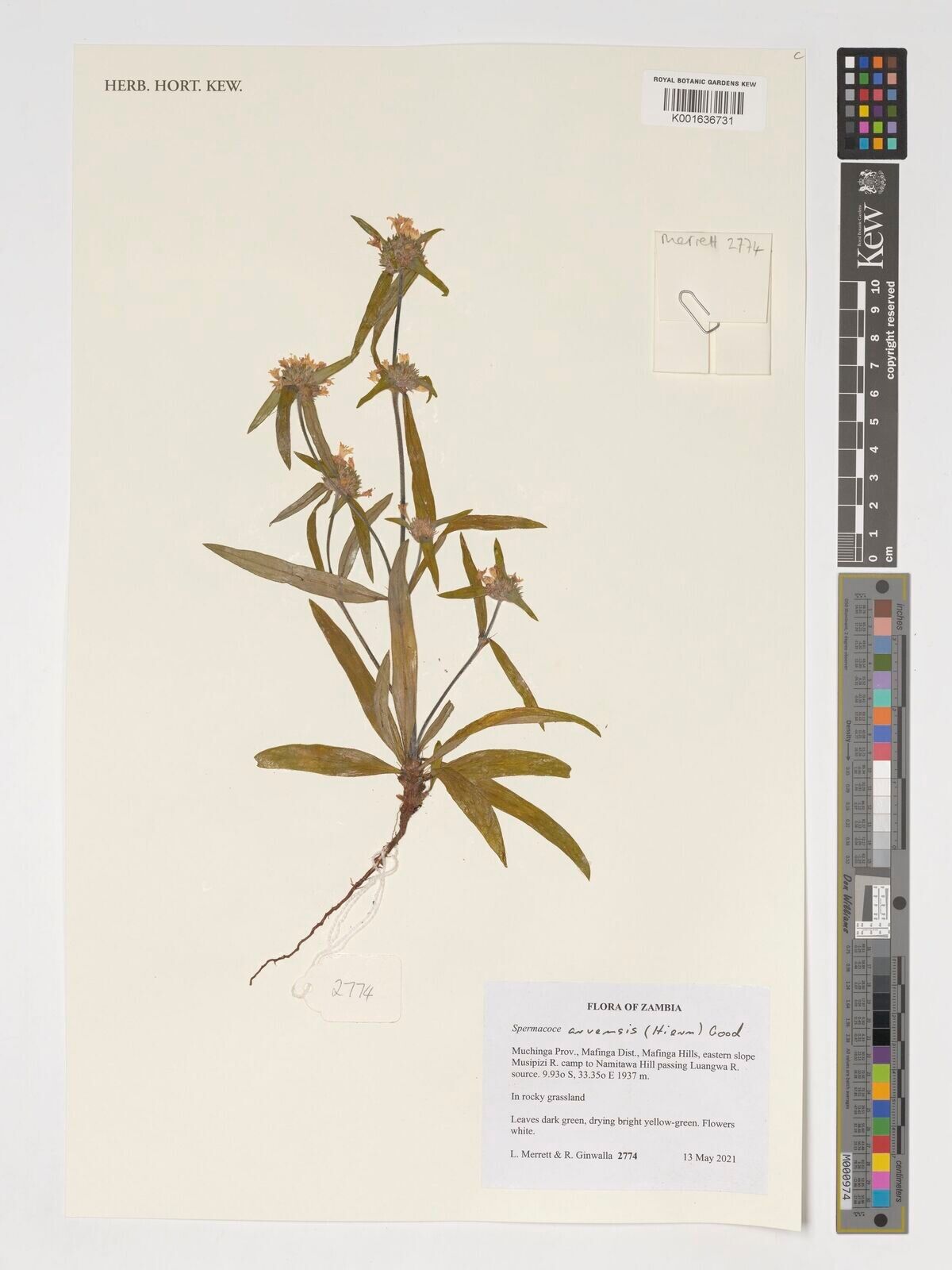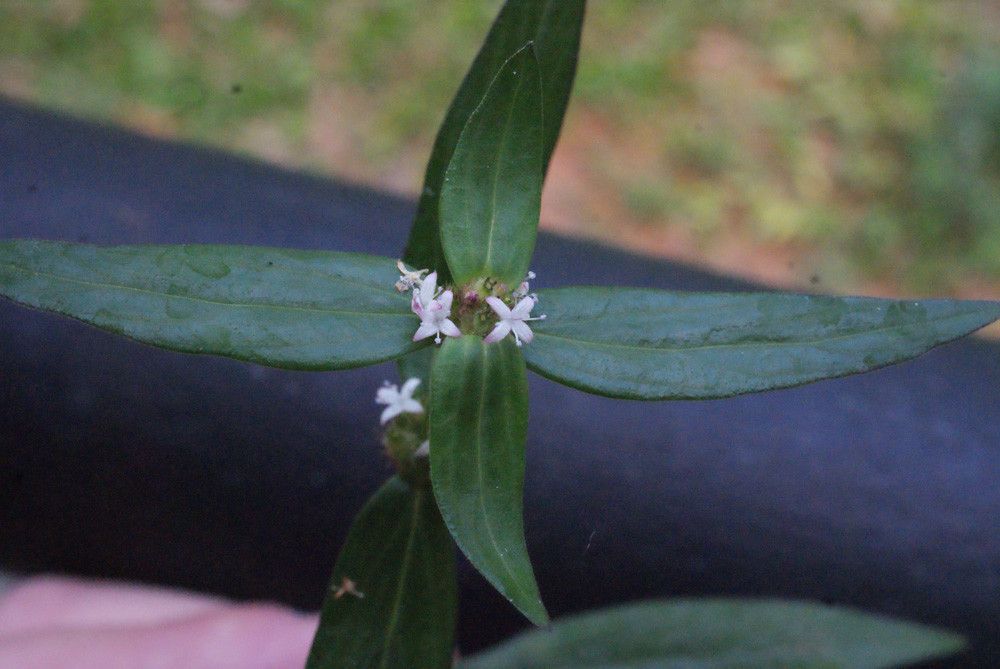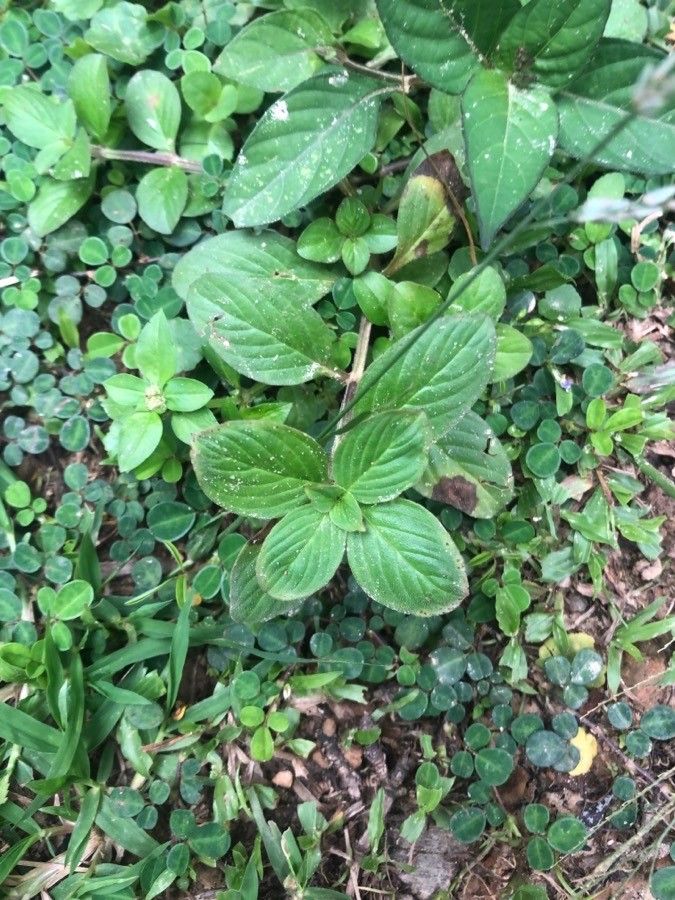
Spermacoce alata, the winged false buttonweed, is a species of plant in the Rubiaceae. It is widespread across the warmer parts of the Western Hemisphere and naturalized in many other parts of the world.
Winged false buttonweed is fairly disease-resistant and usually not prone to illnesses. However, it can be affected by pests and diseases present in its environment; these problems are typically mild. For care, the plant requires moderate maintenance. It should be pruned regularly to maintain a neat appearance and healthy growth. Fertilizing can also encourage flowering. Winged false buttonweed is well suited to people with outdoor spaces like a garden or patio and does not demand extensive gardening experience. It may need more attention if grown indoors.
How to keep Spermacoce Alata.
Light
Winged false buttonweed does best in open, sky-exposed spots where it gets plenty of sunlight. While it can tolerate lower light levels and even completely shaded areas, those situations are not ideal for optimal growth. At every growth stage, consistent exposure to high-energy daylight produces healthier, more vigorous plants. Too much light, however, can be damaging and may cause light burn or stress. Likewise, very low light can lead to poor growth and leaf discoloration.
Water
Winged false buttonweed, a plant native to tropical regions, thrives in consistently moist environments with moderate humidity. To mimic its natural habitat, it's best to water it weekly. During its active growth periods, this resilient plant can efficiently capture rainwater when kept outdoors.
Temperature
Winged false buttonweed comes from tropical areas, where the climate is usually warm and humid. Consequently, it is well suited to high heat and humidity. It does not tolerate abrupt temperature swings and prefers a steady thermal environment, so avoiding indoor temperature fluctuations is important. It generally cannot withstand cold and needs warmer temperatures to grow. If ambient temperatures fall too low, the plant may stop growing or die.
Fertilizer
Winged false buttonweed needs the most fertilizer during its active growth period, which takes place mainly in spring, summer, and early fall. Fertilizing supplies essential nutrients that the soil may be missing, supporting healthy root and stem growth as well as attractive foliage, which is a key feature of this particular plant.
Pruning
Winged false buttonweed has distinctive winged stems and small white flowers. For optimal care, it benefits from pruning from early to late spring. Key practices include removing dead stems and thinning the plant to improve airflow. Regular pruning helps control its invasive nature, enhances its aesthetic appeal, and promotes healthier growth. Always use clean tools and avoid excessive cutting.
Botanical profile.
- Plant Type
- Herb
- Life Cycle
- Perennial
- Genus
- Spermacoce
- Family
- Rubiaceae
- Hardiness Zone
- 9-11
- Mature Height
- 3.05 m
- Mature Spread
- 20 cm to 40 cm
- Leaf Color
- Green, Blue
- Leaf Type
- Evergreen
- Flower Color
- White
- Flower Size
- 0.51 cm to 1.52 cm
- Bloom Time
- All year round
- Planting Time
- Spring, Summer, Autumn
- Harvest Time
- All year round
Other names.
Reader questions.
What are the sunlight requirements for Winged False Buttonweed?
Winged False Buttonweed thrives under full sun conditions, requiring more than 6 hours of sunlight daily for optimal growth. It can also grow under partial sun and full shade conditions, which means about 3-6 hours of sunlight. It's vital to observe the movement of sunlight through your garden to ensure your plants receive the ideal balance of light and shade, fostering their health and happiness.
How does sunlight exposure affect the growth of Winged False Buttonweed?
Sunlight plays a crucial role in the growth of Winged False Buttonweed. This plant excels under sky-exposed conditions, benefiting from abundant solar light. Although it can survive in environments with less light or complete shade, such conditions are not ideal and can hinder its growth. Constant exposure to daylight contributes to a healthier, more vigorous plant. However, excessive sunlight can cause light burns or stress, while insufficient light may result in poor growth and leaf discoloration. Artificial lighting, such as LED lights, can supplement sunlight for indoor plants, promoting better growth by providing necessary light wavelengths.
What are the signs of inadequate sunlight exposure in Winged False Buttonweed?
Inadequate sunlight exposure in Winged False Buttonweed results in several symptoms. New leaves may grow smaller, and the plant can become leggy or exhibit sparse growth due to elongated spaces between leaves or stems. Early leaf drop is another symptom, as the plant may shed older leaves sooner to conserve resources for new growth. Additionally, growth can slow down or halt, and new leaves might appear lighter in color or develop chlorosis (yellowing) from insufficient sunlight. Excessive sunlight exposure can lead to symptoms like sunscald, leaf curling, wilting, and leaf scorching.
How can I mitigate the effects of inadequate sunlight on Winged False Buttonweed?
To mitigate the effects of inadequate sunlight on Winged False Buttonweed, gradually increase sunlight exposure. For indoor plants, move them to a sunnier location each week until they receive at least 6 hours of direct sunlight daily, using a south-facing window for maximum exposure. Artificial lighting can also be beneficial, especially for large plants or those not easily relocated. Outdoors, adapt plants to brighter conditions by moving them gradually to prevent sunburn. Addressing obstructions, like pruning trees that shade your plants, and considering transplantation during the plant's dormant period to sunnier spots can also improve light access. It's essential to note that parts of the plant affected by low light might not recover, but new growth should be healthy with improved lighting.