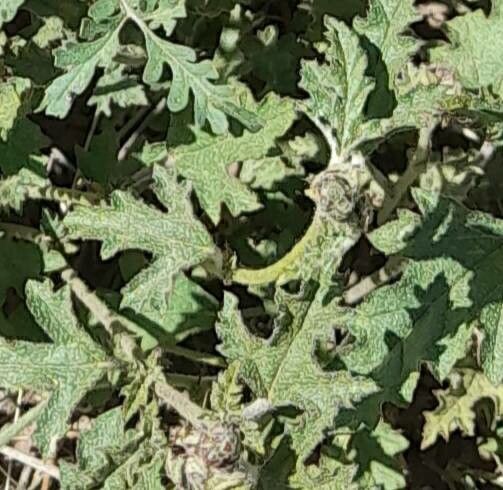
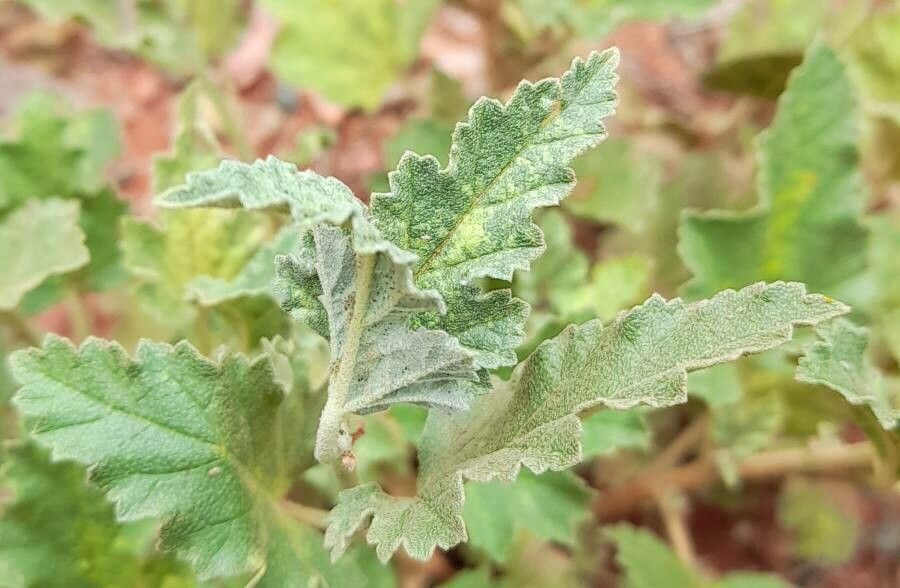
Sphaeralcea bonariensis, commonly known as the Brazilian globemallow or apricot mallow, is a perennial flowering plant belonging to the Malvaceae family. Native to South America, it can be found in Argentina, Brazil, Paraguay, and Uruguay.
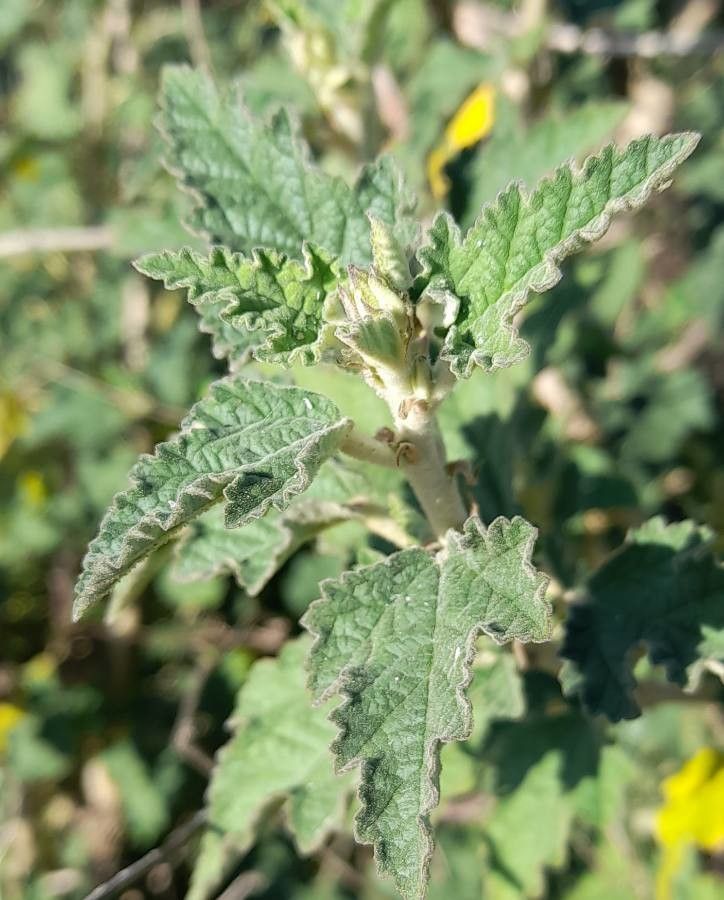
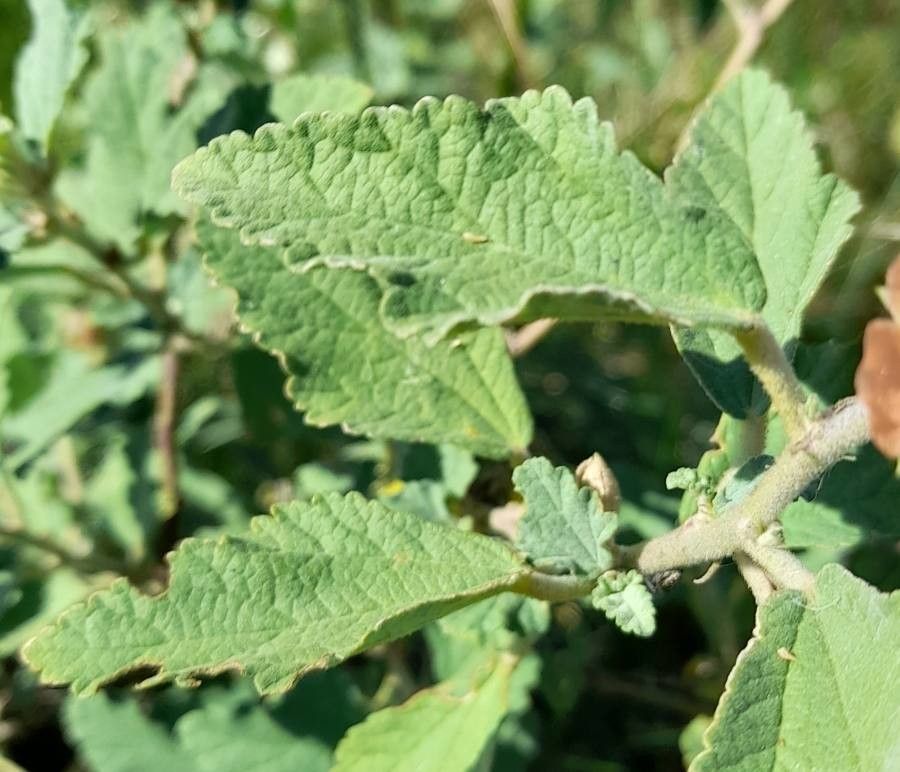
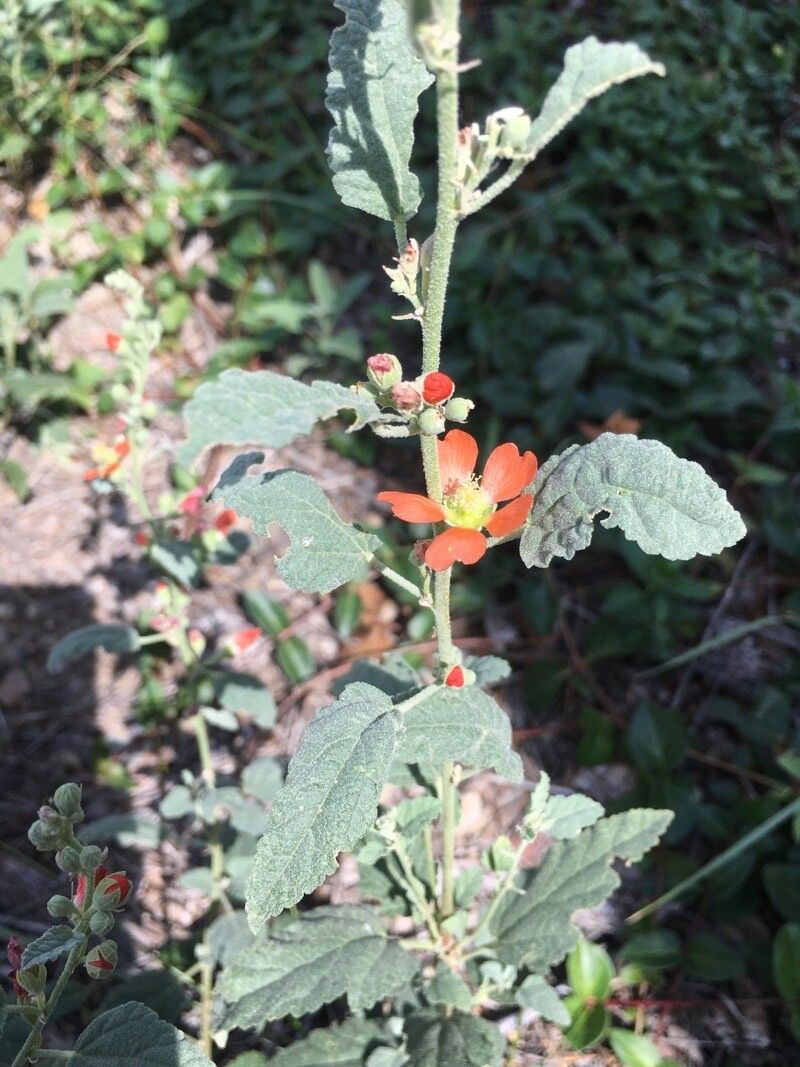
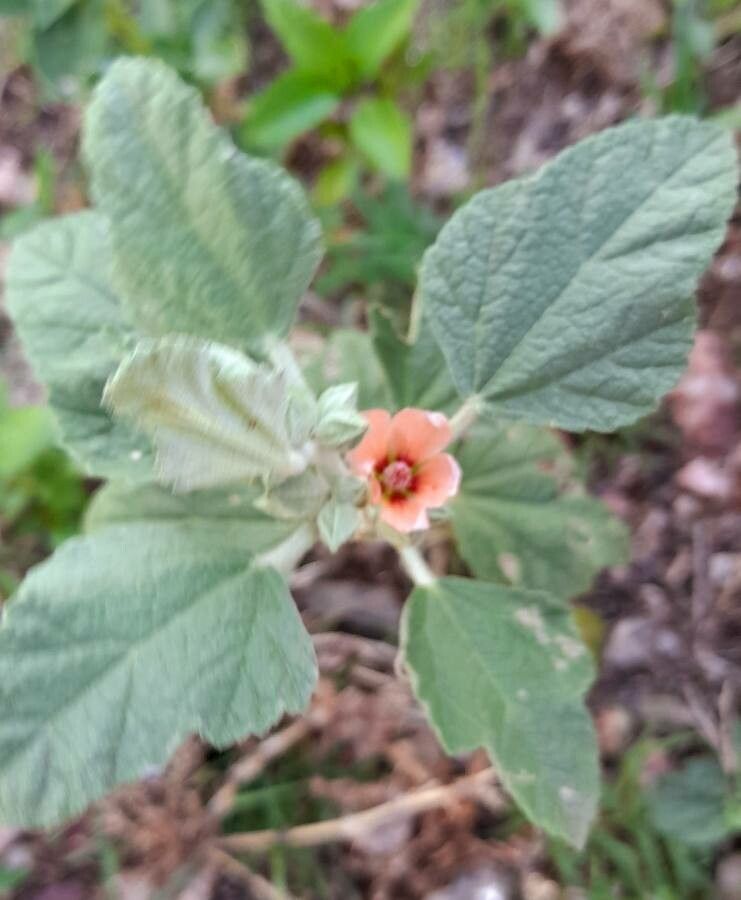
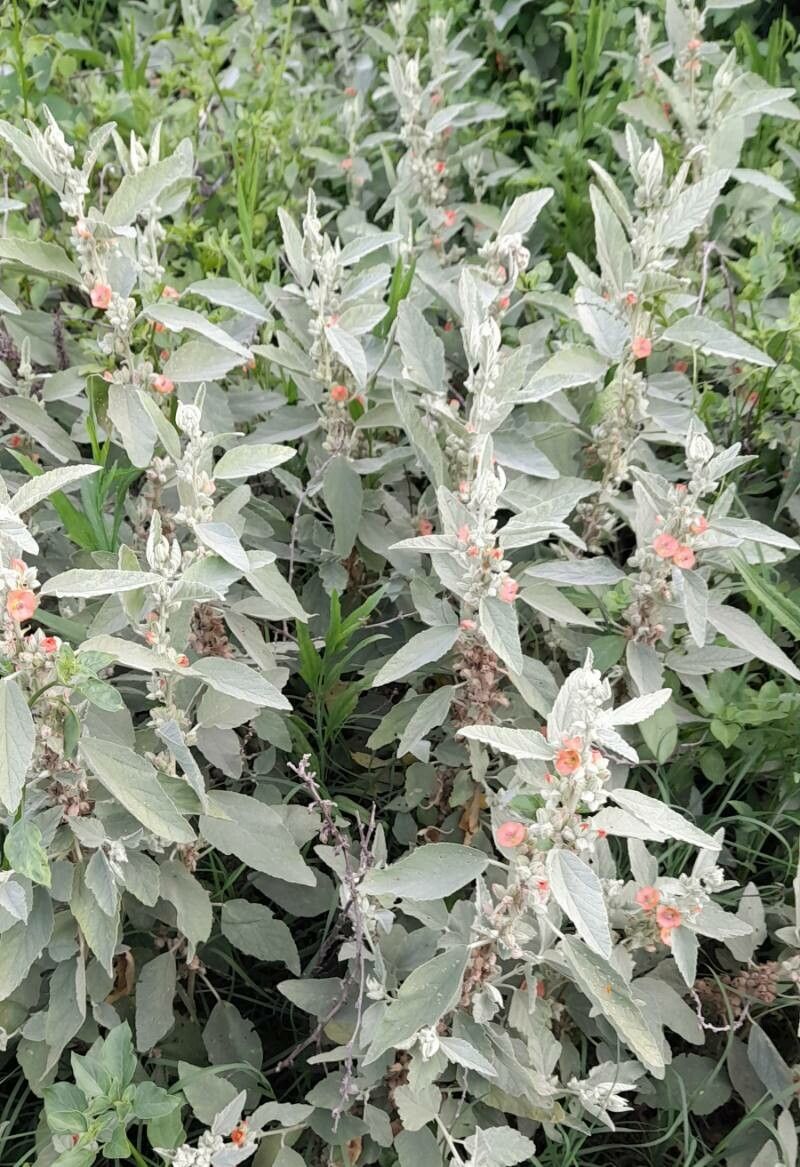
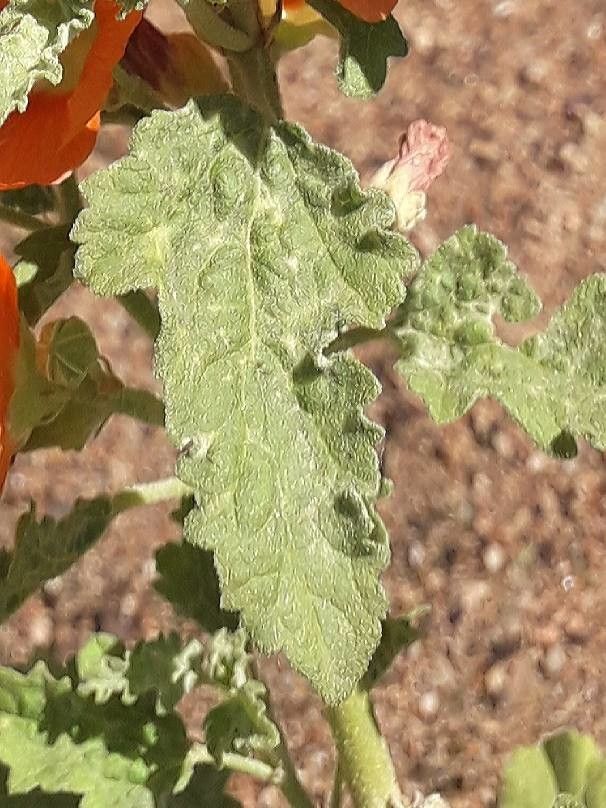
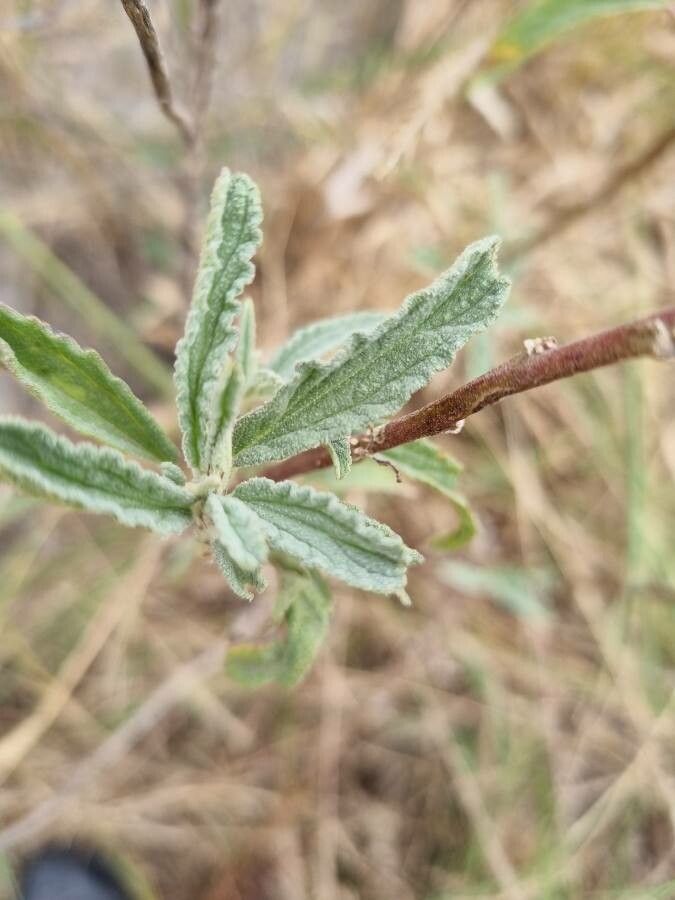
The plant grows up to 1 meter tall and exhibits a bushy habit with grey-green leaves covered in fine hairs. Its flowers are vibrant orange or apricot-colored, featuring five petals that form cup-shaped blooms approximately 2-3 cm wide. These blossoms appear from late spring through summer.
Sphaeralcea bonariensis is drought-tolerant and thrives in well-drained soil with full sun exposure, though it can also endure partial shade. It attracts bees, butterflies, and other pollinators, making it an excellent addition to any garden.
Indigenous peoples have used the plant's anti-inflammatory properties for centuries to treat respiratory issues such as coughs and bronchitis.
Overall, Sphaeralcea bonariensis is an attractive ornamental plant that not only enhances the aesthetic appeal of gardens but also offers medicinal benefits, making it an excellent choice for both beauty and practicality.
Latin globemallow is fairly disease-resistant and usually not prone to illness. However, it can be affected by pests and diseases present in its environment. These issues are typically mild. Regarding care, the plant needs moderate maintenance. Regular pruning is necessary to keep it looking good and to support healthy growth. Fertilizing can also encourage flowering. Latin globemallow works well for anyone with outdoor space, like a garden or patio, and does not demand extensive care experience. It may need more attention if grown indoors.
How to keep Sphaeralcea Bonariensis.
Light
The Latin globemallow is a perennial herbaceous plant that favors sunny locations and originates from open habitats, commonly growing in meadows and grasslands. It prefers full sun but can also tolerate partial sun.
Temperature
Latin globemallow shows good temperature adaptability, tolerating higher heat and wide temperature swings. In hot conditions, care should be taken with irrigation and providing adequate shade to avoid sunburn. On the other hand, Latin globemallow is relatively sensitive to cold. While it can endure some cold, extremely low temperatures can cause frost damage.
Fertilizer
The best time to fertilize a Latin globemallow is in early spring, as it emerges from dormancy and starts active growth. Fertilization supplies essential nutrients for healthy development. Although Latin globemallow needs relatively little fertilizer, applying it annually can improve its survival and encourage better, longer-lasting flowers.
Pruning
Latin globemallow benefits from pruning each year in early spring. This practice encourages new growth and vibrant blooms. Concentrate on cutting away dead stems and trimming back old wood to enhance the plant's health and prevent overcrowding. Be sure to use clean, sharp tools for the best results throughout the growing season.
Botanical profile.
- Plant Type
- Herb
- Life Cycle
- Perennial
- Genus
- Sphaeralcea
- Family
- Malvaceae
- Hardiness Zone
- 8-11
- Mature Height
- 0.91 m to 1.52 m
- Mature Spread
- 61 cm to 91 cm
- Leaf Color
- Green, Dark Green
- Leaf Type
- Deciduous
- Flower Color
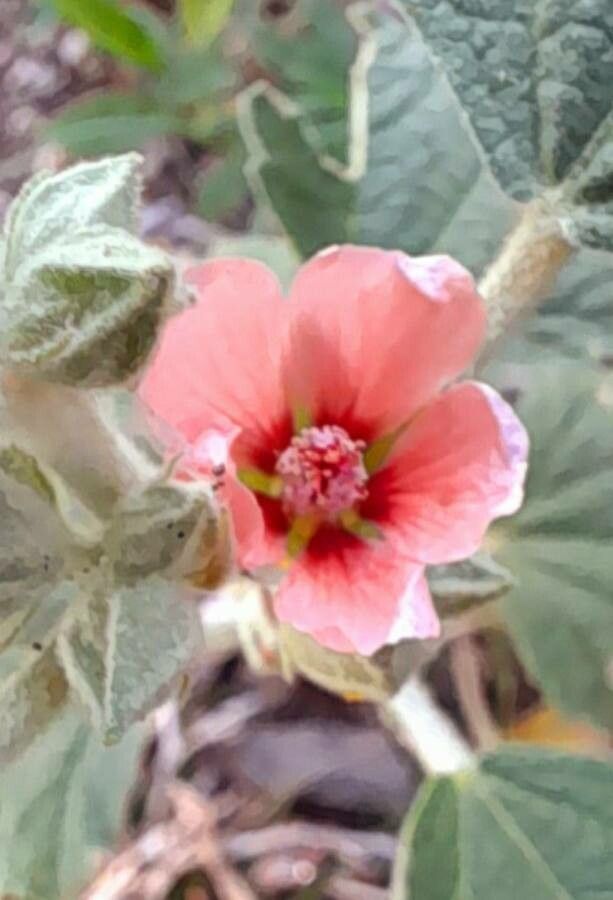
- Pink
- Flower Size
- 3.05 cm to 5.08 cm
- Bloom Time
- Summer, Fall
- Planting Time
- Spring, Summer
- Harvest Time
- Late summer, Fall, Early winter
- Native Area
- Bolivia
Other names.