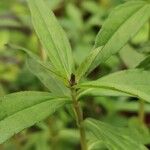
Sphagneticola calendulacea
Chinese wedelia
Description
Source: leafsnapSphagneticola calendulacea is a flowering plant species in the genus Sphagneticola. S. calendulacea produces wedelolactone and demethylwedelolactone.
💡 The Chinese wedelia, a type of wild chrysanthemum, is known for its remarkable resilience. Once it takes root, it quietly creates its own thriving ecosystem.
🌳 It can be planted as a ground cover plant.
🎭 Unwavering loyalty
Care Guide
💧 Water
Chinese wedelia, native to tropical regions, thrives in high humidity and consistently moist conditions. It prefers soil that is evenly moist yet well-drained. To support its lush, evergreen growth outdoors, it requires weekly watering during the growing season and careful attention to maintain its optimal health.
☀️ Light Full sun
Chinese wedelia thrives when exposed to full sunlight, although it is tolerant of dimmer conditions and areas with very little light. The strength of light promotes healthy growth and affects the color of the leaves. Both excessive and insufficient light can impede its growth.
What are the sunlight requirements for Chinese wedelia (Sphagneticola calendulacea)?
Chinese wedelia thrives best in full sunlight, requiring more than 6 hours of sunlight per day to flourish. However, it can also grow in partial sun and full shade conditions, which is about 3-6 hours of sunlight daily. It is crucial to observe how sunlight moves through your garden throughout the day to choose the best spots that provide an optimal balance of light and shade for the plant. Adequate sunlight intensity is vital for the plant's healthy growth and leaf coloration, and both too much and too little light can adversely affect its growth.
How can artificial lighting be used for Chinese wedelia?
When natural sunlight is insufficient, especially during winter or in less sunny spaces, artificial lighting becomes a crucial solution for Chinese wedelia's growth. It's recommended to use LED lights, which can be customized to provide specific wavelengths of light that plants need. For full sun plants, 30-50W/sq ft of artificial light is required, partial sun plants need 20-30W/sq ft, and full shade plants require 10-20W/sq ft. The light source should be placed 12-36 inches above the plant to mimic natural sunlight, and most plants need 8-12 hours of light per day.
What are the symptoms of light deficiency in Chinese wedelia?
Symptoms of light deficiency in Chinese wedelia include smaller new leaves compared to mature ones, leggy or sparse growth, faster leaf drop, slower or ceased new growth, lighter-colored new leaves, chlorosis (leaves turning yellow), sunscald (damage from intense sunlight exposure), leaf curling (a defense mechanism against excessive sunlight), wilting (loss of turgor pressure), and leaf scorching (brown, dry edges on leaves). These symptoms indicate that the plant is not receiving enough light, which can severely impact its health and growth.
What solutions can be applied to address Chinese wedelia's light deficiency?
To combat light deficiency in Chinese wedelia, gradually move the plant to a sunnier location each week until it receives at least 6 hours of direct sunlight daily. Using a south-facing window and keeping curtains open during the day can maximize sunlight exposure. If moving the plant isn't feasible, consider using artificial light sources, such as a desk or ceiling lamp for at least 8 hours daily or professional grow lights for adequate illumination. Gradually adjusting the plant to increased sunlight and reducing obstructions, such as pruning trees or relocating the plant, are also effective strategies. Note that parts of the plant already affected may not recover, but new growth should be healthy following these adjustments.
🌡️ Temperature 20–37.8°C
The optimal temperature range for chinese wedelia is 68 to 100 ℉ (20 to 38 ℃). It performs well across a broad span of temperatures and can endure warm, humid conditions. In warmer months, it is advisable to give it plenty of water and some shade to guard against excessive heat stress.
What is the optimal temperature range for growing Chinese wedelia?
The optimal temperature range for growing Chinese wedelia, also known botanically as Sphagneticola calendulacea, is between 68°F to 100°F (20°C to 38°C). This plant is extremely adaptable to a wide range of temperatures and thrives well in both warm and humid conditions. During the hotter months, it is crucial to provide it with sufficient water and some shade to protect it from excessive heat stress. It is important to note that Chinese wedelia loves heat, and exposure to cold can harm it. In colder months, particularly during autumn, it is advisable to bring outdoor plants indoors and place them near a window with plenty of light but away from direct heat sources like heaters. Keeping the temperature above 20°C during the winter will support the plant's health, whereas temperatures close to freezing (0°C) can negatively affect the plant.
How should you care for Chinese wedelia in low temperatures?
Chinese wedelia prefers warm environments and does not tolerate low temperatures well. It performs best when the temperature remains above 20°C. To protect the plant during winter, ensure it is kept in conditions warmer than 0°C. Exposure to temperatures below -5°C can cause the leaves to lighten in color, followed by turning brown or black after frost damage, accompanied by wilting and drooping. To counteract frost damage, it is recommended to trim off the affected parts and move the plant to a warmer indoor setting promptly. Positioning the plant near a south-facing window can ensure it gets enough sunlight while avoiding the placement near heaters or air conditioners to prevent air dryness.
What care is needed for Chinese wedelia in high temperatures?
During the summer months, it is essential to ensure that the temperature for Chinese wedelia remains below 38°C to prevent heat stress. Should the temperature rise above 43°C, the leaves of the plant may lighten, and it becomes more prone to sunburn. To manage the effects of high temperature and sunburn, trim away any sunburned or dry parts of the plant. Relocating the plant to a shaded area, especially away from the harsh midday and afternoon sun, can help mitigate stress. It's also beneficial to water the plant in the morning and evening to maintain soil moisture, aiding in its recovery and growth during high temperature periods.
💨 Humidity
🪴 Soil 6-7
🌱 Fertilizer
Chinese wedelia needs the most fertilizer during its active growth period, which is mainly in spring, summer, and early fall. Fertilizing provides essential nutrients the soil may lack, supporting healthy root and stem development and attractive foliage, a key characteristic of this plant.
🪴 Pot & Repot 2-3 years
When repotting Chinese wedelia, pick a pot 1-2 inches (2.5–5.1 cm) larger with good drainage. Use a well-draining potting mix. Repot in spring or fall, making sure the root ball sits slightly below the rim of the flower pot. Water thoroughly after repotting and place it in a warm spot with indirect sunlight.
✂️ Pruning
Chinese wedelia showcases vibrant yellow flowers and has a sprawling growth habit. To encourage new growth and maintain its shape, prune the plant from early to late spring. Cut back overgrown stems and remove any dead foliage. This will promote denser growth, enhance flowering, and help prevent the plant from becoming invasive.
🌿 Propagating
🐛 Diseases & pets
☠️ Toxicity
Characteristics
- Plant Type
- Herb, Vine
- Life Cycle
- Perennial
- Genus
- Sphagneticola
- Family
- Asteraceae
- Hardiness Zone
- 9-11
- Mature Height
- 49 cm to 76 cm
- Mature Spread
- 49 cm to 91 cm
- Leaf Color
- Yellow
- Leaf Type
- Evergreen
- Flower Color
- Yellow
- Flower Size
- 2.03 cm to 2.54 cm
- Bloom Time
- All year round
- Planting Time
- Spring
- Harvest Time
- All year round
- Native Area
- Sri Lanka, India, Indonesia, Cambodia, Vietnam, Myanmar, Japan, Philippines, Bangladesh, Laos, South Korea, Thailand, China