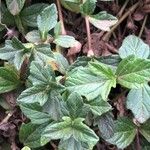
Sphagneticola trilobata
چشم گاوى خزنده · Wedelia · Singapore daisy · Creeping Daisy · చిట్టి చామంతి
Description
Source: leafsnapSphagneticola trilobata, commonly known as Wedelia or Bay Biscayne creeping-oxeye, is a fast-growing perennial plant that belongs to the Asteraceae family. Native to Central and South America, it has been introduced and naturalized in many tropical and subtropical regions worldwide. The plant has a prostrate growth habit with stems that can reach up to 2 meters in length. Its small, triangular-shaped leaves have toothed margins and are alternately arranged along the stem. The flowers are yellow-orange and about 2 cm in diameter. Sphagneticola trilobata is often used as an ornamental ground cover due to its rapid growth and attractive flowers. However, it is also considered an invasive species because of its ability to spread rapidly through vegetative propagation. Traditionally, the plant has been used for medicinal purposes, such as treating skin infections, wounds, and reducing fever, although there is limited scientific evidence supporting these claims. Overall, Sphagneticola trilobata is an interesting plant species that offers ornamental value but poses a risk of becoming invasive. It can grow prolifically without control measures, potentially impacting local ecosystems. Proper management practices are essential to prevent it from spreading uncontrollably.
🌳 Bay biscayne creeping oxeye is often an underappreciated asset in ecological restoration and erosion control. Its thick mats of foliage function as a groundcover that stabilizes soil in erosion-prone areas. It is also prized for its sun-yellow flowers in ornamental landscaping. Unexpectedly, it can take up heavy metals, indicating a potential role in phytoremediation efforts.
Care Guide
💧 Water Every 3 days
Bay Biscayne creeping oxeye is native to tropical regions, where it thrives in high humidity and consistent moisture conditions. For optimal growth, it benefits from weekly watering, although it becomes moderately drought-tolerant once established. Typically grown outdoors, this plant does best when its soil moisture is carefully monitored during the active growing season.
How should I water my Bay biscayne creeping oxeye plant?
To properly care for the Bay biscayne creeping oxeye plant, it is best to use filtered water at room temperature. Tap water may contain harmful particles. The plant is used to a warm environment, so avoid using cold water as it can be a shock. Additionally, do not water from above to prevent foliage issues. Instead, thoroughly soak the soil using filtered room temperature water. This helps moisten the roots and allows them to spread and absorb necessary nutrients.
What should I do if I give my Bay biscayne creeping oxeye plant too much water or too little water?
Overwatering is a common issue for the health of Bay biscayne creeping oxeye plants. If you overwater, the stems and leaves may wilt and turn yellow. Overwatering can also lead to diseases like root rot, mold, and mildew, which can kill the plant. Underwatering is less likely, as these plants can tolerate drought. However, if underwatering occurs, the leaves may become brittle and brown. It's important to recognize signs of overwatering early. Some diseases caused by overwatering, like root rot, may be irreversible if not addressed promptly. If you notice signs of overwatering, reduce your watering schedule and check the soil's drainage. Replace poorly draining soil with a loose, well-draining potting mix. If your plant is not receiving enough water, simply increase your watering frequency until the signs improve.
How often should I water my Bay biscayne creeping oxeye plant?
If your Bay Biscayne creeping oxeye plant is in a pot, you can check if it needs water by sticking your finger in the soil. If the top two to three inches of soil feel dry, then it's time to water it. If you have the plant growing outdoors in the ground, the same method can be used. Check if the top few inches of soil are dry, and if so, water the plant. Usually, during spring and early fall, you will need to water this plant about once a week using this method. However, in very hot weather, you may need to water it twice or even more frequently in a week. It's worth noting that well-established Bay Biscayne creeping oxeye plants can tolerate drought well.
How much water does my Bay biscayne creeping oxeye plant need?
To properly water your Bay biscayne creeping oxeye, don't hesitate to give it a generous amount of water. Wait until the top 2 to 3 inches of soil are dry before watering, and make sure to thoroughly soak the entire soil. The water should be enough to cause excess water to drain out from the bottom of the pot. If you don't see any excess water draining, you may not have given enough water. However, be cautious not to let water accumulate in the soil, as this can be harmful to the plant. On the other hand, if the water doesn't drain properly, it could indicate poorly draining soils, which is not good for the health of the plant. When the plant is outdoors, receiving about 1 inch of rain per week should be sufficient.
How do I water my Bay biscayne creeping oxeye at different times when it is growing?
The water requirements of the Bay biscayne creeping oxeye can vary depending on its growth stages. In the first few years of its life or after transplanting, it will need more water to support the growth of new roots for future development. These young roots perform best with a bit more moisture. As the plant matures over a few seasons, it will require less water. Additionally, during the bloom period, extra water may be needed as flower development utilizes a significant amount of moisture.
☀️ Light Full sun
Bay biscayne creeping oxeye does best in locations that receive sunlight for most of the day. Although it can adapt to areas with reduced sun, it attains its most vigorous growth under full sun. Insufficient light can cause stunted growth, while too much exposure may lead to scorched leaves. Its origin in bright environments is consistent with this affinity for sunlight.
What are the sunlight requirements for Bay Biscayne creeping oxeye (Sphagneticola trilobata)?
Bay Biscayne creeping oxeye thrives in areas with significant sun exposure, requiring full sun, defined as above 6 hours of sunlight daily, for vigorous growth. It can adapt to partial sun, which is about 3-6 hours of sunlight, but optimal growth occurs under full sun conditions. Inadequate light may lead to stunted growth and overexposure could risk leaf scorch. Its origins from brightly-lit environments necessitate a balance of light for healthy growth. When natural sunlight is insufficient, particularly in spaces that get less sun in winter, artificial lighting can provide a suitable alternative, supporting the plant's growth needs.
What symptoms indicate Bay Biscayne creeping oxeye isn't getting enough sun?
Symptoms of insufficient sunlight in Bay Biscayne creeping oxeye include smaller new leaves, leggy or sparse growth, accelerated leaf drop, delayed growth or a complete halt, lighter-colored new leaves, and symptoms of overexposure like chlorosis, sunscald, leaf curling, wilting, and leaf scorching. These signs suggest the plant is either not receiving enough light or is being exposed to too much direct sunlight, impacting its health and development.
How can I address light-related issues in Bay Biscayne creeping oxeye?
To optimize Bay Biscayne creeping oxeye's growth in relation to light, gradually increase its exposure to sunlight to achieve a minimum of 6 hours daily. This can be done by moving the plant closer to a south-facing window or using artificial lighting for plants that are large or difficult to move, ensuring they're lit for at least 8 hours a day. Outdoors, plants should be moved progressively to sunnier spots to prevent shock. Indoor solutions include reducing obstructions to sunlight and considering grow lights. Affected parts may not recover, but new growth should be healthy with adjusted light exposure.
🌡️ Temperature 20–37.8°C
Bay biscayne creeping oxeye comes from tropical regions, where the climate is usually warm and humid. Consequently, it is well-suited to high heat and moisture. It does not tolerate sudden temperature shifts and favors a stable thermal environment, so avoiding temperature fluctuations indoors is important. It generally cannot endure cold temperatures and needs warmer conditions to develop. If the surrounding temperature becomes too low, the plant may stop growing or even die.
What is the common name of Sphagneticola trilobata?
The common name of Sphagneticola trilobata is Bay biscayne creeping oxeye.
What are the key characteristics of Bay biscayne creeping oxeye?
The information provided does not include specific details on the key characteristics of Bay biscayne creeping oxeye. For comprehensive details, refer to sources that specialize in botanic studies or horticulture.
What are the common symptoms of an unhealthy Bay biscayne creeping oxeye?
There are no symptoms listed for an unhealthy Bay biscayne creeping oxeye in the provided information. For guidance on common issues and their management, consulting resources dedicated to plant health may be beneficial.
💨 Humidity
🪴 Soil 6-7
🌱 Fertilizer
Proper fertilization is essential for the health and appearance of Bay biscayne creeping oxeye. Fertilize Bay biscayne creeping oxeye in summer, applying fertilizer once a month throughout the season. Nutrients support growth and help maintain the plant's tissues. Fertilization improves Bay biscayne creeping oxeye's flower display, helping ensure the best blooms.
Why should I fertilize my Bay biscayne creeping oxeye?
The main structure of the Bay biscayne creeping oxeye is made up of its leaves. To ensure that the leaves look good and function properly, fertilization is essential. Proper fertilization will not only maintain the color and texture of the leaves but also promote the growth of new roots and maintain the existing ones. This will not only keep the plant healthy now but also improve its ability to absorb nutrients from the soil in the future.
When should I fertilize my Bay biscayne creeping oxeye?
If you grow your Bay biscayne creeping oxeye outdoors, it will start growing new leaves in early spring. This is a sign that it's time to fertilize the plant. Usually, one application of fertilizer in the spring is enough for the plant to do well. However, if you want to maximize its growth, you can fertilize it multiple times during the spring and early summer. In this case, you can feed your Bay biscayne creeping oxeye every month or so.
When is it not a good idea to fertilize my Bay biscayne creeping oxeye?
During the late fall and winter, your Bay biscayne creeping oxeye will go into a dormant phase and stop producing new growth. Therefore, it is advisable to avoid fertilizing it during this time. However, if you decide to fertilize it in the spring and summer, it is important to start reducing the amount of fertilizer as summer approaches, since the growth rate of your Bay biscayne creeping oxeye will slow down during that time. It is generally not recommended to fertilize your Bay biscayne creeping oxeye during extremely hot weather or when the soil is excessively dry, as this can cause stress and even premature death of the plant.
What kind of fertilizer does my Bay biscayne creeping oxeye plant need?
Choosing the best fertilizer for a Bay biscayne creeping oxeye is actually quite simple. These plants do well with a general-purpose garden fertilizer that has equal amounts of nitrogen, phosphorus, and potassium, such as a ratio of 10-10-10. To be safe, avoid fertilizers with high levels of nitrogen. The ideal fertilizer for Bay biscayne creeping oxeye usually comes in granular form, with slow-release properties that make it easy to apply to the soil. Additionally, using an organic soil amendment like compost can be beneficial for feeding these plants.
How should I add fertilizer to my Bay Biscayne creeping oxeye?
To ensure optimal growth of your Bay Biscayne creeping oxeye, wait until the first leaves begin to emerge in the early spring. Once you spot this sign, apply a balanced slow-release fertilizer to the soil surrounding the base of the plant. If desired, you can repeat this process later in the season. Remember to apply the fertilizer to the soil rather than directly onto the plant itself. Occasionally, you may need to move some leaves aside to access the soil above the roots. Additionally, it's advisable to water your Bay Biscayne creeping oxeye before and after fertilizing.
🪴 Pot & Repot 2-3 years
Repot your Bay Biscayne creeping oxeye in early spring when it begins to grow vigorously. You should repot this plant every 2-3 years using a shallow, wide container. After repotting, place the plant in a spot with bright, indirect light, and ensure it receives consistent moisture. This low-maintenance plant adapts quickly and requires minimal care after repotting.
✂️ Pruning
The Bay Biscayne creeping oxeye is a hardy perennial that features vibrant yellow flowers, making it an excellent choice for ground cover. To manage its growth, promote good air circulation, and remove any damaged stems, prune the plant in early spring. Regular pruning helps prevent the plant from becoming invasive and keeps it healthy and strong. Additionally, be sure to clean your tools to prevent the spread of disease.
🌿 Propagating
🐛 Diseases & pets
☠️ Toxicity
Characteristics
- Plant Type
- Herb
- Life Cycle
- Perennial, Annual
- Genus
- Sphagneticola
- Family
- Asteraceae
- Hardiness Zone
- 9-11
- Mature Height
- 30 cm
- Mature Spread
- 61 cm
- Leaf Color
- Green
- Leaf Type
- Evergreen
- Flower Color
- Yellow
- Flower Size
- 2.03 cm to 4.06 cm
- Bloom Time
- All year round
- Planting Time
- Spring
- Harvest Time
- All year round
- Native Area
- Belize, Honduras, Mexico, Guatemala, Peru, Panama, Colombia, Bolivia, Venezuela, Guyana, El Salvador, Nicaragua, Brazil, Ecuador, Suriname, Costa Rica