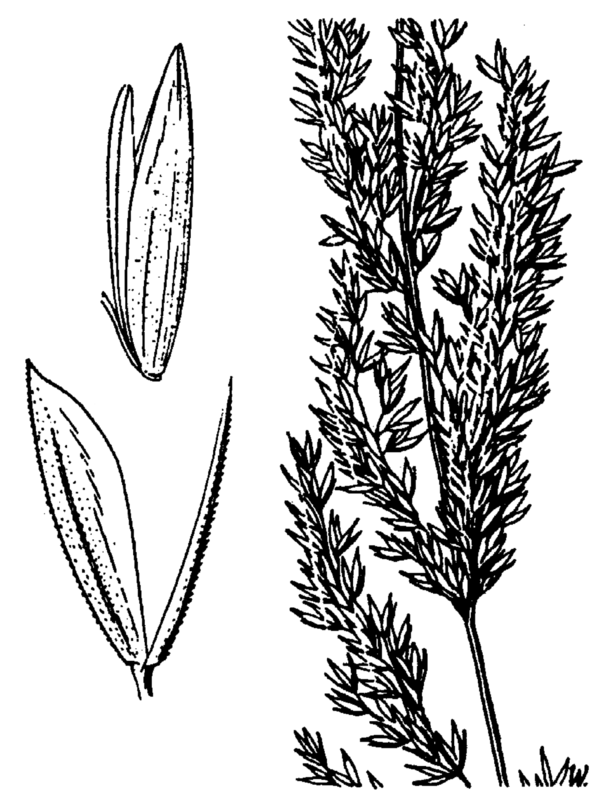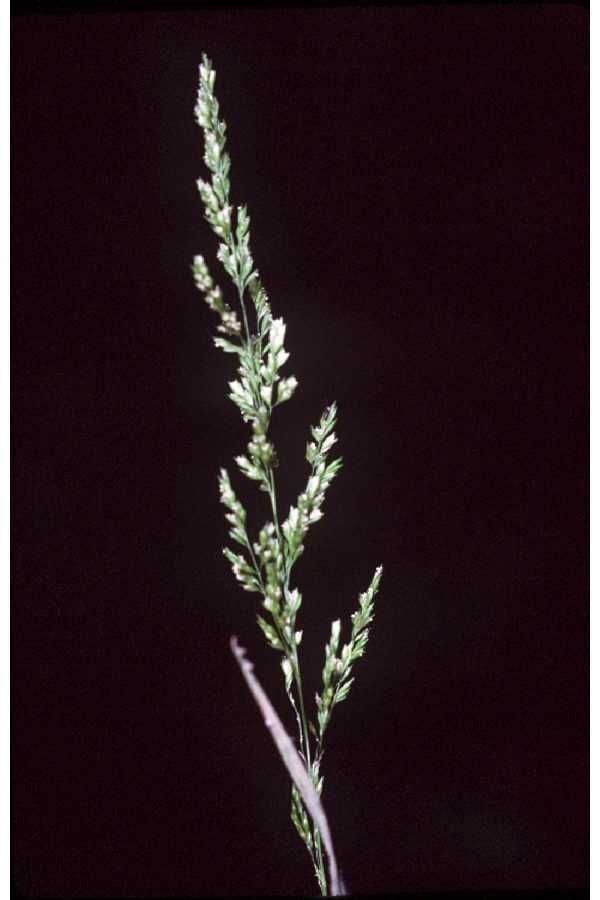
Sphenopholis obtusata is a species of grass known by the common names prairie wedgescale and prairie wedge grass. It is native to North America where it is widespread across southern Canada and the United States. It occurs in many types of habitat, including prairie, marshes, dunes, and disturbed areas.
Prairie wedgescale is resistant to disease and typically not susceptible to illnesses. In terms of care, this plant is fairly low-maintenance. When grown outdoors it needs only minimal watering, and larger plants generally do not require pruning. Smaller plants, however, should be pruned after they finish blooming. Prairie wedgescalet is appropriate for anyone with outdoor space, such as a garden or deck, and does not demand extensive gardening experience.
How to keep Sphenopholis Obtusata.
Light
Prairie wedgescale prospers in places with limited sunlight, doing well without strong light. In its native habitat it grows beneath thick canopies, sheltered from intense sun rays. Excessive light can inhibit its growth, while a shortage of sun does not adversely affect its development.
Water
Prairie wedgescale, a plant native to the North American prairies, thrives in environments with alternating periods of rainfall and dry spells. It is well adapted to occasional droughts and prefers well-drained soil. Watering it once a week mimics its natural growth conditions, helping it remain resilient during its active growing season despite varying precipitation levels.
Temperature
Prairie wedgescale is a native species that does well in temperate climates and prefers an ideal temperature range of 68 to 95 °F (20 to 35 °C). To ensure optimal growth across seasons, temperature adjustments may be required to mimic its native environment.
Fertilizer
Prairie wedgescale needs extra nutrients to encourage healthy new growth. In spring, spreading compost around the base of the plant can effectively supply the nutrition it requires. Fertilizing supports vigorous growth and helps the plant withstand diseases and pests.
Pruning
Prairie wedgescale is characterized by its wedge-shaped seed heads and grass-like appearance. To promote healthy growth, prune the plant in early spring to remove any damaged parts. Use sharp tools for precise cuts, and be careful not to over-trim. Pruning helps control the size, improves air circulation, and enhances the plant's overall vitality.
Botanical profile.
- Plant Type
- Grass
- Life Cycle
- Perennial, Annual
- Genus
- Sphenopholis
- Family
- Poaceae
- Hardiness Zone
- 2
- Mature Height
- 0.3 m to 1.22 m
- Mature Spread
- 30 cm
- Leaf Color
- Light Green, Pale Green
- Leaf Type
- Semi-evergreen
- Flower Color
- Yellow, Green, Brown
- Flower Size
- 5.08 cm to 15.24 cm
- Bloom Time
- Late spring, Early summer, Mid summer
- Planting Time
- Spring, Summer
- Harvest Time
- Mid summer, Late summer, Early fall
- Native Area
- Haiti, Mexico, Georgia, Dominican Republic
Other names.
Reader questions.
What are the sunlight requirements for Prairie wedgescale?
Prairie wedgescale, or Sphenopholis obtusata, thrives in full shade conditions, receiving less than 3 hours of sunlight daily. It grows well in areas with minimal exposure to sunlight, beneath dense canopies in its native habitat. Overexposure to sunlight can impair its growth, but it remains unfazed by the lack of direct sunbeams. When choosing a location for Prairie wedgescale, watch how sunlight moves through your garden and select spots that offer a balance of light and shade, ensuring the plant's well-being.
What is Prairie wedgescale, and where does it thrive?
Prairie wedgescale, botanically known as Sphenopholis obtusata, is a native species that thrives in temperate climates. It prefers an optimal temperature range of 68 to 95 °F (20 to 35 °C) and requires temperature adjustments in different seasons to simulate its native environment for optimal growth. Despite its preference for milder climates, Prairie wedgescale is highly cold-tolerant and does not require additional protection against frost during winter.
How important is artificial lighting for indoor Prairie wedgescale plants?
Artificial lighting is crucial for the growth of indoor Prairie wedgescale plants, especially when natural sunlight is insufficient, such as in winter or less sunny spaces. Adequate artificial lighting promotes faster, healthier growth. LED lights, known for their ability to provide specific wavelengths needed by plants, are recommended. The required intensity varies: full sun plants need 30-50W/sq ft, partial sun plants need 20-30W/sq ft, and full shade plants like Prairie wedgescale need 10-20W/sq ft. The light source should be placed 12-36 inches above the plant, simulating the natural daylight hours, which most plants need for 8-12 hours per day.
How should I care for Prairie wedgescale before the first freeze of autumn?
Before the first freeze in autumn, it is recommended to water Prairie wedgescale generously. This practice ensures that the soil remains moist and enters a frozen state properly. Adequate moisture before freezing helps prevent drought and water scarcity for the plant during the winter and early spring, supporting its health and resilience in cold conditions.
What are the symptoms of inadequate light in Prairie wedgescale?
Prairie wedgescale may display subtle signs of light deficiency, including small leaves, leggy or sparse growth, faster leaf drop, halted growth, and lighter-colored or yellow leaves (chlorosis). Additionally, symptoms like sunscald, leaf curling, wilting, and leaf scorching indicate damage from excessive sunlight. These symptoms occur both outdoors in insufficient light and indoors where light conditions are poor, revealing a plant's struggle to adapt to its lighting environment.
What should I do if winter temperatures drop below -40°C?
Prairie wedgescale is extremely cold-tolerant, but it struggles when winter temperatures fall below -40°C. At these extreme cold temperatures, you may not notice any immediate changes during winter, but there could be a significant decrease in sprouting or even no sprouting during springtime. To manage this, in spring, you should remove any parts of the plant that have failed to sprout.
What solutions can be applied to address light issues for Prairie wedgescale?
To address light issues for Prairie wedgescale, indoor solutions include moving plants to spots with ample filtered light or close to windows for direct morning sunlight. Use artificial light sources like desk or ceiling lamps for at least 8 hours a day, or invest in professional plant grow lights. Outdoors, gradually acclimate plants to sunnier locations to prevent sunburn. Monitor and minimize obstructions like overhanging branches, and consider transplanting smaller plants to sunnier spots with adequate drainage during their dormant period. Note that parts of the plant affected by insufficient light may not recover, but new growth will be healthy once light exposure is increased.
How does Prairie wedgescale react to high temperatures, and what are the solutions?
Prairie wedgescale is not tolerant of high temperatures. When the thermometer climbs beyond 35°C, the plant's growth halts, and it becomes more susceptible to diseases such as rot. If exposed to such conditions, you should trim away the sunburned and dried-up parts of the plant. Moving the plant to a shady location or using a shade cloth can protect it from midday and afternoon sun. Additionally, watering the plant in the morning and evening helps keep the soil moist and supports the plant's health during periods of high heat.