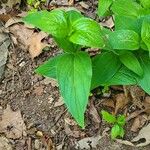
Spigelia marilandica
Indian-pink · Pinkroot · Spigelia · Perennial worm grass · Woodland Pinkroot
Description
Source: leafsnapSpigelia marilandica, the woodland pinkroot or Indian pink, is a perennial wildflower in the Loganiaceae family. It flowers in June and tends to be found in low moist woods, ravines, or streambanks in partial or full shade. It will grow 30–61 cm (1–2 ft) high with a spread of 15–46 cm (0.5–1.5 ft). It is used as an ornamental plant.
🌳 Although many people may view woodland pinkroot chiefly for its decorative value, its tubular blossoms are particularly appealing to hummingbirds. These birds are more than occasional visitors; they are vital to the plant's pollination. As they feed on nectar, their heads touch the flower's reproductive structures, allowing pollen to be transferred. This mutual relationship highlights an evolutionary adaptation in which the shape and color of woodland pinkroot's flowers have co-evolved to attract hummingbird species, benefiting both the plant and the birds.
🎭 Mountain of pure affection: you are aspiring,
Care Guide
💧 Water Every week
Woodland pinkroot prefers moderate moisture conditions and does well in consistent humidity without becoming waterlogged. Watering once a week helps maintain the ideal soil moisture level. While it is typically grown outdoors, the plant thrives when it can respond to seasonal rainfall patterns. Its robust growth is due to its affinity for natural light and interactions within its ecosystem.
How should I water my Woodland pinkroot?
To properly water the Woodland pinkroot, use filtered water at room temperature. Tap water may have harmful particles, so filtered water is preferable. The plant prefers room temperature or slightly warmer water to avoid shocking its system since it thrives in warm environments. Avoid overhead watering as it can cause issues with the foliage. Instead, thoroughly soak the soil with filtered, room temperature water. This helps to moisten the roots and allows them to spread and collect nutrients effectively.
What should I do if I give my Woodland pinkroot too much water or not enough water?
Overwatering is a common issue for Woodland pinkroot plants and can cause wilting, yellowing leaves, and diseases like root rot, mold, and mildew that can be fatal. Underwatering is less common but can cause brittle, brown leaves. It's important to recognize signs of overwatering and reduce watering immediately to prevent irreversible damage. Check the soil's drainage and replace it with a well-draining mix if needed. If signs of underwatering occur, simply water more regularly until the symptoms improve.
How often should I give water to my Woodland pinkroot plant?
If your Woodland pinkroot is in a pot, the best way to determine if it needs watering is to stick your finger into the soil. When the first two to three inches of soil are dry, it's time to water. If you're growing your Woodland pinkroot outdoors in the ground, you can use the same method to test the soil. Once the first few inches of soil have dried out, it's time to water. Typically, during the spring and early fall, watering once a week will suffice. However, in extremely hot weather, watering may need to be increased to twice or more per week. Nevertheless, mature and well-established Woodland pinkroot plants have an impressive ability to withstand drought.
How much water does my Woodland pinkroot plant need?
To give your Woodland pinkroot the right amount of water, don't be hesitant. Make sure the top two to three inches of soil are dry before watering. A thorough watering is best, ensuring the soil is completely soaked. Add enough water so that it drains out of the pot's bottom drainage holes. If you don't see water draining, you likely haven't watered enough. However, be cautious not to let water accumulate in the soil, as this can harm the plant. If water doesn't drain well from the pot, it means the soil is not good for the plant's health. Avoid this issue by using well-draining soil. If the plant is outdoors, 1 inch of rain per week should be sufficient.
How do I water my Woodland pinkroot as it grows?
The water needs of the Woodland pinkroot can vary depending on its growth stages. In the first few years or after transplantation, it requires more water as it focuses on developing new roots for future growth. These young roots perform better with increased moisture. However, as the plant matures, it will require less water. Another stage when it may need additional water is during the bloom period, as flower development requires significant moisture.
☀️ Light Partial sun
Woodland pinkroot prefers locations with a moderate amount of sunlight. Too much sun can impede its growth, while adequate light promotes healthy development. Its native habitat is fairly shaded, so the plant can still grow well under subdued light.
What are the sunlight requirements for Woodland pinkroot?
Woodland pinkroot thrives in conditions that offer a moderate amount of sun exposure. It can adapt to both partial sun, requiring about 3-6 hours of sunlight, and full shade, where it receives less than 3 hours of sunlight daily. Its ability to grow healthily under subdued light conditions speaks to its versatility, originating from habitats with sufficient shade. However, it is crucial to watch how sunlight moves through your garden to ensure plants receive the perfect balance of light and shade, promoting their overall happiness.
What should I do if my Woodland pinkroot is grown indoors or in areas with insufficient natural light?
For Woodland pinkroot grown indoors or in areas lacking natural sunlight, especially during winter or in less sunny spaces, artificial lighting can be a vital solution. Opt for artificial lights like LED that can be customized to provide the necessary wavelengths of light. The amount of artificial light needed varies: full sun plants require 30-50W/sq ft, partial sun plants need 20-30W/sq ft, and full shade plants benefit from 10-20W/sq ft. Ensure the light source is placed 12-36 inches above the plant to mimic natural sunlight and maintain the lighting for 8-12 hours per day to support optimal growth.
What are the symptoms of insufficient light on Woodland pinkroot?
When grown in inadequate lighting, Woodland pinkroot may exhibit several symptoms signaling light deficiency. These include smaller new leaves compared to mature ones, leggy or sparse growth leading to a stretched-out appearance, faster leaf drop as a resource conservation measure, slower or halted growth, irregularly colored or pale new leaves due to insufficient chlorophyll, and chlorosis where leaves turn yellow. Exposure to excessive sunlight can lead to symptoms like sunscald, leaf curling to minimize water loss, wilting due to increased transpiration, and leaf scorching characterized by brown, dry edges on leaves.
How can I address light-related issues with my Woodland pinkroot?
To optimize Woodland pinkroot's growth when dealing with light-related issues, gradual adaptation is key. For indoor plants large or not easily moved, consider increasing sunlight exposure by moving them to sunnier spots weekly until they receive 3-6 hours of direct sunlight per day or use artificial light, keeping a desk or ceiling lamp on for at least 8 hours daily or investing in grow lights. For outdoor plants, avoid sudden changes in light intensity to prevent sunburn and consider ways to gradually introduce them to sunnier spots. If obstructions cause shadowing, identify and reduce them by pruning or transplanting to locations with more sunlight, ensuring your plant receives the light it needs for healthy growth.
🌡️ Temperature 5–35°C
Woodland pinkroot can tolerate a wide range of temperatures, but its distribution may still be restricted by various combinations of moisture and heat. It does best in warm summer conditions with adequate rainfall or watering. Extended periods of cloudy, rainy weather or prolonged high temperatures raise the likelihood of Woodland pinkroot dying. In winter, proper protection from the cold can increase the plant’s survival rate.
💨 Humidity
🪴 Soil 6-7
🌱 Fertilizer
The best time to apply fertilizer to a Woodland pinkroot is in early spring, as it comes out of dormancy and begins active growth. Fertilizing supplies essential nutrients needed for healthy development. While Woodland pinkroot does not require much fertilizer, applying it once a year can improve its chances of survival and encourage more robust, longer-lasting blooms.
Why should I add fertilizer to my Woodland pinkroot?
Fertilization is important for the Woodland pinkroot because it provides key nutrients for the plant's growth. While the overall fertilization needs for the Woodland pinkroot are low, annual fertilization can greatly benefit the plant, helping it survive and produce better flowers. Those wanting their Woodland pinkroot to thrive should prioritize annual fertilization.
When should I fertilize my Woodland pinkroot?
The best time to fertilize a Woodland pinkroot is in late winter to early spring when it is transitioning from dormancy to active growth. Fertilizing during this time promotes healthy growth and helps the plant start the season well. While early spring is generally the most beneficial, fertilizing in the fall is also acceptable. However, it is not advisable to feed the plant during summer or winter.
When is it not a good idea to fertilize my Woodland pinkroot plant?
To properly care for your Woodland pinkroot, it is important to know when to fertilize. Late winter and early spring are the only appropriate times for fertilization. This plant has low fertilization needs, so a single feeding each year is sufficient. Fertilizing during spring, summer, and fall can lead to overfertilization and its associated problems. However, if you forgot to fertilize in the spring, it is acceptable to feed the plant in the fall instead. It is also worth noting that there is no need to fertilize during the winter. This is because the Woodland pinkroot goes into a dormant phase during winter and does not produce new growth. So, fertilizing during most of the winter is not recommended.
What kind of fertilizer does my Woodland pinkroot plant need?
Woodland pinkroot can benefit from using any general-purpose fertilizer that contains a balanced amount of the three main plant nutrients. But for even better results, there are specific nutrient blends that can be used. Many gardeners believe that higher levels of phosphorus can strengthen the roots and improve flower production. Since Woodland pinkroot is a flowering plant, using a phosphorus-rich fertilizer may be the best choice. Whether you choose a granular or liquid fertilizer, make sure it contains plenty of nutrients. Additionally, besides manufactured fertilizers, you can also use organic methods to improve the soil, such as compost, manure, and other similar materials. These options will help create a healthy growing environment for your Woodland pinkroot.
How should I fertilize my Woodland pinkroot plant?
To fertilize a Woodland pinkroot, the most common method is to use granular or pellet fertilizer around the plant. The best time to fertilize is when the plant starts growing after its dormant phase in winter. In early spring, wait for shoots to emerge before applying fertilizer. Alternatively, you can use liquid fertilizer but make sure to dilute it with water first. Always moisten the soil before, during, and after applying fertilizer, regardless of the type used.
🪴 Pot & Repot Every 12 months
✂️ Pruning
Woodland pinkroot is known for its vibrant red flowers and attractive foliage. To maintain its health and encourage growth, prune the plant in early to late spring after the danger of frost has passed. Remove dead stems during this process to shape the plant, promote blooming, and prevent disease, ultimately ensuring the plant's overall vitality.
🌿 Propagating
🐛 Diseases & pets
☠️ Toxicity
Characteristics
- Plant Type
- Herb
- Life Cycle
- Perennial
- Genus
- Spigelia
- Family
- Loganiaceae
- Hardiness Zone
- 5-9
- Mature Height
- 30 cm to 61 cm
- Mature Spread
- 15 cm to 46 cm
- Leaf Color
- Green
- Leaf Type
- Deciduous
- Flower Color
- Yellow, Red
- Flower Size
- 2.54 cm to 5.08 cm
- Bloom Time
- Late spring, Early summer
- Planting Time
- Spring
- Harvest Time
- Early summer, Mid summer