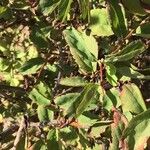
Spiraea chamaedryfolia
Germander Spirea · Elm-leaf spiraea · Elm-leaved Spiraea · Germander Meadowsweet · Germander Spiraea
Description
Source: leafsnapSpiraea chamaedryfolia, commonly known as dwarf meadowsweet, is a deciduous shrub belonging to the Rosaceae family. Native to Europe and Asia, this plant can reach a height of up to 1.5 meters. It features a compact growth habit with small, dark green leaves that have finely toothed edges. In late spring and early summer, Spiraea chamaedryfolia produces clusters of small white or pink flowers, arranged in flat-topped inflorescences at the tips of its branches. These sweetly fragrant flowers attract bees and other pollinators. Spiraea chamaedryfolia thrives in moist, well-drained soils but can tolerate dry conditions once established. It grows best in full sun or partial shade and can also adapt to full shade. Often used as an ornamental shrub in gardens, Spiraea chamaedryfolia is valued for its attractive foliage and showy flowers. Additionally, it has medicinal properties due to its salicylic acid content, which is used for pain relief. Overall, Spiraea chamaedryfolia is an appealing shrub that adds beauty to any garden while also providing medicinal benefits for those who seek them.
Care Guide
💧 Water Every 7 days
Germander meadowsweet grows best in environments with moderate moisture and consistently hydrated soil. To care for it, water the plant every three weeks, ensuring it doesn't experience drought or high humidity. When grown outdoors, applying mulch can help retain soil moisture and shield the plant from temperature fluctuations.
How should I water my Germander meadowsweet plants in the best way?
To ensure excellent root development, place a garden hose at the base of the plant. Avoid spraying the leaves directly and water them more if they are exposed to direct sunlight outdoors. Consider using bubblers or soaker hoses for each plant to keep the roots moistened. When adding or removing plants, use soaker hoses that cover the entire garden or bed to promote deep root growth. After watering, drain any excess water and allow the soil to dry before watering again. Water at ground level to prevent diseases. On sunny days, it can be beneficial to spray the entire bush with water. Whether your Germander meadowsweet is in a pot or planted in the ground, remember it prefers deep watering rather than light sprinkling.
What should I do if I give too much or too little water to Germander meadowsweet?
When a Germander meadowsweet is overwatered, it may exhibit yellow leaves that eventually fall off and wilt. The plant may also look dull and unhealthy, with mushy stems. To address these signs, try adjusting your watering schedule as needed. However, wilting can also be a sign of under watering. In this case, you may observe crispy and dry leaves, while overwatered plants will have soft, wilted leaves. If the soil is dry and simply watering is not enough, give the plant a thorough watering in a timely manner. Sufficient water will help the Germander meadowsweet recover, but it may still show dryness and yellow leaves for a few days due to damage to its root system. Once the plant returns to normal, the yellowing of the leaves will cease. When keeping the Germander meadowsweet indoors, always check the moisture levels in the pot and avoid overwatering. Watch out for signs of black spots, and if present, allow the soil to dry out by refraining from watering for a few days. Overwatering can cause root rot, so if you notice discolored and slimy roots, consider transferring the plant to a different pot. It's crucial to prevent root rot by avoiding excessively soggy soil. When planting the Germander meadowsweet outdoors, dig a bit deeper and assess the soil moisture. If it feels too dry when you check with your fingers, it may indicate underwatering. In such cases, make sure to provide adequate watering to aid in the plant's recovery.
How often do I need to water my Germander meadowsweet plant?
The Germander meadowsweet prefers deep and infrequent watering. If they are planted in pots, it's important to soak them with a gallon of water each time. Pots have limited water storage, so the soil tends to dry out quickly. In cold regions, watering is needed every 3 to 5 days. It's best to water them early in the morning when the soil is dry, whether they are indoors or outdoors. You can also check the soil inside the pot to determine if watering is necessary. If the top 2-3 inches of soil is dry, it's time for a full watering. During hot days, the moisture in the soil can quickly evaporate, so it's important to check it daily. If you have a garden, irrigation of the soil is also necessary. In hot climates, watering once a week may be sufficient. Only water when the top 2-3 inches of soil are dry, indoors or outdoors. Keep in mind the amount of rainfall, as additional watering may not be needed. Germander meadowsweet typically grows during spring and fall. Outdoors, it's recommended to add a layer of mulch about 3 to 4 inches deep to conserve water. Sandy soil drains faster, so plants in this type of soil may need more frequent watering. On the other hand, clay soil retains water better, so watering can be done less frequently, allowing for 2-3 days of drying between waterings to avoid root rot. You can mark the date on a calendar when you water the plants and monitor if the leaves begin to droop, which could indicate that watering is needed soon.
How much water does my Germander meadowsweet need?
The Germander meadowsweet generally needs about a gallon of water according to its schedule. For potted plants, it's best to water them deeply until water drips from the bottom of the pot. Then, wait until the soil dries before watering again. To track the amount of water given to your plant in a week, you can use a water calculator or a moisture meter. It's important to provide plenty of water during the flowering period, but allow the moisture to evaporate afterwards to avoid root rot. If the Germander meadowsweet is planted outdoors and receives sufficient rainfall, additional watering may not be necessary. When the plant is young or newly planted, it's important to ensure it receives 1-2 inches of rain per week. As the Germander meadowsweet grows, it can rely solely on rainfall. However, if the weather becomes too hot or there is a lack of rainfall for 2-3 weeks, consider watering the plant during the cooler parts of the day to prevent heat damage. During prolonged dry periods, additional watering will be needed.
Should I change how often I water my Germander meadowsweet based on the time of year or the weather?
The Germander meadowsweet is an outdoor plant that thrives in rainy conditions, but can tolerate dry weather. It needs moist soil during the spring and fall growing seasons, but too much water can be detrimental. In hot summer weather with little rainfall, it may require more frequent watering to keep the soil moist. During winter, the plant needs less water as it goes dormant, but a well-draining soil mix can help evaporate excess moisture. Once the plant starts to leaf out in spring, it can rely on natural rain to sustain it. Proper drainage is crucial year-round to avoid waterlogging and drought. When grown in pots, the plant has limited root growth and needs consistent watering, particularly in the summer. Deep soaking once or twice a week is preferred over shallow sprinkles, as it reaches the roots better and discourages fungal growth. However, the plant should not be allowed to dry out completely, even during dormancy. Avoid overwatering, as excess water can be harmful, especially in winter. Applying mulch can help conserve water and promote healthy blooms.
☀️ Light Full sun
Germander meadowsweet needs a substantial amount of sunlight to thrive but can cope with moderately sunny conditions. Its root environment is used to abundant light. Too much or too little sun can harm the plant and interfere with its normal growth.
What are the sunlight requirements for Germander Meadowsweet?
Germander Meadowsweet requires a generous amount of sun exposure to flourish optimally. It thrives in full sun conditions, defined as above 6 hours of sunlight daily, but can also manage in partial sun, about 3-6 hours of sunlight. It's crucial to observe how sunlight moves through your garden to place your plant in a spot that ensures a balance of light and shade, promoting its health and happiness. Inadequate or excessive sun exposure could harm the plant, impacting its growth negatively.
How does artificial lighting benefit indoor Germander Meadowsweet plants?
For indoor Germander Meadowsweet plants, especially in conditions where natural sunlight is insufficient, such as in winter or less sunny spaces, artificial lighting serves as a vital growth aid. Artificial lights, particularly LED lights, can be adjusted to provide specific wavelengths necessary for the plant's growth. Depending on the plant's sun exposure needs, the artificial lighting wattage can range from 10-50W/sq ft. Furthermore, the light source should be placed 12-36 inches away from the plant and be kept on for 8-12 hours per day to mimic natural sunlight duration, promoting healthier and faster growth.
What are the symptoms of inadequate sunlight exposure in Germander Meadowsweet?
Germander Meadowsweet shows several symptoms when it doesn't receive adequate sunlight, including smaller, new leaves, leggy or sparse growth, early leaf drop to conserve resources, slower or halted new growth, lighter-colored new leaves, and conditions such as chlorosis, sunscald, leaf curling, wilting, and leaf scorching. These symptoms indicate that the plant is not receiving the necessary amount of sunlight it's accustomed to in its natural habitat, affecting its ability to photosynthesize and maintain overall health.
What solutions can help Germander Meadowsweet with inadequate sunlight?
To counteract inadequate sunlight, for indoor Germander Meadowsweet, gradually moving the plant to receive at least 6 hours of direct sunlight daily or using artificial light sources for at least 8 hours daily can prove beneficial. Outdoors, plants should be moved gradually to sunnier spots to avoid shock. If sunlight obstructions are the issue, consider pruning or relocating the plant to a sunnier location. Note that parts of the plant damaged by lack of sunlight may not recover, but new growth should be healthy with improved light exposure.
🌡️ Temperature 0–21.1°C
Germander meadowsweet is native to moderate climate regions, with temperatures ranging from 32 to 70 °F (0 to 21 ℃). It prefers cooler temperatures but can tolerate slight fluctuations. In hotter seasons, providing some shade can help manage the temperature.
What are the ideal climate conditions for Germander Meadowsweet?
Germander Meadowsweet, botanically known as Spiraea chamaedryfolia, thrives in moderate climate regions with temperatures ranging from 32 to 70 °F (0 to 21 °C). This plant favors cooler temperatures but can cope with slight fluctuations. During hotter seasons, it's beneficial to provide some shade to manage the temperature. Despite its high tolerance for cold, with the capacity to withstand temperatures well below freezing, no extra frost protection is needed in winter. To prepare for winter's first freeze, it's advisable to water the plant thoroughly, ensuring the soil stays moist and freezes, which helps prevent drought and water scarcity during the colder months.
How does Germander Meadowsweet react to low temperatures?
Germander Meadowsweet displays a remarkable tolerance to low temperatures, enduring winter chill well above -40°C without need for concern. Even though the cold may not visibly affect it during the winter, dropping below this temperature threshold could lead to brittleness and dryness in the branches by spring, preventing the emergence of new shoots. To mitigate this, it's recommended to prune away any dead branches in spring, encouraging new growth and maintaining the health of the plant.
What should I do if Germander Meadowsweet experiences high temperatures?
Germander Meadowsweet does not fare well under high temperatures, particularly when they exceed 21°C. Under such conditions, the plant might undergo significant leaf drop, and in extreme scenarios, it could wither and die. To address this, you should trim away sunburned and dried parts of the plant. Relocating the plant to a shaded spot or employing a shade cloth to filter the sun's intense midday and afternoon rays can also help. Additionally, watering the plant during the cooler morning and evening hours will help keep the soil adequately moist, providing a more conducive environment for the plant's survival in warmer weather.
💨 Humidity
🪴 Soil 6-7
🌱 Fertilizer
Timing matters when feeding Germander meadowsweet. Apply fertilizer in early spring and continue monthly up to early summer. Fertilizer encourages attractive blooms and supplies energy both during dormant periods and throughout active growth.
🪴 Pot & Repot
✂️ Pruning
Germander meadowsweet, recognized for its white blossoms and feathery foliage, benefits from annual pruning in early spring to maintain its shape and health. To improve air circulation, remove any dead branches and thin out crowded stems. Rejuvenate the plant by cutting back one-third of the old branches to promote growth and enhance its appearance.
🌿 Propagating
🐛 Diseases & pets
☠️ Toxicity
Characteristics
- Plant Type
- Shrub
- Life Cycle
- Perennial
- Genus
- Spiraea
- Family
- Rosaceae
- Hardiness Zone
- 2
- Mature Height
- 0.91 m to 1.52 m
- Mature Spread
- 1.83 m
- Leaf Color
- Green, Dark Green
- Leaf Type
- Deciduous
- Flower Color
- White
- Flower Size
- 0.51 cm to 1.02 cm
- Bloom Time
- Late spring, Early summer, Mid summer
- Planting Time
- Spring, Autumn
- Harvest Time
- Mid summer
- Native Area
- Austria, Montenegro, Croatia, Slovenia, Uzbekistan, Russia, Koppen, Romania, South Korea, Bulgaria, Greece, North Macedonia, Ukraine, Serbia, China, Kyrgyzstan, Kazakhstan, Italy, Japan, Mongolia, Bosnia and Herzegovina