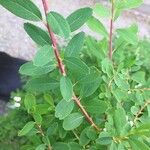
Spiraea nipponica
Snowmound Spiraea · Tosa spirea · Bridal Wreath Spiraea · Meadowsweet
Description
Source: leafsnapSpiraea nipponica, commonly known as Japanese spirea, is a deciduous shrub native to Japan. It typically grows to a height of 3 to 5 feet and spreads between 4 to 6 feet. The plant features an upright growth habit with arching branches adorned with small, serrated green leaves. During the spring and summer months, Spiraea nipponica produces clusters of small white or pink flowers at the tips of its branches. These flowers are highly attractive to bees and other pollinators. Japanese spirea thrives in full sun or partial shade and prefers well-drained soil. It is relatively easy to care for, requiring minimal pruning except for occasional shaping. Commonly used as an ornamental plant in gardens, Spiraea nipponica is valued for its attractive foliage and showy flowers. It works well as a border plant or can be planted en masse for maximum impact. Additionally, it can be grown in containers on patios or balconies. Overall, Spiraea nipponica is an excellent choice for gardeners seeking an easy-to-grow shrub that offers year-round interest, thanks to its changing foliage colors and beautiful blooms during the spring and summer months.
Care Guide
💧 Water Every 3 days
Tosa spirea thrives in moderately moist environments and should be watered regularly every 1–2 weeks. While it can tolerate drought, it's important to ensure consistent watering for optimal growth. As a deciduous shrub, Tosa spirea goes dormant in the colder months, requiring less frequent watering during this period.
☀️ Light Full sun
Tosa spirea comes from open habitats like sunny meadows and forest margins that supply plenty of light. It does best in Full Sun but can also tolerate Partial Sun, adapting to a range of light conditions.
🌡️ Temperature 0–32.2°C
Tosa spirea is highly adaptable to a variety of climate conditions, from scorching summers to cold winters. However, it does have a preferred temperature range for growth. If temperatures become excessively high, the plant is vulnerable to heat and humidity stress, which can cause its death. In areas where temperatures reach the lower limit of its cold tolerance, providing insulation is important to protect the plant.
💨 Humidity
🪴 Soil 6-7
🌱 Fertilizer
Proper timing is essential for fertilizing Tosa spirea. Apply fertilizer in early spring and continue monthly until early summer. Fertilizer supports the production of attractive blooms and supplies energy during both dormant and active growth phases.
🪴 Pot & Repot Every 12 months
✂️ Pruning
The Tosa spirea is a resilient shrub known for its dense branches and white flowers. For optimal growth, prune it in early spring to remove any dead wood and reduce overcrowding. This will encourage healthier blooms and foliage. Avoid pruning after the flowering period, as this can affect the following year's blooms. Additionally, ensure good air circulation around the plant to help prevent disease.
🌿 Propagating
🐛 Diseases & pets
☠️ Toxicity
Characteristics
- Plant Type
- Shrub
- Life Cycle
- Perennial
- Genus
- Spiraea
- Family
- Rosaceae
- Hardiness Zone
- 3-8
- Mature Height
- 2.44 m
- Mature Spread
- 2.44 m
- Leaf Color
- Green
- Leaf Type
- Deciduous
- Flower Color
- White
- Flower Size
- 0.76 cm to 1.27 cm
- Bloom Time
- Mid spring, Late spring
- Planting Time
- Spring, Summer, Autumn
- Harvest Time
- Summer
- Native Area
- Japan