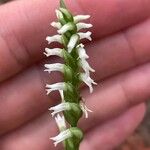
Spiranthes ovalis
October Ladies'-Tresses · October lady's tresses · Oval ladies'-tresses · Lesser ladies'-tresses · Small-flowered ladies'-tresses
Description
Source: leafsnapSpiranthes ovalis, commonly called the October lady's tresses, is a species of orchid that is native to eastern North America. Its range is widely distributed, being found from Texas to Florida, north to the Great Lakes. However, it is uncommon throughout most of its range, which has resulted in a patchy known distribution. Its natural habitat is in wet to mesic forests and woodlands.It produces delicate white flowers in the fall. It can be distinguished from other Spiranthes in eastern North America by its small, tightly spiraled flowers, and the presence of basal leaves at flowering time.
Care Guide
💧 Water
October lady's tresses flourish in consistently moist environments, requiring soil that is kept evenly moist but not waterlogged. To meet its hydration needs, it should be watered weekly. As an herbaceous perennial, this plant is best suited for outdoor growth, where it can benefit from natural rainfall essential for its growth cycle and water uptake.
☀️ Light Partial sun
October lady's tresses is native to the understory of tropical forests or grows among rocks that provide natural shade. It favors partial sunlight but can withstand full sun, adjusting well to different light conditions.
🌡️ Temperature 20–37.8°C
October lady's tresses is native to regions with a mild to warm climate. It prefers temperatures between 68 to 100 °F (20 to 38 ℃). Seasonal temperature adjustments may be needed for optimal growth.
What is the ideal temperature range for growing October lady's tresses?
October lady's tresses, with its botanical name Spiranthes ovalis, is best suited to environments that are moderate to warm, ideally between 68 to 100 °F (20 to 38 °C). Adjustments in temperature may be necessary seasonally to foster optimal growth. It's important to maintain indoor temperatures above 20°C, especially during the winter, to accommodate this tropical plant's needs. Ensuring the plant receives ample sunlight by placing it near a south-facing window and maintaining appropriate humidity through misting or using a humidifier are beneficial practices.
How do I protect October lady's tresses during winter?
During winter, when the minimum temperatures drop below 0°C, October lady's tresses should be brought indoors to protect it from the cold. It's significant to keep the indoor environment above 20°C and ensure the plant is placed near a south-facing window for sufficient sunlight. For those cultivating the orchid outdoors through winter, positioning it in a sheltered spot that receives sunlight and employing protection measures like a makeshift greenhouse or wrapping the plant with plastic film or fabric can offer necessary insulation against colder temperatures.
What are the effects of exposure to low temperatures on October lady's tresses, and how can they be remedied?
Exposure to low temperatures is detrimental to October lady's tresses, as it thrives in warmth and is not tolerant of cold, displaying optimal growth when temperatures are above 20°C. When exposed to temperatures below -5°C, the plant's leaves may suffer from extensive water-soaked necrosis, leading to wilting and drooping. To remedy this, frostbitten areas should be trimmed off, and the plant must be moved to a warm environment indoors immediately. A suitable location would be near a south-facing window for ample sunlight, and care should be taken to avoid placing the plant too close to heaters or air conditioning vents, which can cause excessive dryness.
How should October lady's tresses be cared for in high temperatures?
In high temperatures, particularly during the summer when the mercury climbs above 38°C, the growth of October lady's tresses stalls, and its leaves may wilt. The plant becomes more prone to root rot and sunburn if exposed to direct sunlight in such conditions. To mitigate these issues, it's advisable to trim away any sunburned or dry parts of the plant, relocate it to a shaded area away from direct midday and afternoon sun, and maintain a moist environment for both the plant and its surroundings by watering in the morning and evening.
💨 Humidity
🪴 Soil 5-6
🌱 Fertilizer
Adequate fertilization is essential for the health and appearance of October lady's tresses. Apply fertilizer to October lady's tresses during summer, repeating the application monthly throughout the season. The supplied nutrients drive growth and preserve the plant's components. Fertilizing improves October lady's tresses' floral display, ensuring the best blooms.
🪴 Pot & Repot
✂️ Pruning
To ensure healthy growth and vibrant blooms, prune October lady's tresses from early to late spring. Remove any dead or diseased stems, but avoid heavy pruning to maintain robust foliage and extend the flowering period. This approach will result in a more visually appealing and healthier plant.
🌿 Propagating
🐛 Diseases & pets
☠️ Toxicity
Characteristics
- Plant Type
- Herb
- Life Cycle
- Perennial
- Genus
- Spiranthes
- Family
- Orchidaceae
- Hardiness Zone
- 9-11
- Mature Height
- 5 cm to 40 cm
- Mature Spread
- 5 cm to 10 cm
- Leaf Color
- Dark Green
- Leaf Type
- Deciduous
- Flower Color
- White
- Flower Size
- 0.51 cm to 0.76 cm
- Bloom Time
- Late summer, Early fall, Mid fall
- Planting Time
- Spring, Summer
- Harvest Time
- Mid fall, Late fall, Early winter