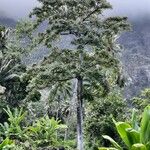
Spondias dulcis
Golden apple · Ambarella · Jew-plum · Jewish plum · Otaheite-apple
Description
Source: leafsnapSpondias dulcis, commonly known as ambarella or golden apple, is a tropical fruit tree native to Southeast Asia and the Pacific Islands. It belongs to the Anacardiaceae family and is closely related to mangoes and cashews. The tree can grow up to 20 meters tall and features a spreading canopy of leaves that provide shade for its fruit. The ambarella fruit is oval-shaped, with a thin yellow-green skin that turns golden yellow when ripe. Its flesh is juicy, sweet, and slightly acidic, offering a flavor reminiscent of mangoes or pineapples. The fruit can be enjoyed fresh or used in various culinary applications, such as jams, chutneys, sauces, salads, or desserts. Beyond its culinary uses, Spondias dulcis possesses several medicinal properties. Its high vitamin C content has anti-inflammatory effects on skin conditions like eczema and psoriasis. Additionally, the flavonoids present in the fruit provide antioxidant properties that help protect against cellular damage caused by free radicals. Overall, the Spondias dulcis plant offers both nutritional benefits through its delicious fruit and medicinal benefits through various parts of the plant, making it an important species for both food security and health purposes.
Care Guide
💧 Water Every 7 days
Originating from the tropical Pacific Islands, the June plum thrives in humid conditions and can tolerate brief periods of drought. It should be watered every 1-2 weeks, ensuring the soil remains moist but not waterlogged. When grown outdoors, its need for additional watering is influenced by rainfall, requiring less extra watering during the rainy season.
☀️ Light Full sun
June plum is native to open habitats, such as sunny meadows and forest edges, which offer abundant light. It does best in Full Sun but can also tolerate Partial Sun, adjusting well to different light conditions.
🌡️ Temperature 20–37.8°C
June plum comes from tropical areas, where the climate is usually warm and humid. Consequently, it is adapted to high temperatures and moisture. It does not tolerate sudden temperature shifts and prefers a steady temperature, so avoiding indoor fluctuations is important. It generally cannot endure cold and needs warmer conditions to grow. If the surrounding temperature falls too low, the plant may stop growing or even die.
💨 Humidity
🪴 Soil 5-7
🌱 Fertilizer
Use organic fertilizers (e.g., fish emulsion, compost) instead of chemical ones for June plum. Supply young plants with higher amounts of nitrogen and phosphorus in spring. Incorporate compost or fertilizer into the soil before or after planting. For mature plants, add a balanced fertilizer in spring or one specific to any deficiency. Nutrient deficiency produces small leaves, short branches, yellow or bronze foliage, acidic fruit, premature fruit drop, and fruit splitting.
🪴 Pot & Repot
✂️ Pruning
🌿 Propagating
🐛 Diseases & pets
☠️ Toxicity
Characteristics
- Plant Type
- Tree
- Life Cycle
- Perennial
- Genus
- Spondias
- Family
- Anacardiaceae
- Hardiness Zone
- 9-11
- Mature Height
- 0 m to 12 m
- Mature Spread
- 7.92 m to 11.89 m
- Leaf Color
- Green
- Leaf Type
- Deciduous
- Flower Color
- White, Yellow
- Flower Size
- 0.51 cm to 0.51 cm
- Bloom Time
- Late spring, Early summer, Mid summer
- Planting Time
- Spring, Summer, Autumn
- Harvest Time
- Late summer, Fall