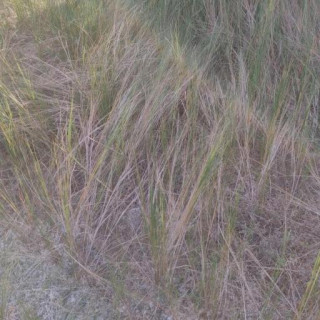
Sporobolus pumilus
Saltmeadow Cordgrass · Highwater Grass · Marsh Hay Cordgrass · Saltmeadow Grass
Description
Source: wikipedia (CC BY-SA)Sporobolus pumilus, the saltmeadow cordgrass, also known as salt hay, is a species of cordgrass native to the Atlantic coast of the Americas, from Newfoundland south along the eastern United States to the Caribbean and north-eastern Mexico. It was reclassified after a taxonomic revision in 2014, but the older name, Spartina patens, may still be found in use. It can be found in marshlands in other areas of the world as an introduced species and often a harmful noxious weed or invasive species.
Care Guide
💧 Water
Saltmeadow cordgrass thrives in saline coastal marshes and adapts well to changing water levels. To stay healthy, it needs to be watered weekly. This grass grows best outdoors, where it can experience natural cycles of wet and dry conditions similar to its natural habitat. Its growth also aligns with seasonal rainfall patterns, allowing it to make the most of available water.
☀️ Light Full sun
Saltmeadow cordgrass is a herbaceous perennial that prefers sunny locations and originates from open habitats, commonly occurring in meadows and grasslands. It favors full sun but can also tolerate partial sun.
🌡️ Temperature 5–35°C
Saltmeadow cordgrass can tolerate a wide range of temperatures, but its distribution may still be restricted by particular combinations of moisture and heat. It does best in warm summer climates with sufficient rainfall or irrigation. Extended periods of cloudy, rainy weather, as well as prolonged high temperatures, can increase the likelihood of Saltmeadow cordgrass dying. In winter, appropriate protection from cold can improve the plant's survival rate.
💨 Humidity
🪴 Soil 6-7
🌱 Fertilizer
Saltmeadow cordgrass needs extra nutrients to encourage healthy new growth. In spring, applying compost around the plant’s base can supply the nutrition it requires. Fertilizing supports robust growth and helps the plant resist diseases and pests.
🪴 Pot & Repot
✂️ Pruning
Saltmeadow cordgrass is a hardy perennial grass that benefits from early spring pruning. By trimming away dead growth, you encourage the development of new shoots and improve the plant’s overall health. During its active growth phase, cut the grass back to just above soil level. This enhances air circulation, reduces the risk of disease, and improves the appearance of your landscape.
🌿 Propagating
🐛 Diseases & pets
☠️ Toxicity
Characteristics
- Plant Type
- Grass
- Life Cycle
- Perennial
- Genus
- Sporobolus
- Family
- Poaceae
- Hardiness Zone
- 4-9
- Mature Height
- 0.3 m to 1.22 m
- Mature Spread
- 15 cm to 30 cm
- Leaf Color
- Green, Blue
- Leaf Type
- Semi-evergreen
- Flower Color
- White, Yellow, Green, Brown
- Flower Size
- 0.25 cm to 0.51 cm
- Bloom Time
- Summer
- Planting Time
- Spring, Summer, Autumn
- Harvest Time
- Late summer, Early fall, Mid fall
- Native Area
- Bahamas, Cuba, Georgia, Mexico, Haiti, Dominican Republic, Jamaica