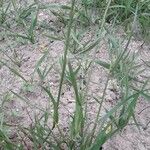
Sporobolus rigidus
Prairie sandreed
Care Guide
💧 Water
☀️ Light Full sun
Sand reedgrass is a perennial herbaceous plant that prefers sunny conditions and comes from open habitats, commonly thriving in meadows and grasslands. It favors full sun but can also tolerate partial sun.
🌡️ Temperature 5–35°C
Sand reedgrass comes from tropical areas where the climate is usually warm and humid. Therefore, it is adapted to high heat and humidity. It is sensitive to sudden temperature changes and prefers a steady temperature, so preventing indoor temperature fluctuations is important. It typically cannot tolerate cold and needs warmer temperatures to grow. If the ambient temperature becomes too low, the plant may stop growing or even die.
💨 Humidity
🪴 Soil 6-8
🌱 Fertilizer
Sand reedgrass needs extra nutrients to encourage healthy new growth. In spring, putting compost around the plant’s base will effectively supply the nourishment it requires. Fertilizing helps support vigorous growth and improves the plant’s resistance to diseases and pests.
🪴 Pot & Repot
✂️ Pruning
Sand reedgrass is a robust perennial grass that thrives in sandy soils. To ensure healthy regrowth, prune it in early spring to a few inches above the ground. This practice helps prevent overcrowding and promotes air circulation, which minimizes fungal diseases and keeps your garden vibrant.
🌿 Propagating
🐛 Diseases & pets
☠️ Toxicity
Characteristics
- Plant Type
- Grass
- Life Cycle
- Perennial
- Genus
- Sporobolus
- Family
- Poaceae
- Hardiness Zone
- 5-9
- Mature Height
- 0.61 m to 1.22 m
- Mature Spread
- 30 cm to 61 cm
- Leaf Color
- Green, Dark Green
- Leaf Type
- Semi-evergreen
- Flower Size
- 0.20 cm to 0.51 cm
- Bloom Time
- Mid summer, Late summer, Early fall
- Planting Time
- Spring, Summer, Autumn
- Harvest Time
- Early fall, Mid fall