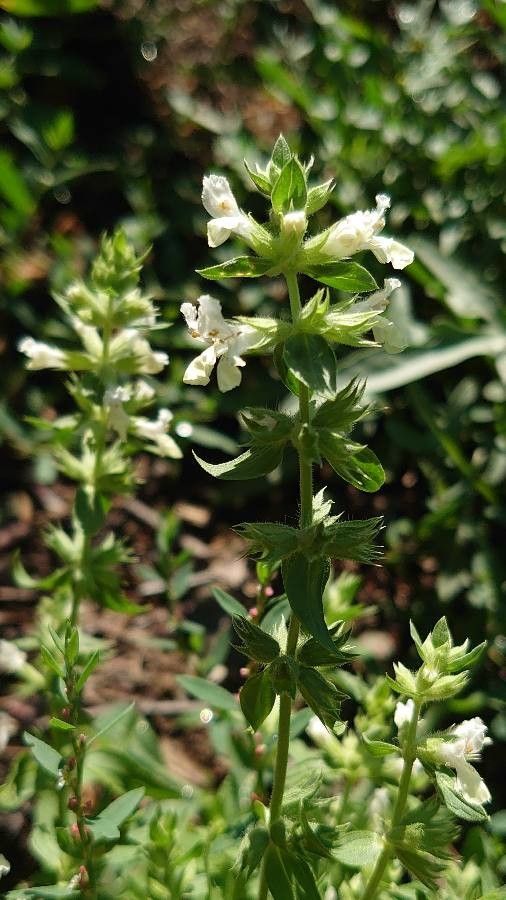
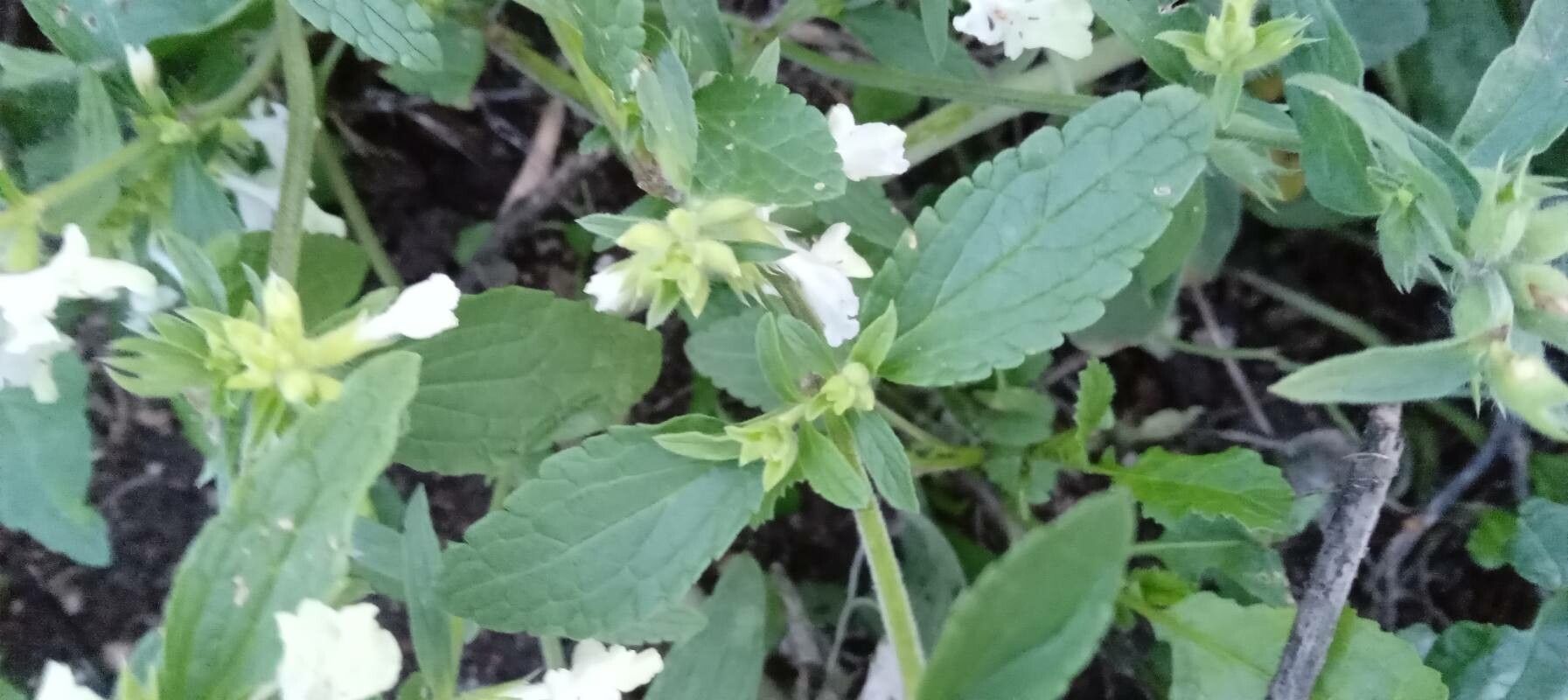
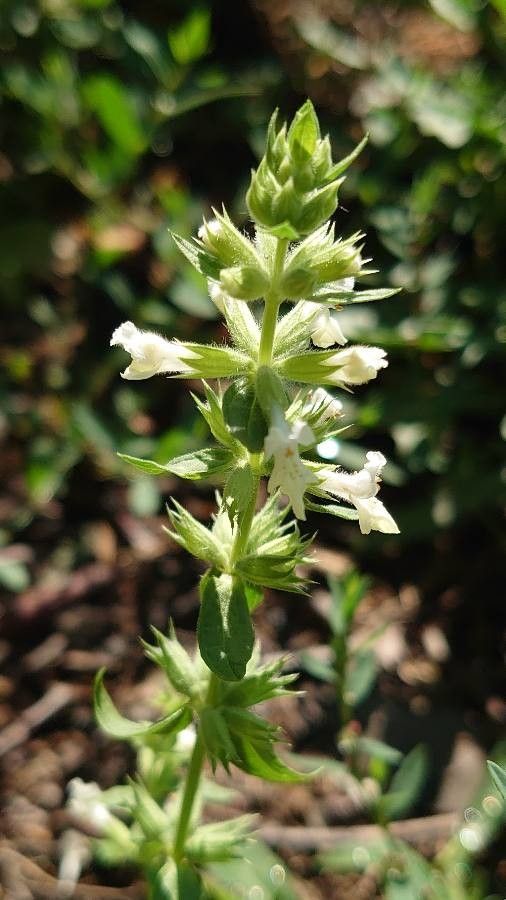
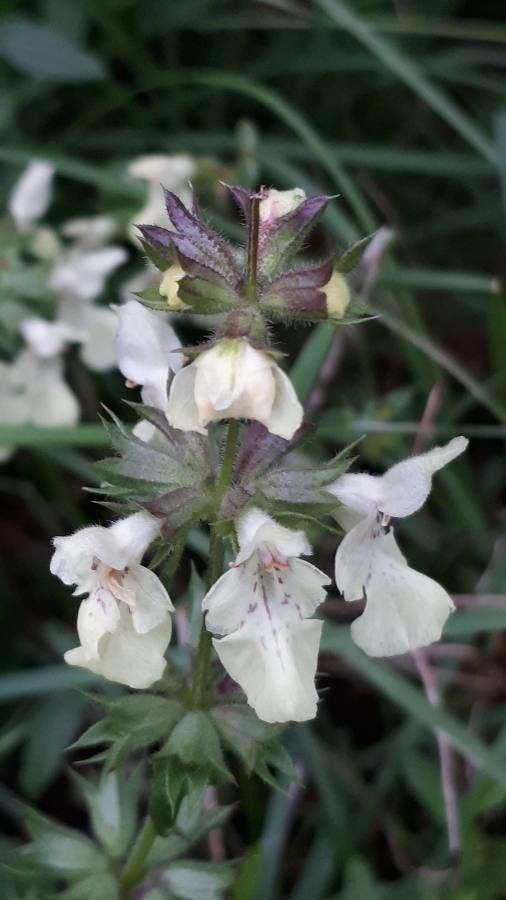
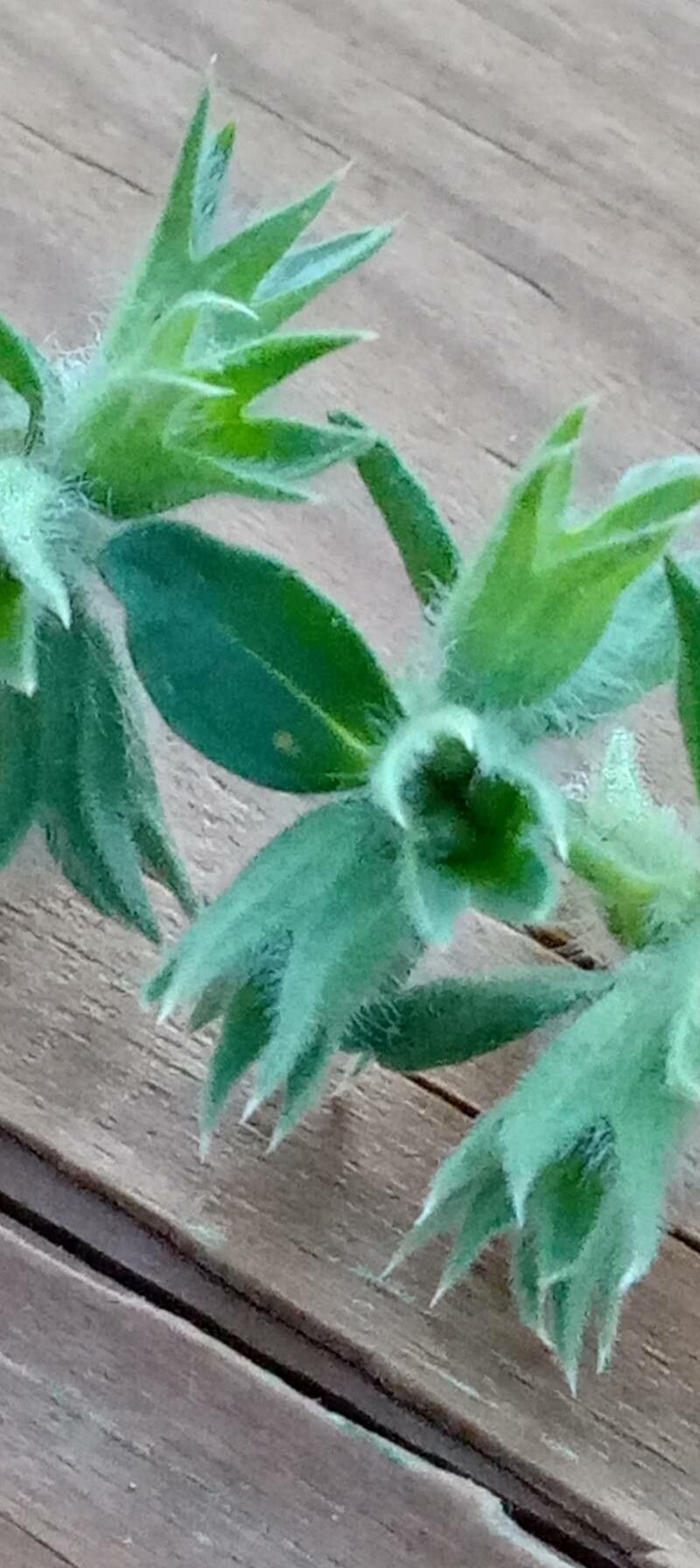
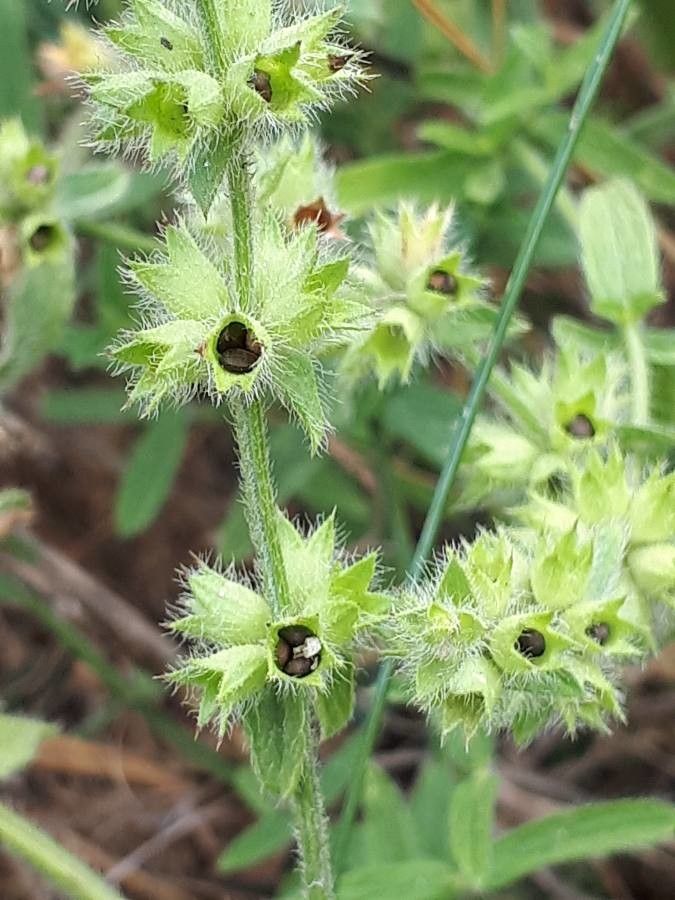
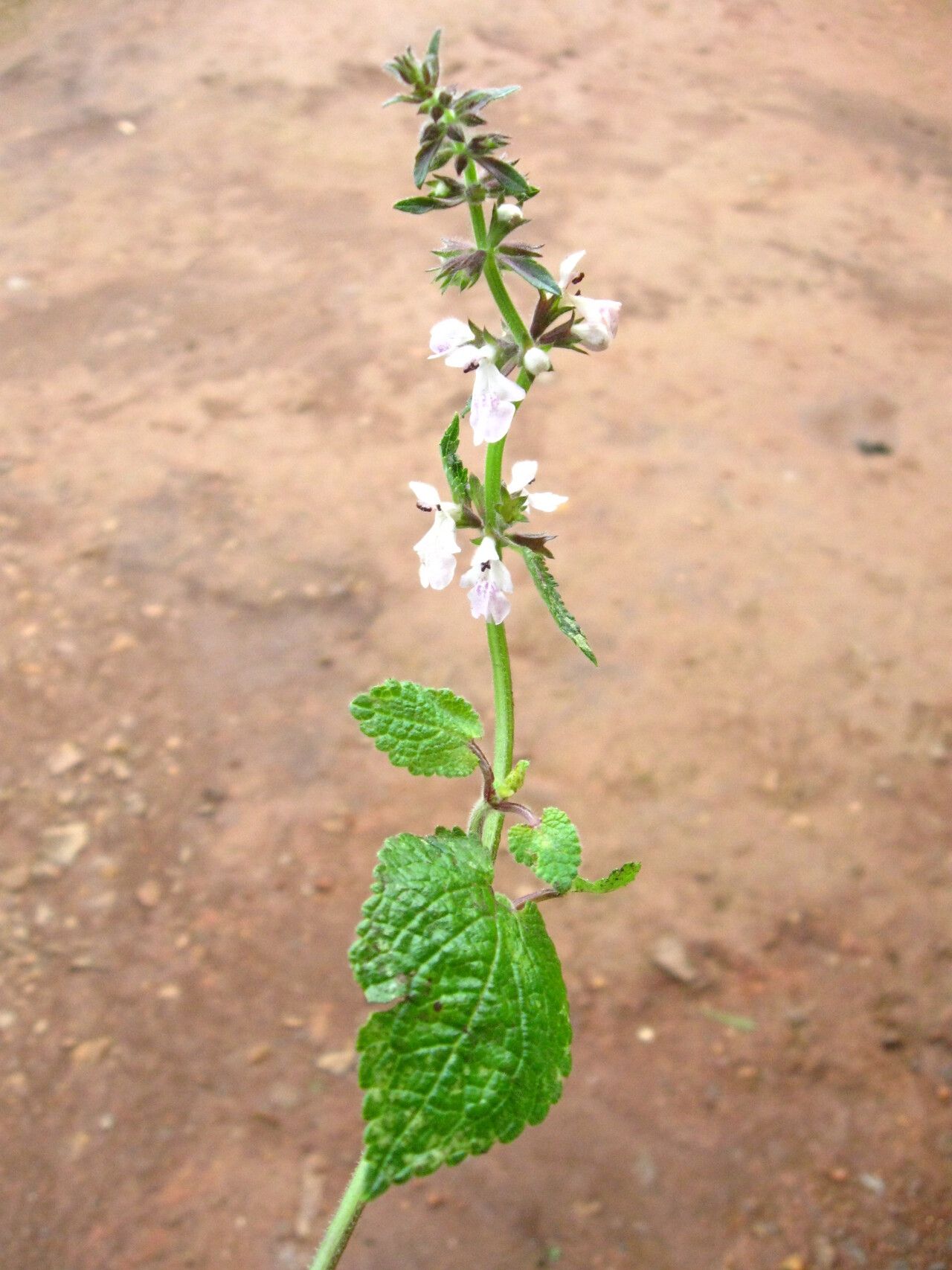
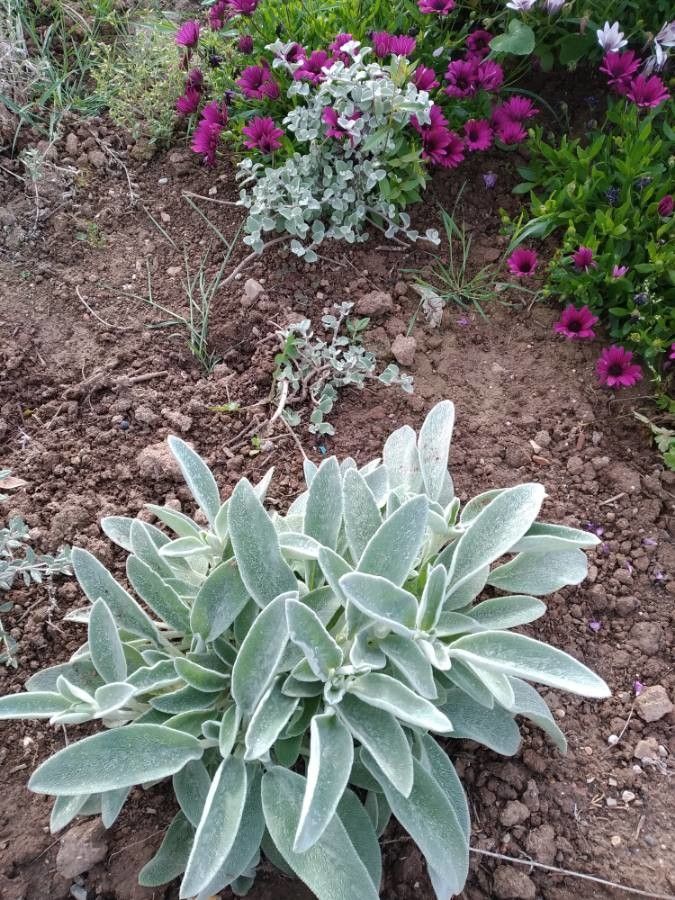
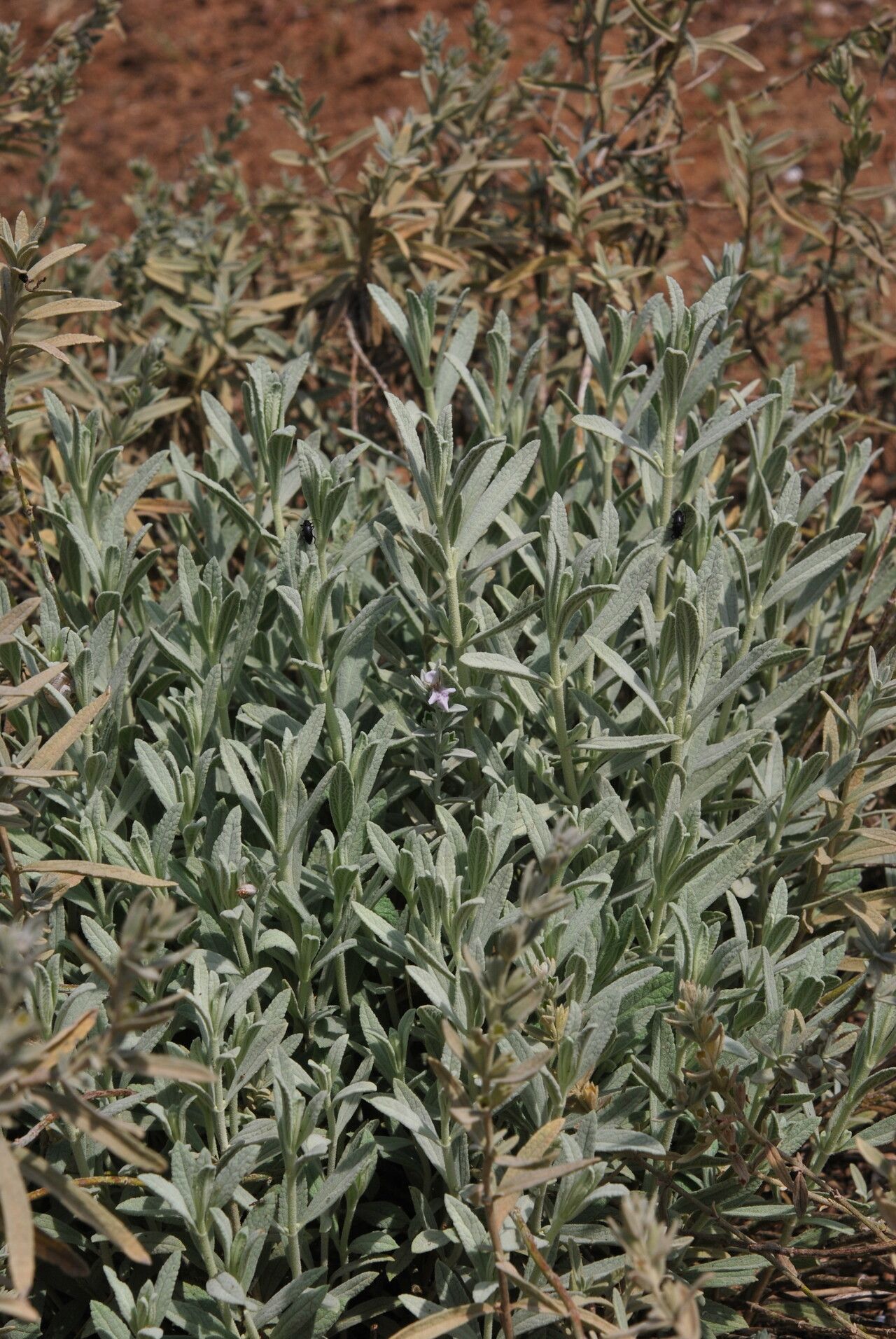
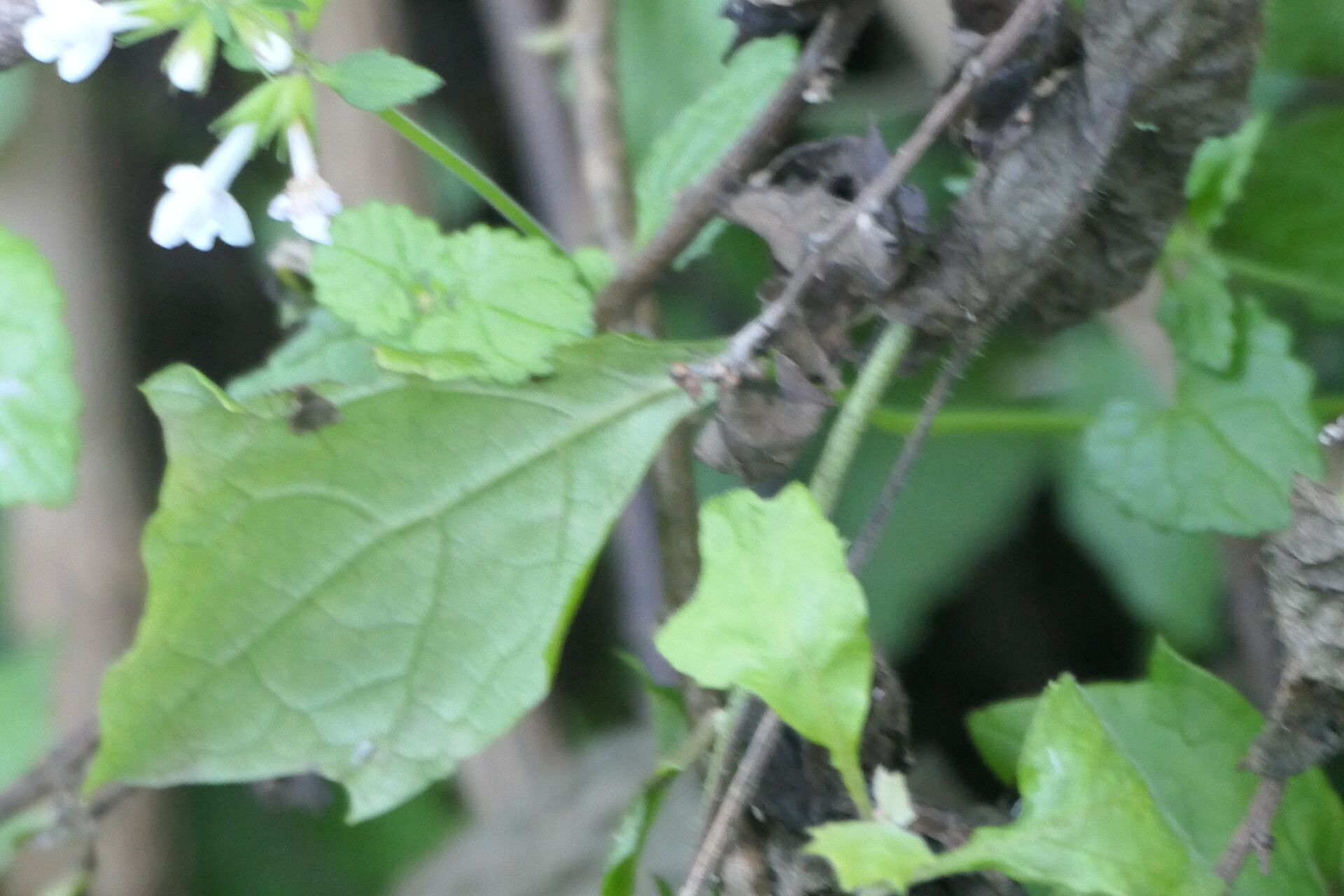
Stachys annua, called the annual yellow woundwort, is a widespread species of flowering plant in the hedgenettle genus Stachys, native to Europe, the Middle East, and western Siberia, and introduced in Cyprus, eastern North America, and Amur Oblast and Primorsky Krai in far eastern Russia. It is a common plant in fields, road verges and waste places.
Annual hedgenettle is fairly disease-resistant and usually not prone to illness. That said, it can be vulnerable to pests and diseases present in its surroundings. These problems are generally not serious. In terms of care, the plant needs moderate maintenance. It should be pruned regularly to preserve a neat appearance and support healthy growth. Fertilizing can also help encourage flowering. Annual hedgenettle works well for anyone with outdoor space, such as a garden or patio, and does not require extensive experience in plant care. It may need more attention when kept indoors.
How to keep Stachys Annua.
Light
Annual hedgenettle does best in spots that receive strong sunlight for most of the day. It will tolerate locations with somewhat reduced light, but decreased brightness can slightly lessen its vigorous growth. Both excessive and too little light can make the plant wilt or look faded.
Water
Annual hedgenettle, native to temperate regions, thrives in moderately moist conditions and benefits from watering every 1-2 weeks. This herb prefers soil moisture levels that resemble natural rainfall patterns, supporting its growth cycle and enhancing its flowering potential without risking over-saturation.
Temperature
Annual hedgenettle is native to habitats where temperatures usually range from 68 to 95 °F (20 to 35 °C). It prefers warmer climates. In colder seasons, consider providing a warmer microclimate or a protective covering to maintain optimal temperature conditions.
Fertilizer
Annual hedgenettle responds well to regular, light applications of fertilizer to encourage healthy leaf development. You should fertilize Annual hedgenettle roughly once a month during the summer. Nitrogen is important for foliage, and supplying nitrogen-rich sources helps Annual hedgenettle thrive.
Pruning
The annual hedgenettle has small, hairy leaves and tubular flowers. To promote growth and enhance flowering, it is best to prune the plant from early to late spring. This process involves removing dead stems and thinning out dense areas to improve air circulation, reduce pests, and encourage better blooms. Regular pruning helps ensure that the plant has sufficient access to light and prevents overcrowding.
Botanical profile.
- Plant Type
- Herb
- Life Cycle
- Annual, Perennial
- Genus
- Stachys
- Family
- Lamiaceae
- Hardiness Zone
- 10
- Mature Height
- 10 cm to 40 cm
- Mature Spread
- 15 cm to 30 cm
- Leaf Color
- Green
- Leaf Type
- Semi-evergreen
- Flower Color
- White
- Flower Size
- 0.51 cm to 0.76 cm
- Bloom Time
- Summer
- Planting Time
- Spring
- Harvest Time
- Late summer, Early fall, Mid fall
Other names.
Reader questions.
How should I water my Annual hedgenettle plants to keep them healthy?
There are a few different ways to water Annual hedgenettle. You can use a garden hose with a spray nozzle, a watering can, or almost any other watering tool you have. The good news is that Annual hedgenettle isn't too picky about how it gets water. It can survive on rainwater, tap water, or filtered water. However, it's generally best to avoid watering this plant from above because it can harm the leaves and flowers and potentially cause disease. Instead, a drip irrigation system is often recommended. This method evenly applies water directly to the soil, which is ideal for Annual hedgenettle. If you have a container-grown plant, the same principles apply, but you can use a cup, watering can, or tap to water it directly onto the soil.
What are the sunlight requirements for Annual hedgenettle?
Annual hedgenettle requires a specific amount of sunlight to thrive. Ideally, it needs full sun, which means the plant should receive above 6 hours of sunlight daily. It can also grow in partial sun conditions, where it gets about 3-6 hours of sunlight. Observing how sunlight moves through your garden will help in choosing the perfect spots that ensure a balance of light and shade, promoting the plant's happiness and health.
What is the ideal temperature range for Annual hedgenettle?
Annual hedgenettle thrives in environments where temperatures typically range from 68 to 95 °F (20 to 35 °C). This plant prefers warmer climates and requires a warmer microclimate or protective covering during colder seasons to maintain optimal temperature conditions. It is extremely heat-loving, and exposure to cold can harm the plant. During winter or colder seasons, it is recommended to bring outdoor-grown Annual hedgenettle indoors, placing it near a bright window but away from direct heat sources to maintain temperatures above 20°C, which is beneficial for its growth. Any exposure to temperatures approaching 5°C can be detrimental to the plant.
What should I do if I give my Annual hedgenettle too much water or too little water?
To remedy underwatering of Annual hedgenettle, simply water it more regularly. However, overwatering can be a serious issue, as it can lead to diseases and death. To prevent this, choose a well-drained location with plenty of sunlight. If your potted Annual hedgenettle is overwatered, consider changing to a new pot with good soil drainage. Repot using loose soils and an efficient draining pot.
How does sunlight affect the growth of Annual hedgenettle?
Sunlight plays a crucial role in the growth of Annual hedgenettle. The plant thrives best when exposed to the intensity of the sun for the majority of the day. However, it can also adjust to areas with slightly less light. Insufficient or excessive sunlight may impact its growth negatively, causing the plant to wilt or appear faded. Understanding and adjusting to the plant's luminescence needs are essential for its robust growth.
How does low temperature affect Annual hedgenettle and what are the solutions?
Annual hedgenettle is not tolerant of low temperatures and thrives best when the temperature is above 20°C, requiring it to be kept above 5°C during winter. Exposure to temperatures below 1°C can cause the leaves to lighten in color, and after frost damage, the leaves gradually turn brown or black, displaying symptoms such as wilting and drooping. To mitigate frost damage, trim off the frost-damaged parts and immediately move the plant to a warm environment indoors for cold protection. Place the plant near a south-facing window for ample sunlight, ensuring it is not too close to heaters or air conditioning vents to avoid excessive dryness.
How frequently should I water my Annual hedgenettle?
The Annual hedgenettle plant needs regular watering throughout the growing season. In spring, you should water it once a week. As the season gets warmer, you may need to water it two to three times per week. However, be cautious not to exceed this watering rate as it can harm the plant. Regardless of the watering frequency, make sure the soil remains moist but not excessively wet. When watering an Annual hedgenettle planted in a pot, you'll need to water it more often because the soil in a pot tends to dry out faster than the soil in the ground. In most cases, watering a container-grown Annual hedgenettle a few times per week is recommended, compared to just once per week for a plant in the ground.
What artificial lighting requirements do indoor Annual hedgenettle plants have?
For indoor Annual hedgenettle plants, adequate lighting is vital when natural sunlight is insufficient, especially during winter or in less sunny spaces. Artificial lights, particularly LED lights, provide a practical solution as they can be customized to offer the specific wavelengths of light the plants need. Full sun plants require 30-50W/sq ft, partial sun plants need 20-30W/sq ft, and full shade plants need 10-20W/sq ft of artificial light. The light source should be placed 12-36 inches above the plant to mimic natural sunlight, with most plants needing 8-12 hours of light per day.
How does high temperature affect Annual hedgenettle and what are the solutions?
During summer, it is important to keep the Annual hedgenettle below 35°C. When the temperature exceeds 41°C, the leaves may lighten in color and the plant becomes more susceptible to sunburn. To address this, trim away the sunburned and dried-up parts of the plant. Move the plant to a location that provides shade during the midday and afternoon sun. Ensure the soil remains moist by watering the plant in the morning and evening.
How much water does my hedgenettle plant need each year?
When determining how much water to give your Annual hedgenettle, there are a few methods you can use. Some gardeners prefer to assess soil moisture by feeling the soil, watering until the top six inches are moist. Another option is to use a standard measurement, such as giving about two gallons per week, adjusting based on temperature and soil dryness. However, following strict guidelines may result in overwatering if your plant requires less water. For Annual hedgenettle in containers, a different approach is needed. Water enough to moisten all dry soil layers, which can be checked by inserting a finger into the soil or observing a slight trickle of excess water from drainage holes.
What are the signs of light deficiency in Annual hedgenettle?
When grown indoors or under inadequate light conditions, Annual hedgenettle may show several symptoms of light deficiency. These include smaller leaves than previously matured ones, leggy or sparse growth due to long spaces between leaves or stems, faster leaf drop as the plant conserves resources, delayed growth or complete cessation of new growth, and lighter-colored or pale new leaves indicating a lack of chlorophyll and essential nutrients. Catering to the plant's light needs is crucial to prevent these symptoms.
How do I know if I'm giving enough water to my Annual hedgenettle?
Avoiding overwatering your Annual hedgenettle can be challenging. These plants have deep roots, so they need to be watered weekly. However, they are also prone to root rot, which can cause browning. Underwatering is less likely to occur since these plants can survive without much water, but if you wait too long to water them, they may wilt and develop dry leaves.