Stachys bullata
California hedgenettle
Description
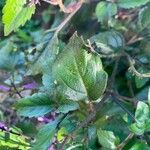
Source: leafsnapStachys bullata, commonly known as California hedge nettle, is a perennial herb native to California and Oregon in the United States. It belongs to the mint family (Lamiaceae) and can grow up to 3 feet tall. The plant features square stems and opposite, heart-shaped leaves with toothed edges. Its pink or purple flowers bloom from late spring through summer. California hedge nettle thrives in moist soils within shaded areas, such as woodlands, meadows, or along streams. It serves as an important food source for pollinators like bees and butterflies. Historically, Native American tribes have used this plant for medicinal purposes, treating various ailments including colds, coughs, sore throats, and headaches. Stachys bullata makes a beautiful addition to any garden with its attractive foliage and vibrant flowers. It not only attracts pollinators but also offers medicinal benefits.
🌳 California hedgenettle isn't widely known for unconventional uses. Nevertheless, its value comes from its ability to attract and provide nectar for local pollinators, including bees and butterflies. By supporting pollinator populations, California hedgenettle could be regarded as an important ecological plant that contributes to biodiversity and the health of nearby ecosystems.
🎭 Expelling spirits, Safeguarding, Restoration
Care Guide
💧 Water Every 7 days
California hedgenettle thrives in consistently moist soil and humid conditions, but it also shows a moderate tolerance to drought. To prevent the soil from becoming waterlogged, it should be watered weekly. Usually grown outdoors, California hedgenettle benefits from natural rainfall, making it ideal for temperate climates with seasonal rains.
How should I water my California hedgenettle plant?
To properly water the California hedgenettle, it is recommended to use filtered water at room temperature or slightly warmer. Tap water may contain harmful particles, so filtered water is preferred. The plant is used to a warm climate, so cold water can be a shock. It is best to avoid overhead watering as it can cause issues with the foliage. Instead, carefully apply filtered room temperature water directly to the soil until it is fully soaked. This helps to moisturize the roots and promote their growth and nutrient absorption.
What do I need to do if I give my California hedgenettle too much or too little water?
Both overwatering and underwatering can harm your California hedgenettle, but overwatering is more common. Overwatering can cause wilting and yellowing of the stems and leaves. It can also lead to diseases like root rot, mold, and mildew, which are fatal for your plant. On the other hand, underwatering is less likely to occur as California hedgenettles can tolerate drought well. However, when underwatering happens, the leaves become brittle and brown. It is important to quickly notice the signs of overwatering when taking care of your California hedgenettle. Some diseases caused by overwatering, such as root rot, cannot be corrected if too much time passes. If you observe early signs of overwatering, reduce your watering schedule immediately. Additionally, check the soil quality where your California hedgenettle is growing. If the soil drains poorly, replace it with a loose and well-draining potting mix. Conversely, if you notice signs of underwatering, simply water more frequently until the signs disappear.
How often do I need to give water to my California hedgenettle plant?
If your California hedgenettle is in a pot, the most precise way to determine if it needs water is to check the soil by putting your finger in. If the top two to three inches of soil feel dry, then it's time to water. If you have your California hedgenettle planted outdoors in the ground, you can use a similar method to test the soil. Again, if the top few inches of soil have dried out, it's time to water. Typically, during the spring and early fall, you will need to water this plant about once a week using this method. However, during extremely hot weather, you may need to increase the watering frequency to twice a week or even more. It's important to note that mature, well-established California hedgenettles have a remarkable ability to withstand drought.
How much water does my California hedgenettle plant require?
When watering your California hedgenettle, it's important to give it a substantial amount of water. Make sure the first two to three inches of soil are dry before watering. Give enough water to completely saturate the soil, causing excess water to drain out of the pot's drainage holes. If there is no excess water draining, you may have not given enough water. However, you should also avoid allowing water to accumulate in the soil, as this can harm the plant. Poorly draining soils should be avoided as they are not good for the plant. If your plant is outdoors, 1 inch of rain per week will be enough.
How do I water my California hedgenettle as it grows?
The water needs of the California hedgenettle can vary throughout its different growth stages. In the early years and when first transplanting, it requires more water. During this time, the plant focuses on developing new roots to support future growth, so they require extra moisture. As the plant matures, it will need less water. Additionally, during the bloom period, the plant may require additional water as flower development can utilize a significant amount of moisture.
☀️ Light Partial sun
California hedgenettle thrives under moderate sunlight but can tolerate greater sun exposure. Native to habitats where light levels change through the day, it withstands minor light shortages or excesses, so it can maintain health and growth despite some variation in light conditions.
What are the sun requirements for California hedgenettle?
California hedgenettle thrives under both partial and full sun conditions. Partial sun exposure means the plant should receive about 3-6 hours of sunlight daily, while full sun exposure is above 6 hours of sunlight daily. It's important to watch how sunlight moves through your garden to ensure that you choose spots that provide the perfect balance of light and shade for your plants, aiming for their optimal growth and happiness.
What essentials should be considered for growing California hedgenettle?
Growing California hedgenettle successfully requires understanding its moderate need for solar exposure, although it tolerates more generous sun exposure as well. Originating from environments with varying sunlight intensities, it demonstrates strong adaptability to fluctuations in light conditions. In spaces where natural sunlight is insufficient, especially during winter or in less sunny spots, artificial lighting becomes crucial. Indoor plants benefit from LED lights, which can be adjusted to provide specific wavelengths needed. For indoor plant growth, the intensity of artificial light required varies based on the plant's natural sun exposure preferences.
What are the symptoms of light deficiency in California hedgenettle?
When California hedgenettle is grown indoors or under inadequate light conditions, it may exhibit several symptoms indicating a need for more light. These symptoms include smaller new leaves, leggy or sparse growth, faster leaf drop, slower or no new growth, and lighter-colored new leaves. Such conditions suggest the plant is not receiving sufficient sunlight to carry out necessary functions like photosynthesis efficiently. Additionally, excessive sunlight exposure can lead to chlorosis, sunscald, leaf curling, wilting, and leaf scorching, signaling that the plant's light exposure needs to be adjusted for better health.
How to address insufficient or excessive sunlight exposure for California hedgenettle?
To optimize growth for California hedgenettle facing light issues, gradually adapt it to changing light conditions. For indoor plants that cannot be easily moved, consider artificial lighting solutions like keeping a desk or ceiling lamp on for a minimum of 8 hours daily or using professional plant grow lights. For outdoor plants, it's crucial to avoid sudden changes in light intensity to prevent sunburn, moving them progressively to sunnier spots. Additionally, minimize obstructions that block sunlight, such as pruning trees that overshadow your plants. If necessary, transplant smaller plants during their dormant period to locations with better sunlight and drainage, ensuring new growth after increased light exposure is healthy.
🌡️ Temperature 15–35°C
California hedgenettle grows best in its native habitat, which has particular temperature needs. It prefers temperatures from 15 to 35 °C (59 to 95 °F). As a temperate woody plant, it tolerates a variety of climates. Seasonal temperature shifts may require adjustments. In cold periods, shielding the plant from frost and giving it moderate warmth is important. In hot seasons, providing enough shade and proper watering helps maintain its health and vigor.
What is the ideal growth temperature for California hedgenettle?
California hedgenettle, known botanically as Stachys bullata, thrives in temperatures ranging from 15 to 35°C (59 to 95°F). This temperate woody plant is adaptable to various climates but requires temperature adjustments depending on the season. To protect it in colder periods, it's crucial to shield it from frost while providing moderate warmth. During hotter seasons, the plant benefits from adequate shade and proper watering to maintain its health. Despite its strong cold resistance, precautions should be taken when winter temperatures are expected to drop below -15°C by covering the plant with soil or straw and ensuring the soil is moist before the first freeze to prevent drought and water scarcity.
How does California hedgenettle respond to temperature extremes?
California hedgenettle exhibits strong resilience to temperature extremes. When temperatures fall below -15°C, the plant remains cold-tolerant, though there may not be visible changes during winter. However, a decrease in sprouting or a failure to sprout may occur in spring if it has been exposed to temperatures below -10°C. Conversely, during high-temperature periods, especially when temperatures climb above 35°C and approach or exceed 41°C, the plant might show signs of stress such as lighter leaf color, leaf curling, susceptibility to sunburn, and in severe cases, wilting and drying. To mitigate these effects, sun-damaged parts should be trimmed, the plant should be moved to a shaded area or covered with a shade cloth, and the soil should be kept moist with watering in the morning and evening.
💨 Humidity
🪴 Soil 6-7
🌱 Fertilizer
One fertilizer application in spring is generally adequate for California hedgenettle, although repeated feedings can boost growth. Apply fertilizer roughly every month to every month and a half. Fertilizing improves the appearance and function of the leaves, encouraging even color and a healthy texture. It also encourages root development and nutrient uptake, supporting the plant's long-term health.
🪴 Pot & Repot
✂️ Pruning
California hedgenettle has woolly, heart-shaped leaves and spikes of lavender flowers. Prune it in early spring to remove dead stems and shape the plant, which encourages healthy growth and blooming. Be sure to use clean, sharp tools while pruning to prevent disease and improve air circulation.
🌿 Propagating
🐛 Diseases & pets
☠️ Toxicity
Characteristics
- Plant Type
- Herb
- Life Cycle
- Perennial
- Genus
- Stachys
- Family
- Lamiaceae
- Hardiness Zone
- 7-10
- Mature Height
- 61 cm
- Mature Spread
- 1.52 m
- Leaf Color
- Green
- Leaf Type
- Deciduous
- Flower Color
- Purple, Lavender
- Flower Size
- 60.96 cm
- Bloom Time
- Mid spring, Late spring, Early summer
- Planting Time
- Spring
- Harvest Time
- Early summer, Mid summer