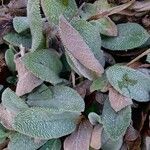
Stachys germanica
Downy woundwort · German hedgenettle · German hedge-nettle · Downy hedge-nettle · German stachys
Description
Source: leafsnapStachys germanica, commonly known as German Betony, is a perennial herbaceous plant that belongs to the Lamiaceae family. Native to Europe and Western Asia, it has been naturalized in North America. This plant can grow up to 60 cm in height and features a basal rosette of leaves that are ovate or lanceolate with toothed margins. The stem is square-shaped and has smaller, opposite leaves compared to the basal ones. The flowers of Stachys germanica are arranged in dense spikes atop the stem, blooming from June to August. They are tubular with two lips, ranging in color from pink to purple, and attract bees and butterflies for pollination. German Betony prefers well-drained soils but can tolerate a wide range, including clay soils. It grows best under full sun or partial shade but can also withstand full shade. Historically, Stachys germanica has been used for medicinal purposes due to its anti-inflammatory properties, which are beneficial for treating headaches, migraines, and digestive disorders such as diarrhea and dysentery. Beyond its medicinal uses, Stachys germanica is also valued for its ornamental appeal. Its attractive flowers make it an excellent addition to gardens and landscapes.
Care Guide
💧 Water Every 7 days
Originating from moderate climates, German hedge nettle thrives in evenly moist soil and has low drought tolerance, requiring weekly watering to maintain its foliage. This herbaceous perennial's growth cycles and water needs are greatly influenced by seasonal rainfall patterns.
How should I water my German hedge nettle plant?
When watering the German hedge nettle, it is recommended to use filtered water at room temperature. Tap water may contain harmful particles, which is why filtered water is better for this plant's health. The German hedge nettle is native to warm environments, so using cold water can be a shock to its system. Additionally, it is advised to avoid overhead watering, as it can cause problems with its foliage. Instead, the best way to water this plant is by applying filtered room temperature water directly to the soil until it is completely soaked. This helps the roots stay moist and allows them to spread and obtain the necessary nutrients from the soil.
What should I do if I give my German hedge nettle too much or too little water?
Overwatering and underwatering can harm your German hedge nettle, but overwatering is more common. Too much water can cause wilting, yellowing leaves, and diseases like root rot, mold, and mildew that can kill the plant. Underwatering is less likely for the German hedge nettle, which can tolerate drought, but it can still happen, resulting in brittle, brown leaves. It's important to recognize signs of overwatering early to prevent irreversible damage. Reduce watering immediately if you notice these signs and check the soil drainage. If it drains poorly, replace it with a well-draining potting mix. If your German hedge nettle needs more water, increase your watering schedule until the signs disappear.
How much should I water my German hedge nettle?
If you have a potted plant, the most accurate way to determine if your German hedge nettle needs water is by sticking your finger in the soil. If the top two to three inches of soil feel dry, it's time to water it. If you're growing the German hedge nettle in the ground, you can use the same method. When the first few inches of soil are dry, it's time to water. Typically, you'll need to water this plant about once a week in the spring and early fall. However, in extremely hot weather, you may need to water it twice a week or more. It's worth noting that mature, well-established German hedge nettles can tolerate drought quite well.
How much water does my German hedge nettle require?
When watering your German hedge nettle, don't be afraid to give it a generous amount of water. Make sure the first two to three inches of soil are dry before watering, and then give it a thorough soaking. You want to add enough water so that it completely saturates the soil and excess water flows out of the drainage holes at the bottom of the pot. If you don't see excess water draining, you may not have watered enough. However, be cautious not to let the water accumulate in the soil as this can harm the plant. On the other hand, if water is not draining properly, it could indicate that the soil is not draining well, which is unhealthy for the plant. If the German hedge nettle is planted outside, it typically only needs about 1 inch of rain per week.
How do I water my German hedge nettle as it grows?
The water needs of the German hedge nettle can vary depending on its growth stages. In the initial years and when transplanted to a new location, it requires more water than normal. During these stages, the plant focuses on developing roots to support future growth, so it benefits from additional moisture. As the plant matures, its water requirements decrease. Another stage that requires more water is during the bloom period, as flower development consumes a considerable amount of moisture. Therefore, you may need to provide extra water to your German hedge nettle during this time.
☀️ Light Full sun
German hedge nettle thrives in abundant sunlight and tolerates moderate sun exposure. Coming from habitats with strong light, it does best when exposed to full days of sun. Receiving either more or less light than this can reduce the plant's vigor and hinder its growth.
What are the sunlight requirements for German hedge nettle?
The German hedge nettle thrives best under conditions of abundant sunlight, ideally flourishing when exposed to full sun for a day, characterized by more than 6 hours of sunlight. It can also tolerate partial sun, which means about 3-6 hours of sunlight per day. It's crucial to observe how sunlight moves through your garden, positioning your plants in areas that provide an optimal balance of light and shade, ensuring the plants remain healthy and happy.
How does inadequate sunlight affect German hedge nettle?
When German hedge nettle is grown in conditions of inadequate lighting, it may exhibit several symptoms indicating stress due to light deficiency. These include smaller new leaves, leggy or sparse growth, faster leaf drop, halted or no new growth, and leaves developing lighter color or patterns. Additionally, excessive sunlight can cause chlorosis, sunscald, leaf curling, wilting, and leaf scorching, negatively impacting the plant's health and ability to photosynthesize.
What solutions can be applied if a German hedge nettle isn't getting enough light?
To address light deficiencies in German hedge nettle, consider gradually moving your plants to sunnier locations, increasing direct sunlight exposure to at least 6 hours daily. For indoor plants, use south-facing windows or supplement with artificial lighting ensuring at least 8 hours of light daily. Outdoors, make adjustments to the plant's location while avoiding sudden changes to prevent sunburn. Additionally, for ground plants, minimize obstructions by pruning or relocating the plant to a sunnier spot with ample light and good drainage. It's important to note that parts of the plant affected by poor light may not recover, but new growth will be healthy with improved light conditions.
Can artificial lighting be used for German hedge nettle, and what are the guidelines?
Yes, artificial lighting can be beneficial for German hedge nettle, especially when natural sunlight is insufficient, like during winter or in less sunny spaces. LED lights are recommended due to their ability to mimic specific wavelengths needed by plants. For full sun plants, aim for 30-50W/sq ft, for partial sun plants 20-30W/sq ft, and for full shade plants 10-20W/sq ft. The light source should be placed 12-36 inches above the plant to closely emulate natural sunlight conditions. Adjust the duration to mimic natural daylight hours, typically between 8-12 hours per day, facilitating optimal growth.
🌡️ Temperature 5–32.2°C
German hedge nettle is a plant that does well in native temperatures comparable to those of temperate regions. It prefers temperatures between 68 and 95 °F (20 to 35 °C). Seasonal adjustments may be necessary to maintain optimal growing conditions.
What are the essential care instructions for German hedge nettle?
German hedge nettle, known botanically as Stachys germanica, thrives in temperate climates, favoring temperatures between 68 to 95 °F (20 to 35 °C). To maintain optimal growth, seasonal adjustments may be necessary. Although it has strong cold resistance and special frost protection is usually not required, if temperatures are expected to fall below -30°C, protecting the plant with a layer of soil or straw is advised. Ensuring the soil is moist before the first freeze in autumn can help the plant avoid drought and water scarcity during the colder months.
How does low temperature affect German hedge nettle and what remedies are suggested?
German hedge nettle is quite cold-tolerant, thriving best above 20°C and should remain above 0°C during winter. However, temperatures dropping below -30°C might not visibly affect the plant during winter but can lead to reduced sprouting or no sprouting in spring. To mitigate this, remove any parts of the plant that fail to sprout once spring arrives.
What should be done if German hedge nettle is exposed to high temperatures?
During summer, it's crucial to keep German hedge nettle below 35°C, as temperatures exceeding 38°C can cause the leaves to lighten, curl, become prone to sunburn, and in severe cases, lead the whole plant to wilt and dry out. The recommended solution is to trim away sunburned and dried parts of the plant. Shifting it to a shaded location during the midday and afternoon sun, or using a shade cloth, can offer protection. Additionally, watering the plant in the morning and evening to maintain soil moisture is advised.
💨 Humidity
🪴 Soil 6-7
🌱 Fertilizer
The best time to fertilize a German hedge nettle is in early spring, as it breaks dormancy and starts active growth. Fertilization supplies essential nutrients for healthy development. Although German hedge nettle has fairly low fertilizer requirements, applying fertilizer annually can improve its survival and encourage better, longer-lasting flowers.
Why should I put fertilizer on my German hedge nettle?
The German hedge nettle relies heavily on its leaves for structure. Fertilizing is crucial for maintaining the appearance and function of these leaves. By fertilizing properly, you can ensure that the leaves remain vibrant and healthy. Fertilization also has benefits below the surface, as it aids in the growth of new roots and the maintenance of existing ones. In other words, fertilizing not only keeps the plant healthy in the present, but it also improves its ability to absorb soil nutrients in the future.
When should I add fertilizer to my German hedge nettle?
If you grow your German hedge nettle outdoors, it will start growing new leaves in early spring, indicating that it's time to fertilize it. Usually, the plant will do well with just one application of fertilizer in the spring. However, if you want to maximize its growth, you can fertilize it multiple times during the spring and early summer. In this case, you can feed the plant once every month to a month and a half.
When is it not a good idea to put fertilizer on my German hedge nettle?
During late fall and winter, your German hedge nettle will go dormant and stop growing. So, don't fertilize it during this period. However, during spring and summer, if you choose to fertilize it multiple times, start reducing the amount of fertilizer as summer approaches because the growth rate of your German hedge nettle will also slow down. In general, it's never a good idea to fertilize your German hedge nettle when the weather is excessively hot or the soil is extremely dry. Fertilizing in such conditions can stress your German hedge nettle and cause it to die prematurely.
What kind of plant food does my German hedge nettle need?
Choosing the best fertilizer for a German hedge nettle is actually quite simple. These plants will thrive with a general-purpose garden fertilizer that has equal amounts of nitrogen, phosphorus, and potassium. Look for a fertilizer with a 10-10-10 ratio or something similar. Avoid fertilizers with high nitrogen content if you're unsure. Granular fertilizers are the most effective for German hedge nettles, particularly those that are slow-release. These are easy to apply to the soil. Additionally, consider using organic soil amendments like compost to feed your German hedge nettle – it can be quite beneficial.
How can I give my German hedge nettle the nutrients it needs?
To ensure optimal growth of your German hedge nettle, wait until the first leaves have emerged in early spring. Once you see this, apply a balanced slow-release fertilizer to the soil surrounding the base of the plant. If desired, you can repeat this process later in the season. When applying fertilizer, make sure to target the soil at the base of the German hedge nettle rather than the plant itself. Sometimes, you may need to move leaves aside to access the soil above the roots. It's also recommended to water the plant before and after fertilizing.
🪴 Pot & Repot
✂️ Pruning
German hedge nettle is characterized by its soft, hairy leaves and purplish flower spikes. Pruning from early to late spring promotes growth and flowering, while removing dead stems improves air circulation. Light trimming after flowering can prevent seed formation and enhance the plant's health and appearance. For gardeners, regular pruning is essential to maintain these benefits.
🌿 Propagating
🐛 Diseases & pets
☠️ Toxicity
Characteristics
- Plant Type
- Herb
- Life Cycle
- Perennial, Annual, Biennial
- Genus
- Stachys
- Family
- Lamiaceae
- Hardiness Zone
- 4-8
- Mature Height
- 91 cm
- Mature Spread
- 76 cm
- Leaf Color
- Green
- Leaf Type
- Deciduous
- Flower Color
- Pink, Lavender
- Flower Size
- 1.52 cm to 2.03 cm
- Bloom Time
- Early summer, Mid summer
- Planting Time
- Spring, Summer, Autumn
- Harvest Time
- Late summer, Early fall