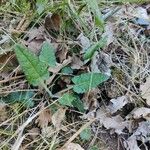
Stachys officinalis
Betony · Common Betony · Common hedgenettle · Wood betony
Description
Source: leafsnapStachys officinalis, commonly known as Betony, is a perennial herbaceous plant that belongs to the mint family. Native to Europe and Asia, it has been used for medicinal purposes for centuries. The plant grows up to 60 cm tall and features a square stem with opposite leaves that are hairy on both sides. The dark green leaves have serrated edges. The flowers of Stachys officinalis are small, tubular-shaped, and arranged in dense spikes at the top of the stem. They bloom from June to August and can be pink or purple. Traditionally, the roots of Betony have been used as a remedy for headaches, anxiety, insomnia, and digestive problems such as indigestion and diarrhea. It was also believed to have magical properties, such as warding off evil spirits. Today, Stachys officinalis is still used medicinally and is also grown ornamentally in gardens due to its attractive flowers and foliage. It prefers well-drained soil with full sun exposure but can tolerate partial shade. Overall, Stachys officinalis is an interesting plant that has played an important role throughout history, both medicinally and culturally, while still being appreciated today for its beauty in gardens around the world.
Care Guide
💧 Water Every 7 days
This herb suffers in soil that is too wet or too dry. Aim to water your plant to maintain consistently moist soil and allow the ground to dry slightly between watering sessions.
☀️ Light Full sun
Betony grows best with ample sunlight, though it can survive in locations with moderate light. From seedling through maturity, the plant's growth, flowering, and overall health depend strongly on adequate sun exposure. Too much or too little light can hinder growth and cause damage. Its native habitat shows similar light conditions.
🌡️ Temperature 5–32.2°C
Betony is a plant native to temperate regions, prospering at ambient temperatures of 41 to 90 °F (5 to 32 ℃). To support its growth, keep temperatures consistent with its native habitat and adjust them during seasonal changes as needed.
💨 Humidity
🪴 Soil 5-7
🌱 Fertilizer
The best time to fertilize Betony is in early spring, as it comes out of dormancy and begins active growth. Fertilizing supplies essential nutrients for healthy development. Although Betony requires relatively little fertilizer, applying it annually can improve its survival and encourage better, longer-lasting flowers.
🪴 Pot & Repot
✂️ Pruning
You won’t need to prune your Betony Herb. you may deadhead spent blooms to encourage continual flowering and prevent self-seeding.
🌿 Propagating
🐛 Diseases & pets
☠️ Toxicity
Characteristics
- Plant Type
- Herb
- Life Cycle
- Perennial
- Genus
- Stachys
- Family
- Lamiaceae
- Hardiness Zone
- 5-8
- Mature Height
- 46 cm to 61 cm
- Mature Spread
- 46 cm
- Leaf Color
- Green
- Leaf Type
- Semi-evergreen, Deciduous
- Flower Color
- Purple, Pink
- Flower Size
- 4.06 cm
- Bloom Time
- Early summer, Mid summer
- Planting Time
- Spring
- Harvest Time
- Mid summer