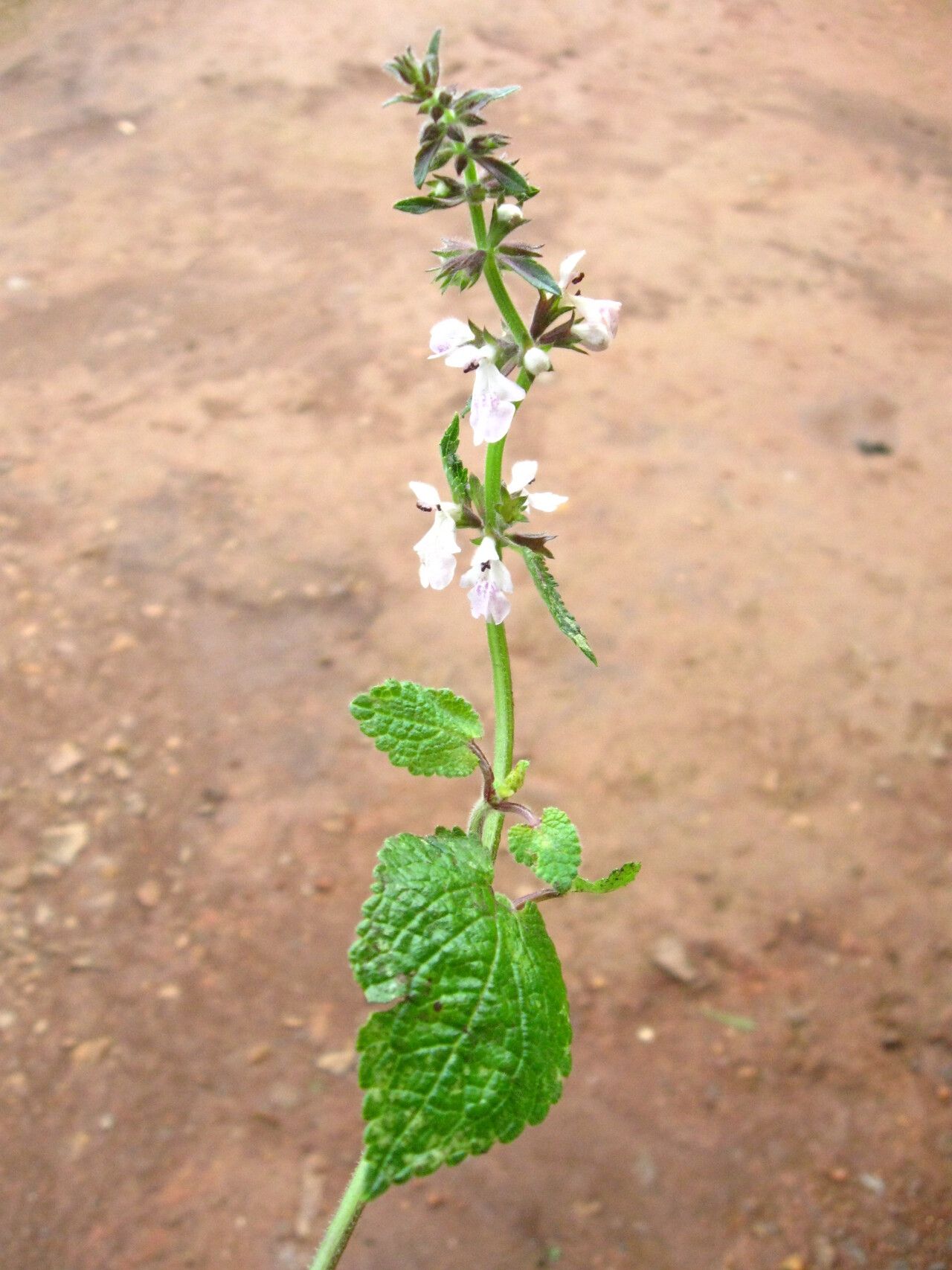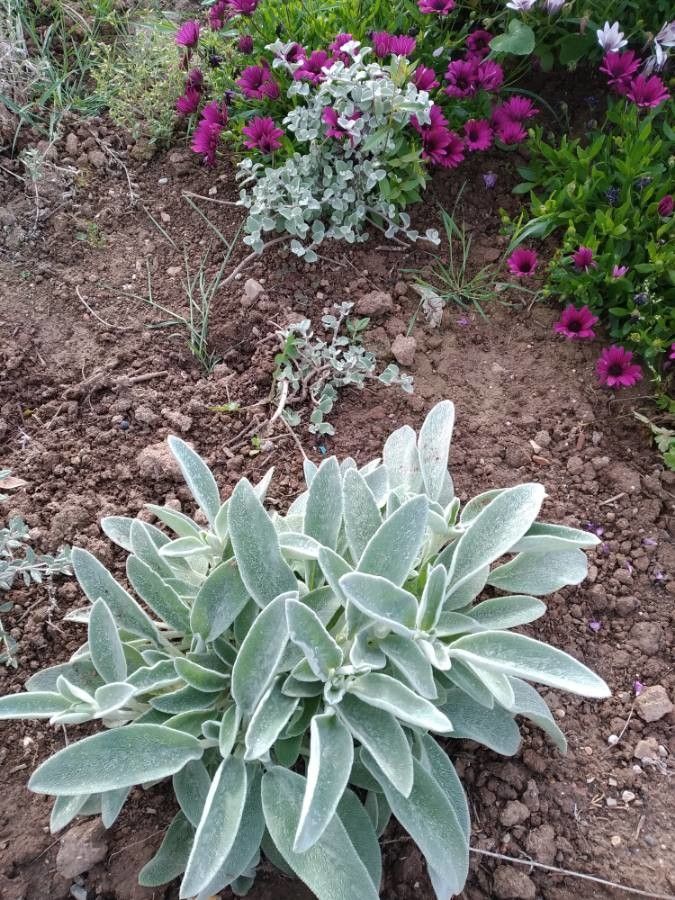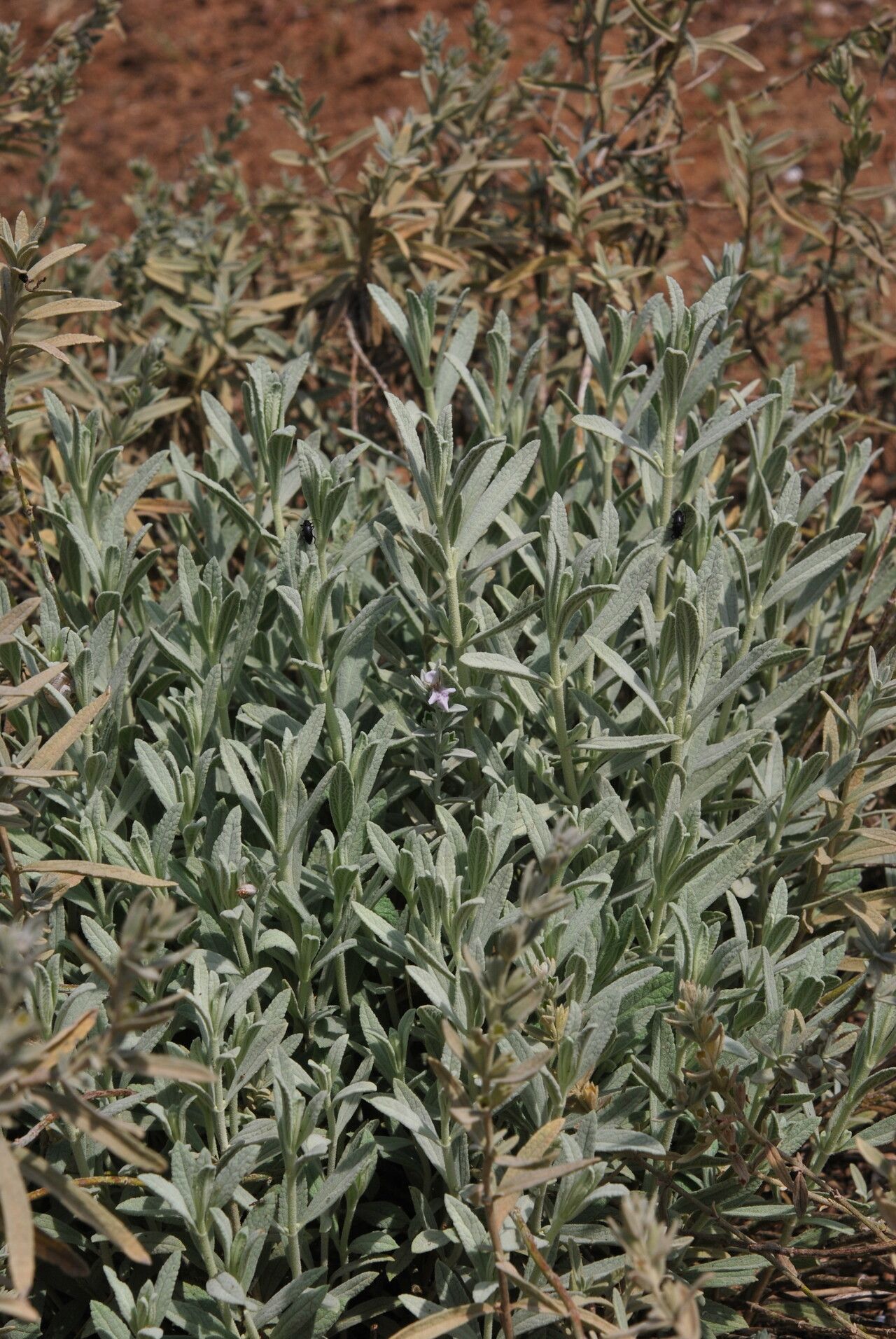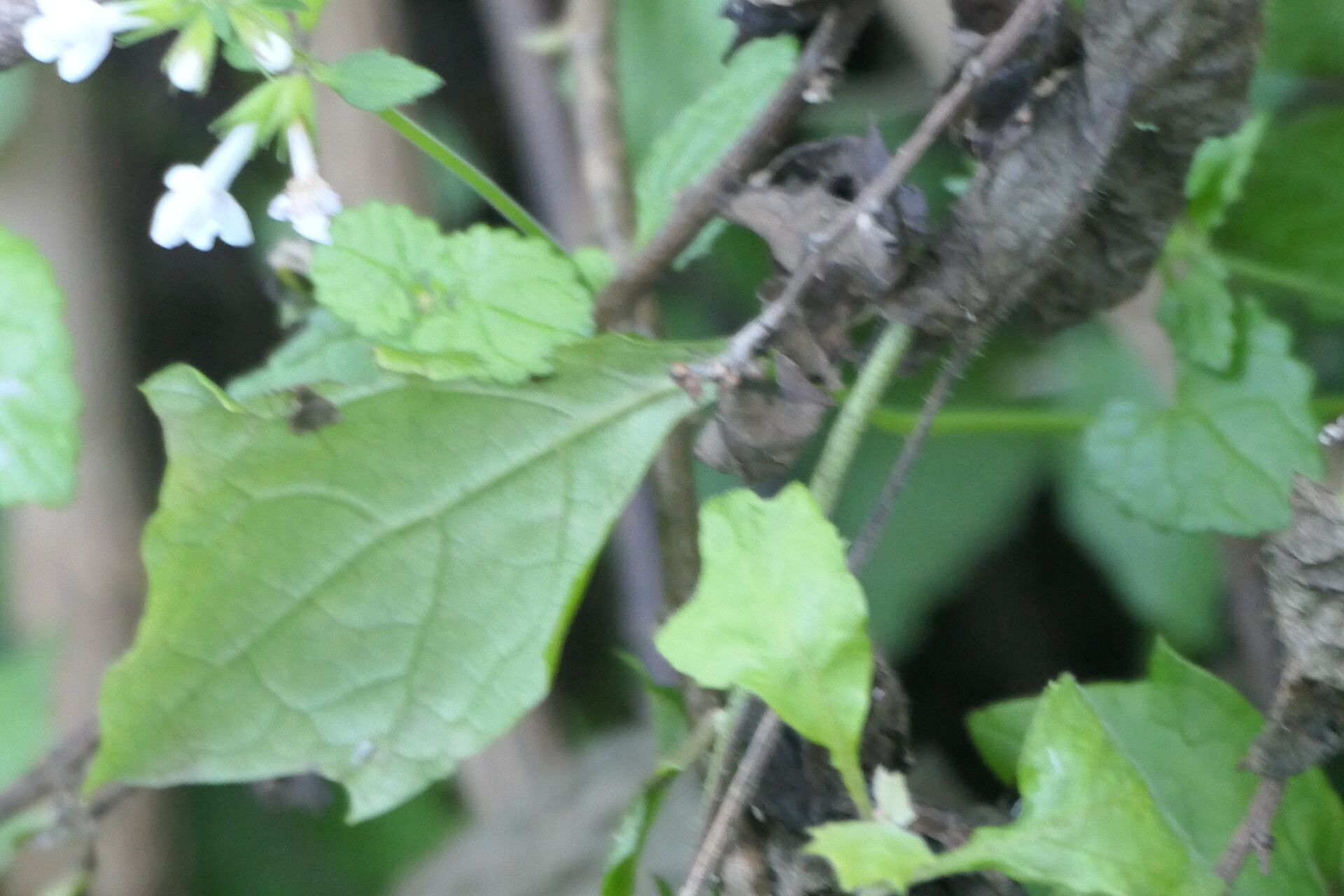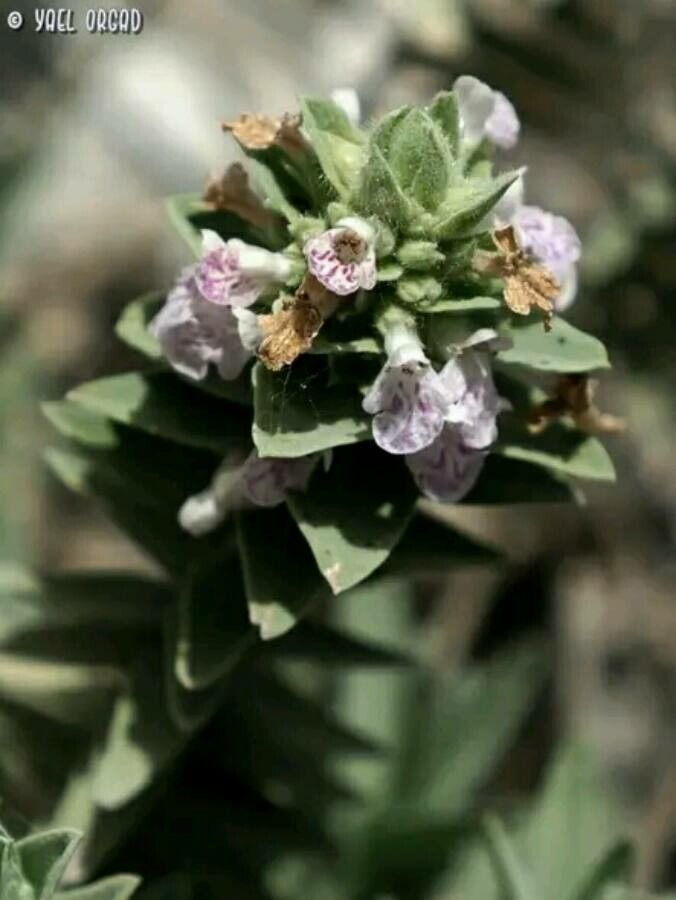
Palestine woundwort has strong disease resistance and is normally not prone to illnesses. However, it can be vulnerable to pests and diseases present in its environment; these issues are typically mild. Regarding care, the plant requires moderate maintenance. It should be pruned regularly to keep a neat appearance and support healthy growth. Fertilizing can also assist in encouraging flowering. Palestine woundwort is well suited for anyone with outdoor space, such as a garden or patio, and does not demand extensive care experience. It may need extra attention when grown indoors.
How to keep Stachys Palaestina.
Light
The Palestine woundwort flourishes in locations that receive abundant sunlight throughout the day. It grows robustly under strong sunlight, yet remains hardy even when allowed slightly lesser light. Growth can be inhibited in overly shadowed locations, and too much light could potentially damage the plant. This flexible sunlight tolerance is reflected in its native habitat.
Water
Palestine woundwort thrives in environments with moderate rainfall and exhibits some drought tolerance. It should be watered weekly and prefers high humidity levels, so growing it outdoors can help maintain its natural water balance.
Temperature
The Palestine woundwort thrives in climates where the temperature ranges from 15 to 35 ℃ (59 to 95 ℉). It enjoys a warm to hot climate and might need to adapt in chillier seasons. For the most suitable growth conditions, try to maintain a consistent temperature between 15 to 35 ℃ (59 to 95 ℉).
Fertilizer
Typically, a one-time fertilizer application in spring is adequate for Palestine woundwort, however, to boost growth, multiple feedings are recommended. Apply fertilizer every one to one and a half months. This process improves the look and function of leaves by maintaining their color and promoting a healthy texture. It also encourages root development and the absorption of nutrients, contributing to the sustained wellbeing of the plant.
Pruning
Palestine woundwort is known for its attractive foliage and flowers. To keep it healthy, prune the plant from early to late spring. Focus on removing dead stems and thinning out crowded areas to improve air circulation. Regular trimming promotes healthy growth, boosts vigor, and helps maintain its shape, making Palestine woundwort a strong and appealing addition to any garden.
Botanical profile.
- Plant Type
- Herb
- Life Cycle
- Perennial
- Genus
- Stachys
- Family
- Lamiaceae
- Hardiness Zone
- 7-9
- Mature Height
- 61 cm to 91 cm
- Mature Spread
- 49 cm to 91 cm
- Leaf Color
- Silver
- Leaf Type
- Evergreen
- Flower Color
- Pink, Lavender
- Flower Size
- 1.02 cm to 1.52 cm
- Bloom Time
- Mid spring, Late spring, Early summer
- Planting Time
- Spring
- Harvest Time
- Summer
- Native Area
- Lebanon