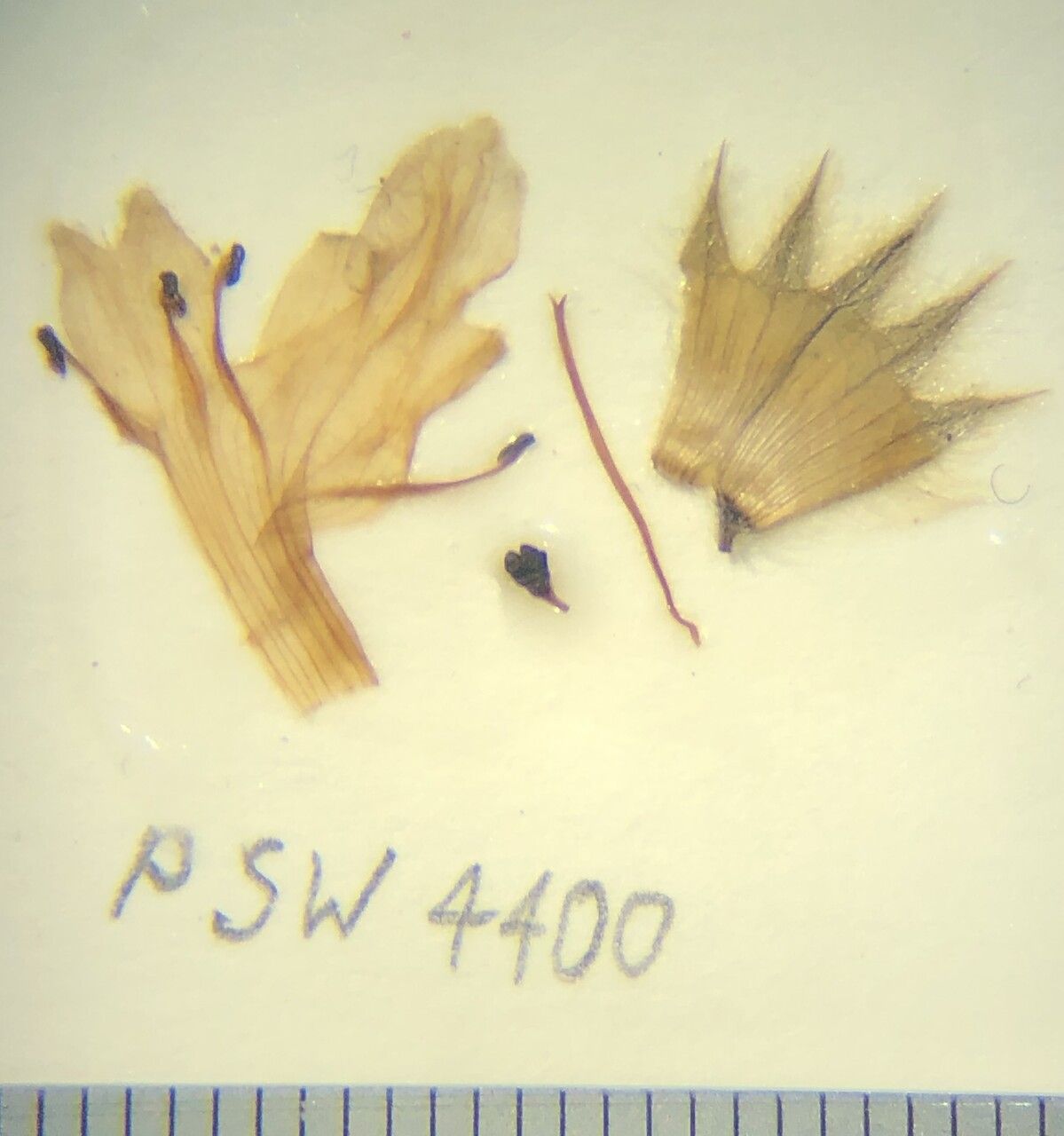
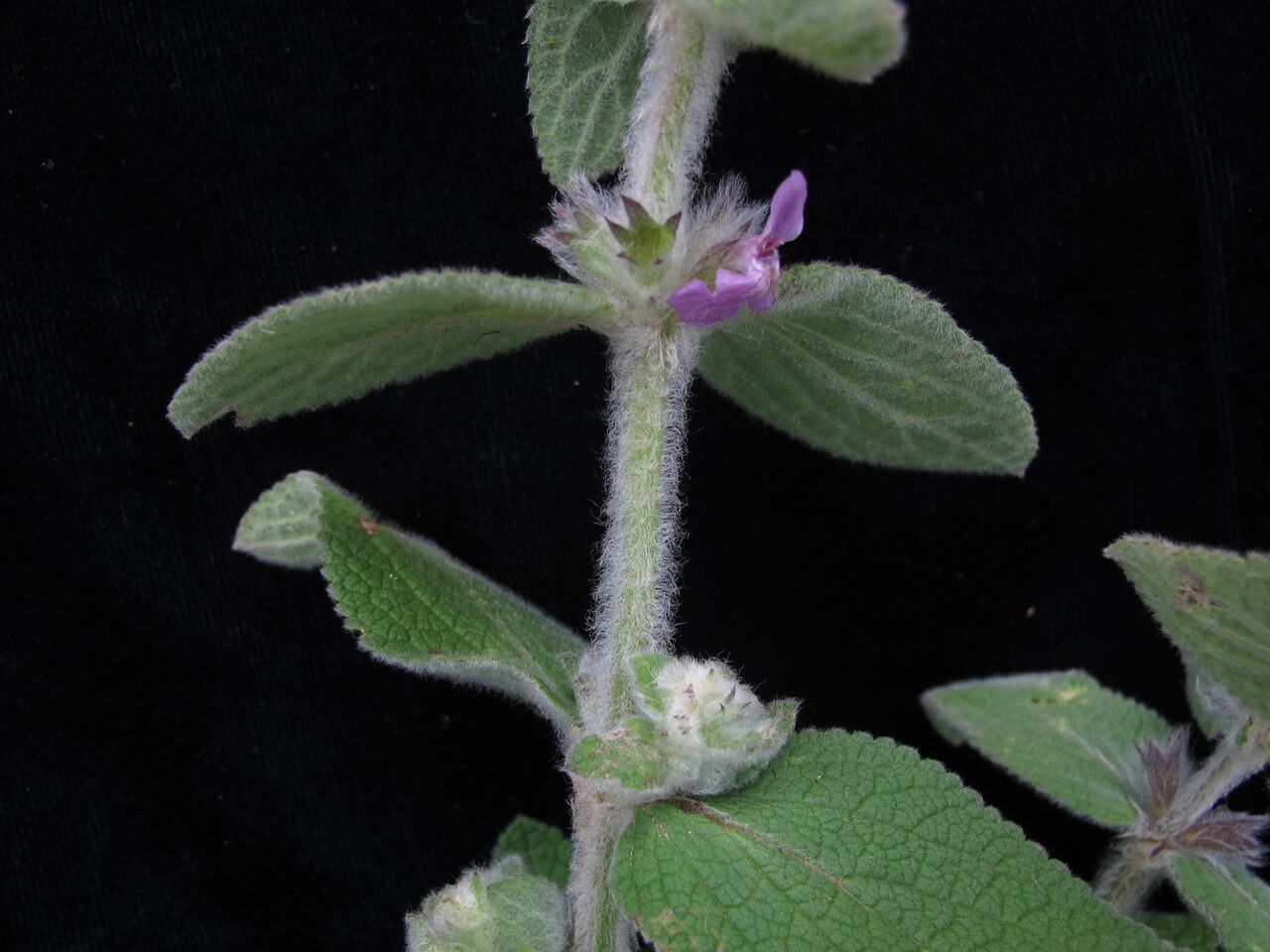
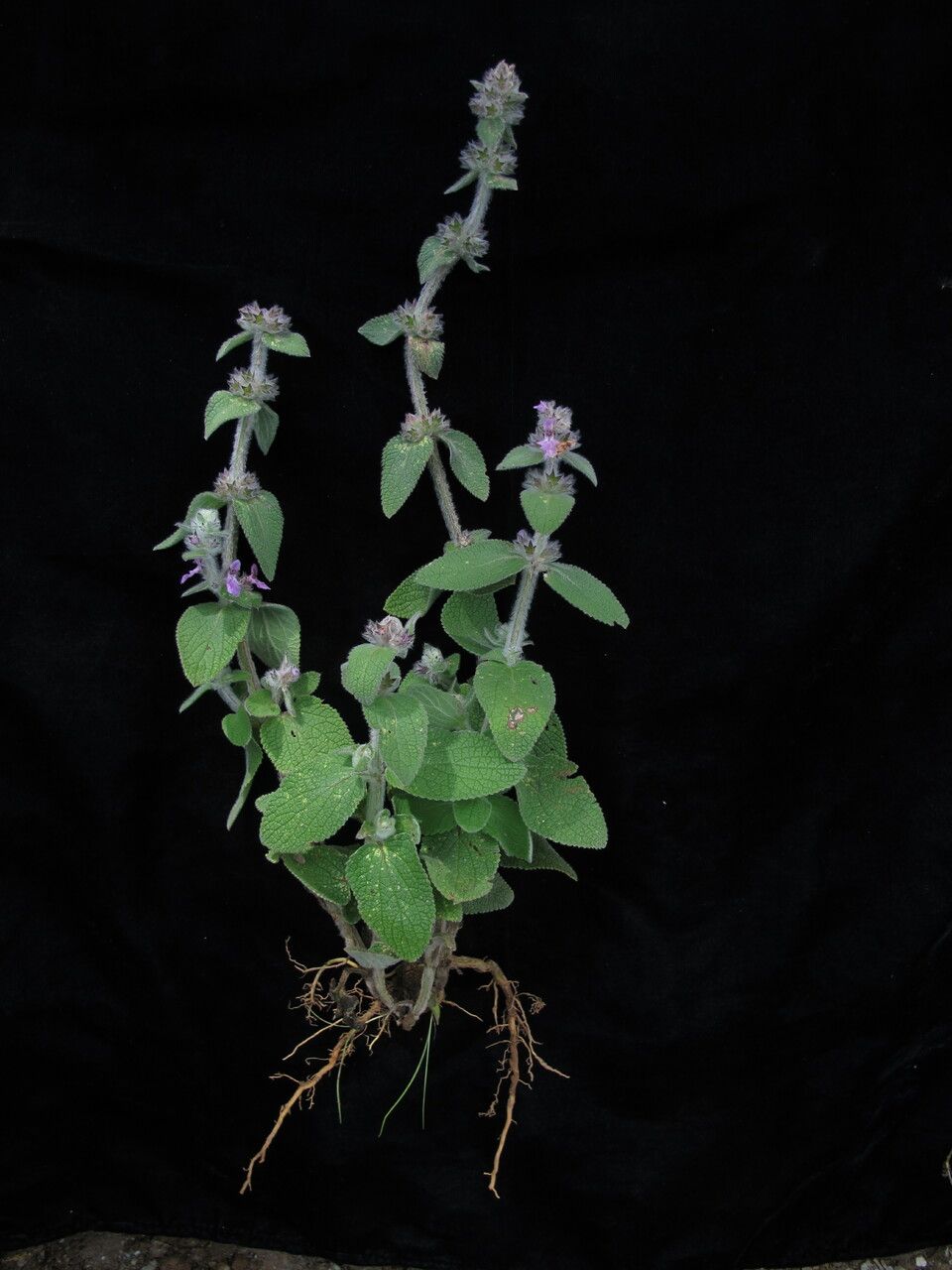
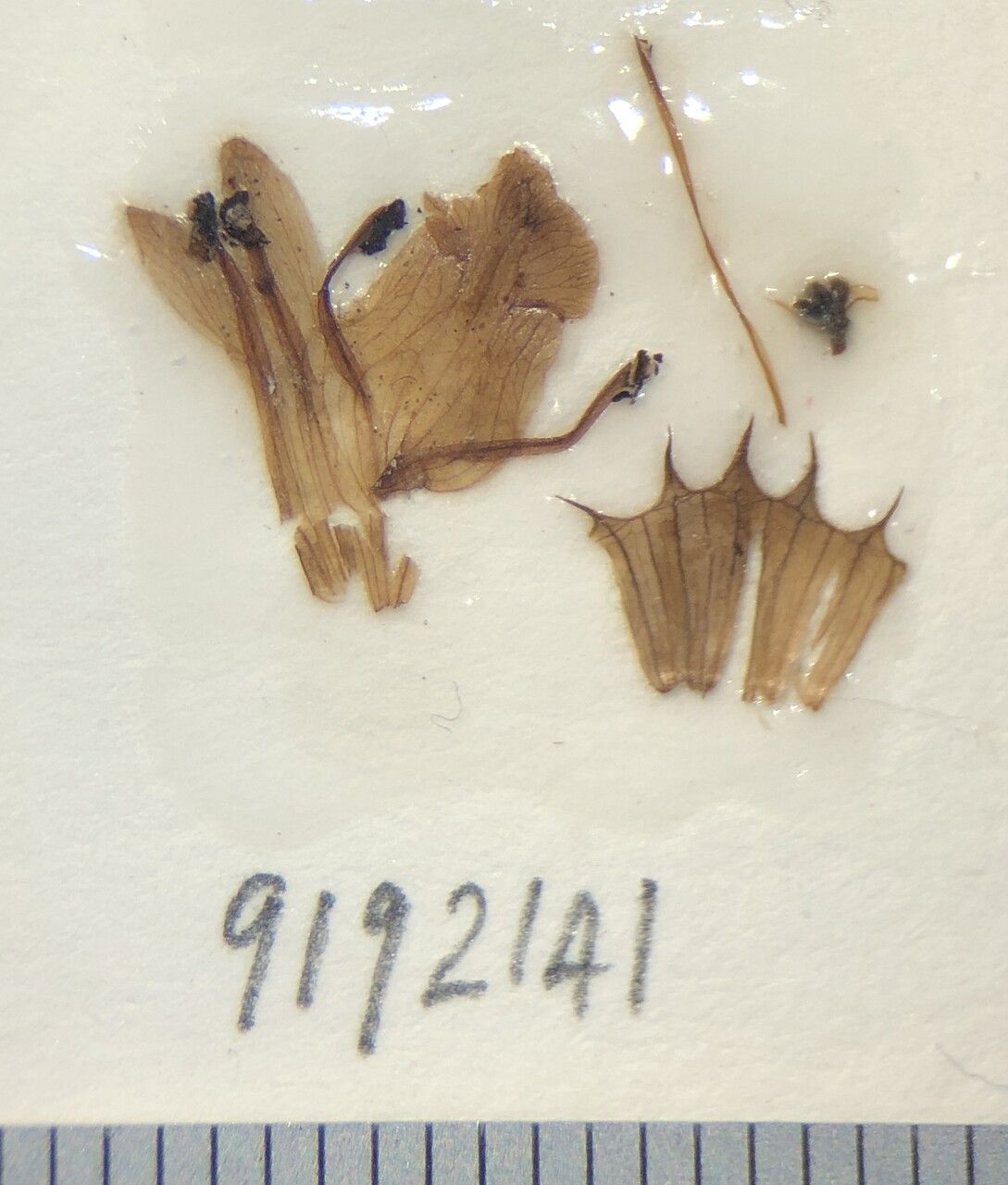
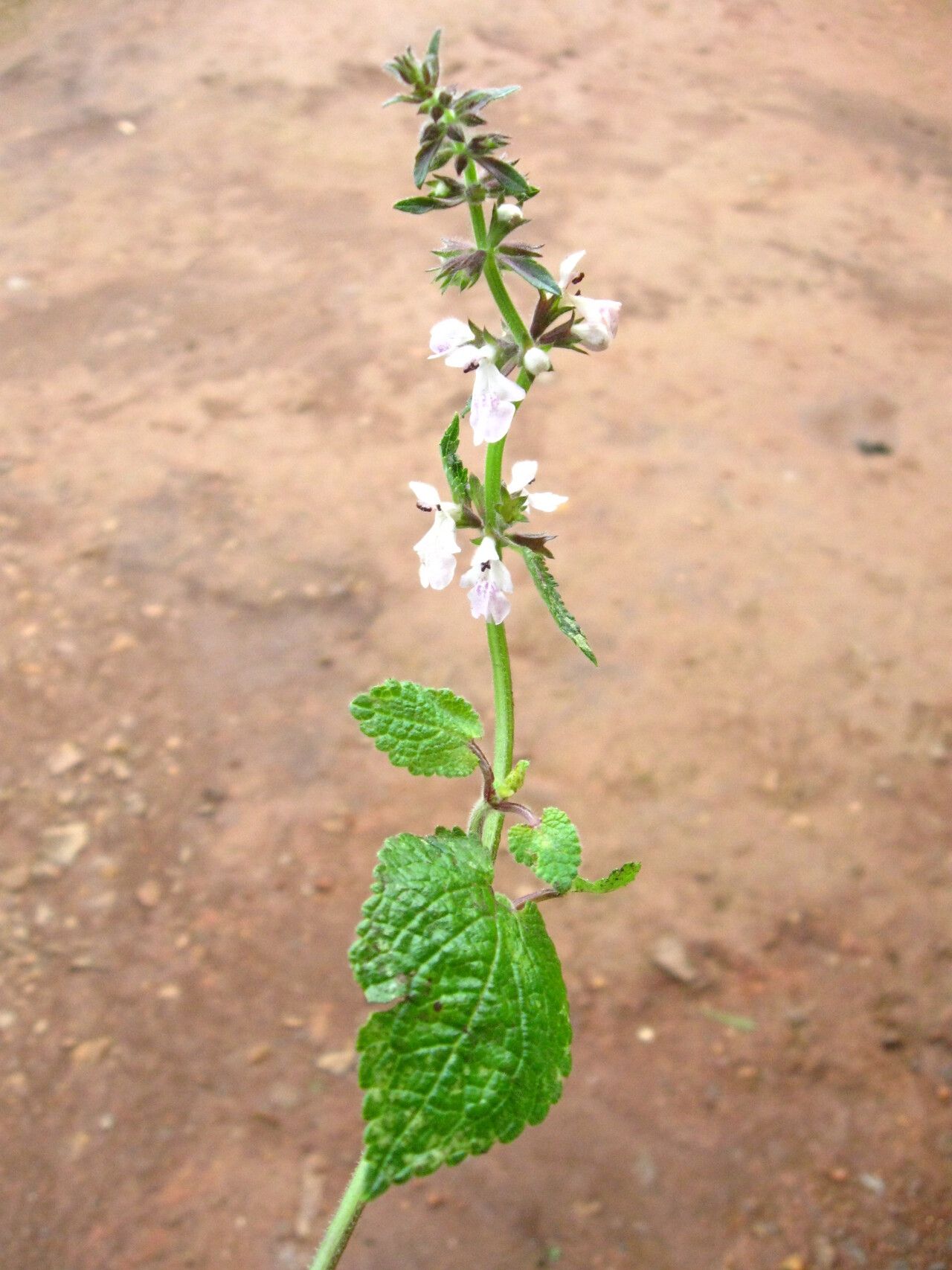
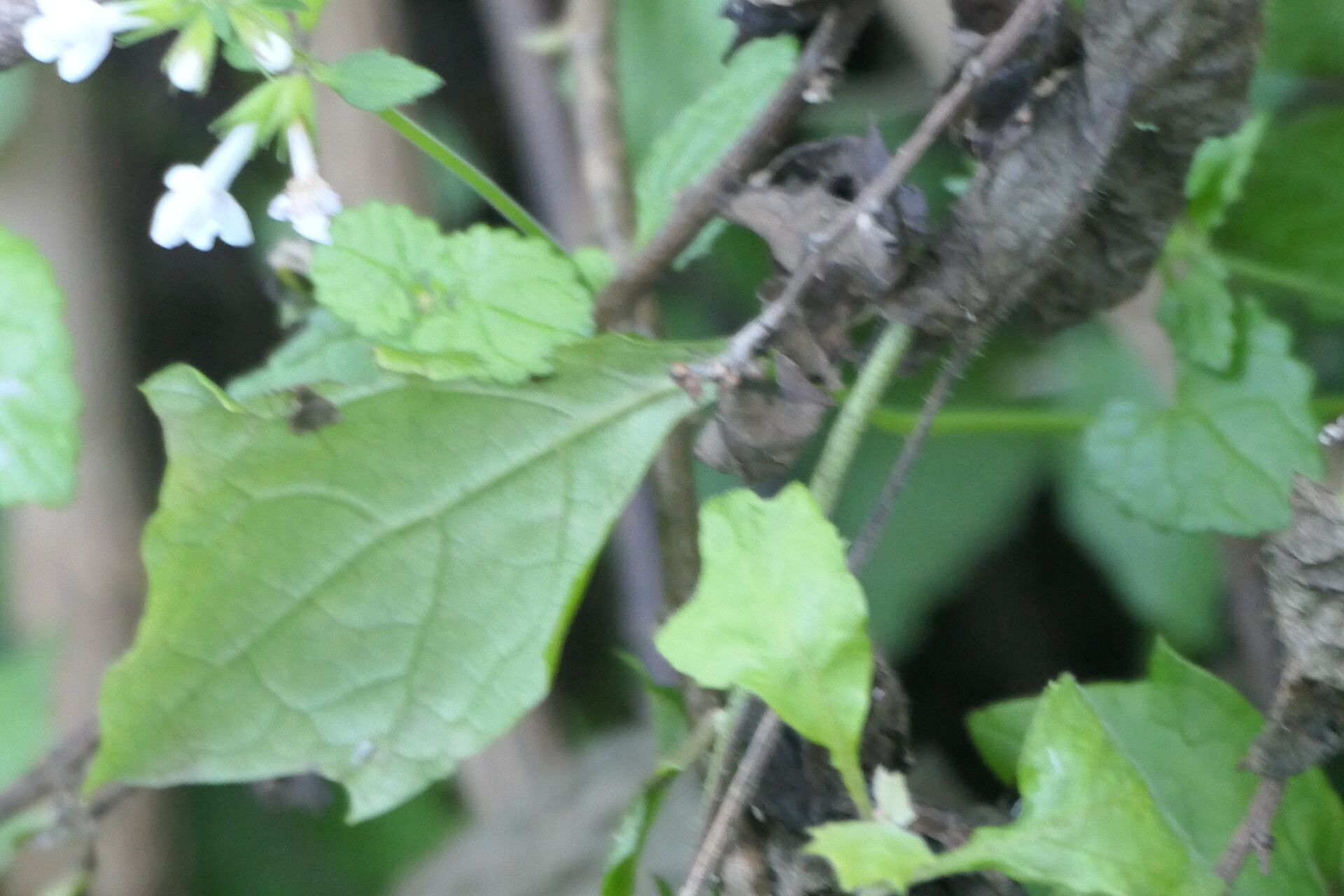
Stachys rigida, with the common name rough hedgenettle, is a perennial herb native to the western United States. It grows in foothills, mountains, valleys, and coasts at elevations of 14 to 2340 m. S. rigida blooms in May–July. There are two varieties classified: Stachys rigida var. quercetorum and Stachys rigida var. rigida. Variety quercetorum is only found in California and Oregon.
Rough hedgenettle possesses good disease resistance and is usually not prone to illnesses. Still, it can be affected by pests and diseases present in its environment. These problems are generally not serious. In terms of care, this plant needs a moderate level of maintenance. It should be pruned regularly to retain an attractive appearance and support healthy growth. Fertilizing can also encourage flowering. Rough hedgenettle is appropriate for anyone with outdoor space, such as a garden or patio, and does not demand extensive care experience. It may require increased attention when cultivated indoors.
How to keep Stachys Rigida.
Light
Rough hedgenettle prospers with abundant sunlight and can tolerate lower light conditions. Excessive shade, however, can restrict its growth. Originally found in sunny habitats, rough hedgenettle needs plenty of sun for healthy development, though inadequate light can lead to issues like weak stems and pale leaves.
Water
Rough hedgenettle thrives in soil with moderate moisture and good drainage. While it can withstand temporary droughts, it should be watered weekly. As an herbaceous perennial, it benefits from conditions similar to its native habitat. Monitoring soil moisture is essential during its active growth phase to prevent overwatering.
Temperature
Rough hedgenettle is a plant native to temperate regions and favors temperatures from 59 to 89.6 °F (15 to 32 °C). Small seasonal temperature adjustments can improve its growth slightly, but major changes are typically unnecessary.
Fertilizer
The best time to fertilize a Rough hedgenettle is in early spring, when it is coming out of dormancy and starting active growth. Fertilization supplies essential nutrients for healthy development. Although Rough hedgenettle has fairly low fertilizer requirements, applying fertilizer annually can improve its survival and encourage better, longer-lasting flowers.
Pruning
Rough hedgenettle features sturdy stems and serrated leaves, and it thrives when pruned from early to late spring. To maintain its health and appearance, remove any dead stems, thin out overcrowded sections, and cut back the plant after it flowers to promote denser growth. Consistent pruning boosts the plant's health, encourages new growth, and helps prevent diseases, making the timing of these actions crucial for vigorous development and blooming.
Botanical profile.
- Plant Type
- Herb
- Life Cycle
- Perennial
- Genus
- Stachys
- Family
- Lamiaceae
- Hardiness Zone
- 7
- Mature Height
- 91 cm
- Mature Spread
- 30 cm to 91 cm
- Leaf Color
- Green, Dark Green
- Leaf Type
- Semi-evergreen
- Flower Color
- White, Pink, Purple
- Flower Size
- 1.02 cm to 1.52 cm
- Bloom Time
- Summer
- Planting Time
- Spring
- Harvest Time
- Late summer, Early fall, Mid fall
Other names.
Reader questions.
What are the sunlight requirements for growing Rough Hedgenettle?
Rough hedgenettle flourishes best in areas with full sunlight exposure, defined as more than 6 hours of direct sunlight daily. It can also thrive in partial sun conditions, characterized by roughly 3-6 hours of sunlight. However, it's crucial to observe your garden's sun and shade patterns throughout the day to find the optimal spot for your plant. A balance that avoids extreme conditions while providing sufficient light is key for the plant's health and growth.
What is the native climate for Rough hedgenettle?
Rough hedgenettle is native to temperate climates and prefers temperatures between 59 to 89.6 °F (15 to 32 °C). The plant shows strong cold resistance, meaning special frost protection measures are not generally necessary. However, in temperatures expected to drop below -15°C, some form of cold protection is recommended, such as covering the plant with soil or straw. Additionally, watering the plant abundantly before the first freeze in autumn helps keep the soil moist, aiding the plant through winter and early spring.
What are the general care essentials for Rough Hedgenettle?
Rough Hedgenettle requires ample sunlight for optimal health and development, thriving in conditions ranging from full sun to partial sunlight. It's vital for ensuring the plant does not suffer from issues such as weak stems or pale leaves, which can occur if the plant is placed in too much shade. In scenarios where natural sunlight is not enough, such as during winter or in less sunny indoor spaces, artificial light sources can be a beneficial supplement. LEDs are a popular choice for indoor lighting, providing specific wavelengths needed for growth. The lighting needs depend on the type of sunlight exposure the plant requires; full sun plants need between 30-50W/sq ft, partial sun plants 20-30W/sq ft, and full shade plants 10-20W/sq ft. The light source should be placed 12-36 inches above the plant and kept on for 8-12 hours a day to mimic natural sunlight conditions.
How does Rough hedgenettle react to low temperatures?
Rough hedgenettle is cold-tolerant and can thrive well above 15°C. During winter, keeping the plant above -10°C is advisable. If temperatures fall below -15°C, there might not be noticeable changes during the winter, but there could be a decrease in sprouting or no sprouting at all come springtime. To address these issues, removing parts of the plant that have failed to sprout in the spring is recommended.
What symptoms indicate a Rough Hedgenettle is not receiving sufficient light?
If a Rough Hedgenettle is not getting enough light, several symptoms might surface, including smaller new leaves, leggy or sparse growth, early leaf drop, halted growth, pale new leaves, and symptoms linked to excessive sunlight like chlorosis, sunscald, leaf curling, wilting, and leaf scorching. These signs suggest the plant is struggling either due to too little light or too much direct sunlight. Understanding and recognizing these symptoms can help in adjusting the plant's environment to better suit its needs.
What should be done if Rough hedgenettle experiences high temperatures?
In high temperatures, particularly during summer, it's important to ensure that Rough hedgenettle's environment stays below 32°C. Exceeding 35°C may cause the leaves to lighten in color, curl, become susceptible to sunburn, and in severe cases, wilt and dry out. To mitigate these effects, trim away the sunburned and dried parts of the plant. Moving the plant to a shaded area during the midday and afternoon sun or using a shade cloth can help. Additionally, watering the plant in the morning and evening to keep the soil moist is beneficial.
How can I address sunlight-related issues in Rough Hedgenettle?
To address insufficient sunlight, gradually increase the plant's sun exposure by moving it to sunnier spots each week, aiming for at least 6 hours of direct sunlight daily. Utilize a south-facing window for indoor plants, and consider artificial lighting if relocation isn't feasible. For outdoor plants, a gradual adjustment likewise helps prevent sunburn. If light obstruction is an issue, such as from trees, pruning might be necessary to enhance sunlight access. For smaller plants that can be easily moved, consider transplanting during their dormant period to a more sunlight-friendly location. Note that while some parts of the plant may not recover from sunlight deprivation, new growth should reflect the improved conditions.
What is the botanical name of Rough hedgenettle?
The botanical name of Rough hedgenettle is Stachys rigida.