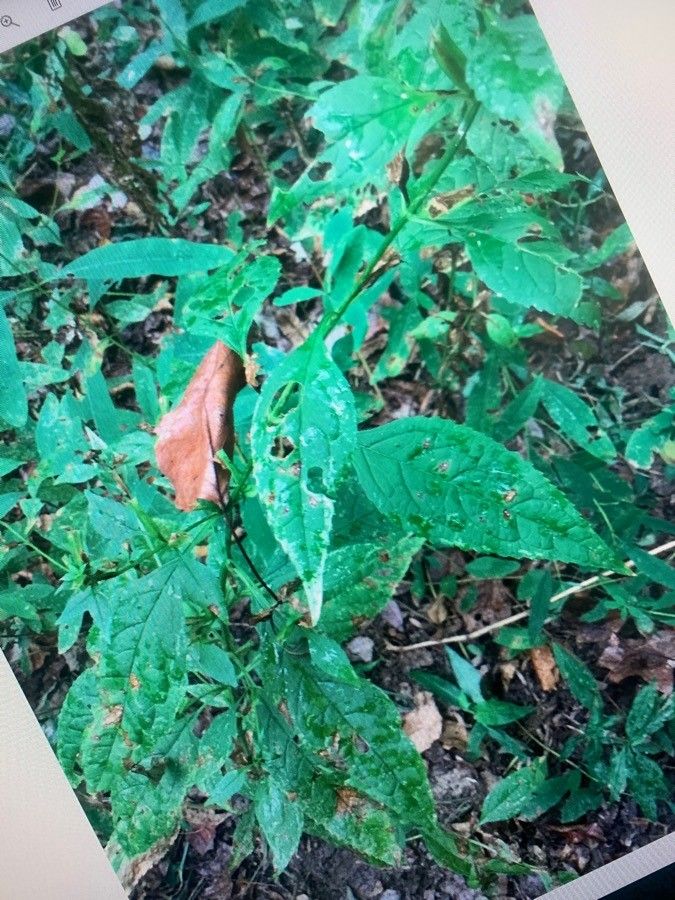
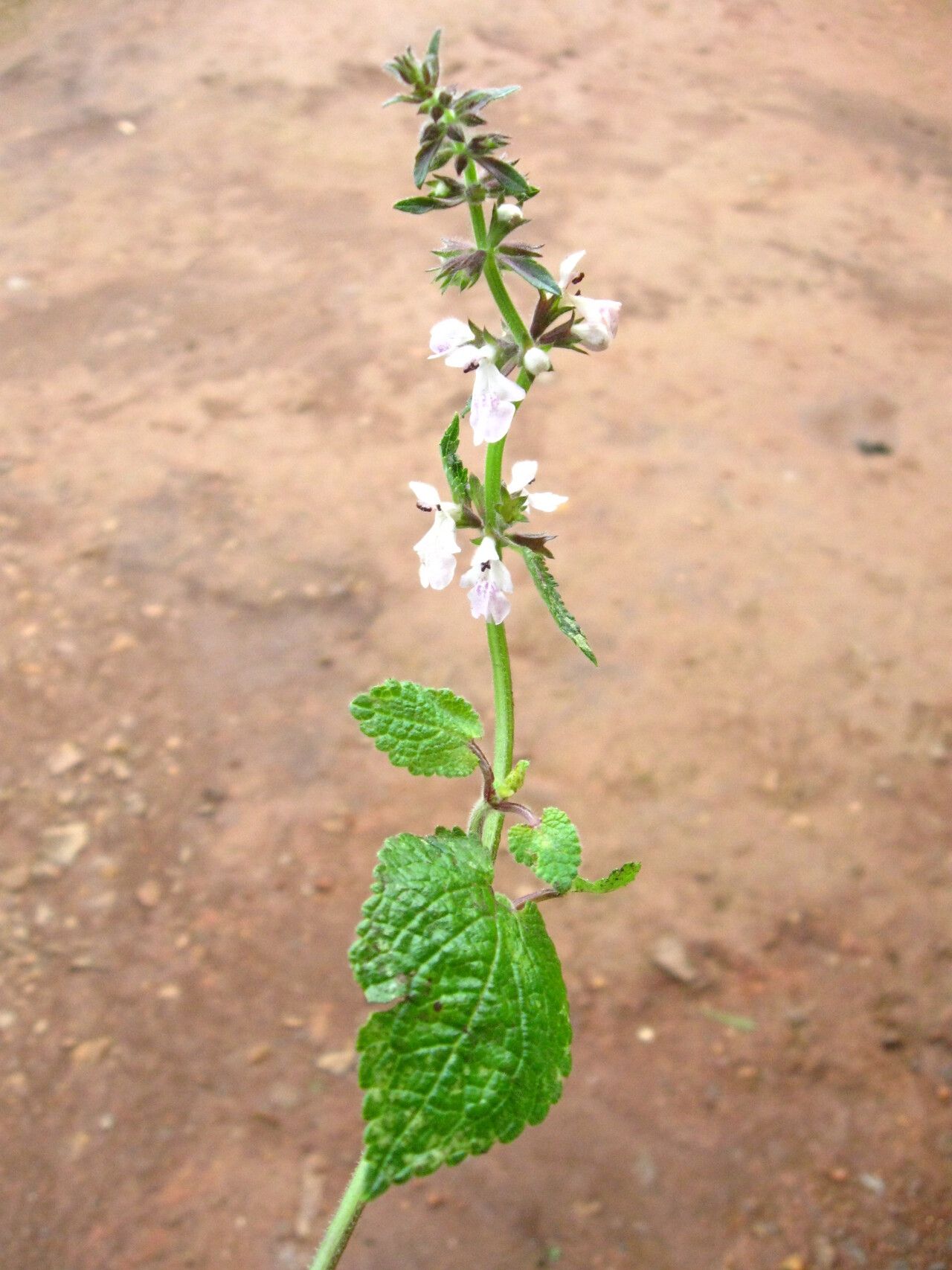
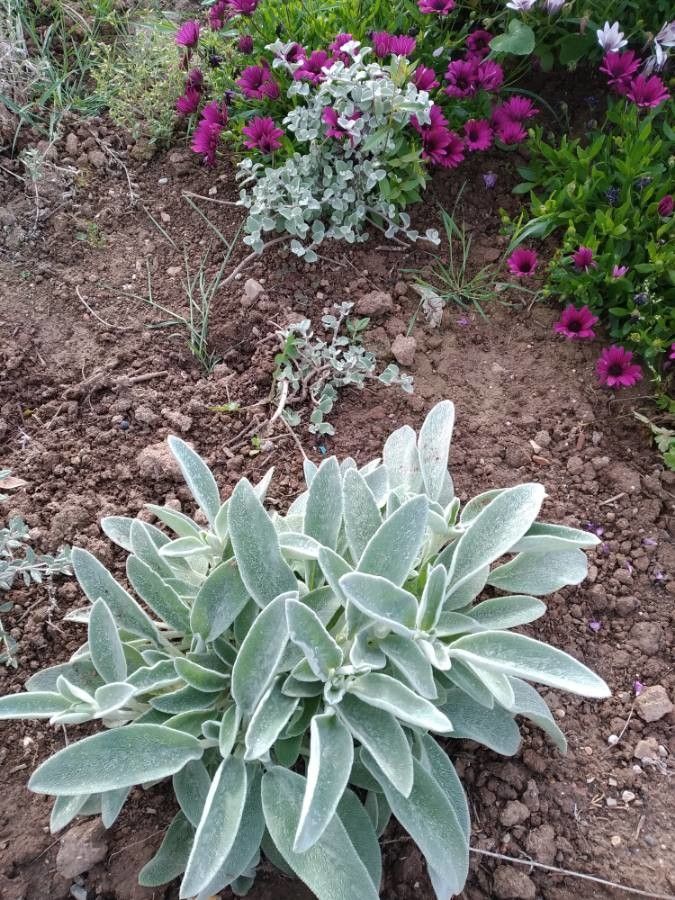
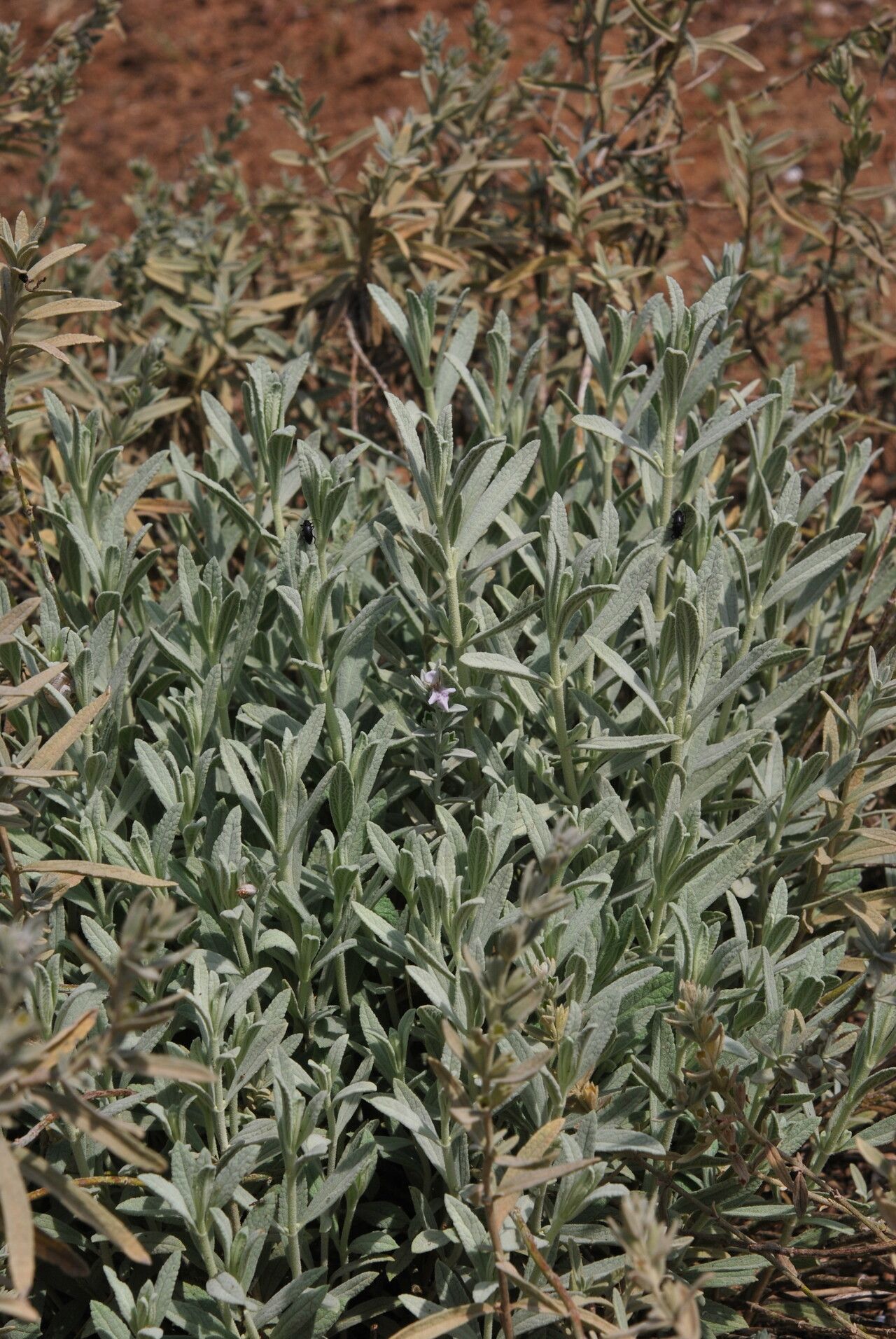
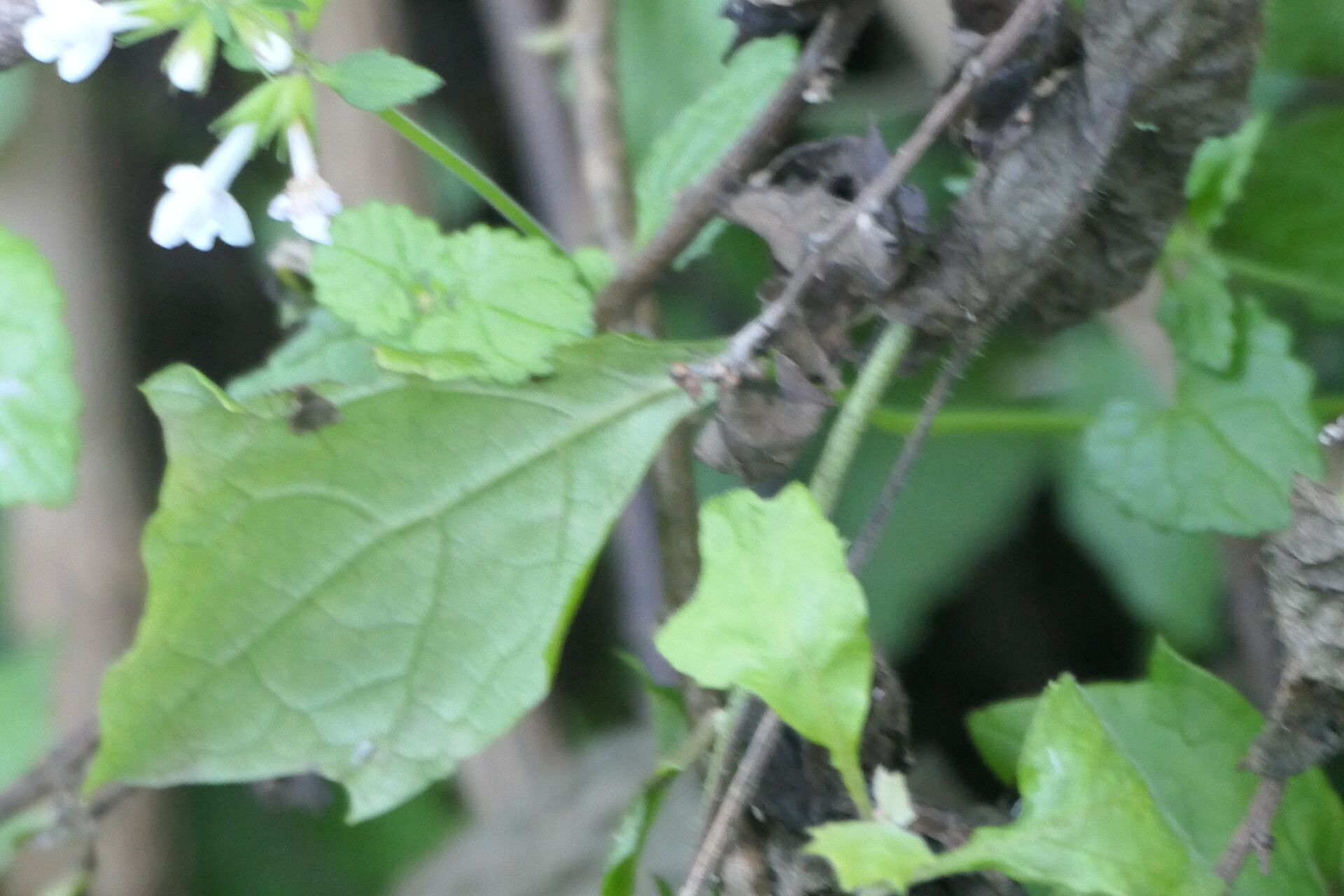
Stachys tenuifolia, the smooth hedgenettle, is a herbaceous perennial plant in the family Lamiaceae.
Smooth hedgenettle has strong resistance to disease and is generally not prone to illnesses. Still, it can be affected by pests and diseases present in its environment. Such infections are generally mild. Regarding care, this plant needs moderate maintenance. It should be pruned regularly to maintain an attractive appearance and healthy growth. Fertilizing can also help encourage flowering. Smooth hedgenettle is appropriate for anyone with outdoor space, such as a garden or patio, and does not demand extensive gardening experience. It may require more attention if kept indoors.
How to keep Stachys Tenuifolia.
Light
Smooth hedgenettle is a sun-loving perennial herbaceous plant native to open habitats, commonly thriving in meadows and grasslands. It prefers full sun but can also tolerate partial sun.
Water
Smooth hedgenettle thrives in consistently moist conditions and cannot tolerate drought. To maintain an even level of moisture, water the plant weekly during its active growing season. Make sure the soil stays moist but not waterlogged to encourage lush foliage and promote optimal health.
Temperature
Smooth hedgenettle can adjust to a wide variety of temperature conditions, but its distribution can still be constrained by particular combinations of moisture and heat. It does best in warm summer climates with adequate rainfall or watering. Long stretches of cloudy, rainy weather, and extended high temperatures can raise the chance that Smooth hedgenettle will die. In winter, proper protection from the cold can increase its survival rate.
Fertilizer
The best time to fertilize a Smooth hedgenettle is in the early spring, when it is coming out of dormancy and starting active growth. Fertilizing supplies essential nutrients needed for healthy development. Although Smooth hedgenettle has relatively low fertilizer requirements, applying fertilizer annually can enhance its survival and encourage better, longer-lasting flowers.
Pruning
Smooth hedgenettle has slender stems and soft leaves. To encourage healthy growth and flowering, prune it from early to late spring. Regularly removing dead stems will improve air circulation and increase the plant's vigor. Using optimal pruning techniques is crucial for maintaining the health and appearance of smooth hedgenettle. For more advanced methods, consult gardening guides.
Botanical profile.
- Plant Type
- Herb
- Life Cycle
- Perennial
- Genus
- Stachys
- Family
- Lamiaceae
- Hardiness Zone
- 4-8
- Mature Height
- 30 cm to 61 cm
- Mature Spread
- 30 cm to 46 cm
- Leaf Color
- Green, Dark Green
- Leaf Type
- Semi-evergreen
- Flower Color
- Pink
- Flower Size
- 15.24 cm
- Bloom Time
- Summer
- Planting Time
- Spring, Summer, Autumn
- Harvest Time
- Late summer, Early fall, Mid fall
Other names.
Reader questions.
What are the sunlight requirements for Smooth hedgenettle?
Smooth hedgenettle is a perennial herbaceous plant that loves the sun and typically originates from open habitats, such as meadows and grasslands. It prefers full sun conditions, which means it thrives best with above 6 hours of sunlight per day. However, it can also tolerate partial sun situations, requiring around 3-6 hours of sunlight daily. It's essential to observe the patterns of sunlight in your garden to find spots with the ideal balance of light and shade, ensuring your Smooth hedgenettle grows happily.
How can artificial lighting support Smooth hedgenettle growth indoors?
Indoor Smooth hedgenettle plants can benefit significantly from artificial lighting, especially when natural sunlight is scarce during winter or in less sunny areas. Artificial lights, such as LED lights, are advisable because they can be tailored to provide specific light wavelengths essential for plant growth. For optimal growth, full sun plants require 30-50W per square foot, partial sun plants need 20-30W per square foot, and full shade plants should have 10-20W per square foot of artificial light. Place the light source 12-36 inches above the plant to emulate natural sunlight conditions. Ensuring the plant receives 8-12 hours of light per day will mimic natural daylight hours, promoting healthier growth.
What are the symptoms of inadequate lighting for Smooth hedgenettle?
Smooth hedgenettle exposes several symptoms when subjected to inadequate lighting, which are essential for plant caregivers to recognize. These include the appearance of smaller new leaves compared to mature ones, leggy or sparse growth due to longer spaces between leaves or stems, faster leaf drop as the plant tries to conserve resources, slower or halted new growth, lighter-colored or irregularly patterned new leaves signifying insufficient chlorophyll or nutrients, and chlorosis where leaves lose their green color and turn yellow. Additionally, excessive sunlight can lead to sunscald, leaf curling, wilting, and leaf scorching, highlighting the importance of monitoring and adjusting light exposure.
What solutions can help Smooth hedgenettle with insufficient light exposure?
To address insufficient light exposure for Smooth hedgenettle, several strategies can be adopted, depending on the plant's location (indoor, outdoor, or ground). For indoor plants, gradually increasing sunlight exposure each week to at least 6 hours daily or using artificial lighting such as desk lamps or grow lights for 8 hours daily can be beneficial. Outdoors, moving plants to sunnier spots gradually to avoid sunburn is advised. Reducing obstructions like pruning branches from trees or transplanting smaller plants during their dormant period to sunnier locations can enhance light access. It's crucial to understand that parts of the plant already affected by light deficiency might not recover, but new growth will be healthy with improved lighting conditions.