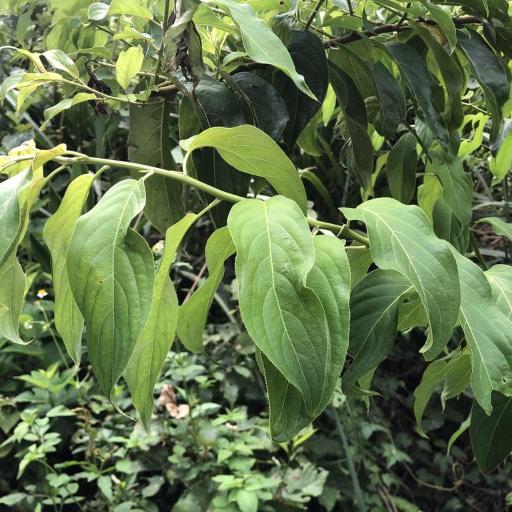
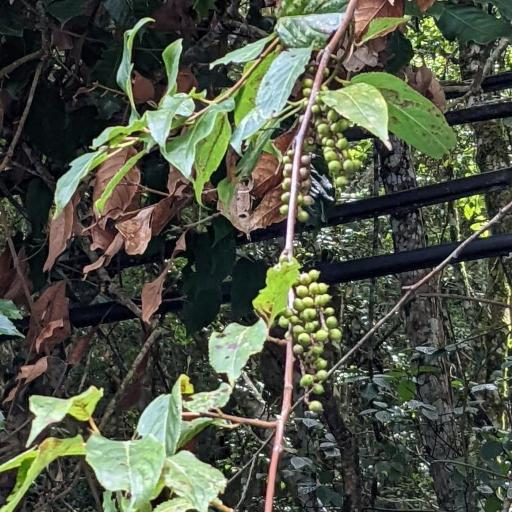
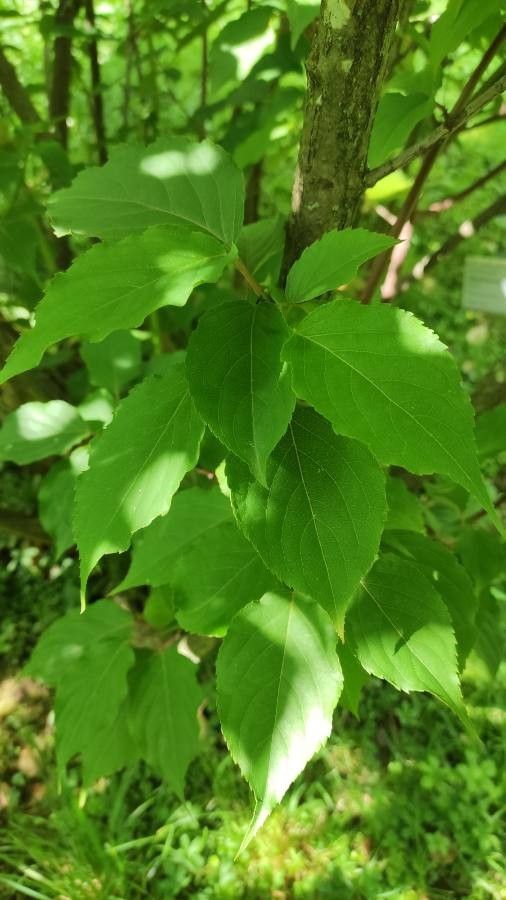
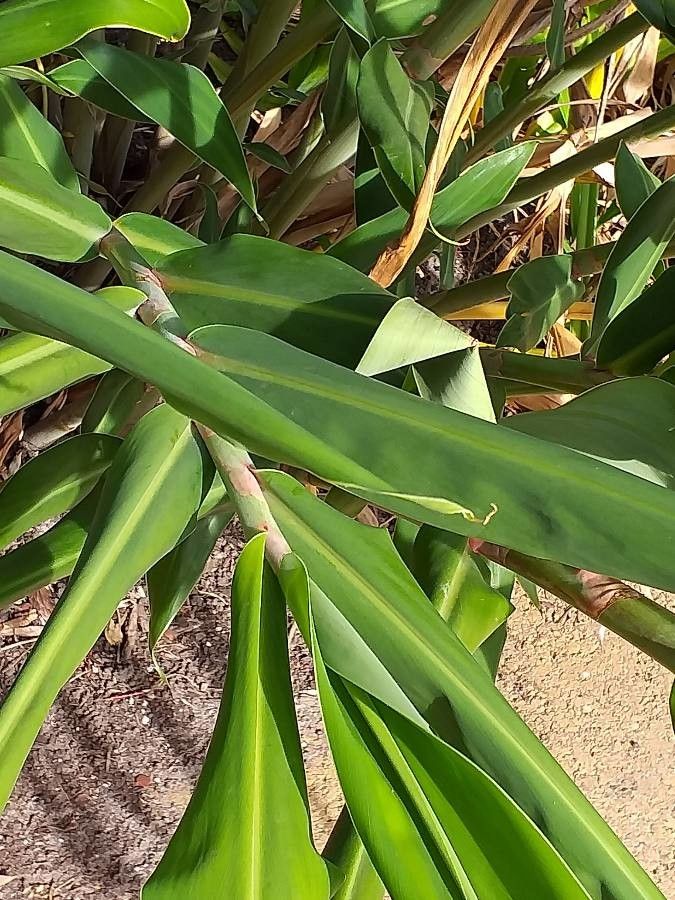
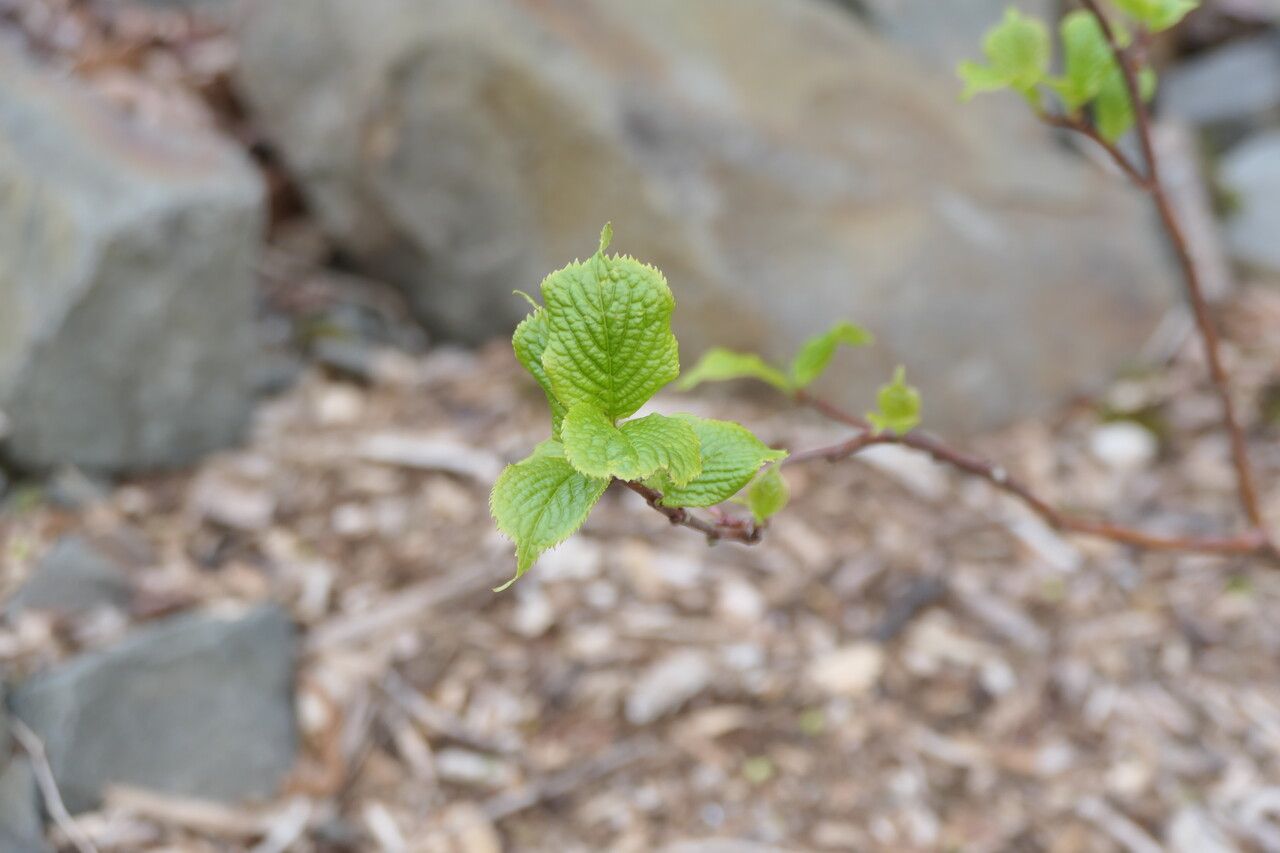
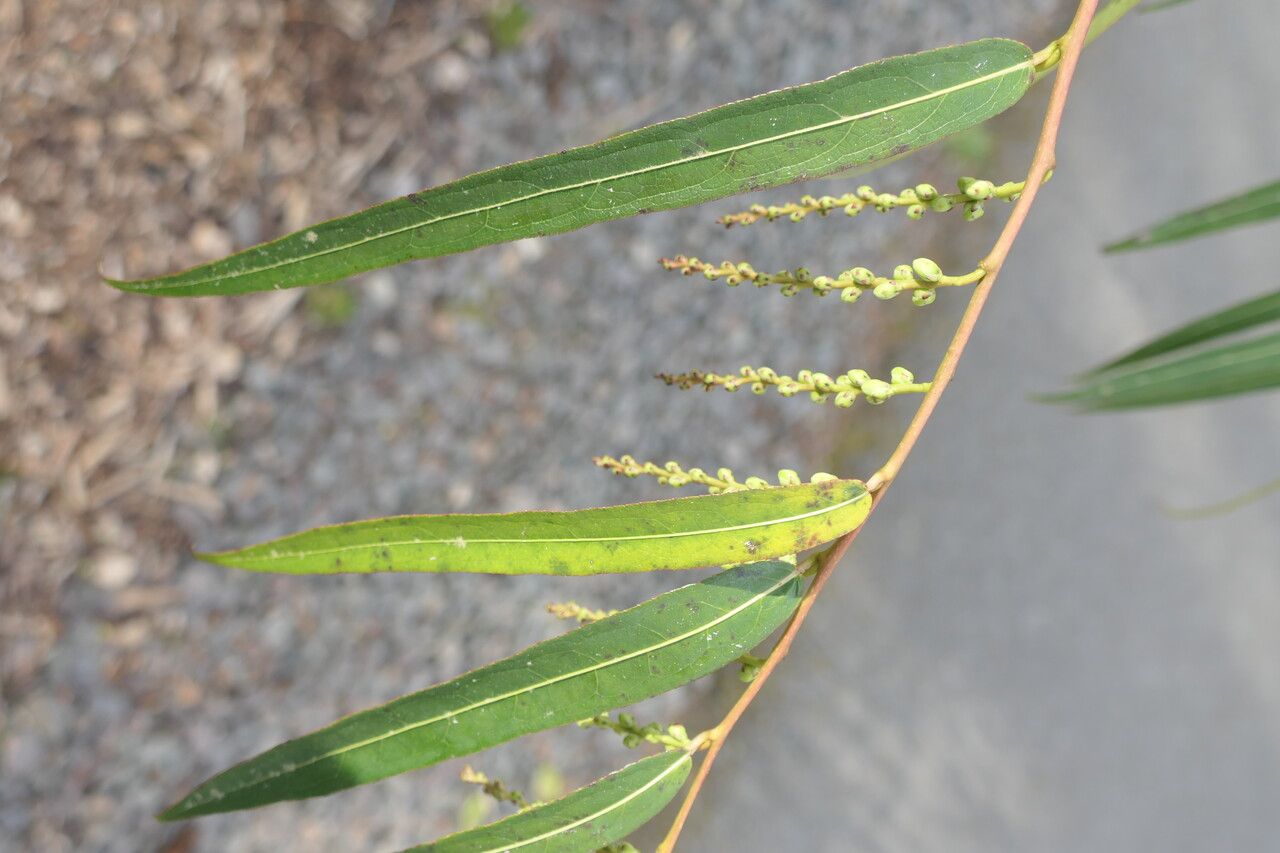
Stachyurus resists disease well and is usually not susceptible to illnesses. Regarding care, this plant is fairly low-maintenance. Planted outdoors it needs only light watering, and larger specimens typically do not require pruning. Smaller plants, however, should be trimmed after they finish flowering. Stachyurust is appropriate for anyone who has an outdoor area, such as a garden or a deck, and it does not demand much gardening experience.
How to keep Stachyurus Himalaicus.
Light
Stachyurus naturally grows in areas like forest understories or rocky regions that offer natural shade. It typically favors conditions with partial sunlight, yet it has the ability to adjust to full sunlight or complete shade, highlighting its flexibility and robust character.
Temperature
The stachyurus plant, originally from temperate climates, flourishes optimally in conditions where temperatures vary between 59 and 100 °F (15 to 38 ℃). While it is adaptable to changes in the seasons, the plant favors moderate temperatures across various seasons.
Fertilizer
Applying fertilizer at the right time is key for Stachyurus. Initiate fertilization in the early spring and proceed on a monthly basis until the beginning of summer. The fertilizer aids in creating beautiful flowers and offers sustenance during both inactive and active growth stages.
Botanical profile.
- Plant Type
- Tree, Shrub
- Life Cycle
- Perennial
- Genus
- Stachyurus
- Family
- Stachyuraceae
- Hardiness Zone
- 7-11
- Mature Height
- 4.88 m
- Mature Spread
- 0.91 m to 1.52 m
- Leaf Color
- Green, Dark Green
- Leaf Type
- Deciduous
- Flower Color
- Yellow
- Flower Size
- 12.70 cm
- Bloom Time
- Late winter, Early spring
- Planting Time
- Spring, Summer
- Harvest Time
- Late spring, Early summer
- Native Area
- Nepal, India, Myanmar, Bhutan, China