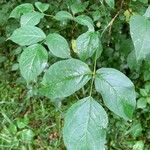
Staphylea trifolia
American bladdernut · Bladdernut · Buffalo nut · American bladder nut
Description
Source: leafsnapStaphylea trifolia, commonly known as American bladdernut, is a deciduous shrub native to North America. Typically growing up to 6 meters tall, the plant has a spreading habit. It is characterized by its trifoliate, dark green leaves that are serrated at the edges. In spring, it produces clusters of fragrant white flowers, which are followed by inflated, bladder-like fruits in the summer. The American bladdernut prefers moist soils and partial shade but can also tolerate full sun. It is commonly found in woodlands, along streams or wetlands, and on rocky slopes. The plant has several medicinal uses among Native American tribes, including treating skin conditions such as eczema and psoriasis, and relieving pain caused by arthritis and rheumatism. Overall, Staphylea trifolia is an attractive shrub with ornamental value due to its showy flowers and unique fruits. It also provides ecological benefits by serving as a food source for wildlife, including birds and small mammals.
🌳 Although american bladdernut is not renowned for a wide range of uses, its hard seedpods hold historic significance in indigenous cultures for making musical instruments such as rattles. This exemplifies cultural and creative exploitation of the plant beyond mainstream applications. The seeds produce a distinctive sound when the pods are shaken, a quality that has integrated american bladdernut into traditional rituals and ceremonies. This underscores the plant's role not only in ecology but also in cultural heritage.
Care Guide
💧 Water Every 7 days
The American bladdernut thrives in moist, well-drained soil and prefers consistent moisture, though it can tolerate moderate drought conditions. It should be watered every 1 to 2 weeks. Usually grown outdoors, this plant flourishes in dappled shade and in the humidity levels typical of its natural understory habitat.
How should I water my American bladdernut plant?
To ensure excellent root development, place a garden hose at the base of the plant. Avoid spraying the leaves directly, as this can lead to more watering needs, especially if they are exposed to direct sunlight outdoors. Consider using bubblers or soaker hoses to moisten the roots, and make sure to cover the entire garden or bed when adding or removing plants to encourage deep root growth. After watering, drain any excess water and allow the soil to dry before watering again. Water at ground level to prevent diseases. On sunny days, it may be beneficial to spray the entire bush with water. Whether your American bladdernut is potted or in-ground, remember that it prefers deep watering over light sprinkling.
What do I do if I give too much/not enough water to an American bladdernut plant?
If an American bladdernut is overwatered, its leaves can turn yellow, drop off, and wilt. The plant may also look unhealthy with mushy stems. When these signs appear, it's best to adjust your watering schedule. Wilting can also indicate under watering, which can cause leaves to become crispy and dry. To help the plant recover, check the soil moisture level and give it a thorough watering if needed. However, even with sufficient water, the damaged root system may cause the plant to continue having dry, yellow leaves for a few days. Once it returns to normal, the yellowing will stop. When keeping an American bladdernut indoors, always monitor the moisture levels and avoid overwatering. Look for signs of black spots, and if present, allow the soil to dry out for a few days before watering again. Overwatering can lead to root rot, so if you notice discolored and slimy roots, consider transferring the plant to a different pot. It's important to prevent root rot by avoiding overly saturated soil. When planting an American bladdernut outdoors, make sure to check the soil moisture by digging a little deeper. If the soil feels too dry, it could indicate underwatering. Proper watering is necessary for the plant's recovery.
How often should I water my American bladdernut tree?
The American bladdernut prefers deep and infrequent watering, especially when planted in pots. For potted plants, soak them in a gallon of water each time to account for limited water storage and faster soil drying. In cold regions, water every 3 to 5 days, preferably in the morning when the soil is dry. Check the soil moisture by feeling the top 2-3 inches; if dry, water the plant thoroughly. During hot days, check the soil moisture daily as the pot soil can dry out quickly. If you have a garden, irrigation is necessary. In hot climates, water once a week when the top 2-3 inches of soil are too dry. Avoid additional watering during rainfall to prevent root rot. Mulch about 3 to 4 inches deep around outdoor plants to conserve water. Sandy soil requires more frequent watering, while clay soil needs less frequent watering to prevent root rot. Mark watering dates on a calendar and monitor the leaves for drooping as a sign of needing water.
How much water does my American bladdernut plant need?
The American bladdernut typically requires about a gallon of water on a regular basis. When watering potted plants, it's best to water them deeply enough so that the water drips out from the bottom of the pot. Allow the soil to dry out before watering again, and you can use a water calculator or moisture meter to track the amount of water given to your plant weekly. During the flowering period, provide plenty of water but allow it to evaporate afterward to avoid root rot. If the American bladdernut is planted outdoors and receives sufficient rainfall, it may not need additional watering. However, when it's young or newly planted, ensure it receives 1-2 inches of rain per week. As the American bladdernut grows, it can rely solely on rainfall. Only during extremely hot weather or when there is no rainfall for 2-3 weeks should you consider giving it a thorough watering during cooler parts of the day to prevent heat damage. Additional watering will be necessary during prolonged dry periods.
Do I need to change how often I water my American bladdernut depending on the time of year or the weather?
To properly care for the American bladdernut, it needs to be well-hydrated but not over-watered during the spring and fall. Alternating between dry and moist soil conditions is beneficial for its growth. In the summer, hot weather and lack of rainfall can cause the soil to dry out quickly, so it may need more frequent watering to maintain moisture. During winter, less water is generally needed as the plant goes dormant and loses its leaves. To aid in faster water evaporation, using a soil mixture like terracotta with good drainage is recommended. Once the plant begins to leaf out and go dormant, you can skip watering and allow natural rainfall to sustain it. It should be noted that the American bladdernut does not thrive in waterlogged or drought conditions when flowering, so ensuring good drainage is important. When grown in pots, the plant's root growth is limited, so consistent watering is necessary, especially in the summer. Deep soaking the roots once or twice a week, depending on weather conditions, is advised. Shallow sprinkles should be avoided as they encourage fungal growth and do not reach the roots effectively. In the fall and winter, even during dormancy, the plant should not be allowed to dry out completely. Over-watering, however, should be avoided as well to prevent the roots from sitting in water for prolonged periods, which could lead to the plant's death. Applying mulch can help reduce stress, conserve water, and promote vibrant blooms.
☀️ Light Partial sun
The American bladdernut generally thrives best with a moderate amount of sunlight but can adapt to either full sun or full shade conditions. Originating from habitats with variable light levels, the plant's overall health and growth are harmed by either too much or too little light.
What are the sunlight requirements for American bladdernut?
The American bladdernut needs a moderate amount of sunlight, thriving in both full light and full shade conditions, typically experiencing good health and growth when exposed to about 3-6 hours of sunlight a day. It's adaptable to various light levels, originally growing in environments with fluctuating light exposure. However, it's crucial to watch how sunlight shifts in your garden to pick locations that offer the right mix of light and shade, ensuring your plants remain content.
How essential is lighting for American bladdernut, especially indoors?
Lighting is crucial for the growth of American bladdernut, particularly when grown indoors. In scenarios where natural sunlight is lacking, especially during winter or in less sunny areas, artificial lighting becomes essential. Options like LED lights, which can be adjusted to offer the specific wavelengths needed by your plants, are ideal. For full sun plants, 30-50W/sq ft of artificial light is recommended, 20-30W/sq ft for partial sun plants, and 10-20W/sq ft for full shade plants. The light source should be placed 12-36 inches above the plant, mimicking natural sunlight, and kept on for 8-12 hours per day to promote healthy growth.
What are the symptoms of insufficient sunlight in American bladdernut?
When the American bladdernut doesn't receive enough light, it may exhibit symptoms such as smaller new leaves, leggy or sparse growth, faster leaf drop, slowed or halted growth, pale new leaves, chlorosis (yellowing leaves), sunscald (damage from intense sunlight), leaf curling, wilting, and leaf scorching. These signs indicate the plant is struggling with the light conditions, impacting its ability to grow and thrive correctly.
What solutions can be applied if American bladdernut isn't receiving adequate sunlight?
For indoor plants, gradually moving them to sunnier spots each week until they get 3-6 hours of direct sunlight daily or using artificial light sources, like desk lamps or professional grow lights, for at least 8 hours a day can help. Outdoors, you should also gradually relocate your plants to sunnier locations to avoid sunburn. Minimize obstructions by pruning trees that block sunlight and, if necessary, transplant smaller plants during their dormant period to areas with better light exposure and drainage. Note that parts of the plant damaged by low light might not recover, but new growth should be healthy with improved lighting.
🌡️ Temperature 0–32.2°C
American bladdernut is highly adaptable to a wide range of climates, from very hot summers to cold winters. Still, it has a preferred temperature range for optimal growth. If temperatures get too high, the plant can suffer from heat and humidity stress, which may lead to its death. In areas where temperatures approach the lower end of its cold tolerance, providing insulation to protect the plant is important.
What is the botanical name of the American bladdernut?
The botanical name of the American bladdernut is Staphylea trifolia.
💨 Humidity
🪴 Soil 6-7
🌱 Fertilizer
The timing of fertilizing American bladdernut is important. Apply fertilizer in early spring and continue once a month until early summer. Fertilizer promotes attractive blooms and supplies energy during both dormant and active growth phases.
Why do I have to add nutrients to my American bladdernut plant?
No matter the type of American bladdernut you have, regular fertilization is crucial for promoting overall plant health. By providing the proper nutrients, you can enhance growth and make the plant more resilient to tough conditions and pests. Maintaining the foliage of your American bladdernut is important for its attractiveness, so it is recommended to establish a specific fertilization schedule. This will encourage the development of vibrant, lush foliage with deep colors.
When should I fertilize my American bladdernut tree?
To promote healthy growth, fertilize your American bladdernut in late winter or early spring to provide the necessary nutrients for the upcoming warm season. In warm climate regions, an extra fertilizer feeding in early fall can benefit the bladdernut by giving it more nutrients for the following growing season, as well as making it hardier for the winter. Fertilizing earlier ensures that the new branches have sufficient time to grow and withstand the cold winter without foliage damage.
When is it not a good idea to add fertilizer to my American bladdernut plant?
There are specific times of the year when you should avoid fertilizing your American bladdernut. The first instance is during the early and mid-winter months when the plant is dormant and does not require feeding. It is also best to refrain from fertilizing during late spring and summer, when the weather tends to be hotter and drier. These conditions can have a negative impact on the plant's response to fertilization. To prevent any issues, it is recommended to only fertilize during early spring and early fall.
What kind of plant food does my American bladdernut tree need?
For an American bladdernut, nitrogen is usually the most important nutrient, but this doesn't mean that phosphorus and potassium should be overlooked. Actually, all three nutrients are necessary for optimal growth. Using a balanced fertilizer like 10-10-10 is generally effective. However, a more precise nutrient ratio, with higher nitrogen content like 10-6-4, often yields even better results. Granular or liquid-based fertilizers can both be used for fertilizing.
How can I make my American bladdernut plant grow better?
To fertilize your American bladdernut, you have two options: granular fertilizer or liquid fertilizer. If you choose granular fertilizer, simply sprinkle it on the soil at the right time. The slow-release property of this fertilizer will gradually release nutrients into the soil. Before applying the fertilizer, it's a good idea to lightly water your American bladdernut. Alternatively, you can use liquid fertilizer by mixing it with water and pouring it around the base of the plant. However, this method is less common. It can be helpful to perform a soil test beforehand to determine if any changes to the pH are necessary.
🪴 Pot & Repot
✂️ Pruning
The American bladdernut is a deciduous shrub known for its trifoliate leaves and distinctive bladder-like seed pods. To maintain healthy growth, it is best to prune the shrub in early spring. During this time, remove any dead wood and thin out the branches to improve air circulation. This will promote healthier growth, increase flowering, and help manage the plant's size.
🌿 Propagating
🐛 Diseases & pets
☠️ Toxicity
Characteristics
- Plant Type
- Shrub
- Life Cycle
- Perennial
- Genus
- Staphylea
- Family
- Staphyleaceae
- Hardiness Zone
- 5-9
- Mature Height
- 3.05 m to 4.57 m
- Mature Spread
- 3.05 m to 4.57 m
- Leaf Color
- Green
- Leaf Type
- Deciduous
- Flower Color
- White, Green
- Flower Size
- 2.54 cm
- Bloom Time
- Mid spring, Late spring, Early summer
- Planting Time
- Spring, Summer, Autumn
- Harvest Time
- Early summer, Mid summer