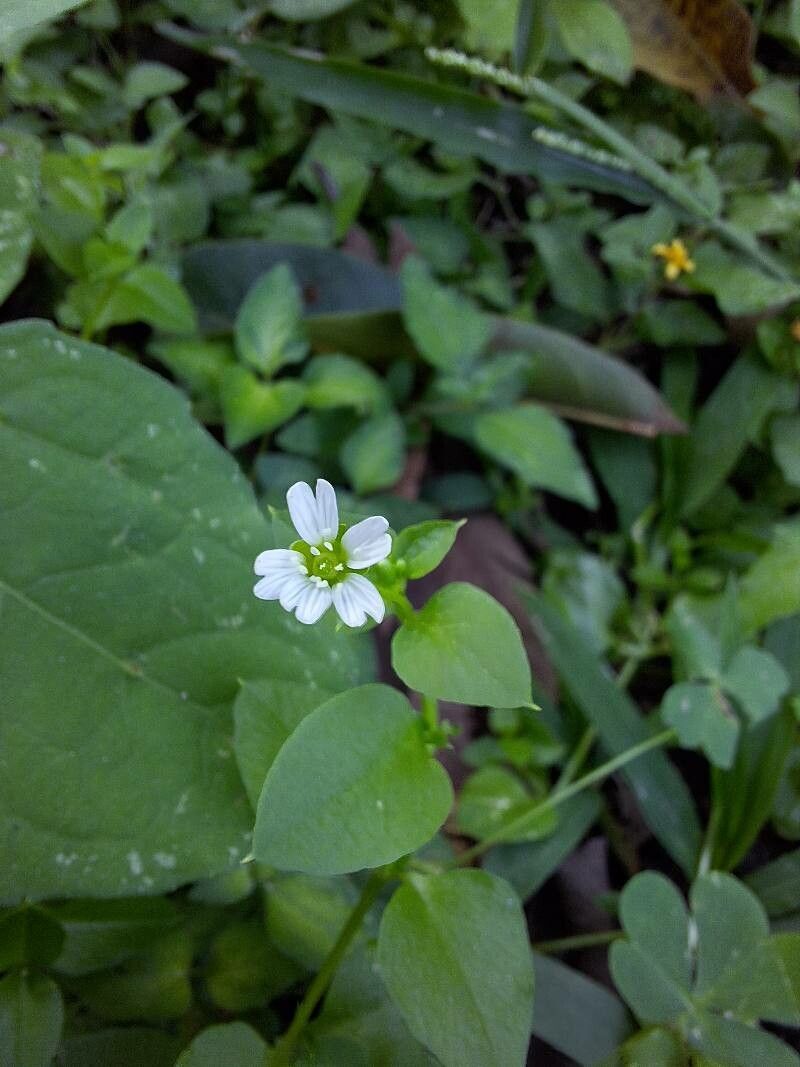
Stellaria cuspidata, commonly known as pointed starwort, is a perennial herbaceous plant in the Caryophyllaceae family. Native to North America, it thrives in diverse habitats including wet meadows, stream banks, and forest edges.
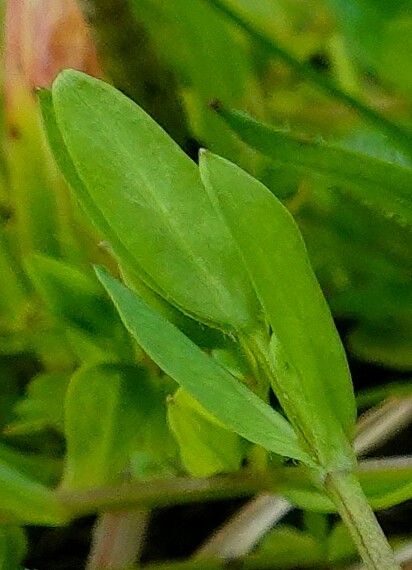
The plant can grow up to 60 cm tall and features a slender stem with opposite, lance-shaped leaves that have pointed tips. These leaves range from 2-5 cm in length and have smooth margins.
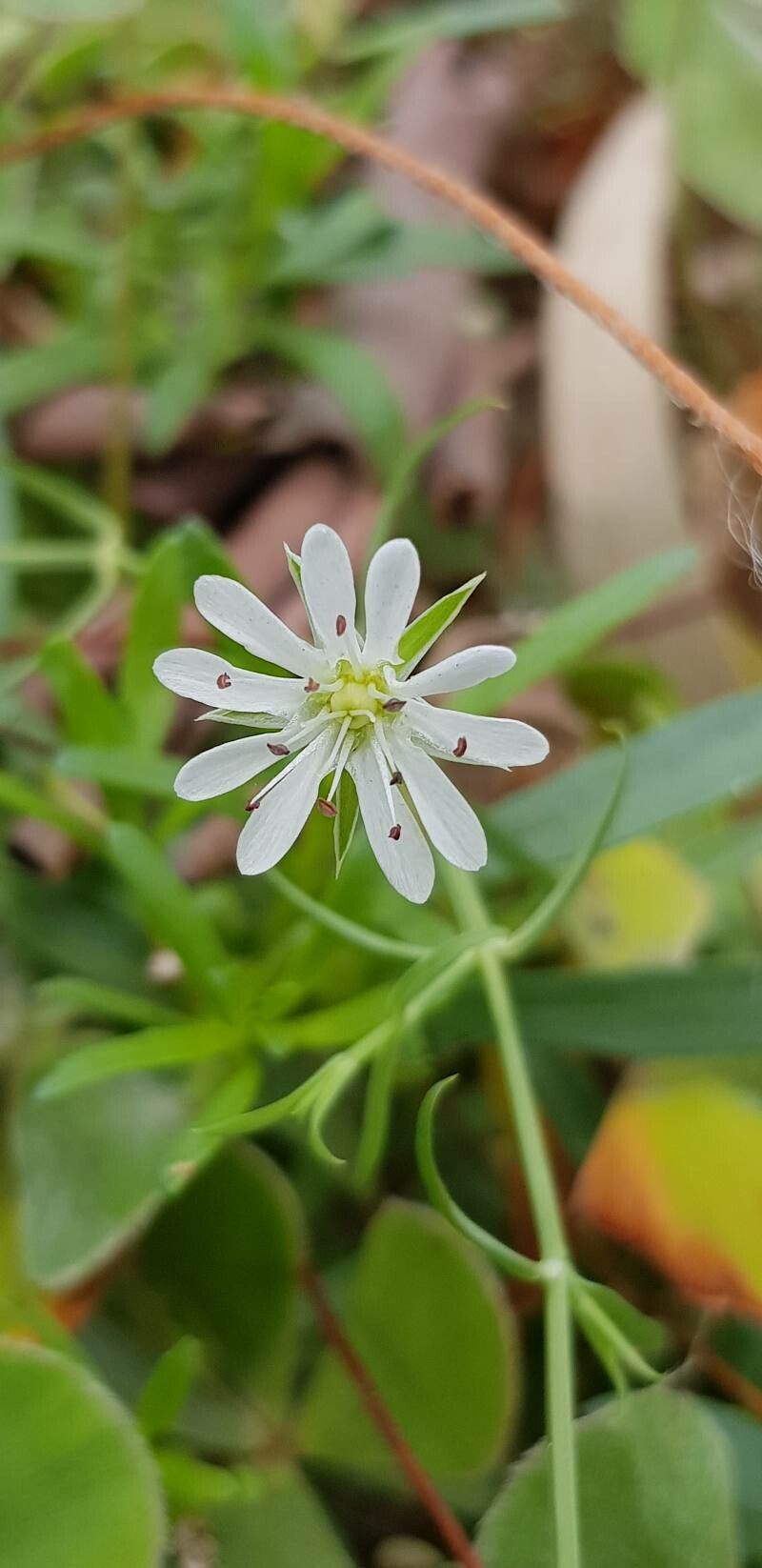
Stellaria cuspidata produces small white flowers that bloom from May to August. Each flower has five petals, deeply divided into two lobes, giving them a distinctive star-like appearance.
Traditionally, this plant has been used for its anti-inflammatory properties and as an herbal remedy for various ailments, such as coughs, colds, sore throats, and skin irritations.
Overall, Stellaria cuspidata is an attractive wildflower with medicinal properties, making it an important part of the ecosystems it inhabits.
Mexican chickweed is fairly disease-resistant and usually not prone to illness. Nonetheless, it can be vulnerable to pests and diseases present in its environment. These problems are typically mild. Regarding care, the plant needs moderate maintenance. It should be pruned regularly to maintain a neat appearance and healthy growth. Fertilizing can also help encourage flowering. Mexican chickweed is suitable for anyone with outdoor space, like a garden or patio, and does not require extensive experience in plant care. It may need more attention when grown indoors.
How to keep Stellaria Cuspidata.
Light
Mexican chickweed comes from sunny, open habitats and does best in full sun. It can tolerate partial sunlight but prefers direct sun for optimal growth. This plant, which can be annual or biennial, is known for its sun-loving habit.
Water
Mexican chickweed thrives in moist environments and needs weekly watering to remain healthy. Originating from humid regions, it grows best in consistently moist soil. As an evergreen herb, Mexican chickweed can be grown both indoors and outdoors.
Temperature
Mexican chickweed can tolerate a wide range of temperatures, though its distribution may still be restricted by particular combinations of moisture and heat. It performs best in warm summer climates with enough rainfall or watering. Extended periods of cloudy, rainy weather or prolonged high temperatures raise the risk of Mexican chickweed dying. In winter, protecting it from cold can increase its survival rate.
Fertilizer
Mexican chickweed responds well to regular, light applications of fertilizer to encourage healthy leaf development. Fertilize it about once a month during the summer. Nitrogen is vital for foliage, and providing nitrogen-rich fertilizers helps Mexican chickweed thrive.
Pruning
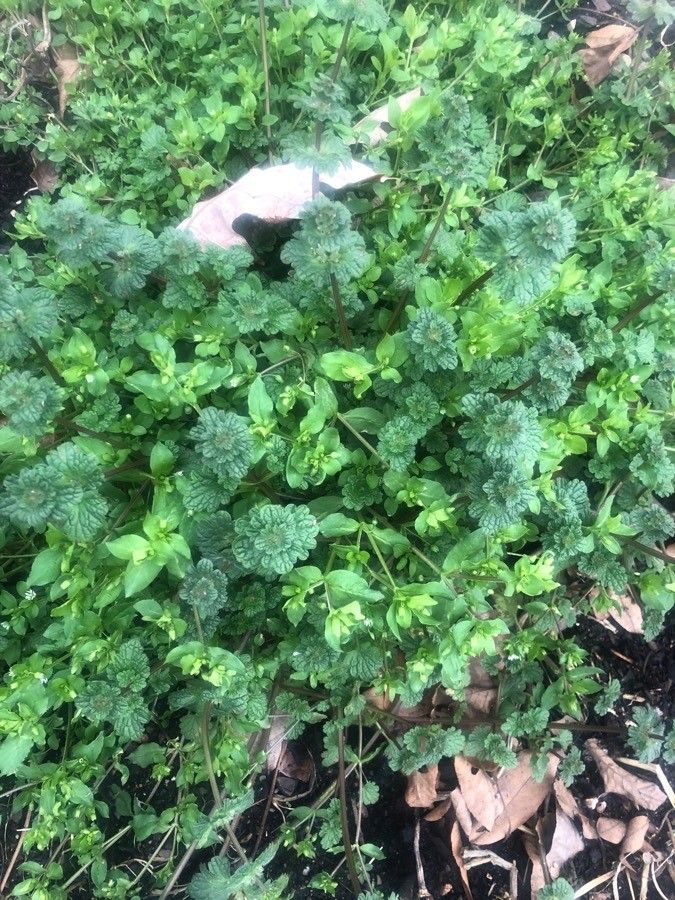
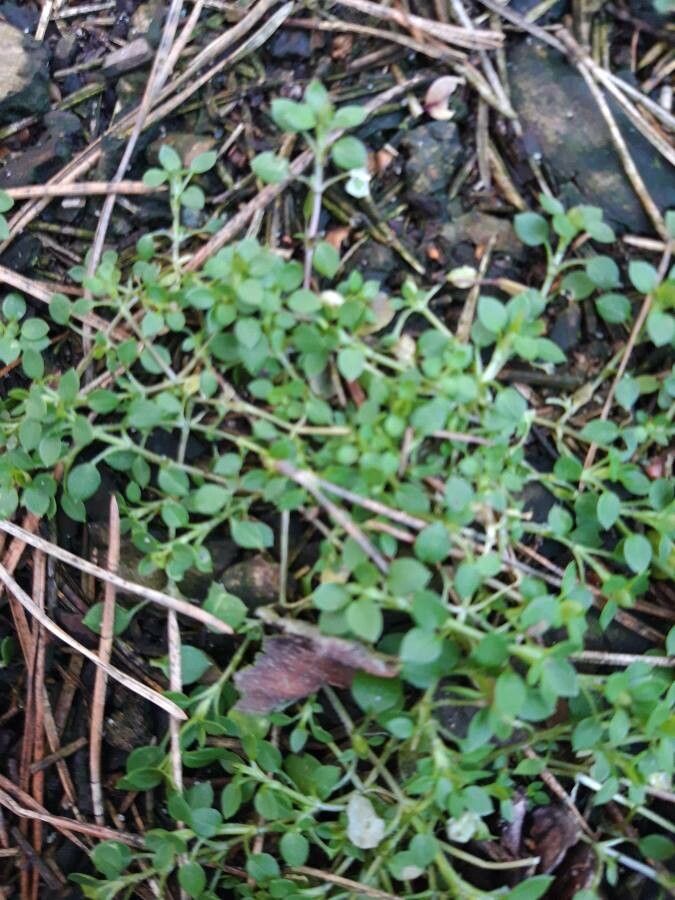
Mexican chickweed is characterized by its small, star-like flowers and creeping growth habit. To ensure healthy growth, enhance airflow, and boost vigor, prune the plant from early to late spring. Always use sterilized tools to make clean cuts. Consistent pruning encourages dense foliage and extended blooming periods.
Botanical profile.
- Plant Type
- Herb
- Life Cycle
- Annual
- Genus
- Stellaria
- Family
- Caryophyllaceae
- Hardiness Zone
- 5-9
- Mature Height
- 10 cm to 30 cm
- Mature Spread
- 20 cm to 40 cm
- Leaf Color
- Green, Dark Green
- Leaf Type
- Semi-evergreen
- Flower Color
- White
- Flower Size
- 0.51 cm to 1.02 cm
- Bloom Time
- Mid spring, Late spring, Early summer
- Planting Time
- Spring, Summer
- Harvest Time
- Summer
Other names.
Reader questions.
What are the sunlight requirements for Mexican chickweed?
Mexican chickweed thrives in environments that mimic its native bright, open habitats. It requires full sun, which is above 6 hours of direct sunlight, for optimal growth. However, it can also tolerate partial sun, approximately 3-6 hours of sunlight. It's essential to observe how sunlight moves through your garden to ensure you're providing your plants with the perfect balance of light and shade, as advised for their happiness and growth.
Can Mexican chickweed grow indoors and how can this be achieved?
Yes, Mexican chickweed can grow indoors by providing adequate lighting, which is crucial for its growth, especially when natural sunlight is insufficient. This can be particularly important during winter or in less sunny spaces. Artificial lighting, such as LED lights, can be a vital solution. For full sun plants like Mexican chickweed, 30-50W/sq ft of artificial light is recommended. The light source should be placed 12-36 inches above the plant to mimic natural sunlight, and most plants will require 8-12 hours of light per day.
What are common symptoms of light deficiency in Mexican chickweed when grown indoors?
When grown indoors with inadequate light, Mexican chickweed might show various symptoms of light deficiency. These include smaller new leaves, leggy or sparse growth, faster leaf drop, slower or no new growth, and lighter-colored new leaves indicating a lack of chlorophyll and essential nutrients. Chlorosis, or the loss of green leaf color, and other symptoms such as sunscald, leaf curling, wilting, and leaf scorching might also be observable, mainly due to excessive sunlight when grown outdoors.
How can I address light deficiency problems for Mexican chickweed grown indoors or outdoors?
To address light deficiency in Mexican chickweed, gradually increase sunlight exposure. For indoor plants, move them to a sunnier location each week, aiming for at least 6 hours of direct sunlight daily, or use artificial light sources like desk or ceiling lamps for at least 8 hours a day. For outdoor plants, it's crucial to move them gradually to avoid sunburn, choosing the best spot for sunlight adaptation. If plants are outdoors but not in the ground, consider solutions like reducing obstructions or transplanting during the plant's dormant period to a location with ample sunlight and good drainage. Note that while damaged parts may not recover, new growth will be healthy after adjusting light exposure.