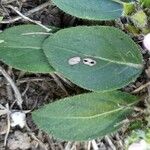
Stenandrium dulce
Sweet shaggytuft · Pinklet
Description
Source: wikipedia (CC BY-SA)Stenandrium dulce, commonly known as sweet shaggytuft, is a perennial plant in the family Acanthaceae. It is native to both North and South America; found as far north as Texas, Florida, and Georgia in the United States, and as far south as central Chile.
Care Guide
💧 Water
The sweet shaggytuft thrives in tropical climates with high humidity and consistent moisture. It needs to be watered weekly but can tolerate short dry spells. As an evergreen, it requires regular watering throughout the year, even during cooler months, to keep its foliage vibrant.
☀️ Light Full sun
Sweet shaggytuft is a sun-loving perennial herbaceous plant native to open habitats, commonly found in meadows and grasslands. It prefers full sun but can also tolerate partial sun.
What are the sunlight requirements for Sweet shaggytuft?
Sweet shaggytuft is a sun-loving perennial herbaceous plant that thrives in full sun conditions, requiring above 6 hours of sunlight daily. However, it can also tolerate partial sun, needing about 3-6 hours of sunlight. It's important to watch how sunlight moves through your garden to ensure plants get a balance of light and shade for their well-being.
Can Sweet shaggytuft grow under artificial lighting?
Yes, Sweet shaggytuft can grow under artificial lighting, which is especially helpful when natural sunlight is insufficient. Indoor plants benefit from artificial lights that promote faster, healthier growth. LED lights are recommended because they can be customized to provide specific wavelengths needed by the plants. Full sun plants need 30-50W/sq ft, partial sun plants require 20-30W/sq ft, and full shade plants should get 10-20W/sq ft. The light source should be placed 12-36 inches above the plant to simulate natural sunlight, and for most plants, 8-12 hours of light per day is beneficial.
What are the symptoms of light deficiency in Sweet shaggytuft?
Symptoms of light deficiency in Sweet shaggytuft include smaller new leaves, leggy or sparse growth, faster leaf drop, no new growth, lighter-colored new leaves, chlorosis, sunscald, leaf curling, wilting, and leaf scorching. These symptoms indicate that the plant is not receiving adequate sunlight, affecting its health and growth.
How can I care for Sweet shaggytuft experiencing light deficiency symptoms?
To care for Sweet shaggytuft with light deficiency symptoms, gradually introduce the plant to more sunlight if indoors by moving it to a sunnier location each week or using artificial lighting such as a desk or ceiling lamp for at least 8 hours daily. For outdoor plants, also move them gradually to sunnier spots to prevent shock. Reducing obstructions like pruning branches that block sunlight and transplanting smaller plants to sunnier locations during their dormant periods can improve their light exposure. While some damage from insufficient light might be irreversible, new growth should be healthy with better light conditions.
🌡️ Temperature 20–37.8°C
Sweet shaggytuft comes from tropical areas, where the climate is generally warm and humid. As a result, it is adapted to high heat and moisture. It does not tolerate sudden temperature shifts and does best in a stable temperature setting, so avoiding indoor temperature fluctuations is important. It typically cannot withstand cold and needs warmer conditions to grow. If the ambient temperature falls too low, the plant may stop growing or even die.
💨 Humidity
🪴 Soil 6-8
🌱 Fertilizer
Proper fertilization is essential for Sweet shaggytuft's health and appearance. Apply fertilizer during the summer, repeating the application monthly throughout the season. Nutrients support growth and help maintain the plant's parts. Fertilization enhances Sweet shaggytuft's flower display, ensuring the best blooms.
🪴 Pot & Repot
✂️ Pruning
Sweet shaggytuft is a plant known for its vibrant flowers and compact growth habit. To encourage growth and blooming, prune it from early to late spring, removing any dead branches and thinning out crowded areas. This pruning helps improve air circulation, but be careful not to cut too much, as it's important to maintain the plant's natural shape.
🌿 Propagating
🐛 Diseases & pets
☠️ Toxicity
Characteristics
- Plant Type
- Herb
- Life Cycle
- Perennial
- Genus
- Stenandrium
- Family
- Acanthaceae
- Hardiness Zone
- 10-11
- Mature Height
- 0 cm to 30 cm
- Mature Spread
- 15 cm to 20 cm
- Leaf Color
- Forest Green, Dark Green
- Leaf Type
- Evergreen
- Flower Color
- Pink, Purple
- Flower Size
- 1.02 cm to 2.03 cm
- Bloom Time
- Mid spring, Late spring, Summer, Early fall, Mid fall
- Planting Time
- Summer
- Harvest Time
- Summer, Fall
- Native Area
- Uruguay, Colombia, Chile, Paraguay, Argentina, Georgia, Mexico, Guatemala, Bolivia, Peru, Brazil, Ecuador