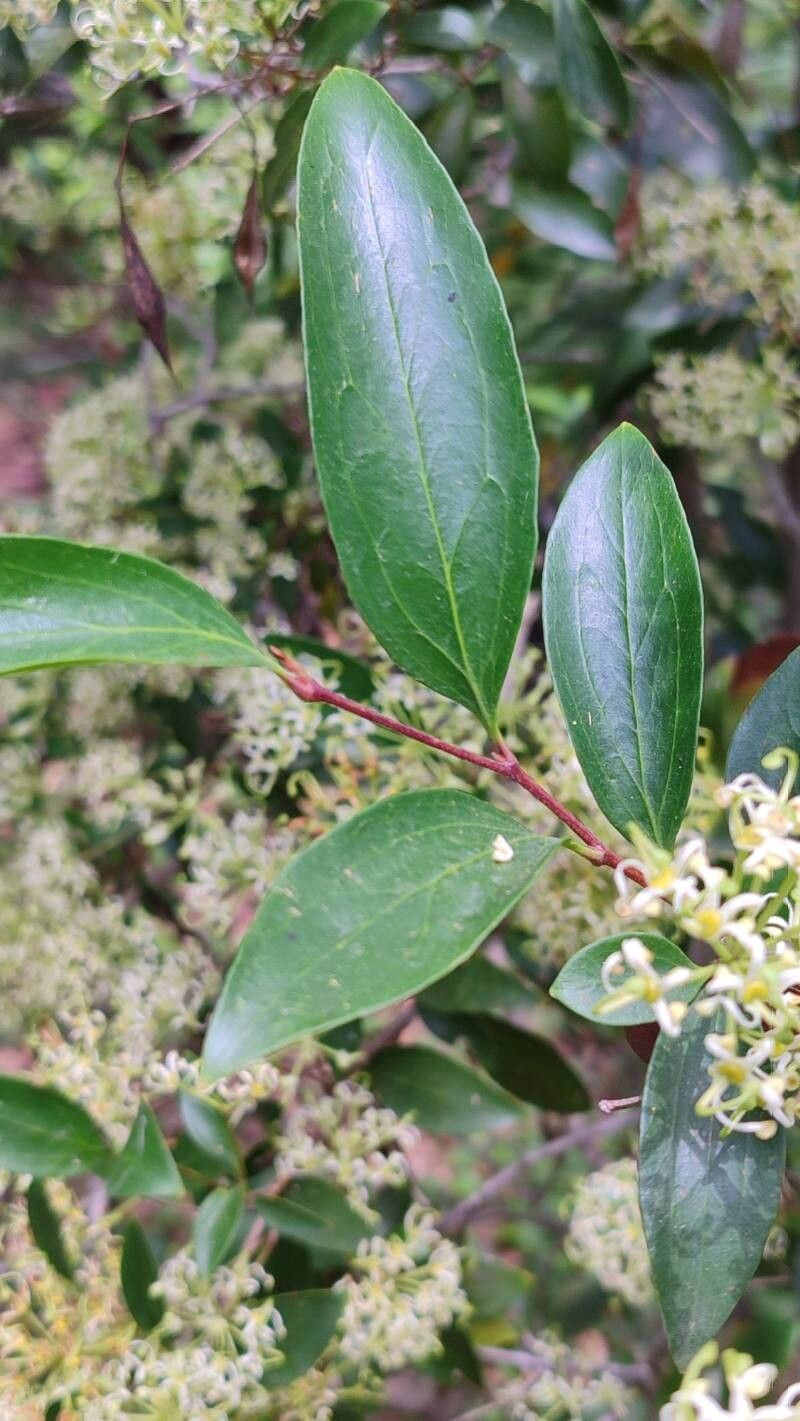
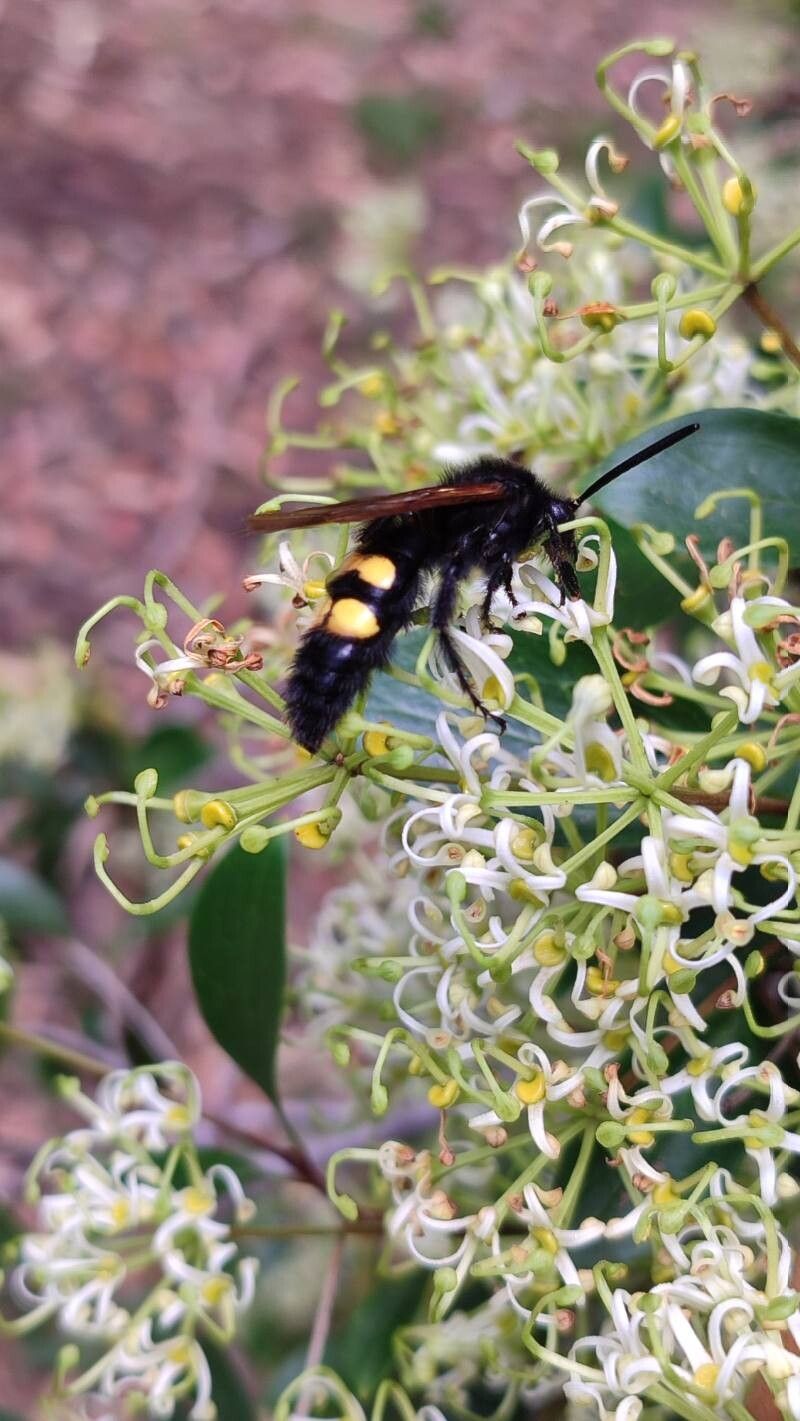
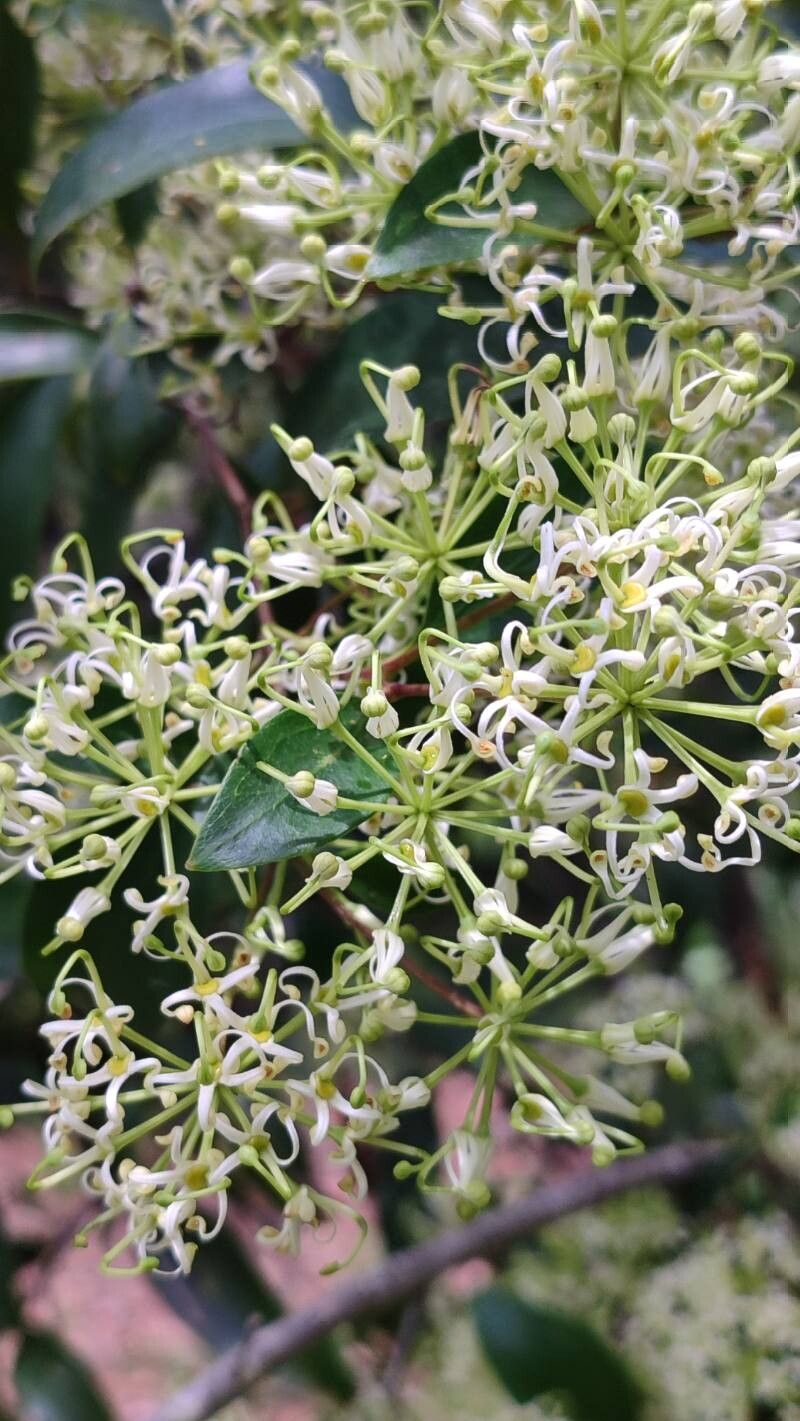
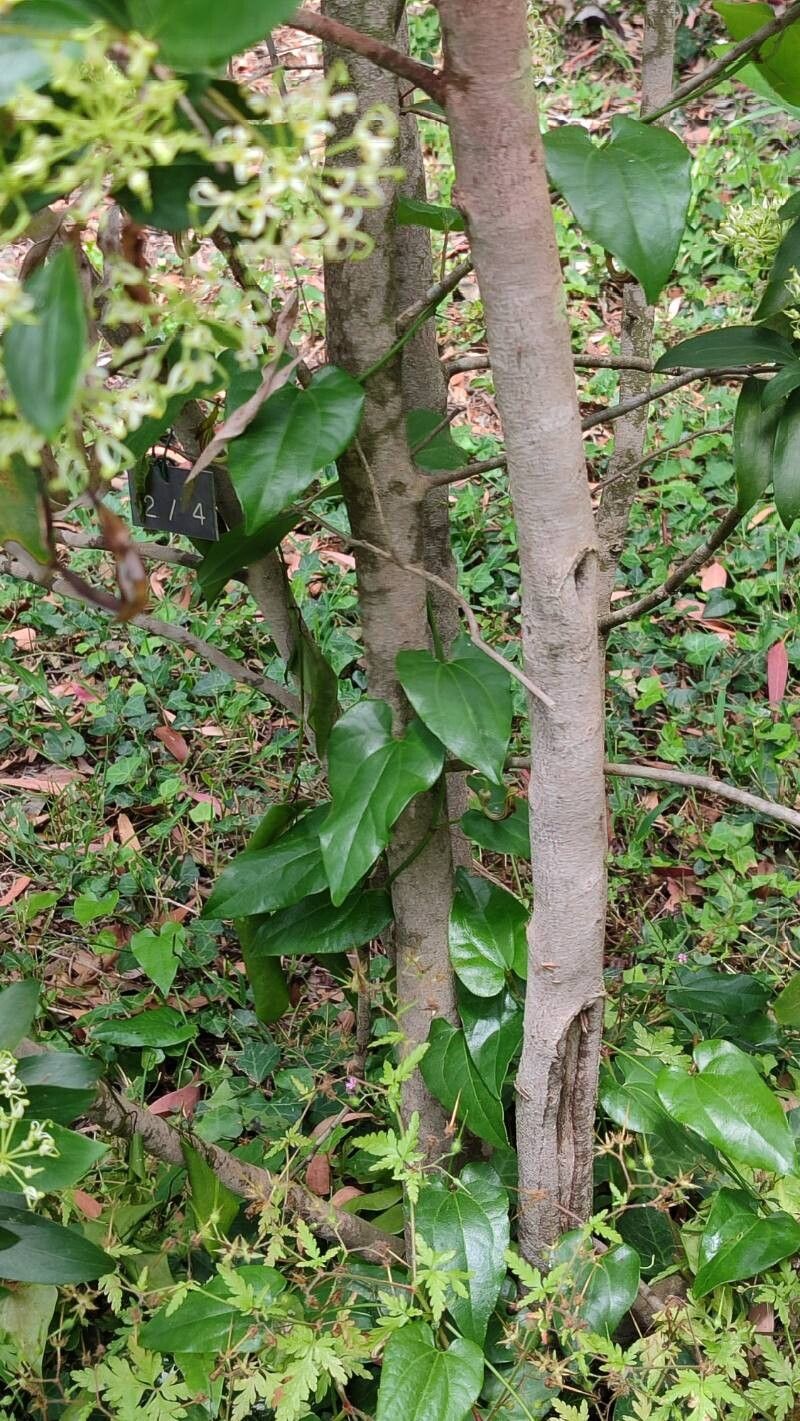
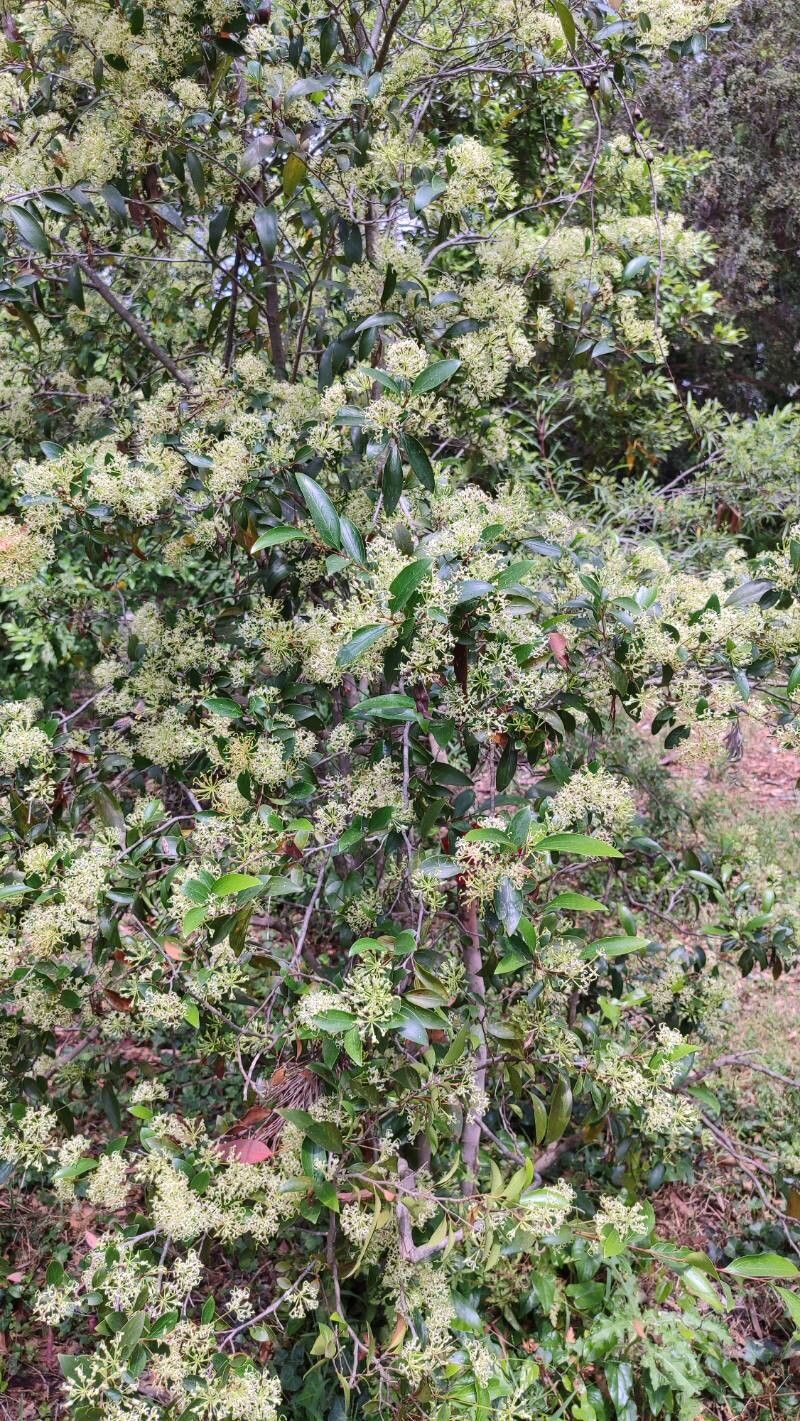
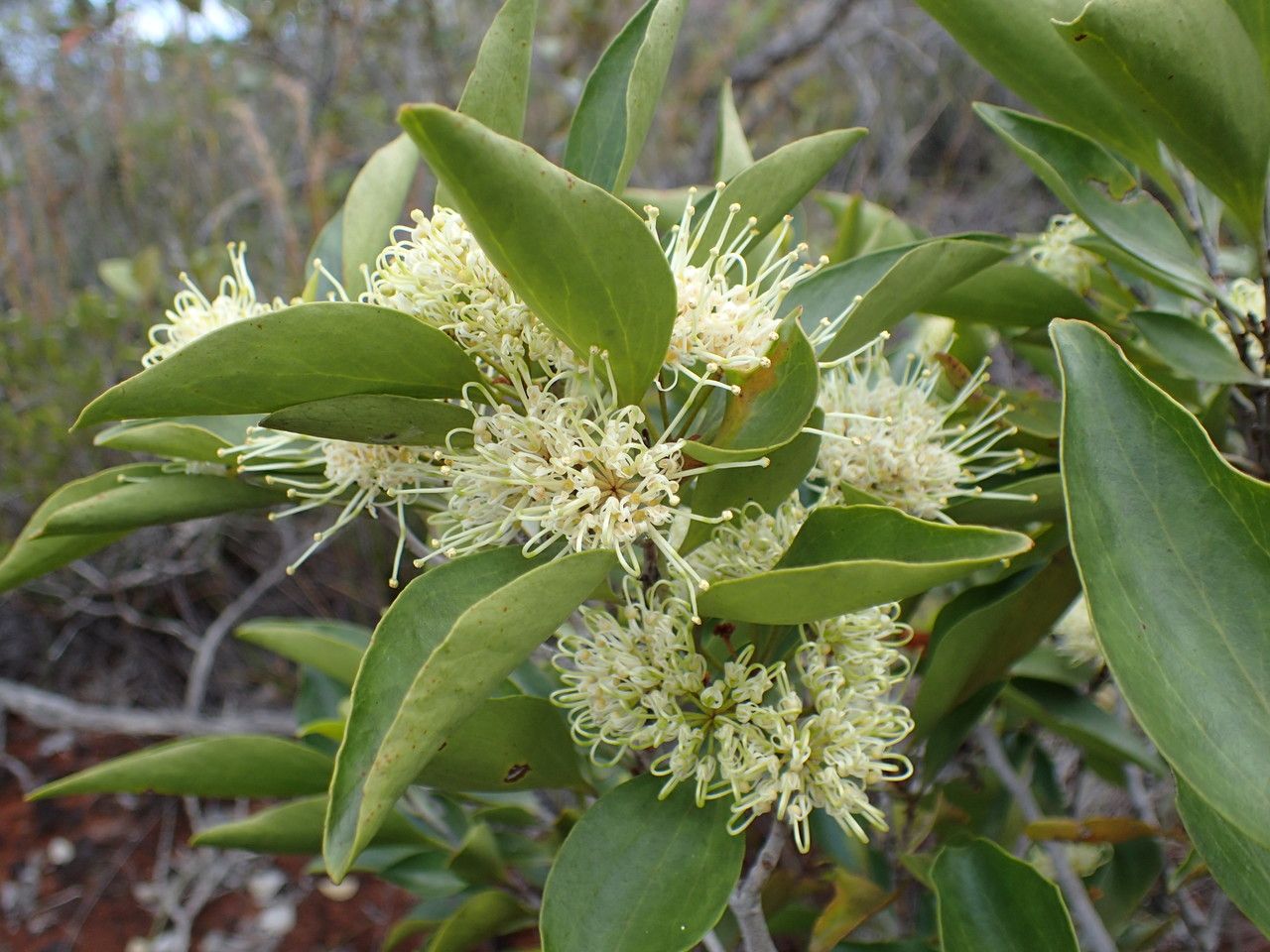
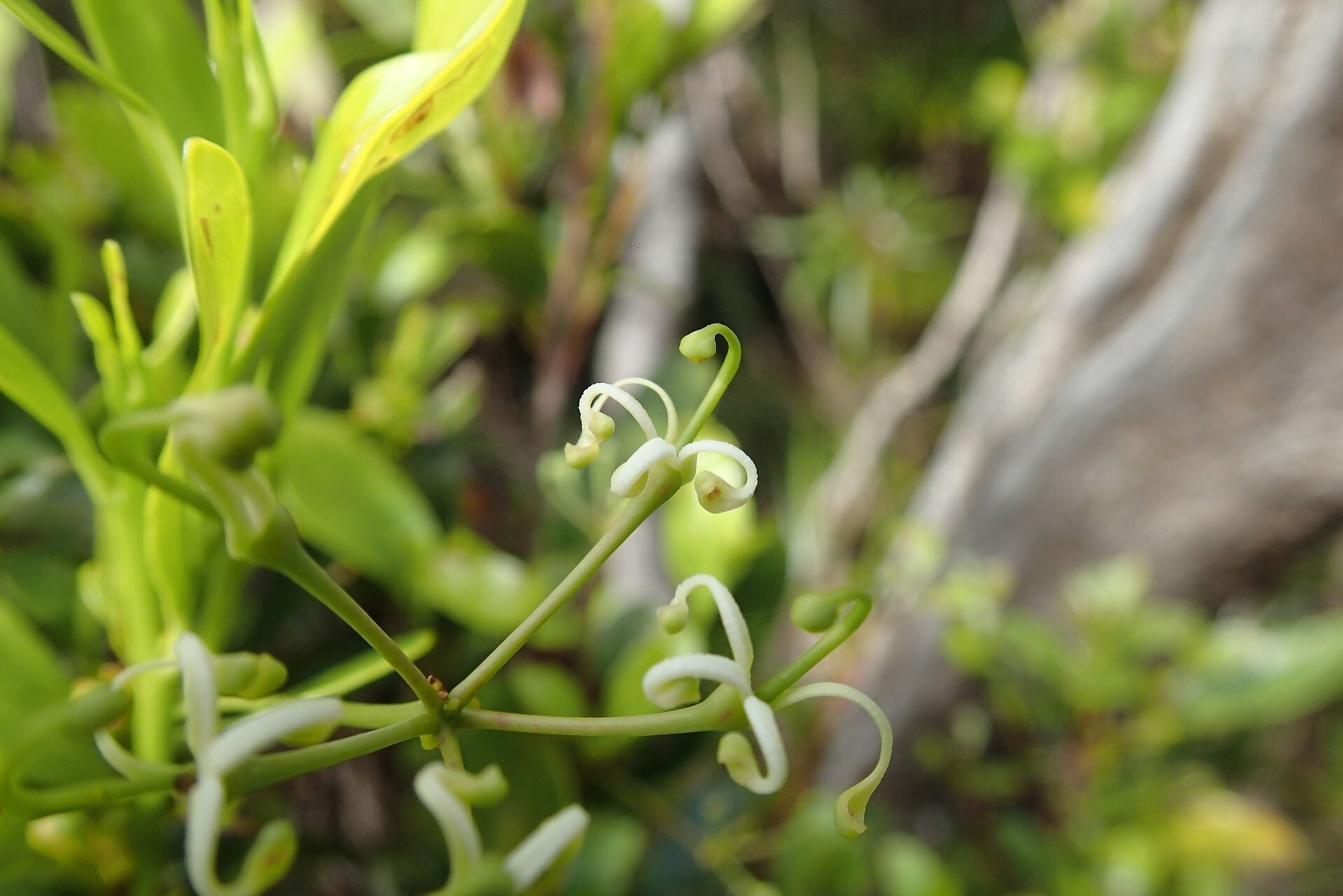
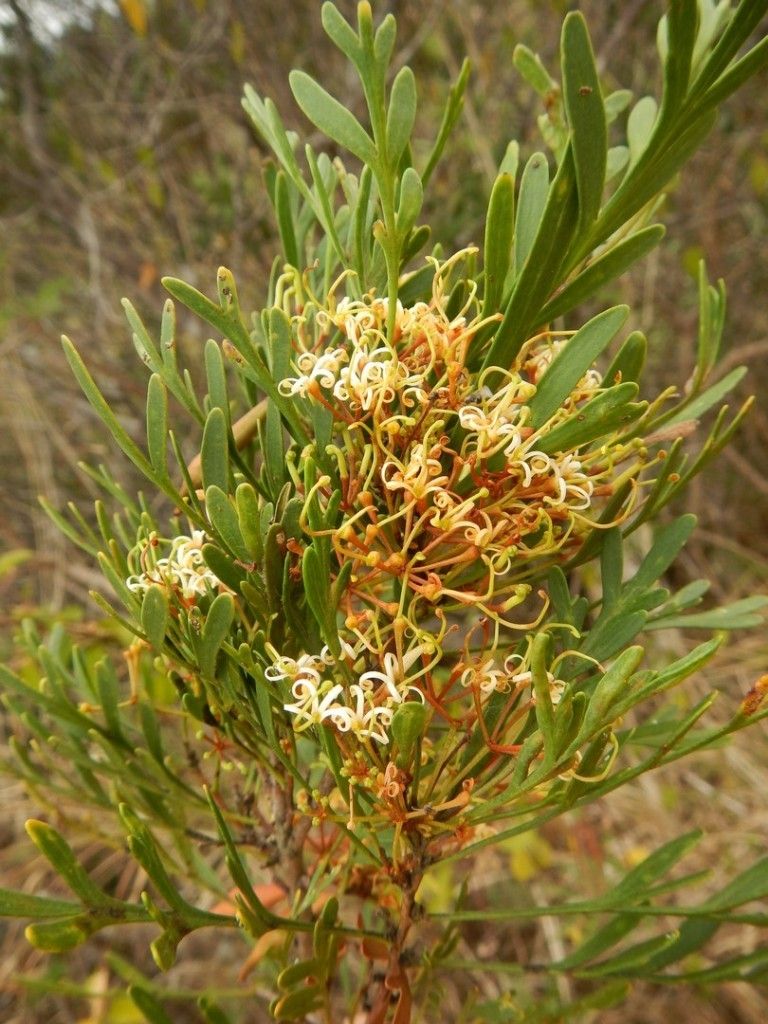
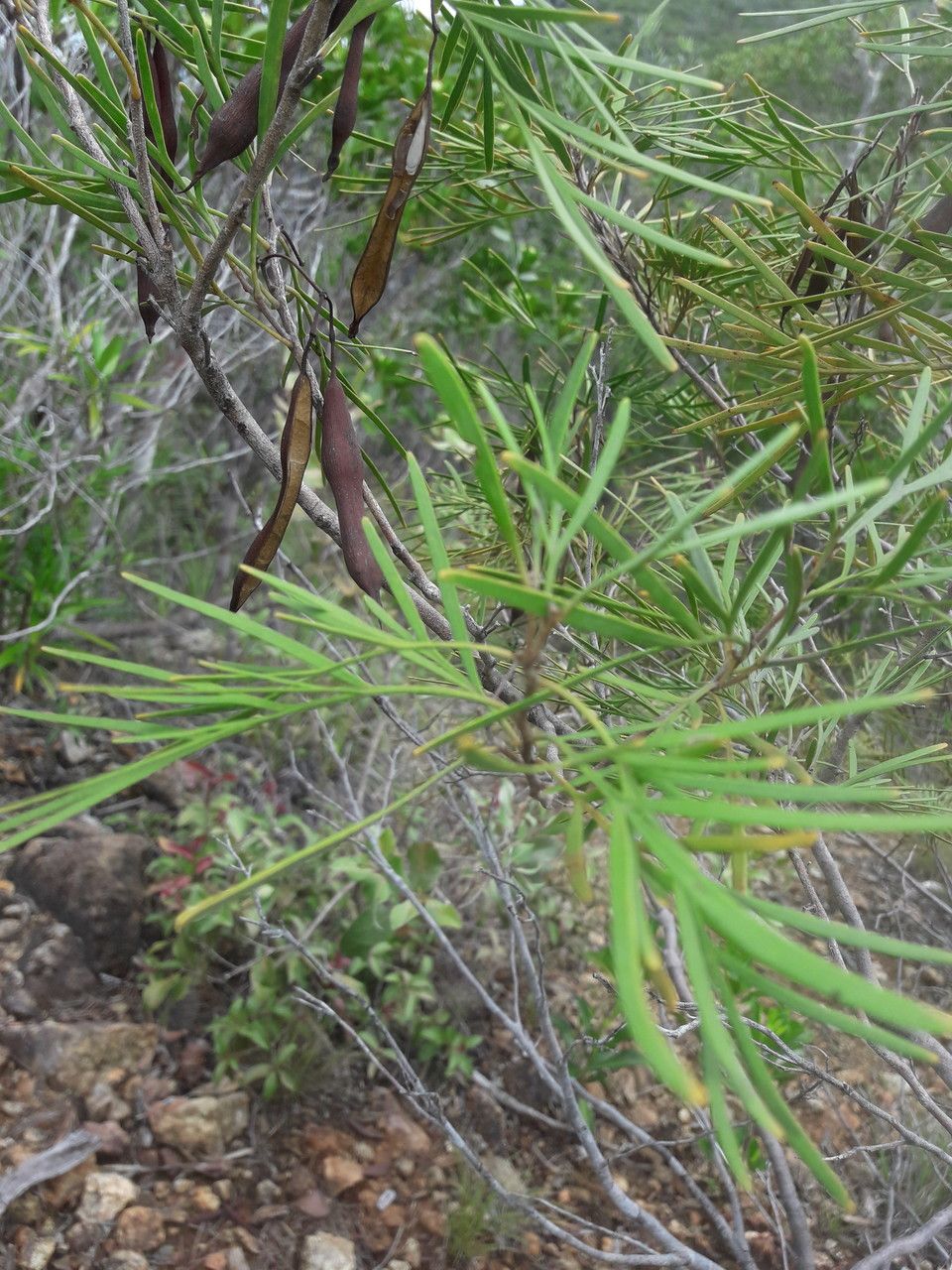
Stenocarpus salignus, known as the scrub beefwood is an Australian rainforest tree in the family Proteaceae. Found in warmer rainforests on the coast and ranges. It is often found in warm temperate rainforest on poorer sedimentary soils, or on volcanic soils above 750 metres above sea level. It was originally described by the botanist Robert Brown in 1810.
Silky oak has strong resistance to disease and is typically unlikely to suffer from illnesses. In terms of care, the plant is fairly low-maintenance. When grown outdoors it needs only minimal watering, and larger specimens generally do not require pruning. Smaller plants, however, should be pruned after they have finished blooming. Silky oak is suitable for anyone with an outdoor space, such as a garden or deck, and does not demand a lot of care experience.
How to keep Stenocarpus Salignus.
Light
Silky oak is native to open habitats, including sunny meadows and forest margins, where light is abundant. It performs best in full sun but can also tolerate partial sun, adapting well to different light conditions.
Water
The silky oak, native to a moist subtropical climate, flourishes in humid environments and needs weekly watering to stay healthy. Although it has moderate drought tolerance, it thrives with consistent soil moisture, especially when actively growing, and adapts well to outdoor conditions.
Temperature
Silky oak has good temperature adaptability and can tolerate higher temperatures and wider temperature fluctuations. In hot conditions, attention should be paid to watering and providing appropriate shade to avoid sunburn. However, silky oak is relatively poorly tolerant of low temperatures; it can endure some cold, but excessively cold conditions may cause frost damage.
Fertilizer
Timing is essential when fertilizing Silky oak. Apply fertilizer in early spring and repeat monthly through early summer. Fertilizer encourages attractive blooms and supplies energy during both dormant and active growth phases.
Pruning
To promote the health and growth of silky oak trees, it is important to prune them properly during their dormant period, from early to late winter. Begin by removing any dead or crossing branches to improve airflow and maintain a strong central leader. Regular pruning helps support a robust structure and encourages flowering. Be sure to follow local guidelines for the best practices in your area.
Botanical profile.
- Plant Type
- Tree
- Life Cycle
- Perennial
- Genus
- Stenocarpus
- Family
- Proteaceae
- Hardiness Zone
- 9-11
- Mature Height
- 10.06 m to 20.12 m
- Mature Spread
- 4.88 m to 7.92 m
- Leaf Color
- Dark Green
- Leaf Type
- Evergreen
- Flower Color
- White
- Flower Size
- 1.02 cm to 2.03 cm
- Bloom Time
- Summer
- Planting Time
- Spring, Summer, Autumn
- Harvest Time
- Fall
Other names.