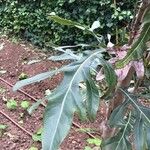
Stenocarpus sinuatus
Queensland fire-wheel-tree · Fire-wheel-tree · Firetree · Firewheeltree · Tulip-flower
Description
Source: leafsnapStenocarpus sinuatus, known as the firewheel tree, is an Australian rainforest tree in the family Proteaceae. The range of natural distribution is in various rainforest types from the Nambucca River (30° S) in New South Wales to the Atherton Tableland (17° S) in tropical Queensland. Stenocarpus sinuatus is widely planted as an ornamental tree in other parts of Australia and in different parts of the world. Other common names include the white beefwood, Queensland firewheel tree, tulip flower, white oak and white silky oak.
Care Guide
💧 Water Every 7 days
The firewheel tree thrives in subtropical conditions with high humidity and moderate moisture levels. To mimic its natural environment, water the tree every two weeks. While it can adapt to different climates, the firewheel tree needs consistently moist soil during the growing season to encourage better flowering.
☀️ Light Full sun
The firewheel tree flourishes in locations where it receives full sunlight for most of the day, encouraging vigorous, healthy growth. This species can also tolerate conditions with less intense yet still adequate sunlight. If sunlight is either too intense or insufficient, the plant may display signs of stress.
What are the sun requirements for a Firewheel tree?
The Firewheel tree, known botanically as Stenocarpus sinuatus, thrives under full sun conditions, requiring more than 6 hours of sunlight daily for optimal growth. It can also tolerate partial sun, with about 3-6 hours of sunlight. Ensuring the right balance of sunlight is crucial for the health of the Firewheel tree. It's advised to observe the movement of sunlight in your garden to select the best spots that provide an ideal mix of light and shade.
How important is sunlight for the health of the Firewheel tree?
Sunlight plays a critical role in the health and growth of the Firewheel tree. Adequate exposure to sunlight promotes robust and healthy growth of the tree in natural settings. In contrast, both excessive and insufficient sun exposure can lead to signs of distress in the plant. It's important to ensure that the Firewheel tree receives enough sunlight, especially if cultivated indoors, to prevent symptoms related to light deficiency.
Can artificial lighting be used for Firewheel trees and how?
Yes, artificial lighting can be a viable solution for Firewheel trees when natural sunlight is insufficient, especially in indoor settings or during winter. Indoor plants benefit significantly from artificial light, which supports their growth and health. Opting for LED lights is advisable due to their energy efficiency and ability to provide specific light wavelengths needed by plants. The intensity of artificial light varies depending on the plant's requirements; full sun plants need 30-50W per square foot, partial sun plants require 20-30W, and full shade plants need 10-20W. Proper placement and duration of artificial lighting, mimicking natural sunlight hours, are essential factors to consider.
What symptoms indicate light deficiency in Firewheel trees?
Symptoms of light deficiency in Firewheel trees include smaller new leaves, leggy or sparse growth, faster leaf drop, slowed or halted new growth, and paler new leaves. These symptoms arise when the tree doesn't receive enough light, signaling a need for improved lighting conditions. Conversely, symptoms of excessive light exposure such as chlorosis, sunscald, leaf curling, wilting, and leaf scorching also indicate that the light conditions need to be adjusted for the Firewheel tree's health.
What solutions can help Firewheel trees receive adequate sunlight?
To ensure the Firewheel tree receives adequate sunlight, it's crucial to gradually move it to a location with sufficient natural light. For indoor plants, using a south-facing window or artificial lighting such as desk lamps or professional grow lights can make a significant difference. Outdoor and ground-planted trees might require moving to sunnier spots or reducing obstructions like overhanging branches. Remember, sudden changes in sunlight exposure should be avoided to prevent sunburn. Regularly adjusting the plant's location and managing light sources are key strategies for maintaining its health and vitality.
🌡️ Temperature 20–37.8°C
Firewheel tree is native to areas where temperatures range from 68 to 100 °F (20 to 38 ℃). It prospers in moderately warm climates. Seasonal variations should be managed carefully, installing shade during hotter months or using warming techniques in cooler periods.
What are the essential growing conditions for a Firewheel Tree?
The Firewheel Tree (Stenocarpus sinuatus) is native to environments where temperatures fluctuate between 68 to 100 °F (20 to 38 °C), preferring moderately warm climates. It's crucial to adjust its growing conditions seasonally, using shades to protect it from excessive heat in hotter months and employing warming techniques during cooler periods to maintain optimal growth. The Firewheel Tree is particularly sensitive to cold, requiring that it be brought indoors in autumn to stay near a bright window, albeit not too close to heaters, ensuring the temperature stays above 20°C during winter. Any exposure to temperatures nearing 5°C can be detrimental to the plant.
What should you do if your Firewheel Tree is exposed to low temperatures?
If a Firewheel Tree is exposed to low temperatures, particularly below 1°C, its leaves may lighten in color, eventually turning brown or black if frost damage occurs, accompanied by wilting and drooping. To remedy this, trim off the frost-damaged parts and move the plant indoors to a warmer environment for cold protection. Positioning the plant near a south-facing window ensures it receives ample sunlight while avoiding placement near heaters or air conditioning vents to prevent air dryness.
How do you care for a Firewheel Tree during high temperatures?
During high temperatures, specifically above 38°C, and more critically if above 43°C, a Firewheel Tree may exhibit lighter leaf coloring and become more prone to sunburn. To manage this, trim away the sunburnt and dried parts of the plant. Relocate the plant to a shaded location away from the harsh midday and afternoon sun. Ensure to water the plant in the morning and evening to maintain moist soil conditions and alleviate the stress caused by high temperatures.
💨 Humidity
🪴 Soil 6-7
🌱 Fertilizer
The best time to fertilize a Firewheel tree is in early spring, when it comes out of dormancy. Doing so supports overall growth and flower development. Fertilizing improves the foliage, stems, and branches, and encourages flowers that are large, bright, and long-lasting. It also helps move nutrients from the roots to the blooms and enhances the plant’s health and resistance to disease.
🪴 Pot & Repot
✂️ Pruning
The Firewheel tree is known for its stunning, wheel-shaped flowers. To encourage healthy growth, it's beneficial to prune the tree in early winter. Be sure to remove any damaged limbs and thin out crowded branches to enhance airflow. Using clean tools is essential for preventing disease, and timely pruning helps promote vibrancy and maximize the blooming potential.
🌿 Propagating
🐛 Diseases & pets
☠️ Toxicity
Characteristics
- Plant Type
- Tree
- Life Cycle
- Perennial
- Genus
- Stenocarpus
- Family
- Proteaceae
- Hardiness Zone
- 10-11
- Mature Height
- 39.93 m
- Mature Spread
- 2.44 m to 4.57 m
- Leaf Color
- Green
- Leaf Type
- Evergreen
- Flower Color
- Red
- Flower Size
- 2.54 cm to 5.08 cm
- Bloom Time
- Summer, Early fall, Mid fall
- Planting Time
- Winter
- Harvest Time
- Fall, Early winter, Mid winter