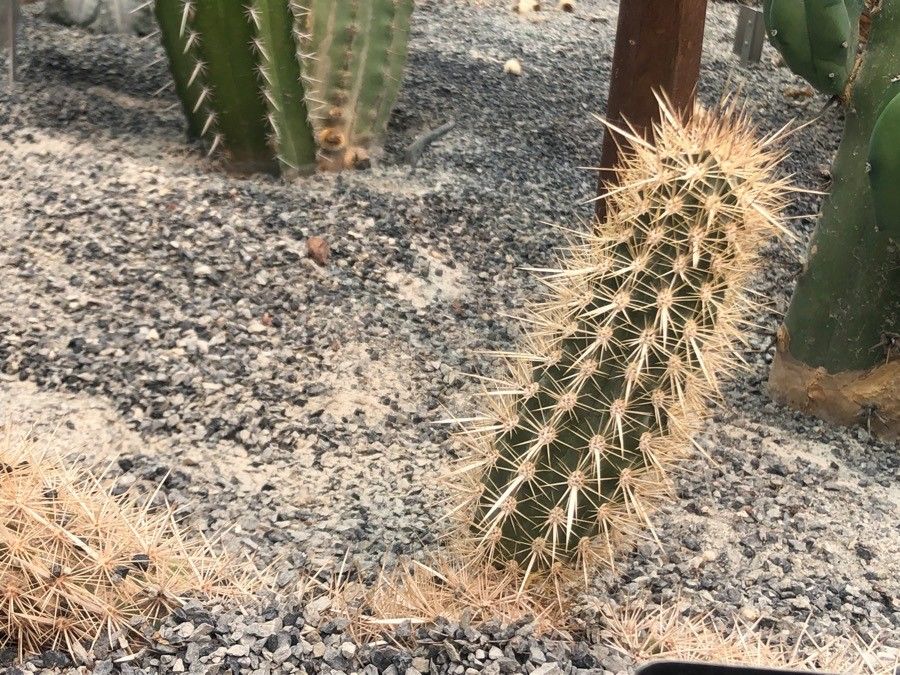
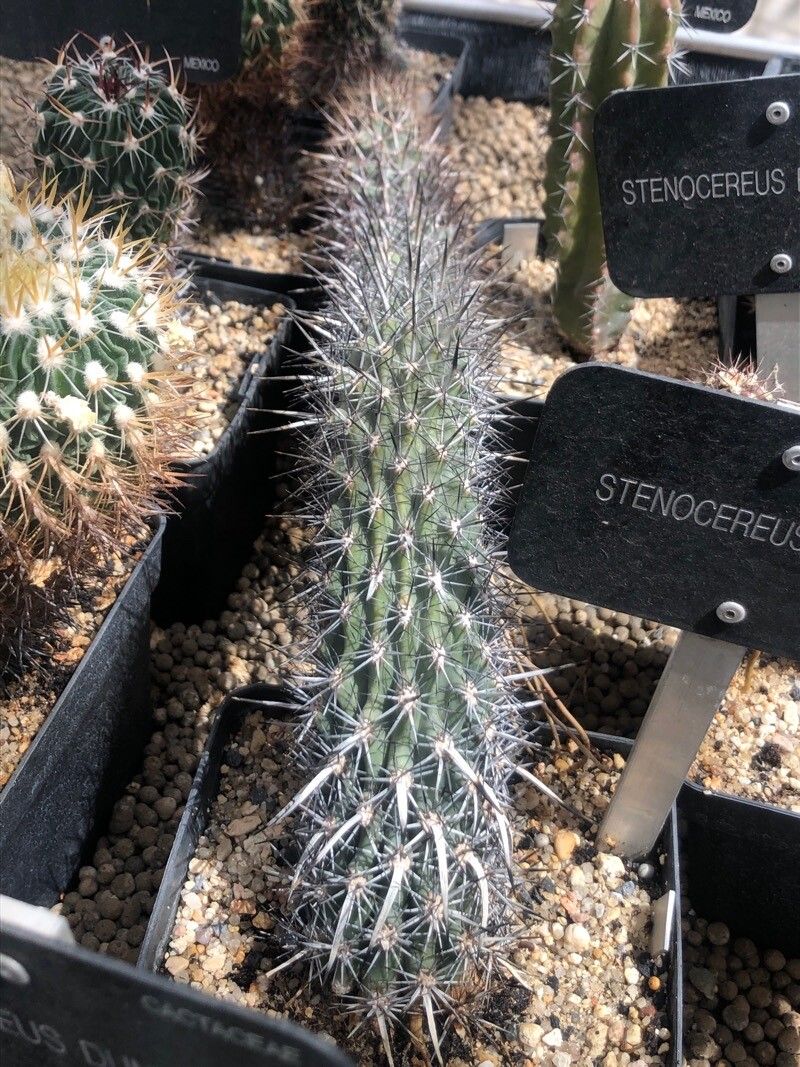
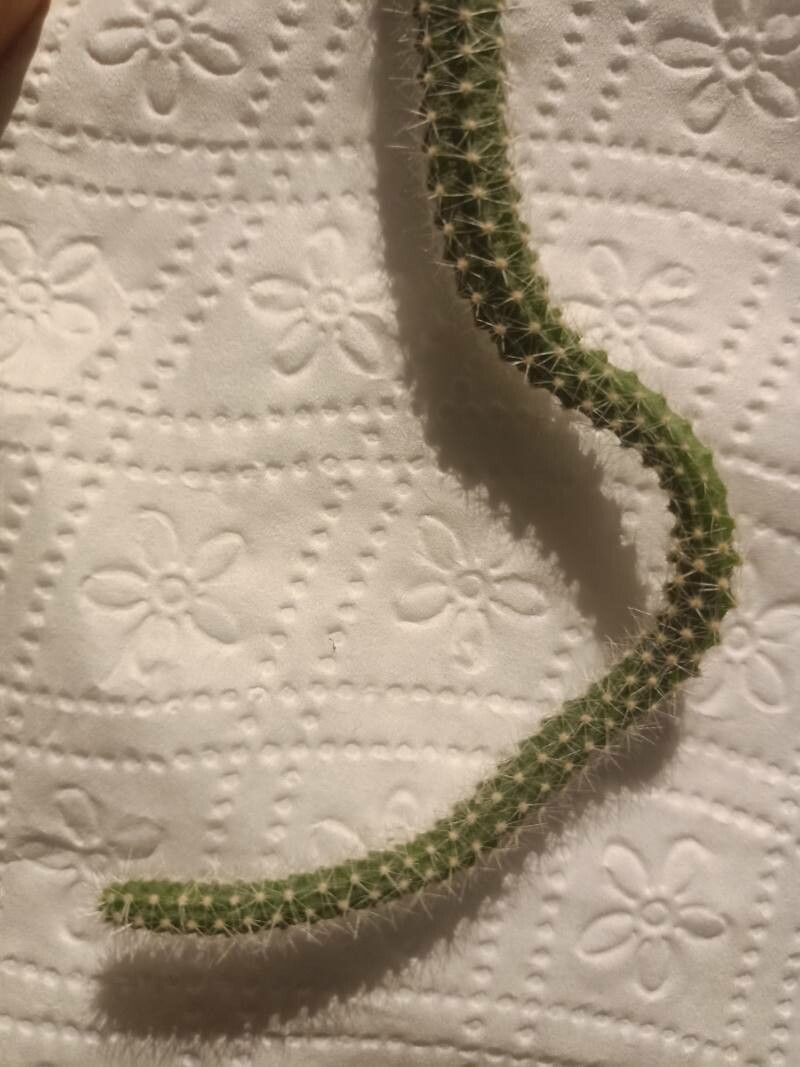
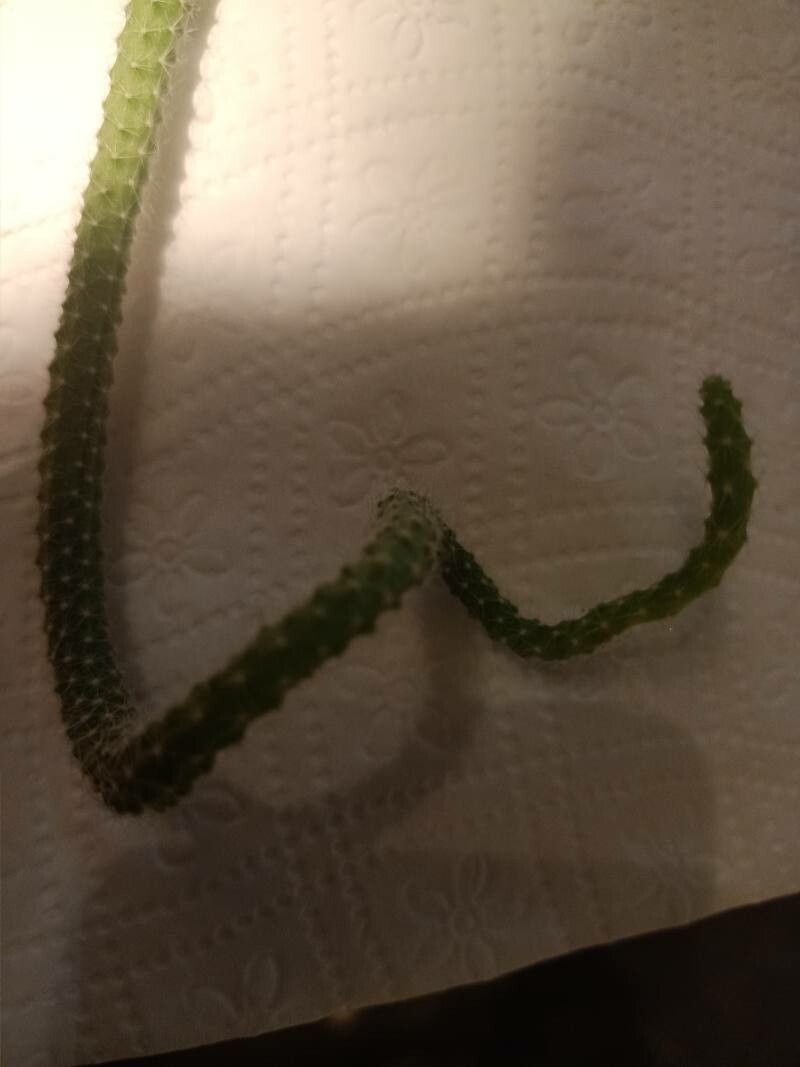
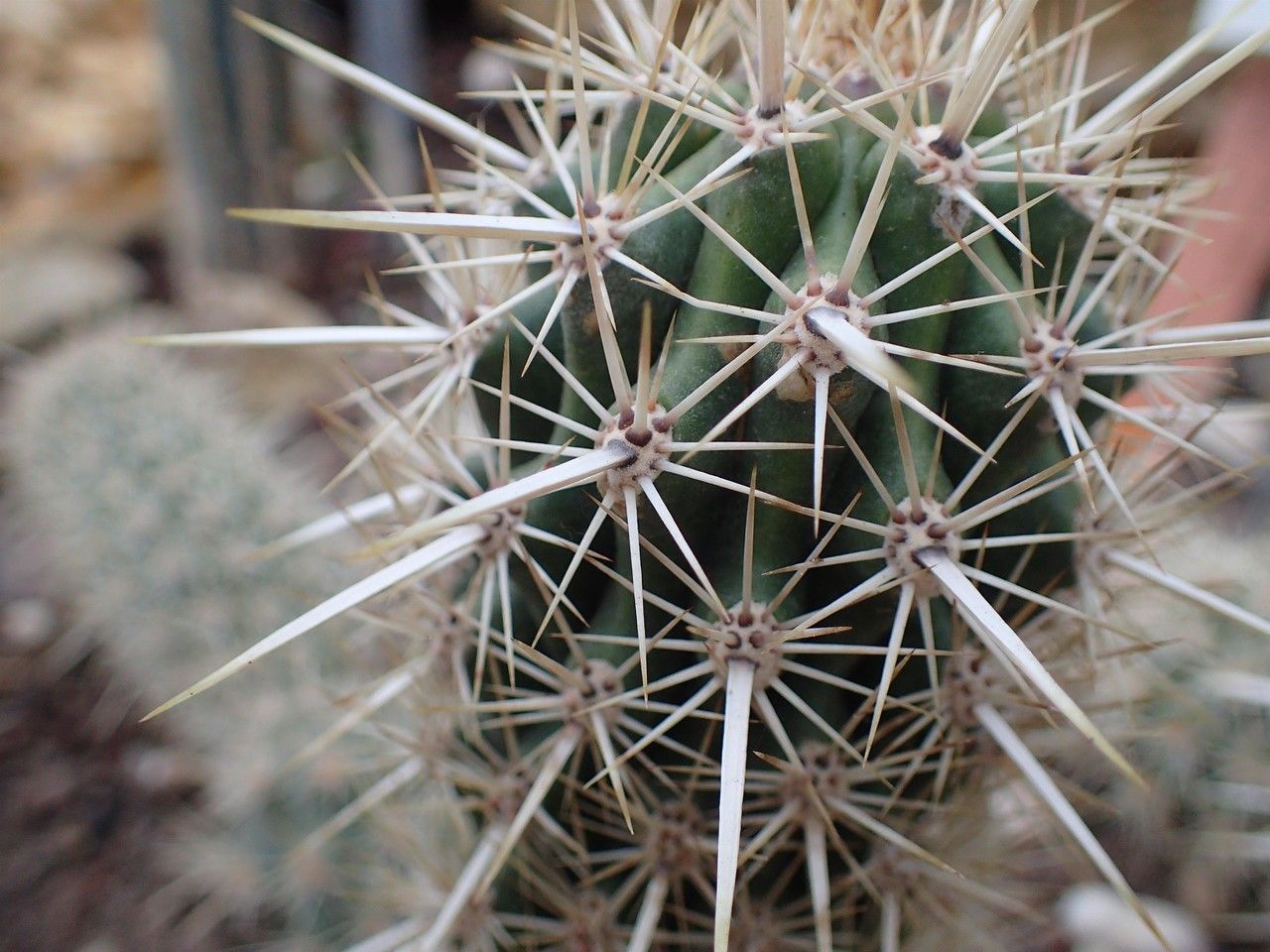
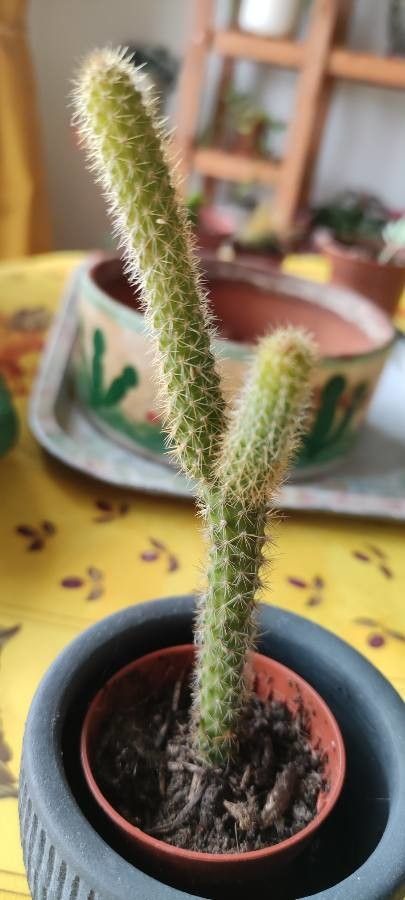
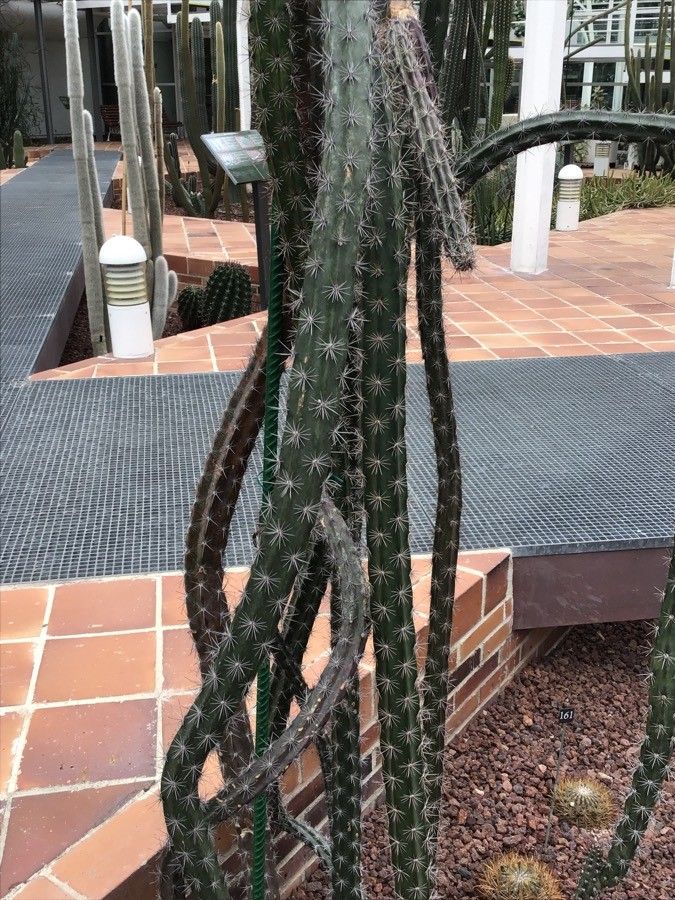
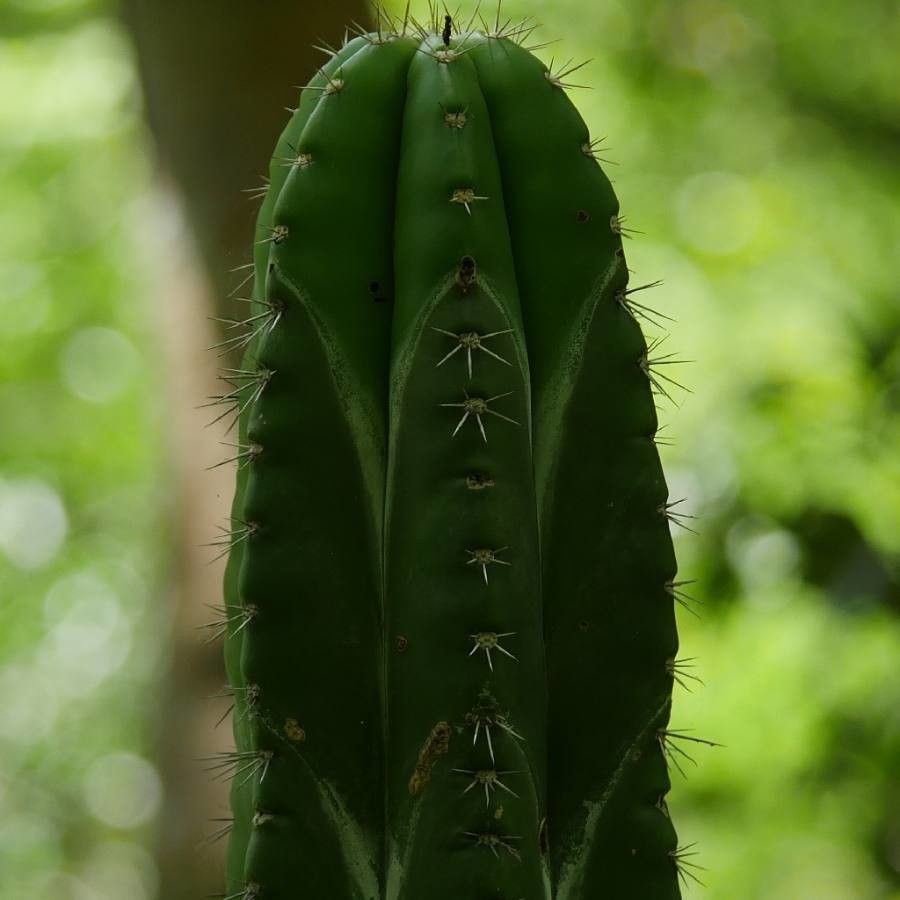
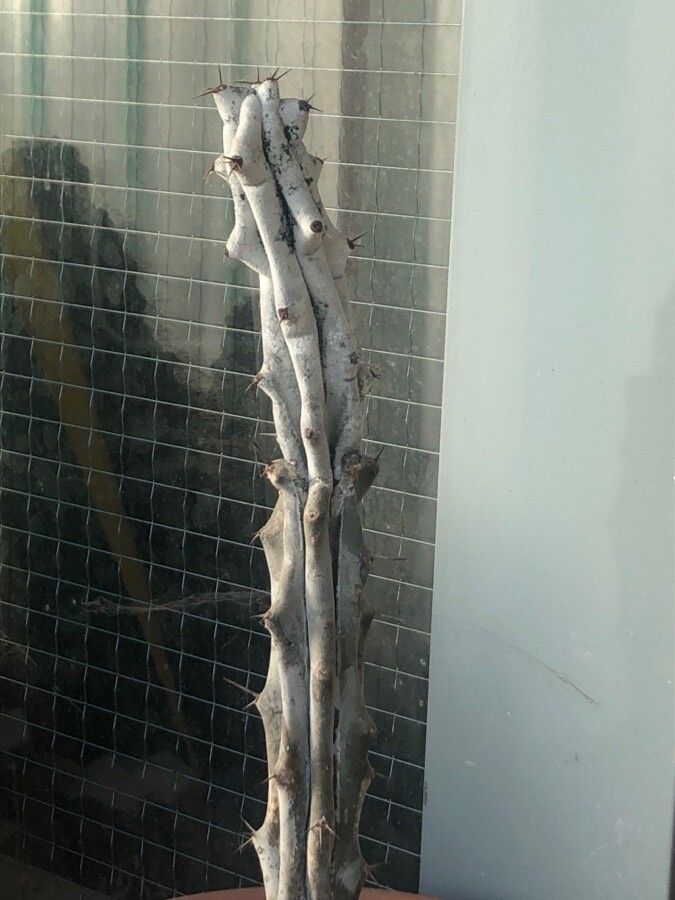
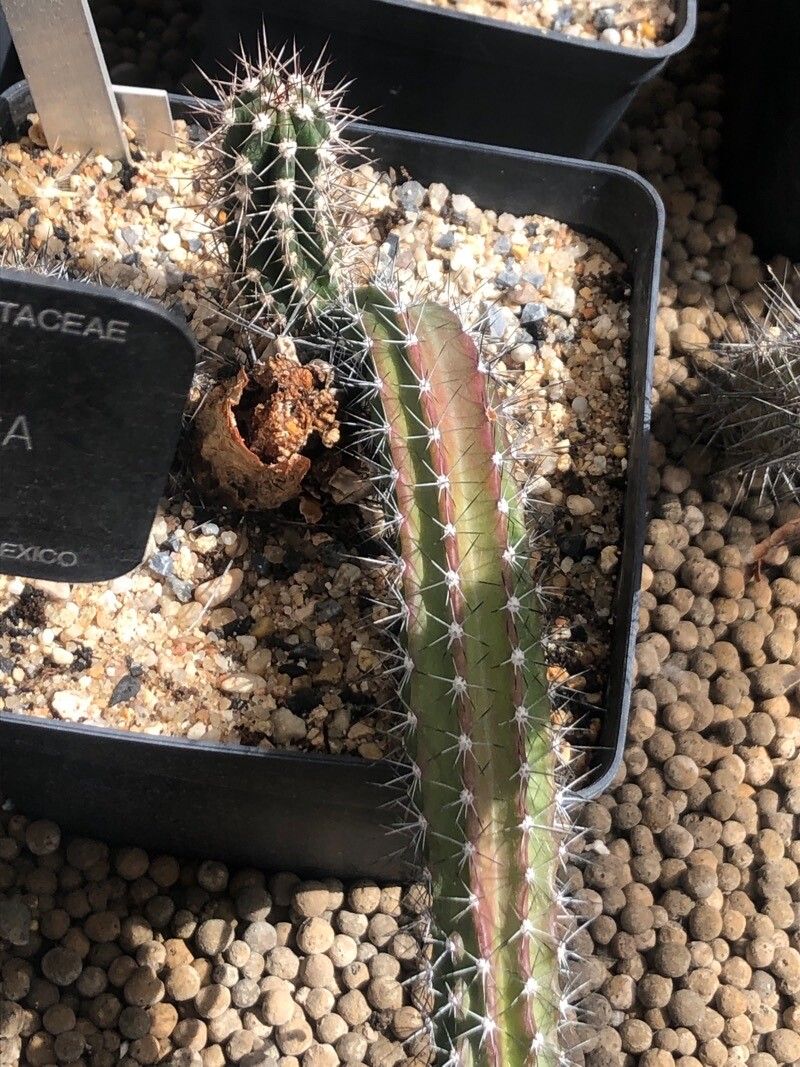
Stenocereus eruca, commonly known as the Creeping Devil or Pitayo de Octubre, is a species of cactus native to Mexico and parts of Central America. This plant belongs to the Cactaceae family and is notable for its distinctive long, thin stems that can extend up to 10 feet. These stems are covered in spines up to 2 inches long.
During the summer months, Stenocereus eruca produces beautiful pink or white flowers that bloom at night. These flowers are followed by edible fruit with a sweet taste, often used in traditional Mexican cuisine.
This cactus species thrives in well-draining soil with ample sunlight exposure. While it can tolerate drought conditions, it does require occasional watering during hot summer months.
Historically, Stenocereus eruca has been used for medicinal purposes by indigenous communities, thanks to its anti-inflammatory properties. Moreover, it serves as an important food source for wildlife, including birds and bats.
In summary, Stenocereus eruca is a fascinating plant with unique characteristics, making it a standout among other cacti species in its native habitat.
Chirinole is resistant to disease and tolerates normal care conditions without becoming ill easily. It can, however, be vulnerable to mealybugs; these pests may cause some damage but are typically not a serious threat. In terms of care, Chirinole is drought-tolerant and does not require frequent watering. It can withstand long periods without water and needs little fertilizer. But if lighting is poor and it is overwatered, it is highly prone to root rot. Overall, Chirinole is well suited to people who want to spend less time tending their plants, though it’s important to understand and meet its basic needs. It is particularly appropriate for those who are often away for extended periods and may forget to water regularly.
How to keep Stenocereus Eruca.
Light
Chirinole is native to arid regions and flourishes in full sun; its native habitat had intense sunlight and very little shade. It can also tolerate partial sun, giving it some flexibility in how it grows.
Water
Chirinole is a drought-tolerant plant that doesn't need frequent watering. During the growing season, water it thoroughly 1-2 times a week, allowing the soil to dry out between sessions. In the winter, reduce watering to once a week. To prevent soil compaction, use rainwater or distilled water. Be careful not to splash water on the stem, as this can cause rot.
Humidity
This plant prefers dry conditions, so don't mist it. However, watering it less often can also thrive in higher humidity.
Temperature
Chirinole prospers in warm settings and needs elevated temperatures during the growing season to support growth and metabolism. It prefers plenty of sunlight, proper moisture, and good airflow. However, it can be harmed by very low temperatures and by being overwatered. Maintaining a balance is crucial—extremely high temperatures and overly dry conditions should also be avoided.
Fertilizer
For Chirinole, light applications of fertilizer one to two times a year during the growing season are sufficient. Avoid fertilizing in winter and in summer when it is dormant. Reduce fertilizer for repotted plants and wait a couple of months after repotting before fertilizing. Fertilizing supports healthy growth and encourages blooms.
Pruning
Chirinole is a type of creeping cactus with long stems. It's best to prune it in early spring to remove any dead or damaged parts. Be sure to use sterilized shears for this task. Pruning helps promote healthy and denser growth, maintains the plant's size, and prevents pests by improving light and air circulation.
Botanical profile.
- Plant Type
- Succulent
- Life Cycle
- Perennial
- Genus
- Stenocereus
- Family
- Cactaceae
- Hardiness Zone
- 9-11
- Mature Height
- 30 cm to 91 cm
- Mature Spread
- 0.91 m to 3.05 m
- Leaf Color
- Green
- Leaf Type
- Evergreen
- Flower Color
- White, Pink
- Flower Size
- 6.35 cm to 10.16 cm
- Bloom Time
- Late spring, Early summer, Mid summer
- Planting Time
- Spring, Summer, Autumn
- Harvest Time
- Mid summer, Late summer, Early fall
- Native Area
- Mexico
Reader questions.
What is Chirinole?
Chirinole, scientifically known as Stenocereus eruca, is a plant without further details provided in the given information. Unfortunately, specifics regarding its essential characteristics, uses, or associated symptoms, if any, have not been shared.