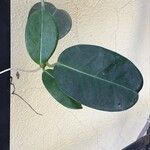
Stephanotis floribunda
Madagascar jasmine · Madagascar stephanotis · Bridal wreath · Florador flower · Madagascar jessamine
Description
Source: leafsnapStephanotis floribunda, commonly known as Madagascar jasmine or waxflower, is a tropical vine native to Madagascar. This plant is a popular ornamental choice due to its fragrant, showy white flowers that bloom in clusters from spring to fall. It boasts glossy, dark green, oval-shaped leaves that grow in pairs along the stem. To thrive, Stephanotis floribunda requires warm temperatures and high humidity, making it ideal for indoor cultivation or as a greenhouse specimen. It prefers well-draining soil and benefits from regular watering during the growing season, though the soil should be allowed to dry out slightly between waterings. Propagation of Stephanotis floribunda can be achieved through stem cuttings taken in spring or summer. The cuttings should be placed in moist soil with high humidity until they root successfully. Beyond its ornamental appeal, Stephanotis floribunda has been used by the indigenous people of Madagascar for medicinal purposes, treating ailments such as headaches, fever, and respiratory problems. However, it should not be ingested without proper medical supervision due to its potential toxicity. Overall, Stephanotis floribunda is a beautiful tropical vine with fragrant flowers that can add elegance and charm both indoors and outdoors when grown under suitable conditions.
🌳 Madagascar jasmine is widely employed in the perfume industry. The flowers' characteristically sweet and intense scent makes them a prized component in the production of high-end perfumes. Beyond ornamental use, its aromatic qualities have been used to scent rooms and personal spaces, indicating the plant's suitability for aroma-based products such as air fresheners, scented candles, and other fragrance items.
Care Guide
💧 Water Every 7 days
Madagascar jasmine, originally from Madagascar, thrives in humid environments and needs moderate watering once a week to keep the soil moist. It grows well indoors, provided it receives plenty of indirect light and is planted in well-draining soil. This helps prevent waterlogging while ensuring the plant stays properly hydrated.
How should I water my Madagascar jasmine?
To ensure excellent root development, place a garden hose at the base of your plants. Avoid spraying the leaves directly; instead, focus on watering the roots. If your plants are outdoors and exposed to direct sunlight, keep in mind that the leaves will need more water. To moisten the roots, consider using bubblers or soaker hoses. When adding or removing plants, use soaker hoses that can cover the entire garden or bed to ensure deep root growth. Be sure to drain any excess water and allow the soil to dry before watering again. Watering at ground level can help prevent diseases. On sunny days, it might be beneficial to spray the entire bush with water. Whether your Madagascar jasmine is potted or in-ground, remember to provide deep watering rather than light sprinkling.
What should I do if I give too much or too little water to Madagascar jasmine plant?
An overwatered Madagascar jasmine can show several signs of distress. The leaves may turn yellow, drop off, and wilt, giving the plant a dull and unhealthy appearance. Mushy stems are also common in overwatered plants. It's important to adjust your watering schedule at the first signs of wilting. However, wilting can also be a sign of under watering. In this case, the leaves may turn crispy and dry. To determine the moisture level, check the soil and water thoroughly when it's dry. Although enough water can help the Madagascar jasmine recover, the plant may still have dry and yellow leaves due to damage to the root system. Once the plant is back to normal, the yellowing of leaves will stop. When growing the Madagascar jasmine indoors, always check the moisture levels and avoid overwatering. Look out for black spots on the leaves, and if present, allow the soil to dry out by withholding water for a few days. Overwatering can lead to root rot, so if you notice discolored and slimy roots, consider transferring the plant to a different pot. Preventing root rot is crucial, so don't let the soil become too soggy. When planting the Madagascar jasmine outdoors, make sure to check the soil's moisture level. If it's too dry, this could indicate underwatering. Adequate watering is necessary to help the plant recover.
How frequently do I need to water my Madagascar jasmine plant?
The Madagascar jasmine prefers deep watering that is done infrequently. If it is planted in pots, it is important to soak them with a gallon of water each time. Potted plants have limited water storage, so the soil dries out faster. In cold regions, watering is needed every 3 to 5 days. It is best to water early in the morning when the soil is dry, whether the plant is indoors or outdoors. To determine if watering is needed, check the soil inside the pot. When the top 2-3 inches of soil is dry, it is time for a full watering. On hot days, the soil in the pot can dry out quickly, so checking the moisture daily may be necessary. If you have a garden, the soil will also need to be irrigated. In hot climates, watering once a week may be sufficient. Only water when the top 2 to 3 inches of soil become too dry, both indoors and outdoors. Consider the amount of rainfall the plant receives and avoid overwatering to prevent root rot. If there is abundant rainfall, additional watering may not be necessary. Madagascar jasmine typically grows during spring and fall. Outdoors, it is recommended to add mulch about 3 to 4 inches deep to conserve water. Sandy soil drains faster, so more frequent watering is required. In contrast, clay soil retains water better, so watering can be done less frequently, allowing the plant to dry out for 2 to 3 days without developing root rot. It may be helpful to mark the calendar each time you water and to pay attention to the drooping leaves, which could indicate that watering is overdue.
How much water does my Madagascar jasmine need?
The Madagascar jasmine typically requires about a gallon of water on a regular schedule. For potted plants, water them deeply until you see water dripping from the bottom of the pot. Wait for the soil to dry before watering again. You can use a water calculator or moisture meter to track the amount of water given to your plant in a week. During the flowering period, provide plenty of water but allow the moisture to evaporate afterwards to prevent root rot. If you plant Madagascar jasmine outdoors where there is sufficient rainfall, it may not need additional watering. However, when the plant is young or newly planted, make sure it receives 1-2 inches of rain per week. As the plant grows, it can rely solely on rainfall. Only give it a full watering during cooler parts of the day when the weather is exceptionally hot or when there has been no rainfall for 2-3 weeks to prevent heat damage. Additional watering will be necessary during extended dry spells.
Should I water my Madagascar jasmine more or less depending on the time of year or the weather?
To properly care for your Madagascar jasmine, it is important to provide the right amount of water based on the season and weather conditions. During the spring and fall, keep the soil consistently moist, but not soggy. Alternating between dry and moist soil conditions will help the plant thrive. In the summer, hot weather can cause water to evaporate quickly, so you may need to water more frequently and provide extra moisture. Less water is typically needed during the winter when the plant goes dormant and loses its leaves. Use a well-draining soil mixture like terracotta during this time to help with water evaporation. Once the plant starts to leaf out in the spring, you can encourage growth and blooming by watering diligently as needed, making sure the entire root system gets a deep soak. Avoid shallow sprinkles that only reach the leaves as they can encourage fungi growth and don't reach the roots effectively. It is important to provide good drainage at all times, especially in the winter, to prevent ponding or drought. However, be cautious not to overwater and allow the plant to sit in water for too long, as this can be harmful. Applying mulch can help reduce stress, conserve water, and promote healthy blooms.
☀️ Light Full sun
The madagascar jasmine prospers in strong sunlight. It can tolerate locations with dimmer light to some extent. Native to sun-drenched habitats, the plant does best in those conditions. Its health may decline if it receives too little or too much sun.
What are the sunlight requirements for Madagascar jasmine?
Madagascar jasmine requires full sun exposure of above 6 hours of sunlight to thrive optimally but can also tolerate partial sun exposure, about 3-6 hours of sunlight. It is crucial to observe the movement of sunlight through your garden carefully and select locations that offer a perfect mix of light and shade, ensuring the plants' well-being.
What are the essentials for growing Madagascar jasmine?
The Madagascar jasmine flourishes under ample sunlight, having originated in environments abundant with solar exposure. It can somewhat manage in less sunny situations but perfect conditions involve plentiful sunlight. Its health may decline if exposed to too low or too high solar exposure. Indoor plants, especially, require sufficient lighting, which can be supplemented by artificial lights when natural sunlight is insufficient. LED lights, which can be customized to provide specific wavelengths needed by the plants, are recommended. The amount of artificial light needed varies depending on the intended sunlight exposure: full sun plants need 30-50W/sq ft, partial sun plants 20-30W/sq ft, and full shade plants 10-20W/sq ft. The correct distance from the light source and duration of light exposure are essential for mimicking natural sunlight conditions.
What are important symptoms of light deficiency in Madagascar jasmine?
Light deficiency in Madagascar jasmine can lead to several noticeable symptoms, including smaller leaves compared to those that have matured, leggy or sparse growth indicating a stretched-out appearance, faster leaf drop as older leaves are shed to conserve resources, delayed growth or a complete stop in new leaf production, lighter-colored new leaves suggesting insufficient chlorophyll, and symptoms of too much sunlight like chlorosis, sunscald, leaf curling, wilting, and leaf scorching. These issues indicate that the plant's light exposure needs adjustment.
How can I address lighting issues for indoor and outdoor Madagascar jasmine plants?
To ensure optimal growth for indoor Madagascar jasmine, gradually move the plants to sunnier spots until they receive at least 6 hours of direct sunlight daily, utilizing south-facing windows and keeping curtains open during the day. If the plant is large or not easily movable, consider supplementing with artificial light, keeping a lamp on for at least 8 hours daily or investing in professional plant grow lights. For outdoor plants, it's important to gradually acclimate them to sunnier spots to prevent sunburn, moving them weekly towards better sunlight. For both settings, parts of the plant affected by prior insufficient sunlight may not recover, but new growth should be healthier post-adjustment. Minimizing obstructions, pruning trees to allow more sunlight, and transplanting smaller plants during their dormant period to locations with ample sunlight and good drainage can also help.
🌡️ Temperature 20–37.8°C
Madagascar jasmine is a temperate woody plant that thrives in its native habitat at temperatures of 68 to 100 ℉ (20 to 38 ℃). In cooler periods, lowering the temperature to 60 to 70 ℉ (15 to 21 ℃) can encourage flowering. In hotter periods, temperatures should be kept under 90 ℉ (32 ℃) to avoid wilting.
What are the ideal growing conditions for Madagascar Jasmine?
Madagascar jasmine, known botanically as Stephanotis floribunda, thrives in a temperate range from 68 to 100°F (20 to 38°C) in its native environment. To encourage blooming, cooler temperatures of 60 to 70°F (15 to 21°C) are preferable during the cooler seasons. However, to prevent wilting, it's crucial to keep temperatures below 90°F (32°C) in hotter seasons. The plant is very sensitive to heat and can be harmed by cold temperatures. In autumn, it's advisable to move outdoor-grown plants indoors, placing them near a bright window but away from heaters, ensuring the temperature stays above the minimum suitable growth temperature during winter. Temperatures approaching the minimum tolerable growth temperature or lower can be detrimental.
How should I care for Madagascar Jasmine in varying temperatures?
Madagascar jasmine does not tolerate low temperatures well and thrives in warmth, ideally above the minimum suitable growth temperature. In winter, ensure the temperature remains above the minimum tolerable growth temperature. Exposure to temperatures below the limit growth temperature causes the leaves to lighten, and after frost, they may turn brown or black, showing signs of wilting and drooping. To address frost damage, trim the affected parts and move the plant to a warmer, indoor spot, preferably near a south-facing window to ensure enough sunlight, while avoiding placement near heaters or air conditioners to prevent air dryness. During high temperatures, particularly above the suitable maximum growth temperature, leaf color may lighten, increasing susceptibility to sunburn. Trim damaged parts, relocate the plant to a shaded area during peak sun hours, and water in the morning and evening to maintain soil moisture.
💨 Humidity
🪴 Soil 5-7
🌱 Fertilizer Every 100 days
Fertilizing is essential for caring for Madagascar jasmine. Regular feeding during the growing season preserves the energy required for its showy leaves and encourages overall growth. Failing to fertilize can lead to unhealthy leaves, reduced ornamental value, and stunted or weak growth that is more likely to break.
Why should I add plant food to my Madagascar jasmine?
Regular fertilization is necessary for Madagascar jasmine because it has showy leaves that require a lot of energy to produce and maintain. However, the challenge is that the plant must also allocate enough energy to support the growth of its stems, branches, roots, and other vital structures. If you neglect fertilization, two likely outcomes can occur. First, the leaves may lose their natural color and texture, appearing unhealthy and diminishing the plant's ornamental appeal. Second, the plant's overall growth may slow down or produce weak growth that is prone to breakage.
When should I put fertilizer on my Madagascar jasmine?
Madagascar jasmine does not require a standard feeding schedule upon planting. To provide the plant with nutrients, you can simply apply fertilizer when watering occasionally. During the growing season, it is important to give the plant a decent amount of water. Feeding the plant once every two to three weeks is sufficient, and this feeding rate should continue as long as the plant is producing new growth.
When is it not a good idea to put fertilizer on my Madagascar jasmine plant?
For most of the year, you can regularly fertilize your Madagascar jasmine. This should be done during the active growing season, which includes spring, summer, and early fall. However, it is important to note that during the winter, you should completely refrain from fertilizing this plant. This is because the Madagascar jasmine enters a dormant growth phase during this time. In this phase, the plant does not produce much or any new growth. Since the plant is using less energy during this period, fertilization is unnecessary.
What kind of fertilizer does my Madagascar jasmine plant need?
When fertilizing a Madagascar jasmine, it's important to use a specific blend of nutrients, each in relatively low amounts. An ideal fertilizer has a 3-1-2 N-P-K ratio, but a general-purpose fertilizer with a balanced nutrient blend can also work. Regardless, the ratio number for each nutrient should be 3 or lower. You can choose between granular or liquid-based fertilizer. If you opt for a liquid-based one, it's best to dilute the strength by half. While granular fertilizer has few downsides, using liquid fertilizer makes more sense, especially when providing water to your Madagascar jasmine.
How should I feed my Madagascar jasmine?
One easy way to fertilize a Madagascar jasmine is to feed it every time you water it. Here's how: 1. Gather your fertilizer and a water container like a watering can. 2. Mix the fertilizer with water to dilute its strength. 3. Pour the water with the fertilizer onto the soil, making sure it reaches the roots. Alternatively, you can use a granular fertilizer. 4. Simply sprinkle some of the granular fertilizer on the soil where your Madagascar jasmine grows. Granular fertilizers are slow-release, so you won't need to fertilize as often as with a liquid fertilizer. Remember to water your plant while you feed it, as this is beneficial for its growth.
🪴 Pot & Repot 2-3 years
Repot the Madagascar jasmine in early spring, selecting a container only slightly larger than the current one and with adequate drainage. Use a well-draining potting mix and set the root ball at the same depth as before. Gently loosen any root-bound roots. After repotting, water thoroughly and keep the plant in a warm, shady spot. Regular pruning will help control size and encourage new growth.
✂️ Pruning
Madagascar jasmine is known for its fragrant, star-shaped flowers and its vigorous climbing habit. For best results, prune the plant in early spring to remove weak stems and shape its growth by cutting back to the healthy buds. Regular pruning will enhance both flowering and the plant’s overall size. However, avoid heavy pruning during the blooming period to prevent disrupting the production of flowers.
🌿 Propagating
🐛 Diseases & pets
☠️ Toxicity
Characteristics
- Plant Type
- Vine
- Life Cycle
- Perennial
- Genus
- Stephanotis
- Family
- Apocynaceae
- Hardiness Zone
- 10-12
- Mature Height
- 6.1 m
- Mature Spread
- 91 cm
- Leaf Color
- Green
- Leaf Type
- Evergreen
- Flower Color
- White
- Flower Size
- 2.54 cm
- Bloom Time
- Late spring, Summer
- Planting Time
- Spring, Autumn
- Harvest Time
- Mid summer, Late summer, Early fall
- Native Area
- Madagascar, Myanmar