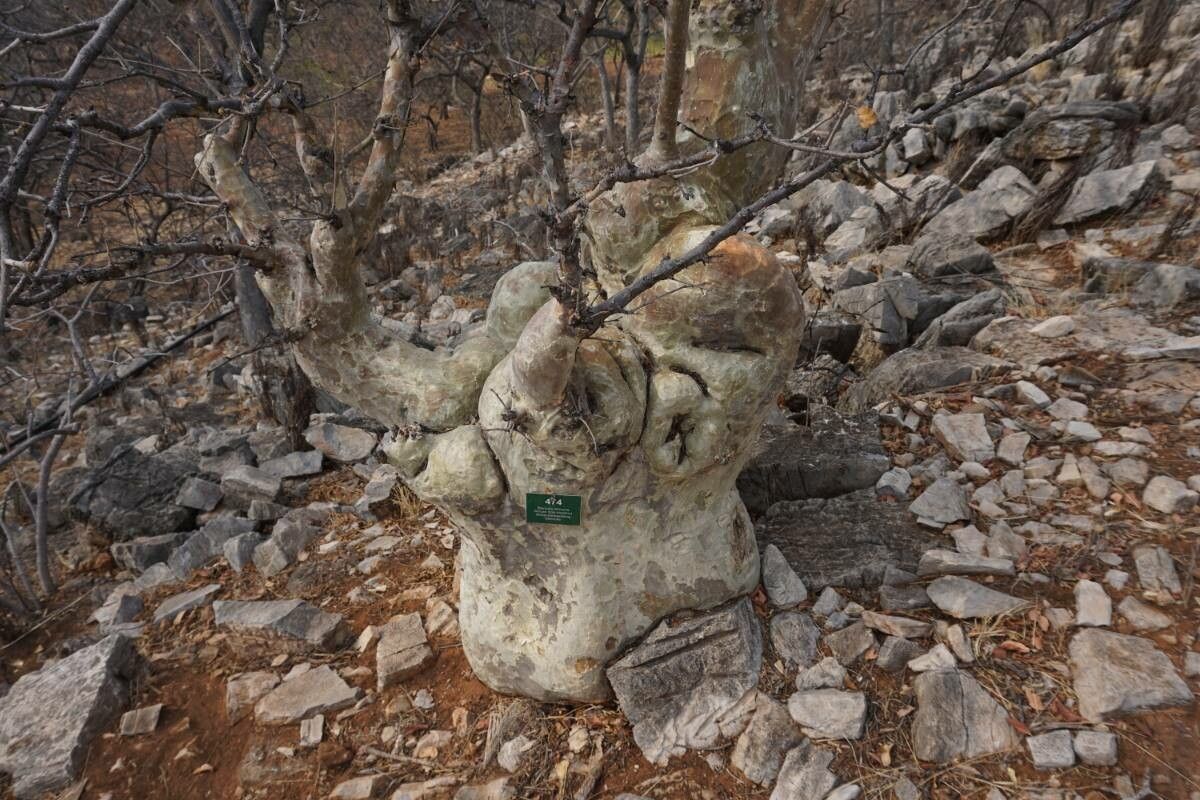
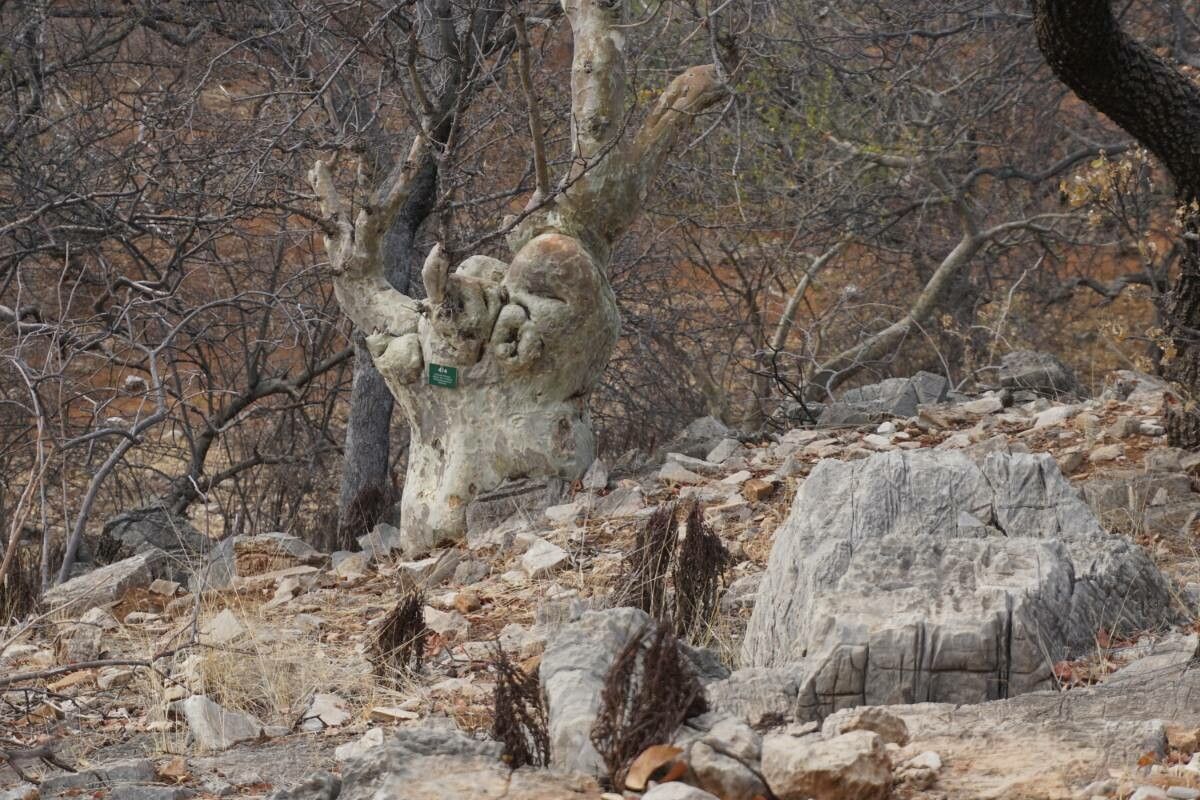
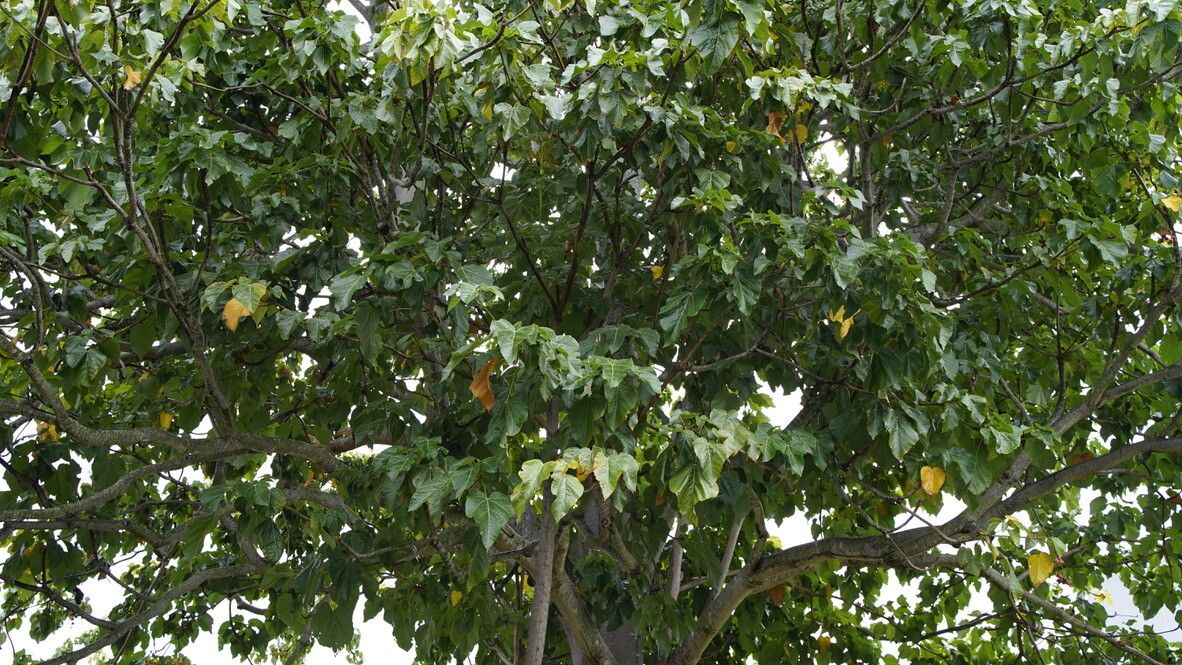
Sterculia africana is a deciduous tree species in the family Malvaceae, commonly found in tropical regions of Africa, particularly in Kenya, Tanzania, and Uganda. The tree can reach up to 30 meters in height and has a broad crown with a diameter of up to 20 meters.
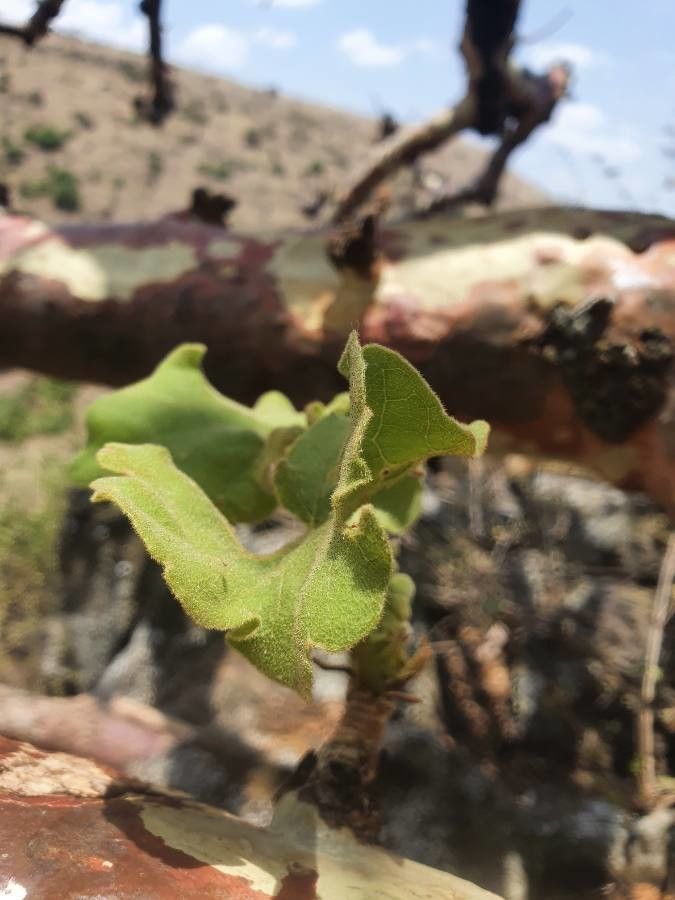
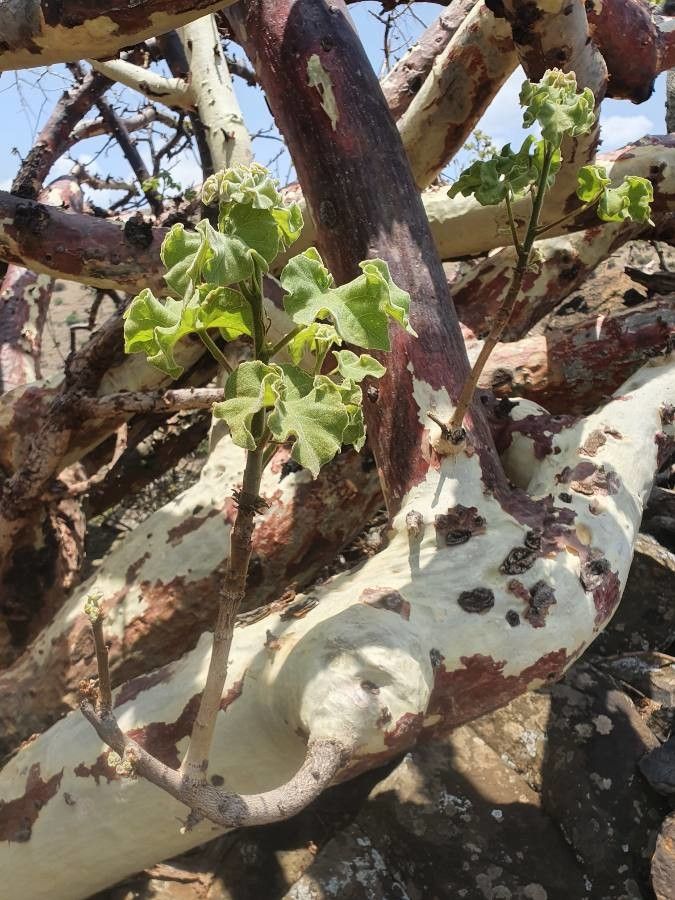
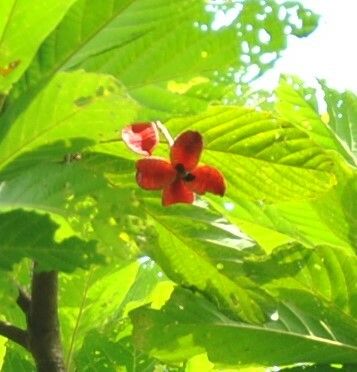
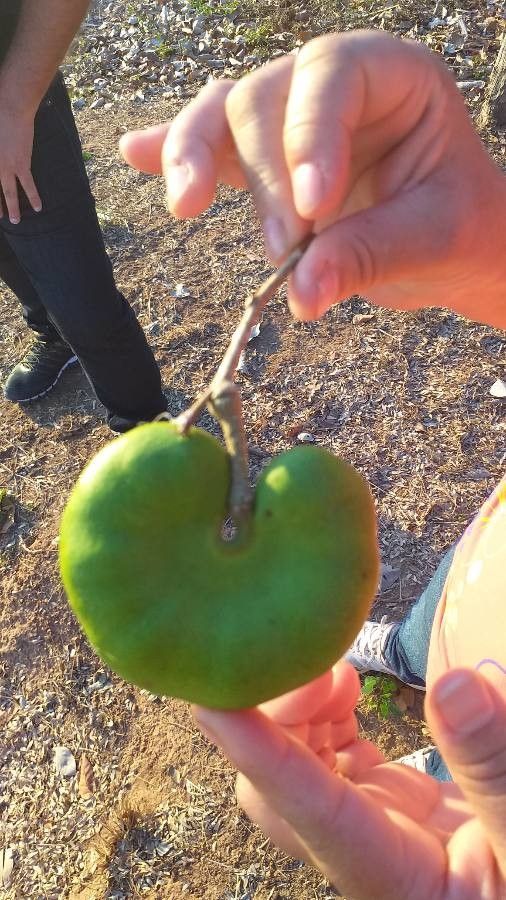
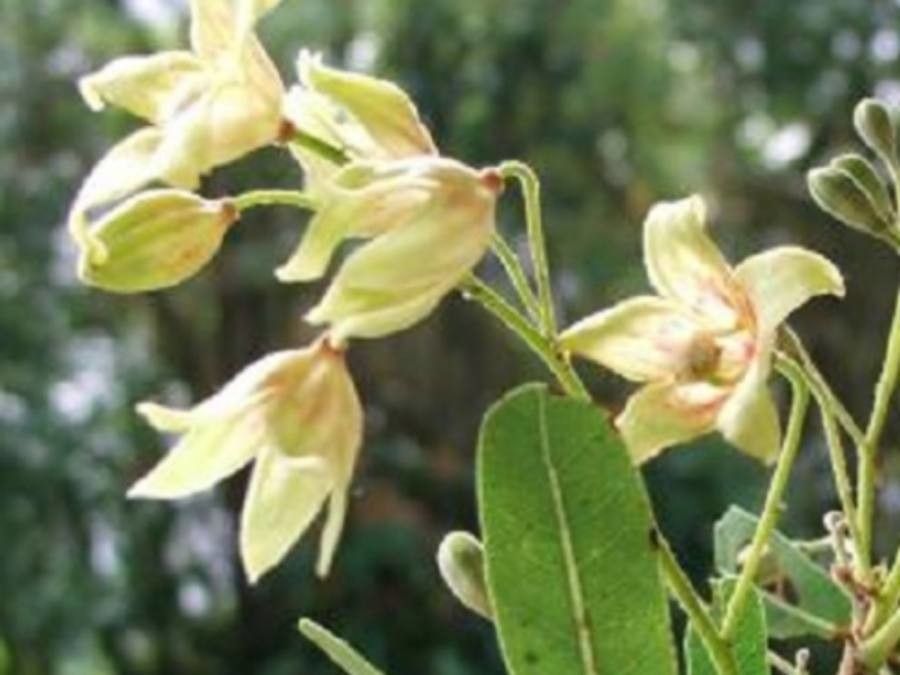
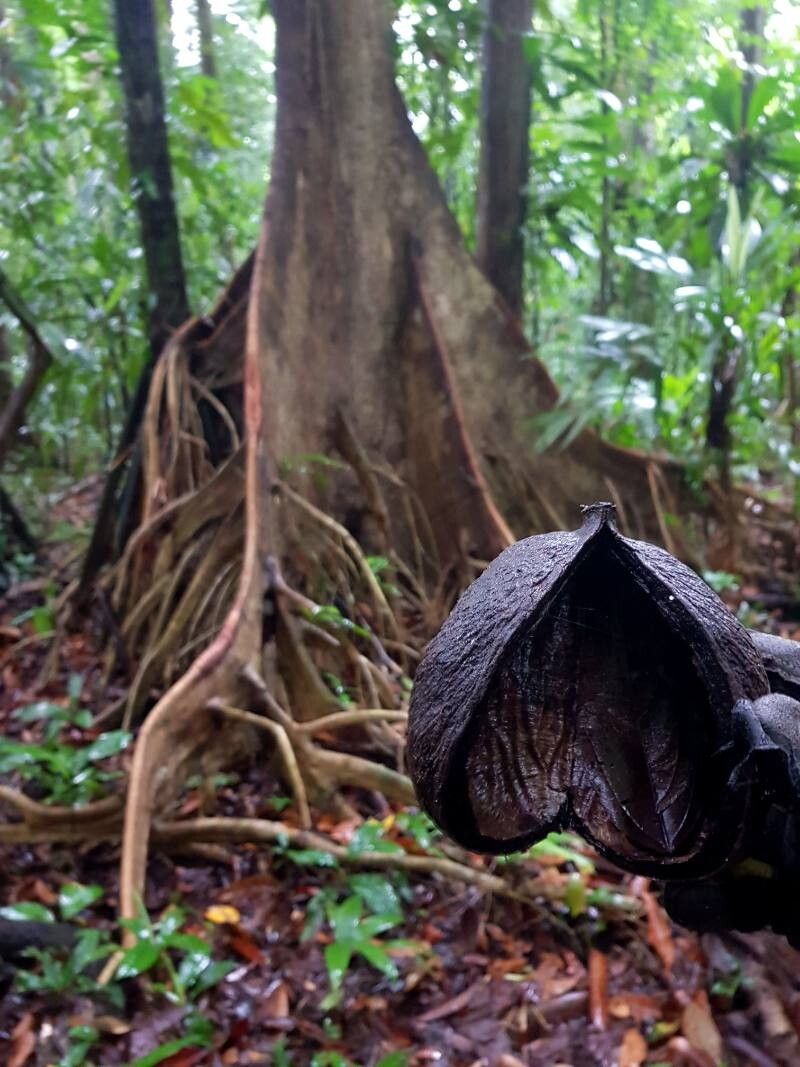
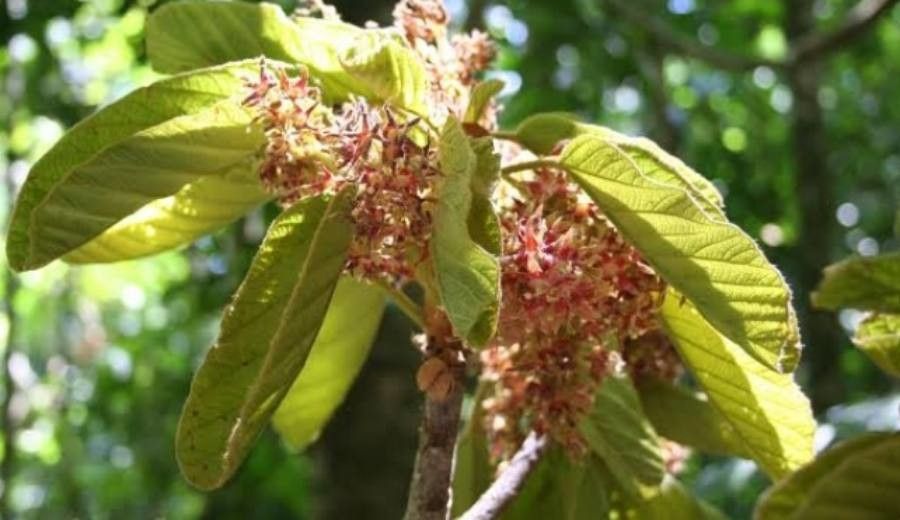
The leaves of Sterculia africana are large, with five lobes and serrated edges. Its small, yellowish-green flowers appear during the dry season when most other trees have shed their leaves. The fruit is a woody capsule containing several seeds.
For centuries, the bark of Sterculia africana has been used by indigenous communities for medicinal purposes. It contains compounds with anti-inflammatory properties and can serve as an analgesic.
Beyond its medicinal uses, Sterculia africana also provides durable wood that is suitable for timber production and furniture making. Its seeds are edible once roasted or boiled.
Despite its many benefits, Sterculia africana faces threats from deforestation due to logging and land clearance for agriculture. If not properly managed and conserved, these human activities could drive this species to extinction. Effective conservation efforts by relevant authorities and stakeholders are essential to protect this valuable tree species in Africa's tropical regions.
African star-chestnut has good disease resistance and is generally not susceptible to diseases. In terms of care, this plant is relatively low-maintenance. When planted outdoors, it needs minimal watering, and larger plants typically do not require pruning. However, smaller plants should be pruned after they have bloomed. African star-chestnut is suitable for anyone with outdoor space, such as a garden or deck, and does not require a lot of care experience.
How to keep Sterculia Africana.
Light
The African star-chestnut is native to open habitats, like sunny meadows and the edges of forests, which offer abundant light. It flourishes in full sun but can also tolerate partial sun, showing good adaptability to different light conditions.
Temperature
The African star-chestnut comes from tropical areas with typically warm, humid climates. Consequently, it is adapted to high temperatures and humidity. It does not tolerate sudden temperature shifts and prefers a steady temperature, so avoiding indoor temperature fluctuations is important. It generally cannot withstand cold and needs warmer conditions to grow. If the surrounding temperature falls too low, the plant may stop growing or even die.
Fertilizer
The best time to fertilize an African star-chestnut is in early spring, when it comes out of dormancy. This stimulates overall growth and flower development. Fertilizing improves foliage, stems, and branches, and encourages large, vibrant, long-lasting flowers. It helps move nutrients from the roots to the flowers and boosts the plant's health and resistance to disease.
Botanical profile.
- Plant Type
- Tree
- Life Cycle
- Perennial
- Genus
- Sterculia
- Family
- Malvaceae
- Hardiness Zone
- 10-12
- Mature Height
- 10.06 m to 20.12 m
- Mature Spread
- 4.88 m to 10.06 m
- Leaf Color
- Green, Dark Green
- Leaf Type
- Deciduous
- Flower Color
- Yellow, Green
- Flower Size
- 1.02 cm to 2.03 cm
- Bloom Time
- Mid spring, Late spring
- Planting Time
- Spring, Summer, Autumn
- Harvest Time
- Mid summer, Late summer, Early fall
- Native Area
- Malawi, Djibouti, Somalia, Egypt, Mozambique, Tanzania, Namibia, Zambia, Sudan, Ethiopia, Yemen, Botswana, Zimbabwe
Other names.