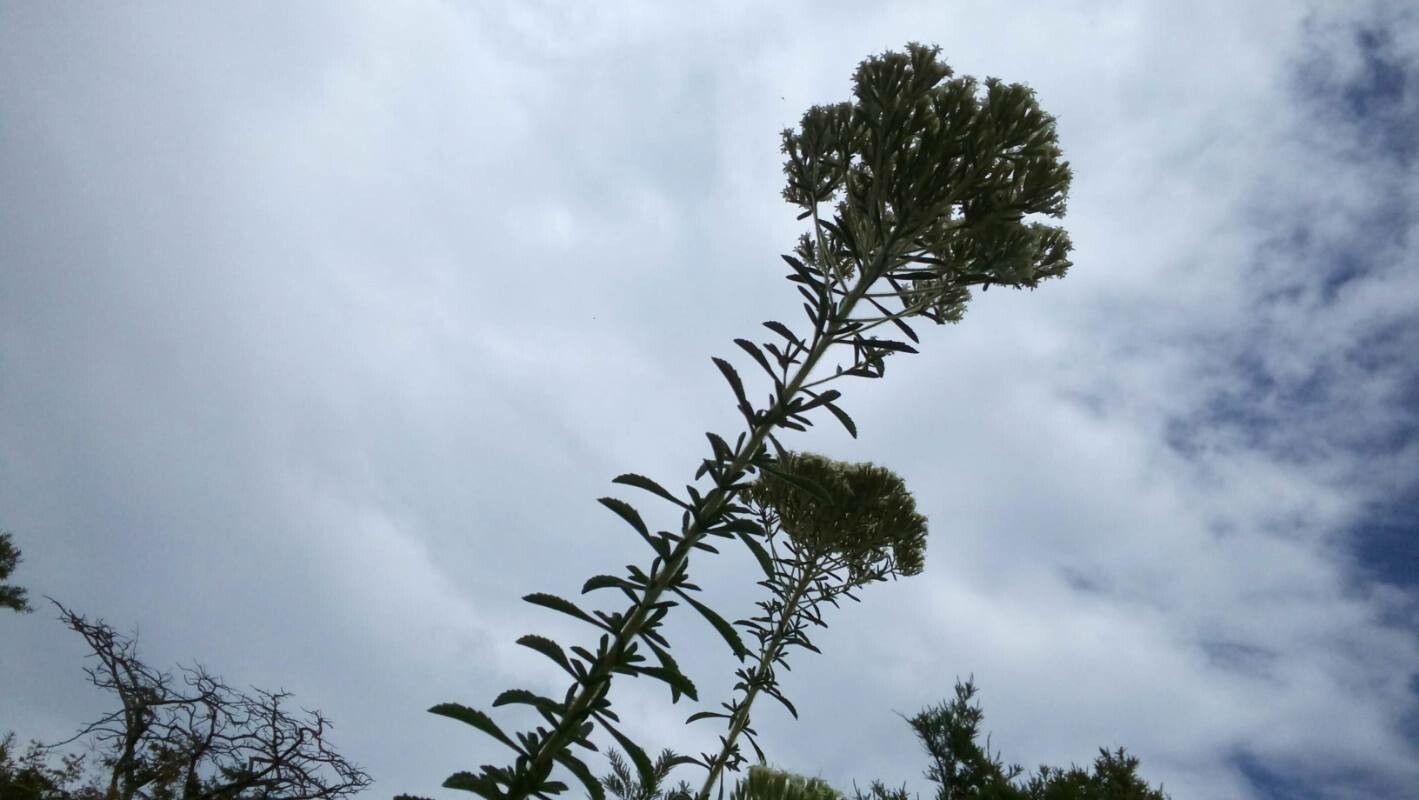
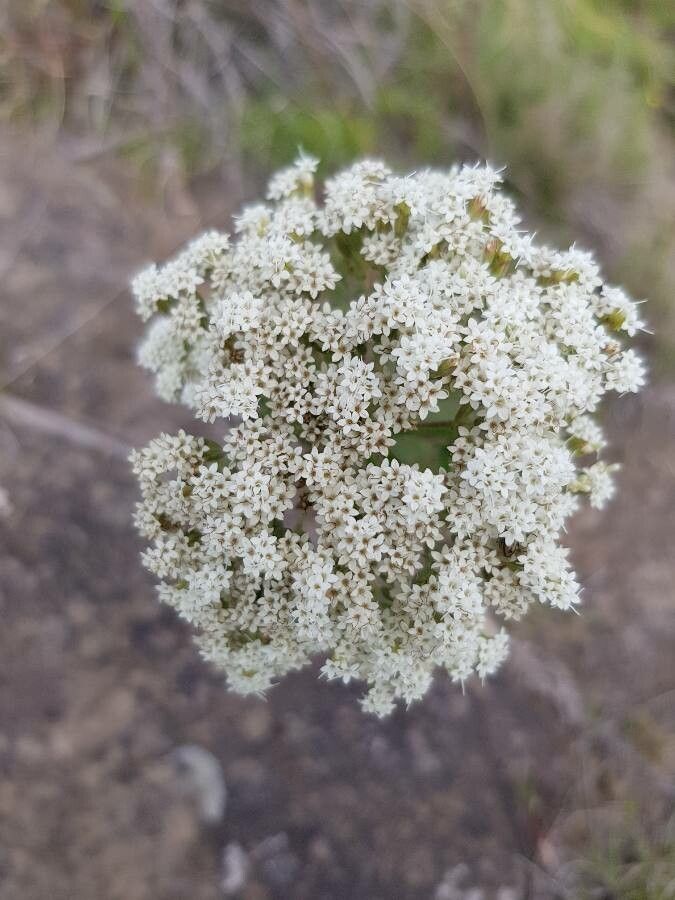
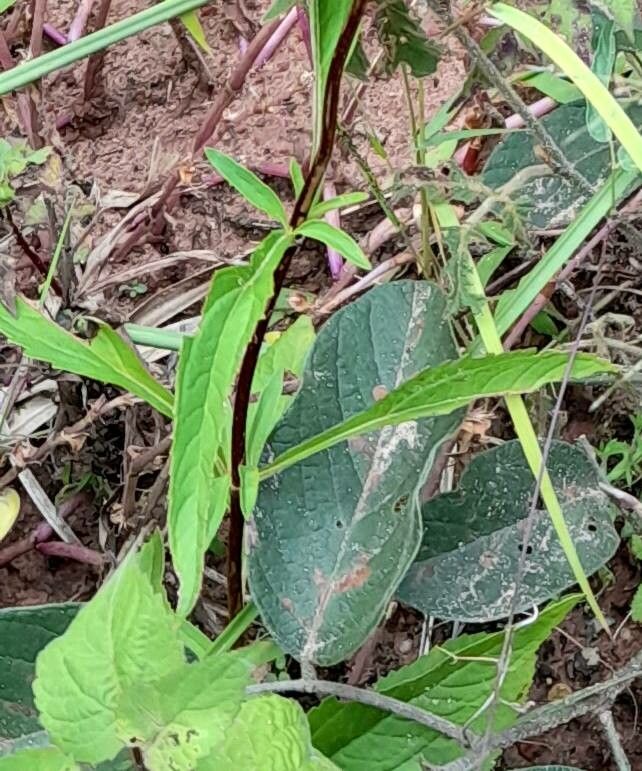
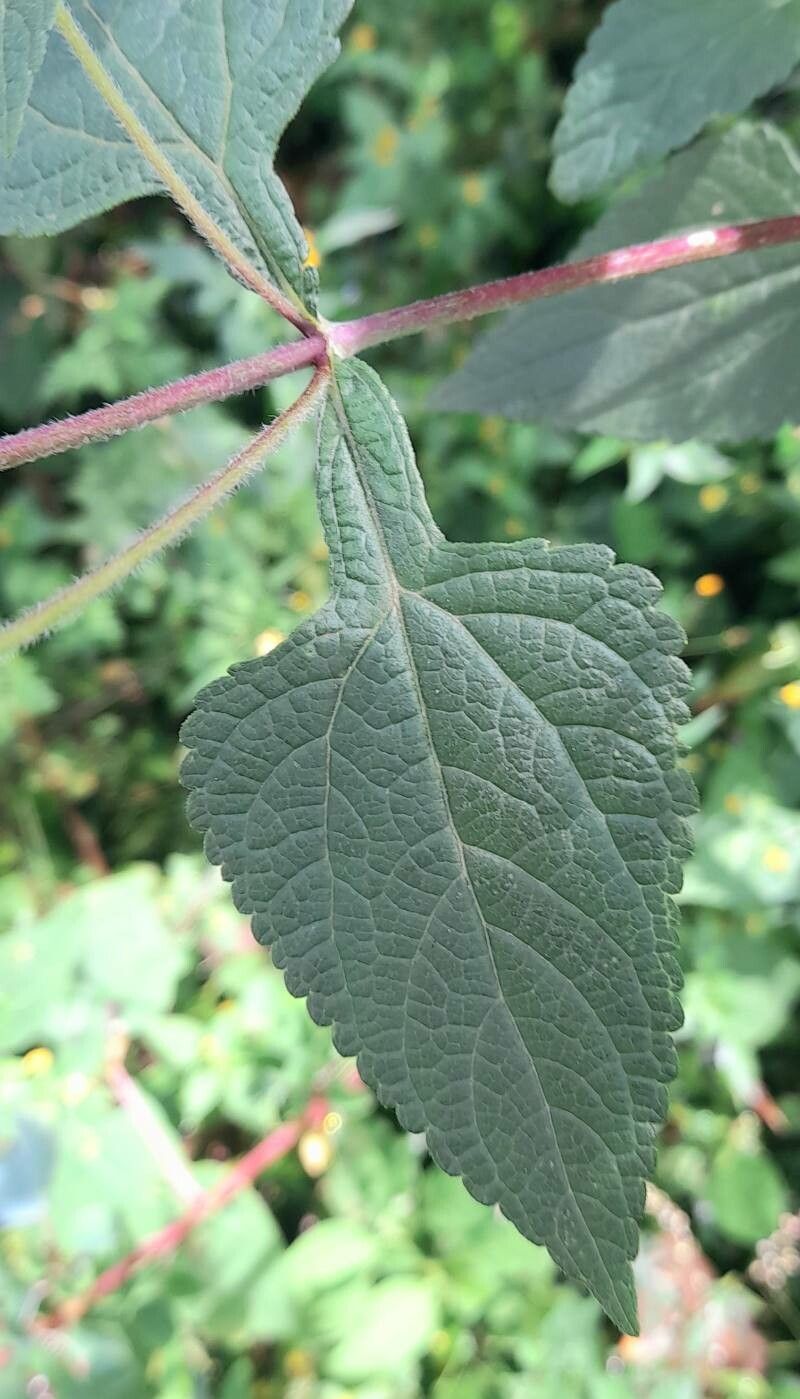
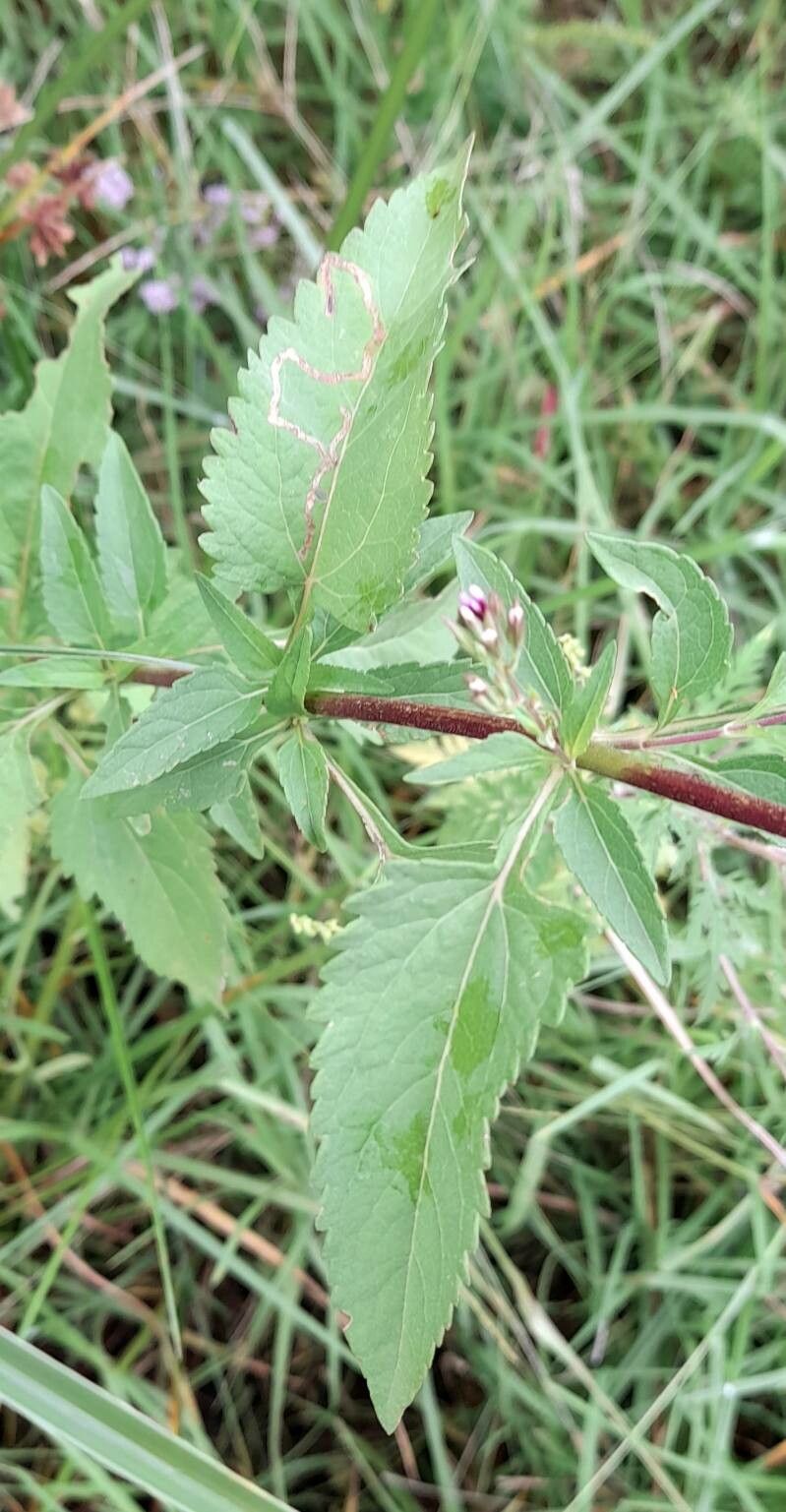
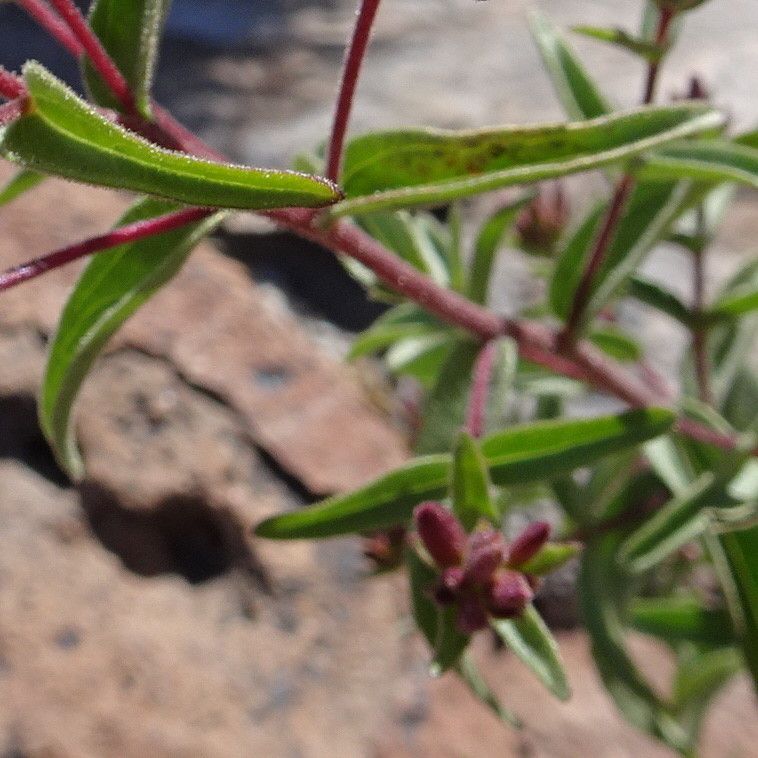
Stevia serrata is a perennial herbaceous plant belonging to the Asteraceae family. Native to South America, particularly Brazil and Paraguay, it has been used for centuries by indigenous people as a natural sweetener. The plant can grow up to 60 cm in height and features small green leaves measuring 2-3 cm long. These leaves contain steviol glycosides, natural sweeteners that are up to 300 times sweeter than sugar but contain no calories or carbohydrates.
Stevia serrata is widely used as a sugar substitute in various food products, including beverages, desserts, and baked goods. It is also utilized in the production of dietary supplements due to its potential health benefits, such as regulating blood sugar levels and reducing blood pressure.
For optimal growth, the plant requires well-drained soil with moderate moisture levels. It can be propagated through seeds or cuttings during the spring or summer months when temperatures are warm.
Overall, Stevia serrata is a valuable herbaceous plant with significant economic importance. It serves as a natural sweetener in multiple industries and offers potential health benefits for consumers seeking healthier alternatives to traditional sugars.
The sawtooth candyleaf has good resistance to disease and is generally unlikely to develop problems. However, it can be affected by pests and diseases present in its surroundings. These problems are usually mild. For care, this plant is medium-maintenance. It requires regular pruning to keep a neat appearance and encourage healthy growth. Fertilizing can also help stimulate flowering. The sawtooth candyleaf is suitable for anyone with outdoor space, such as a garden or patio, and does not demand extensive care experience. It may need more attention when grown indoors.
How to keep Stevia Serrata.
Light
Sawtooth candyleaf is a sun-loving perennial herbaceous plant that originates in open habitats, frequently found in meadows and grasslands. It prefers full sun but can tolerate partial sun.
Temperature
Sawtooth candyleaf can tolerate a wide range of temperatures, but its range may still be curtailed by different combinations of moisture and heat. It does best in warm summer climates with sufficient rainfall or watering. Long stretches of cloudy, rainy weather, as well as extended high temperatures, raise the chance of Sawtooth candyleaf dying. In winter, proper protection from cold can increase the plant's survival rate.
Fertilizer
The best time to fertilize a Sawtooth candyleaf is in early spring, as it is coming out of dormancy and starting active growth. Fertilizer supplies essential nutrients for healthy development. Although Sawtooth candyleaf has fairly low fertilizer requirements, applying fertilizer once a year can improve its survival and encourage better, longer-lasting flowers.
Pruning
Characterized by its serrated leaves and sweet properties, sawtooth candyleaf benefits from pruning in early spring. By removing dead or damaged growth, you encourage new shoots, help maintain the plant’s shape, and improve air circulation. This promotes vigorous growth and helps prevent legginess, pests, and diseases.
Botanical profile.
- Plant Type
- Herb
- Life Cycle
- Perennial
- Genus
- Stevia
- Family
- Asteraceae
- Hardiness Zone
- 8-11
- Mature Height
- 30 cm to 61 cm
- Mature Spread
- 20 cm to 40 cm
- Leaf Color
- Green, Dark Green
- Leaf Type
- Deciduous
- Flower Color
- White
- Flower Size
- 0.51 cm to 0.76 cm
- Bloom Time
- Mid summer, Late summer, Early fall, Mid fall
- Planting Time
- Spring, Summer
- Harvest Time
- Fall
- Native Area
- Colombia, Honduras, Mexico, Guatemala, Venezuela, Ecuador
Other names.
Reader questions.
What are the sunlight requirements for Sawtooth Candyleaf (Stevia serrata)?
Sawtooth Candyleaf, or Stevia serrata, thrives under specific lighting conditions to ensure its happiness and growth. It requires 'full sun' exposure, which means it needs above 6 hours of sunlight daily. However, it can also tolerate 'partial sun' conditions, where it receives about 3-6 hours of sunlight. When cultivating Sawtooth Candyleaf in your garden, it's crucial to observe how sunlight moves throughout the space. Selecting the ideal location will involve finding a balance between light and shade that suits the plant's requirements.
What is the common name of Stevia serrata?
The common name of Stevia serrata is Sawtooth candyleaf. This plant is known for its distinctive features and its relevance in various contexts due to its unique characteristics.