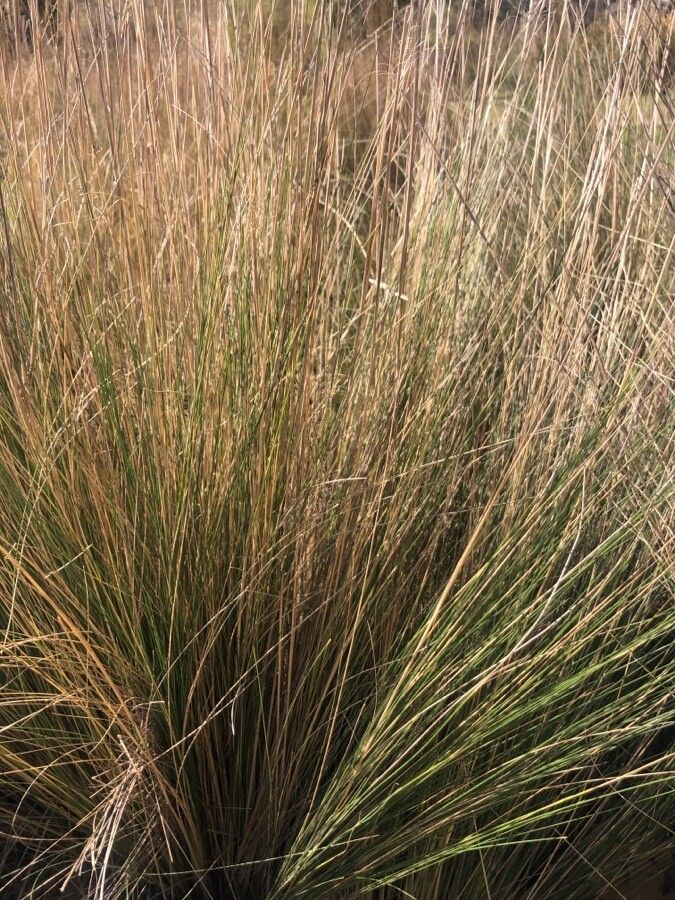
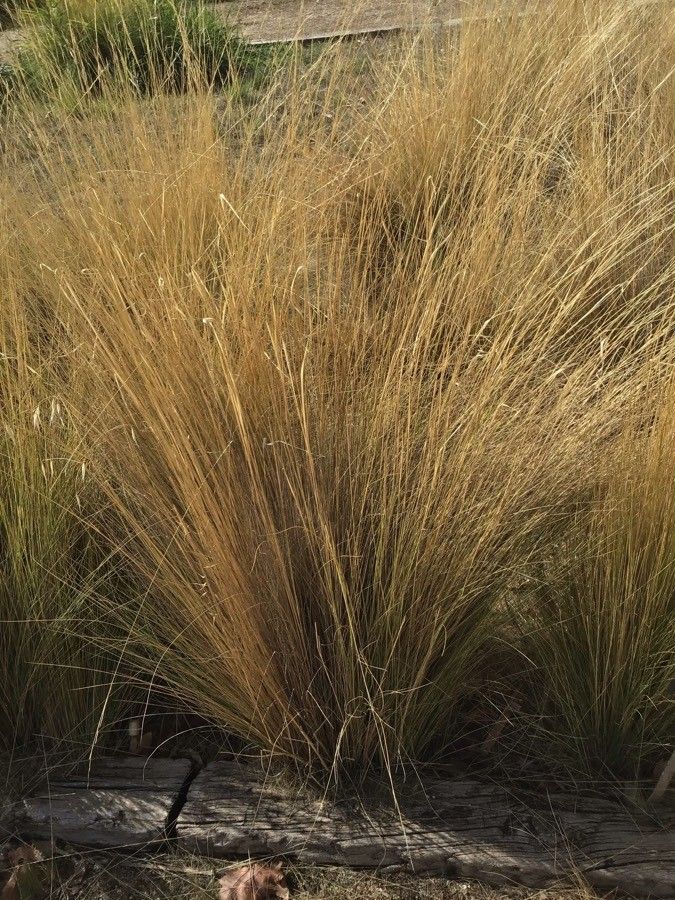
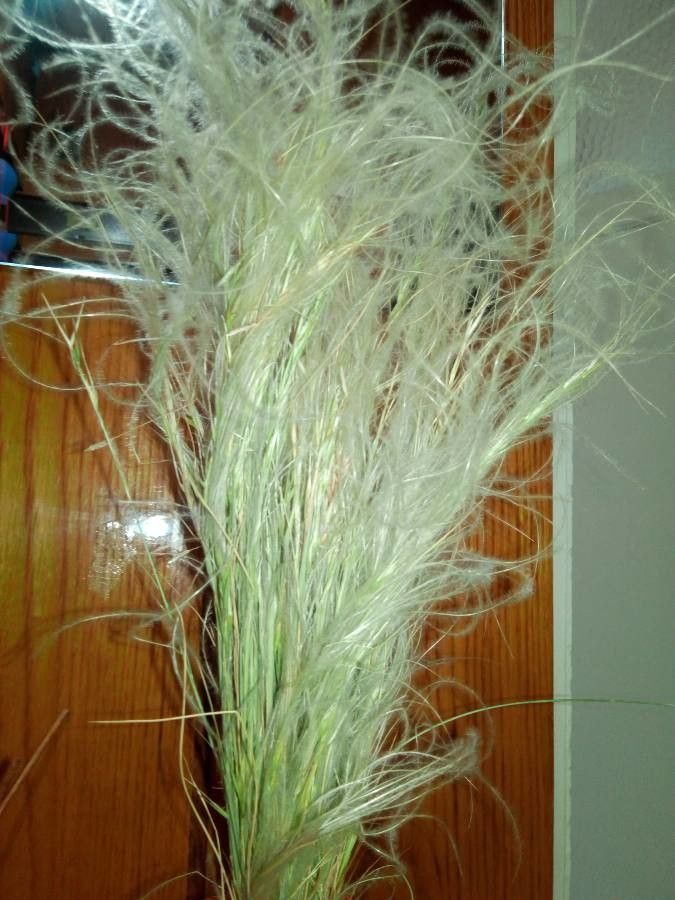
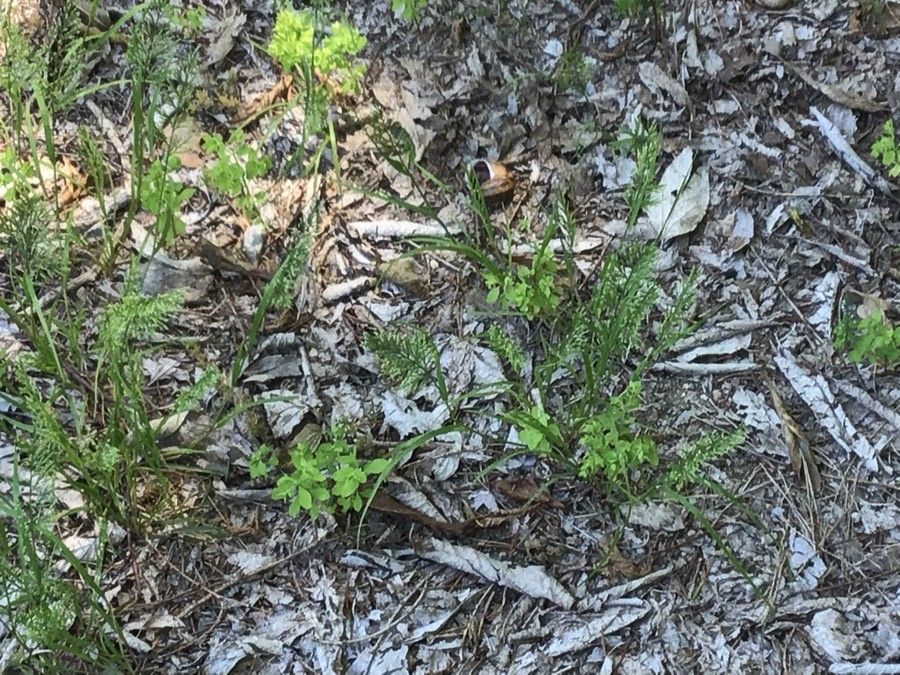
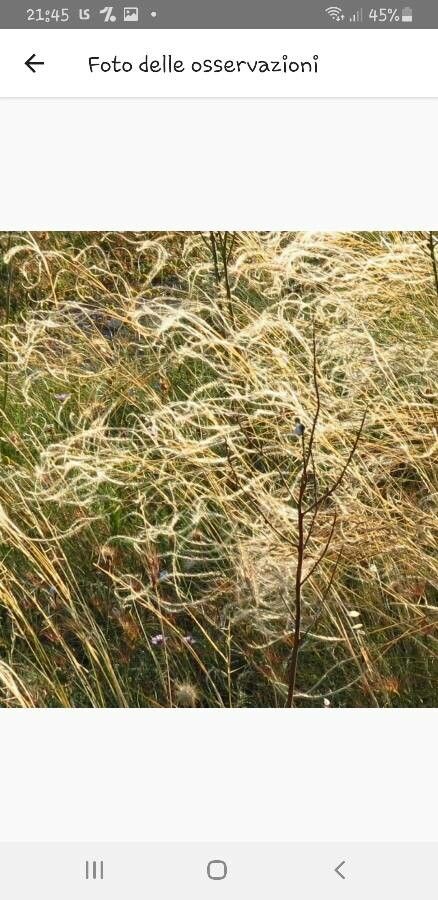
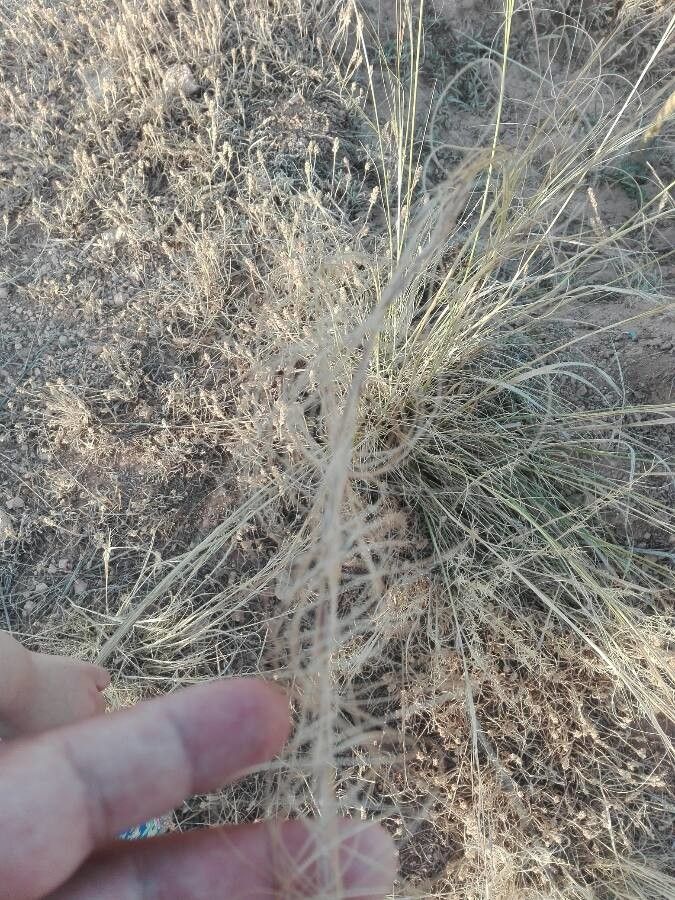
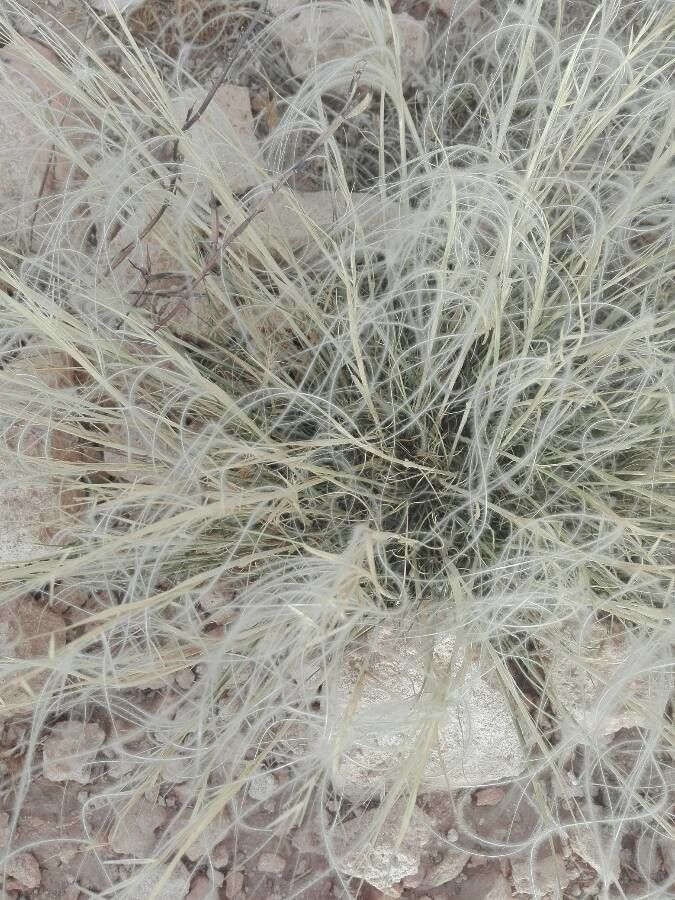
Stipa lessingiana, called Lessing feather grass, is a species of flowering plant in the genus Stipa, found in steppes from Greece east to Mongolia, including the countries bordering the Black and Caspian Seas, Central Asia, western Siberia, the Altai, and Xinjiang in China. It has gained the Royal Horticultural Society's Award of Garden Merit.
Lessing feather grass is resistant to disease and usually not susceptible to illnesses. As for upkeep, the plant is fairly low-maintenance. Planted outdoors it needs only occasional watering, and larger specimens typically do not require pruning. Smaller specimens, however, should be trimmed after they finish blooming. Lessing feather grass is suitable for anyone with an outdoor area, such as a garden or deck, and does not demand much gardening experience.
How to keep Stipa Lessingiana.
Light
Lessing feather grass does best with direct, unobstructed sunlight. At every stage of development it needs ample light to grow robustly and vigorously, since it comes from areas with strong, persistent sun. Both a lack and an excess of sunlight can harm its growth.
Water
Lessing feather grass, which is native to the steppes, thrives in dry conditions by efficiently storing water and is highly drought-tolerant. To mimic its natural habitat, it requires watering once a week. This grass also prefers full sun exposure, particularly during its active growing season.
Temperature
Lessing feather grass is native to cooler regions and does best with temperatures from 50 to 95 °F (10 to 35 ℃). During hotter months, seasonal adjustments may mean placing it in shaded or partially shaded locations.
Fertilizer
Lessing feather grass needs extra nutrients to encourage healthy new growth. In spring, applying compost around the plant’s base will effectively supply the nutrition it requires. Fertilizing helps maintain vigorous growth and increases the plant’s resistance to diseases and pests.
Pruning
Lessing feather grass is easy to care for and benefits from a few simple maintenance practices. In early spring, prune it lightly to remove dead foliage and encourage new growth. Regular light trimming helps maintain its shape and health, but avoid heavy pruning to preserve its ability to bloom. These practices improve airflow and reduce the risk of disease, ensuring that lessing feather grass remains vibrant throughout the growing season.
Botanical profile.
- Plant Type
- Grass
- Life Cycle
- Perennial
- Genus
- Stipa
- Family
- Poaceae
- Hardiness Zone
- 6-10
- Mature Height
- 61 cm
- Mature Spread
- 61 cm
- Leaf Color
- Green
- Leaf Type
- Deciduous
- Flower Color
- Brown, Yellow, Green, Silver
- Flower Size
- 10.16 cm to 20.32 cm
- Bloom Time
- Late spring, Early summer
- Planting Time
- Spring
- Harvest Time
- Mid summer, Late summer
- Native Area
- Uzbekistan, Russia, Turkey, Kazakhstan, Romania, Mongolia, Iran, Bulgaria, Greece, Ukraine, Turkmenistan, China
Other names.
Reader questions.
What are the sunlight requirements for Lessing feather grass?
Lessing feather grass requires full sun, characterized by above 6 hours of sunlight exposure daily to thrive optimally. It's essential to observe the movement of sunlight through your garden, selecting locations that offer a balanced blend of light and shade to ensure the wellbeing of your plants. Originating from areas with abundant sunlight, all stages of Lessing feather grass's growth demand significant exposure to sun rays for healthy and robust development. An imbalance, whether a shortage or excess of sunlight, could adversely affect its growth.
What is the native climate for Lessing feather grass?
Lessing feather grass, known botanically as Stipa lessingiana, is native to cooler climates. It thrives in temperature ranges between 50 to 95 °F (10 to 35 °C). Due to its preference for cooler conditions, it may be necessary to adjust its placement to shaded or semi-shaded areas during the warmer months to ensure optimal growth and health.
How can artificial lighting be used for indoor Lessing feather grass?
For indoor Lessing feather grass or in scenarios where natural sunlight is limited, especially during winter or in less sunny spaces, artificial lighting serves as a crucial alternative to promote healthier and quicker growth. LED lights are a preferred choice for their ability to be tailored to the specific light wavelengths needed by plants. Full sun plants require 30-50W/sq ft of artificial light, partial sun plants need 20-30W/sq ft, and full shade plants need 10-20W/sq ft. The light source should be placed 12-36 inches above the plant, mimicking natural sunlight, and it's recommended that plants receive between 8-12 hours of light per day to thrive.
Does Lessing feather grass require special frost protection in winter?
Lessing feather grass has a strong resistance to cold and generally does not require special frost protection measures during winter. It can usually withstand winter temperatures without extra help. However, if temperatures are expected to drop below -25°C, it is important to provide cold protection to prevent damage. This can be done by covering the plant with soil, straw, or similar materials. Additionally, watering the plant abundantly before the first freeze in autumn helps the soil remain moist and freeze, which aids in preventing drought and water scarcity for the plant during the colder months.
What symptoms indicate light deficiencies in Lessing feather grass?
Symptoms of light deficiency in Lessing feather grass include smaller new leaves compared to mature ones, leggy or sparse growth, premature leaf shedding, halted or ceased new growth, paler new leaves, and overall weaker plant structure. These symptoms suggest the grass is struggling in inadequate light conditions, conserving resources by growing fewer or smaller new leaves and possibly experiencing chlorosis or sunscald from incorrect light exposure.
How does Lessing feather grass react to low temperatures?
Lessing feather grass is quite tolerant of cold weather, thriving best when the temperature remains above 10°C. Throughout winter, it is important to ensure the temperature does not fall below -15°C. If the temperature does drop below -25°C, the plant may not show immediate signs of distress, but there could be a notable decrease in sprouting or even a complete lack of sprouting during the following spring. To manage this, any parts of the plant that have failed to sprout by spring should be removed.
What are the solutions for addressing light deficiencies in Lessing feather grass?
To address light deficiencies in Lessing feather grass, it's advisable to gradually move the plants to sunnier spots, ensuring they receive at least 6 hours of direct sunlight daily. For indoor plants, using a south-facing window or artificial grow lights for at least 8 hours daily can provide the necessary light exposure. For outdoor plants, gradually moving them to optimize sunlight exposure without causing sunburn is crucial. Additionally, minimizing obstructions like pruning trees or transplanting to better-lit locations can benefit plant health. While some parts of the plant may not recover from past light deficiencies, new growth should appear healthy with improved light conditions.
What should be done if Lessing feather grass is exposed to high temperatures?
During the summer months, it's crucial to keep Lessing feather grass in conditions below 35°C to avoid heat stress. Exposure to temperatures above 41°C can lead to the leaves becoming lighter in color, prone to curling, susceptible to sunburn, and in severe cases, the entire plant may wilt and dry up. To mitigate these issues, any sunburned or dried-up parts of the plant should be trimmed away. Relocating the plant to a shadier spot or utilizing a shade cloth to protect it from the midday and afternoon sun can help prevent further damage. It is also beneficial to water the plant in the morning and evening to maintain soil moisture and support the plant's health during hot conditions.