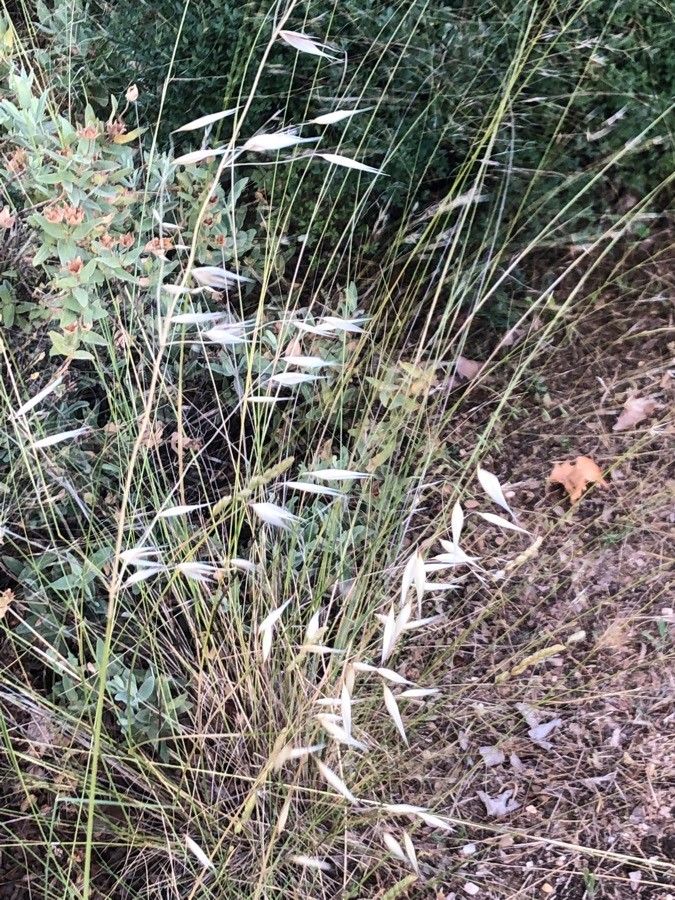
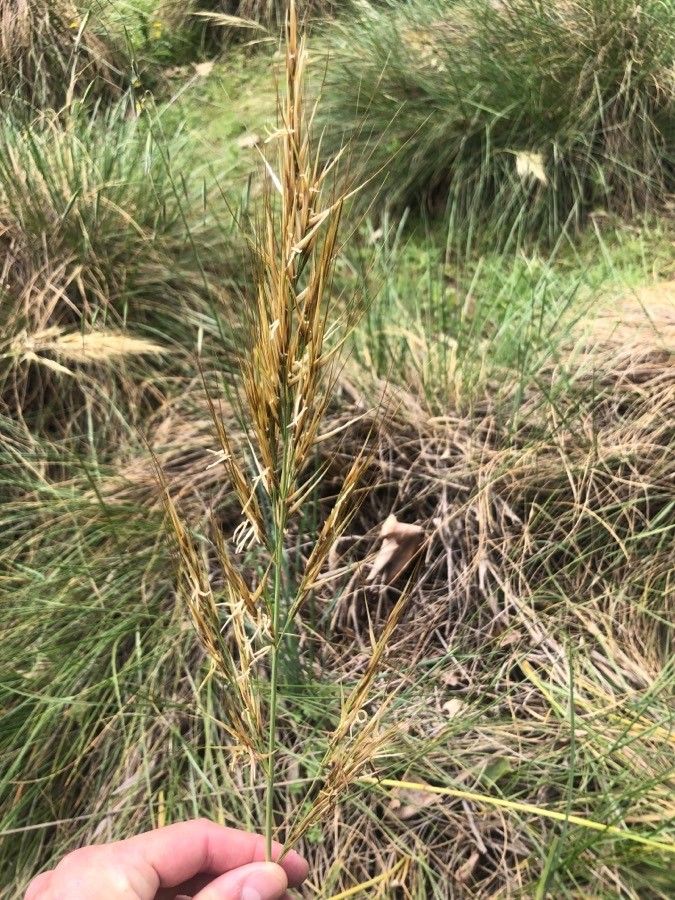
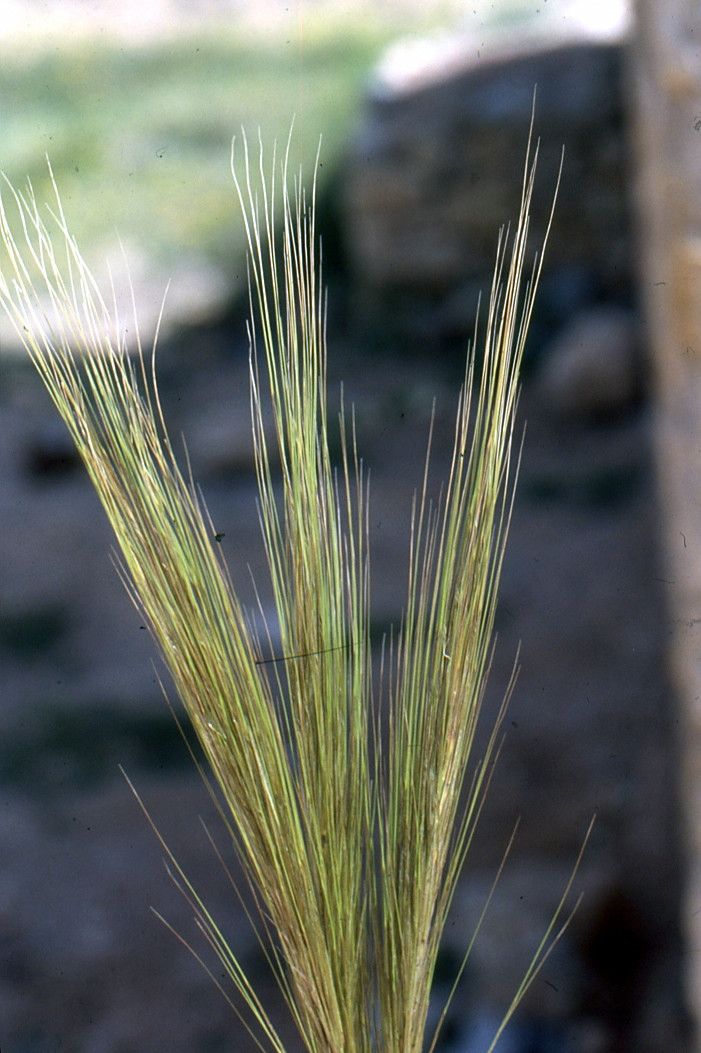
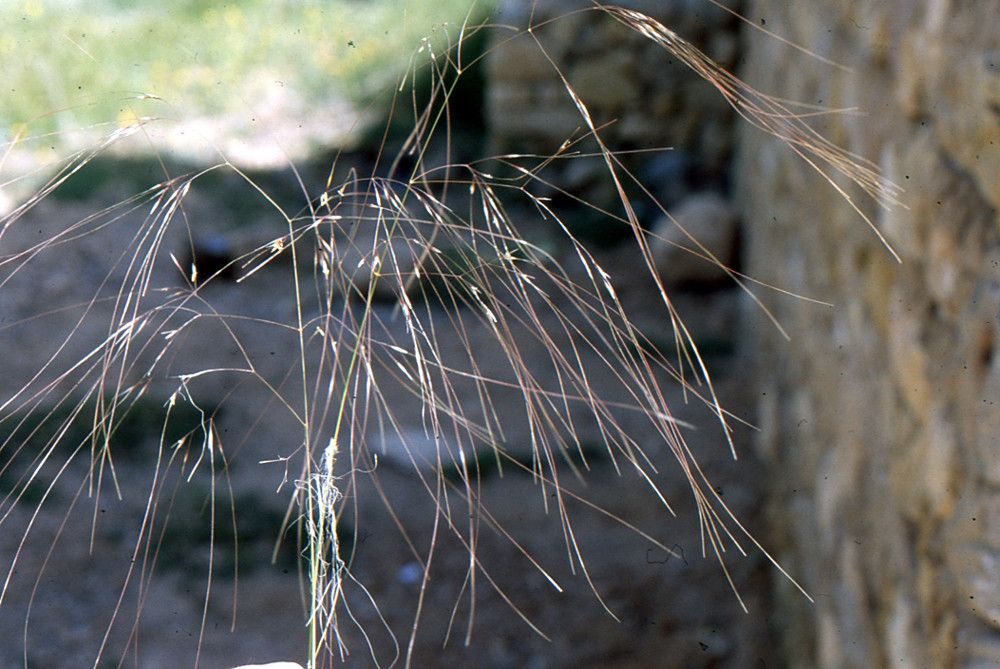
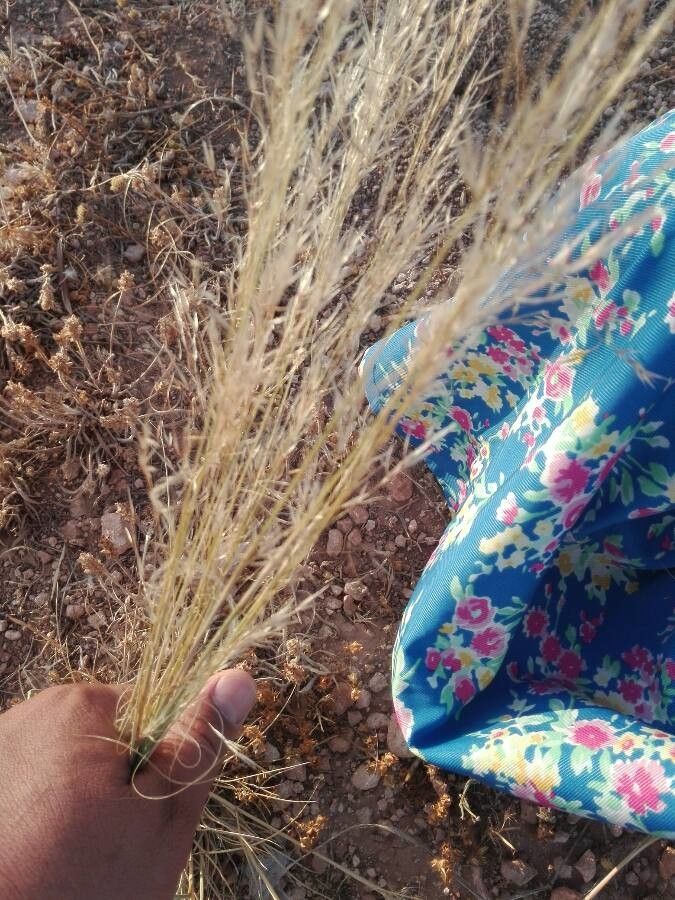
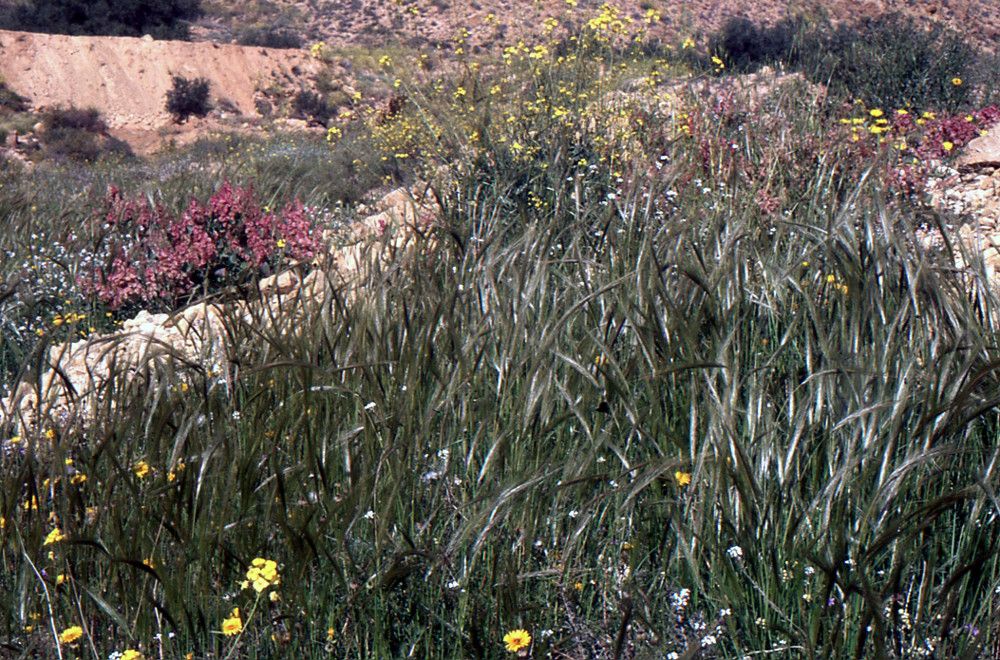
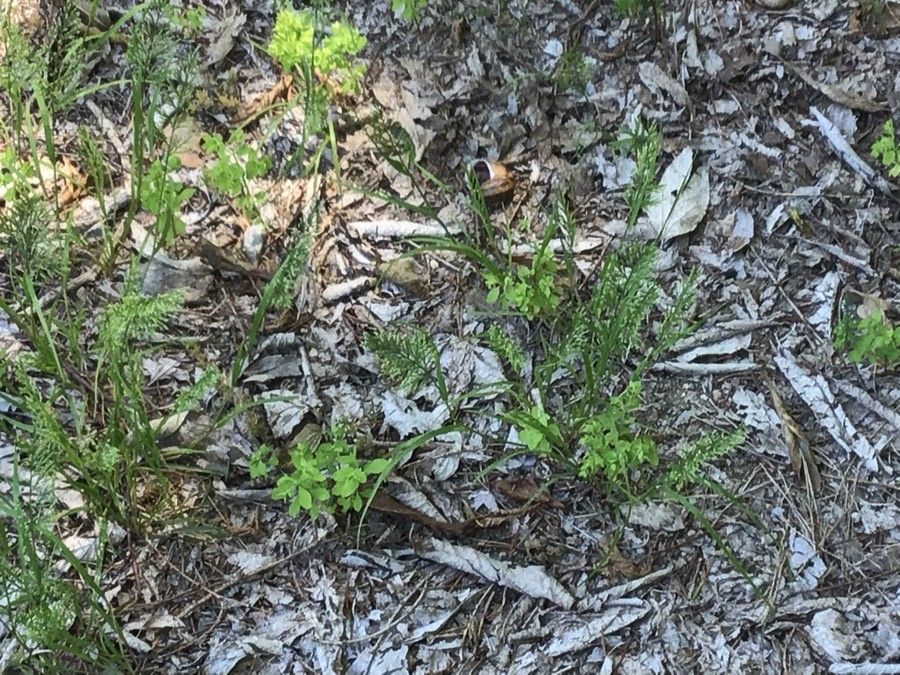
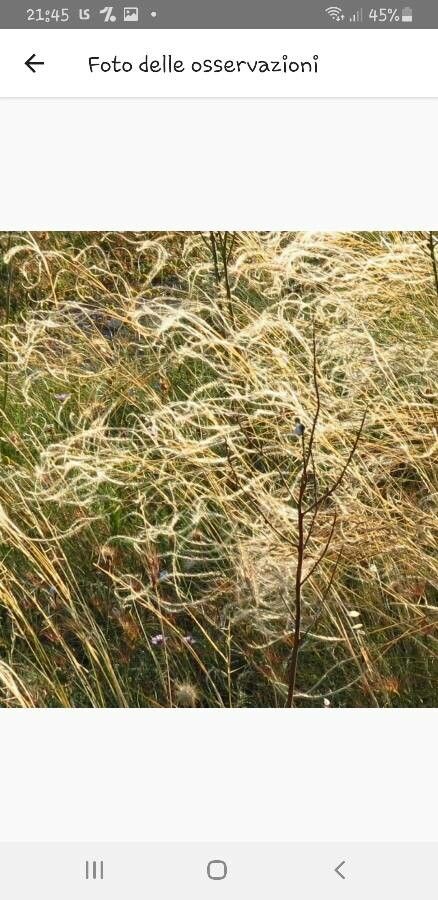
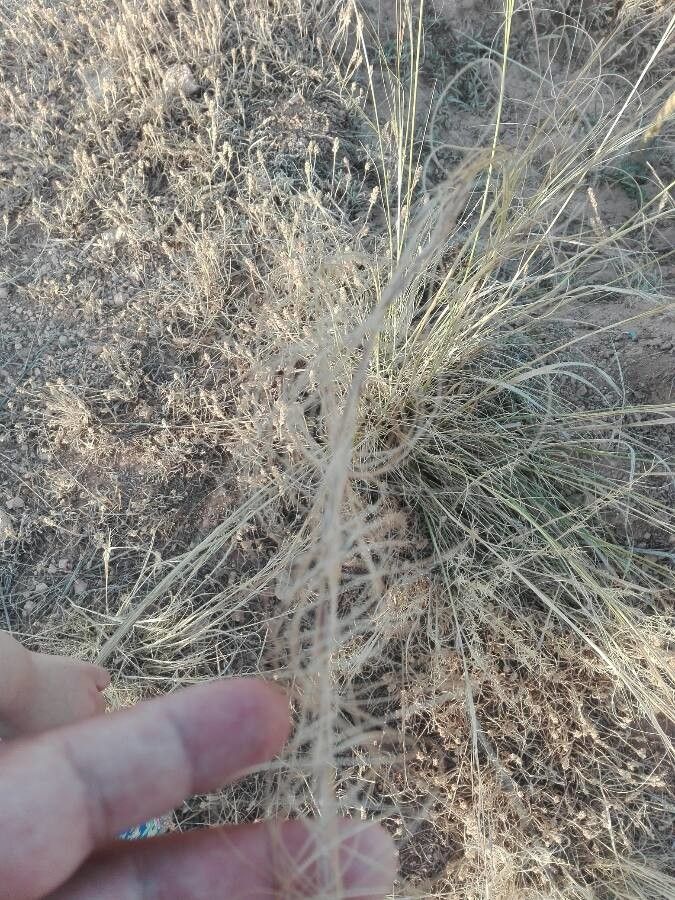
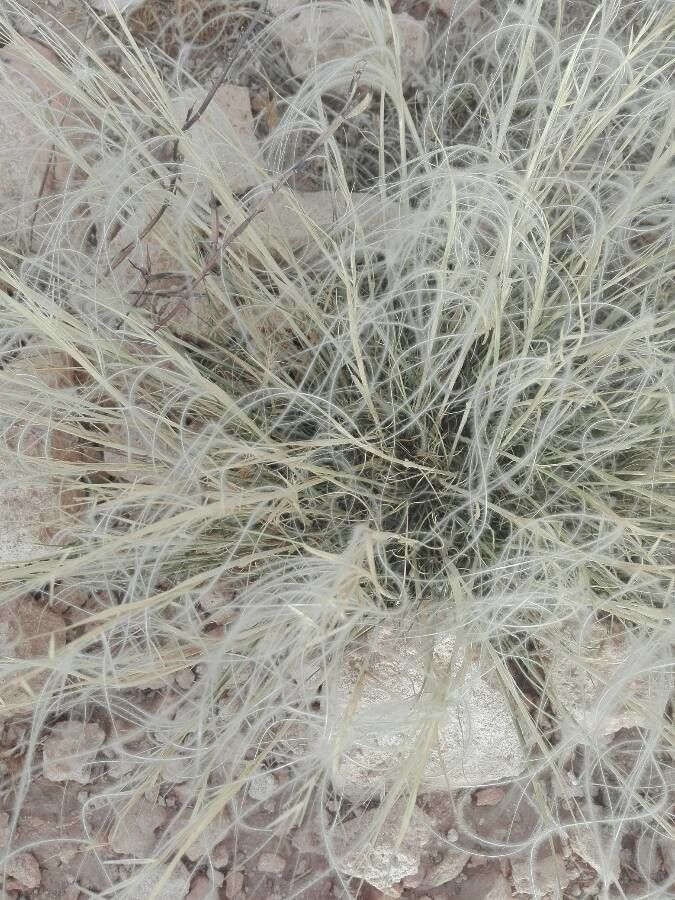
Green needlegrass has strong disease resistance and is generally not prone to illness. In terms of care, this plant is fairly low-maintenance. When planted outdoors it needs minimal watering, and larger plants usually do not require pruning. Smaller plants, however, should be pruned after they have bloomed. Green needlegrass is suitable for anyone with outdoor space, such as a garden or a deck, and does not demand much gardening experience.
How to keep Stipa Parviflora.
Light
Green needlegrass flourishes when it receives abundant sunlight throughout the day, promoting robust growth and strong progression. Although it can withstand times of reduced exposure, insufficient sunlight might hinder its blooming process. Either excess of sunlight or lack thereof can strain the plant, thereby impacting its overall health and vigor.
Temperature
Green needlegrass originates from climates with moderate temperatures that fall between 5 and 25 ℃ (41 to 77 °F). It flourishes within this temperature spectrum, bearing slightly cool nights but favoring warmer days. To maintain a balance in temperature during the height of summer or winter, use a shade or a protective cover.
Fertilizer
Additional nutrients are needed by green needlegrass to encourage wholesome new development. In the spring season, positioning some compost around the plant's root area can competently supply the essential nourishment it requires. The act of fertilizing assists in boosting robust growth and enhances the plant's ability to fight off diseases and infestations.
Botanical profile.
- Plant Type
- Grass
- Life Cycle
- Perennial
- Genus
- Stipa
- Family
- Poaceae
- Hardiness Zone
- 4
- Mature Height
- 0.3 m to 1.22 m
- Mature Spread
- 0.3 m to 1.22 m
- Leaf Color
- Green
- Leaf Type
- Semi-evergreen
- Flower Color
- White, Yellow, Green, Brown
- Flower Size
- 10.16 cm to 25.40 cm
- Bloom Time
- Early summer, Mid summer
- Planting Time
- Spring, Summer
- Harvest Time
- Late summer, Early fall