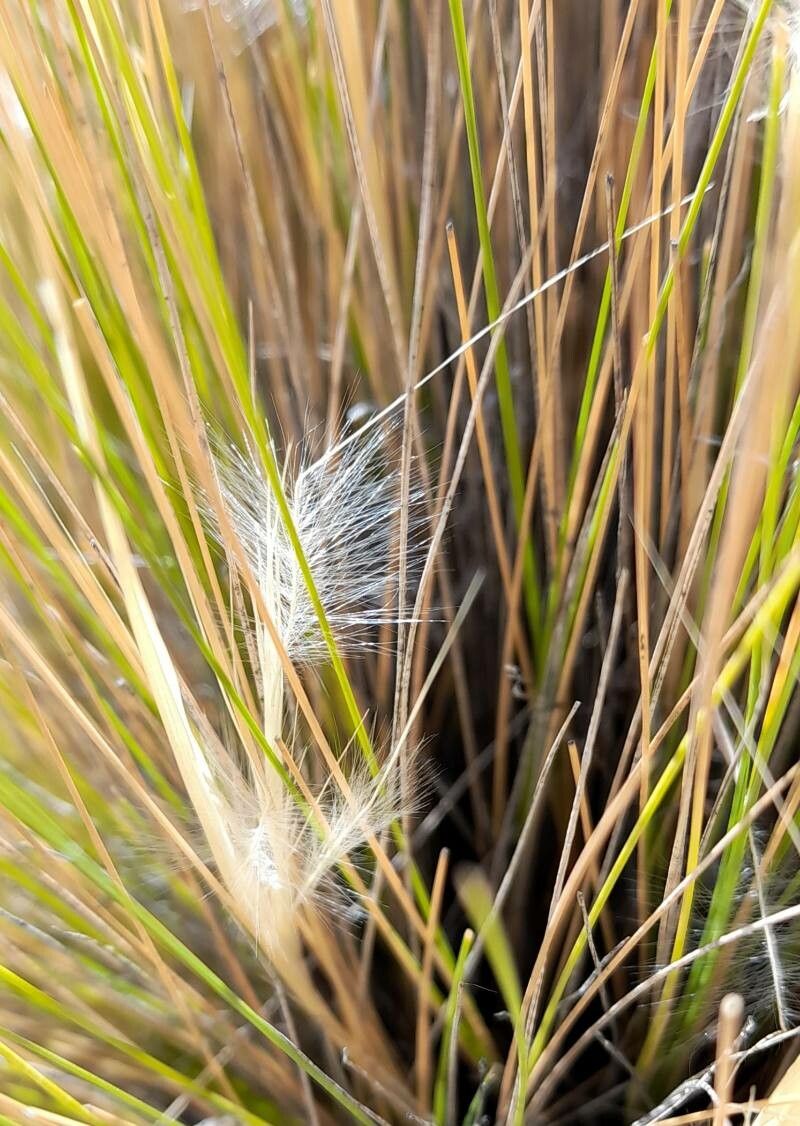
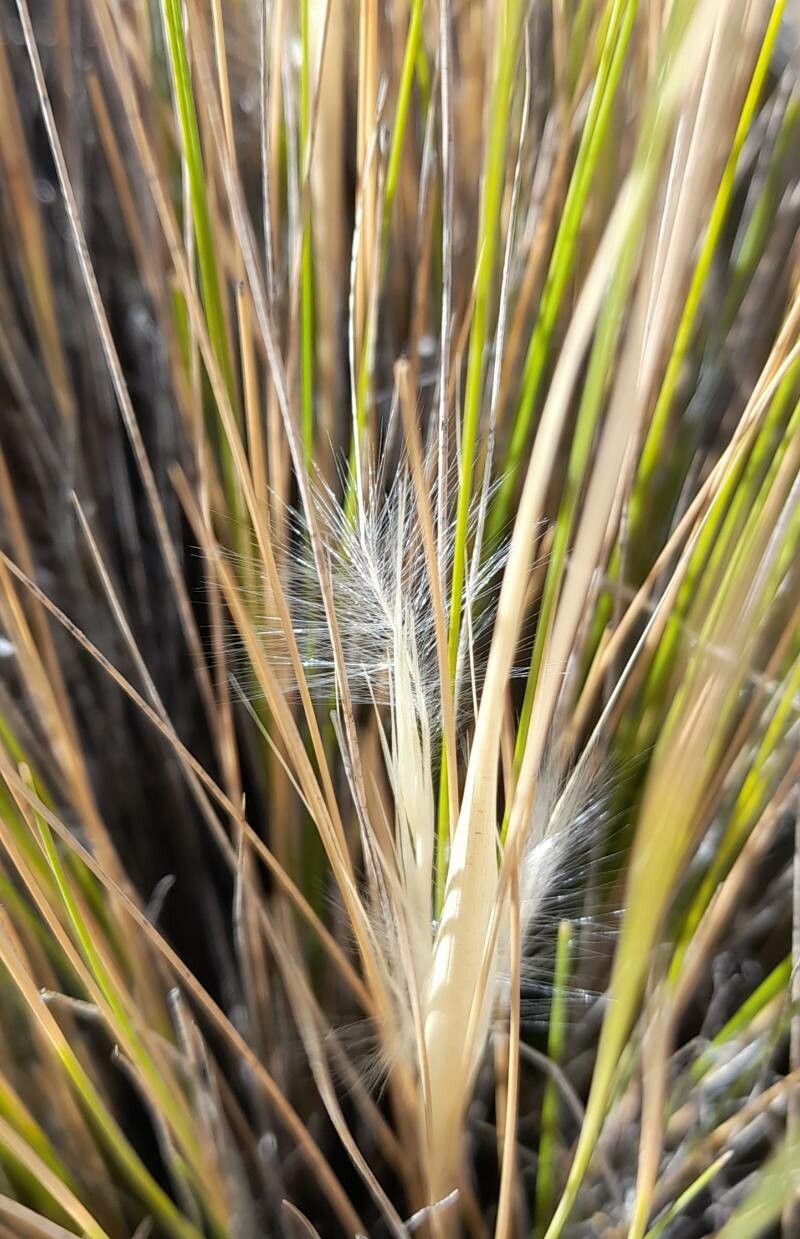
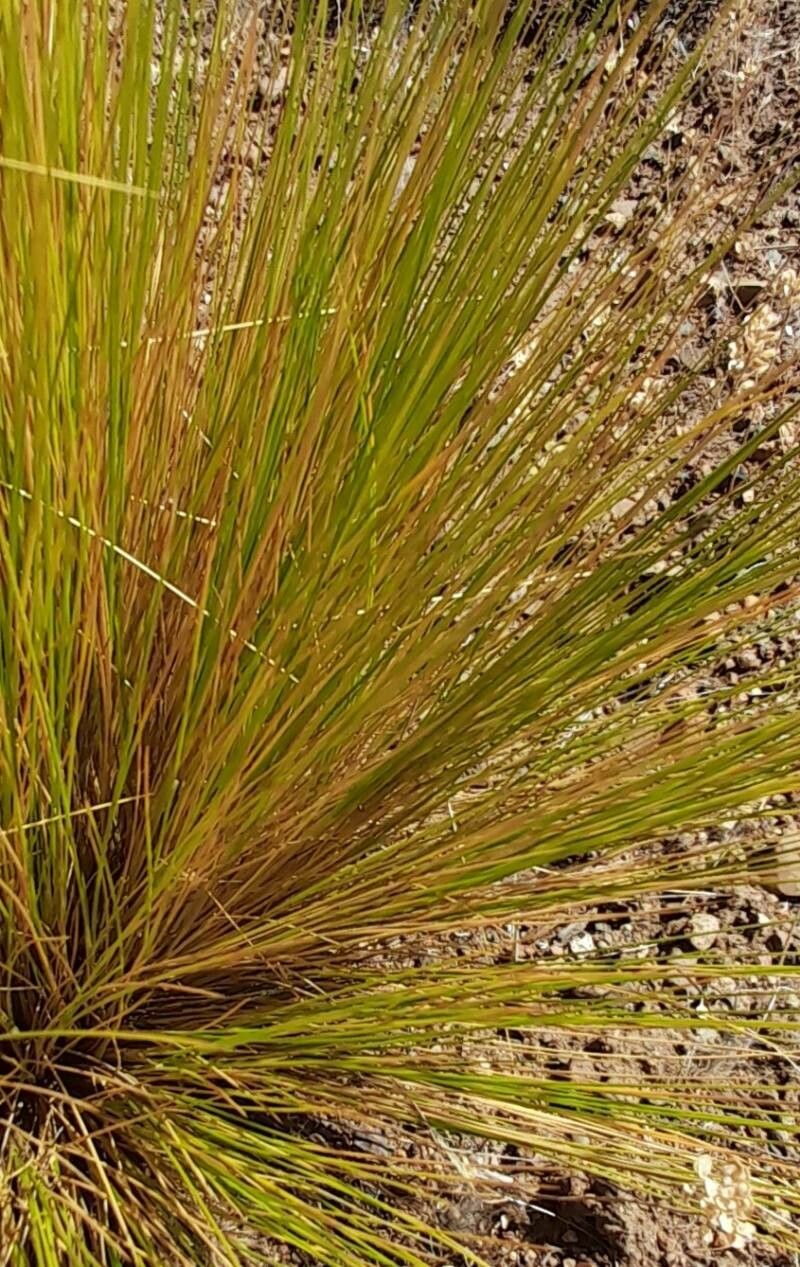
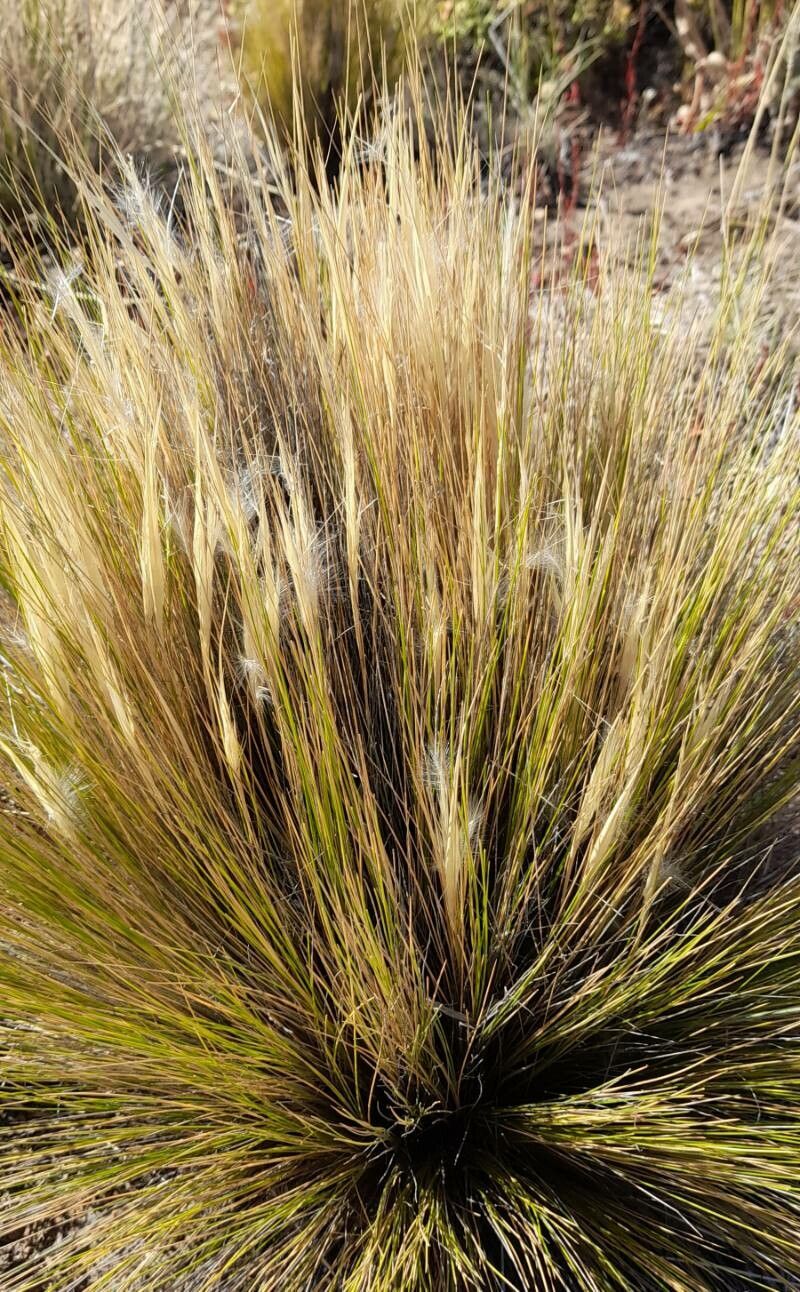
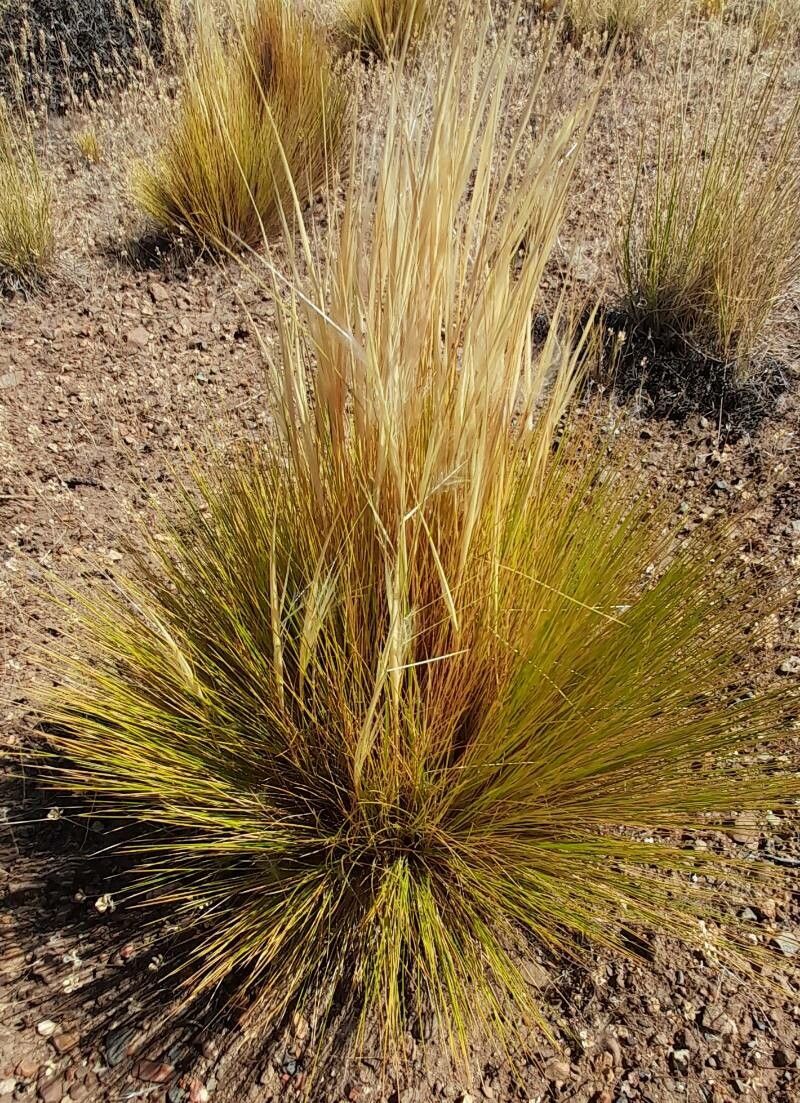
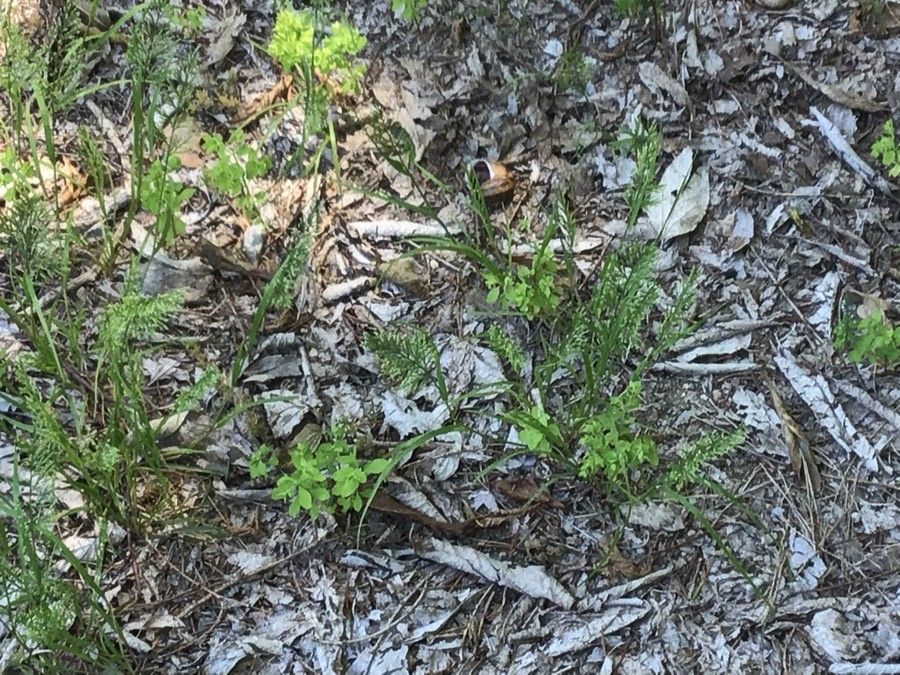
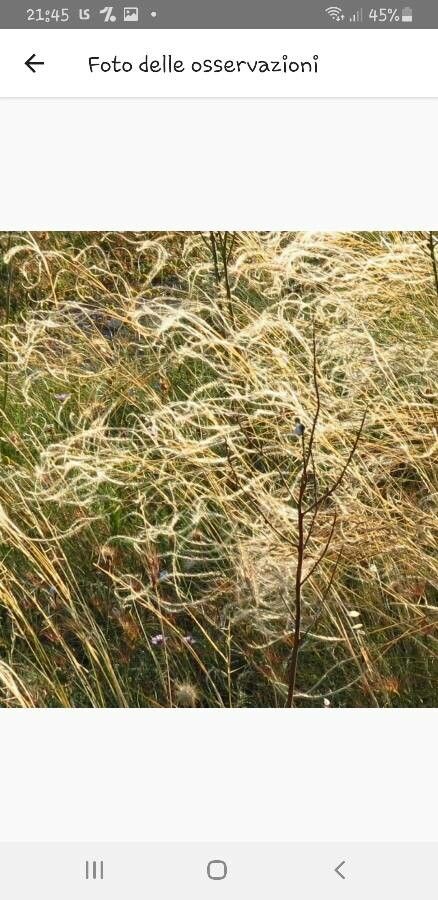
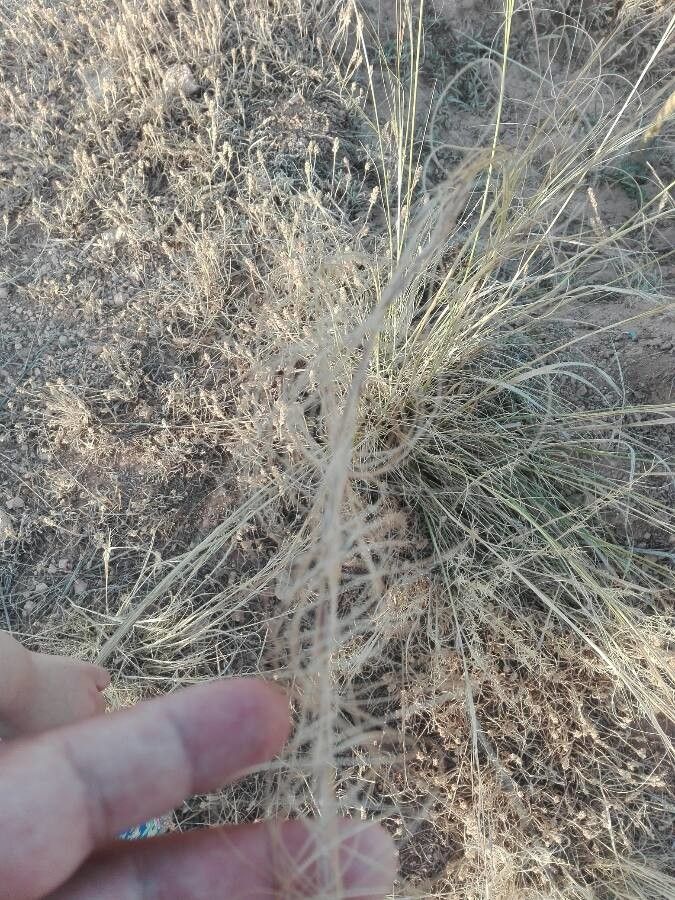
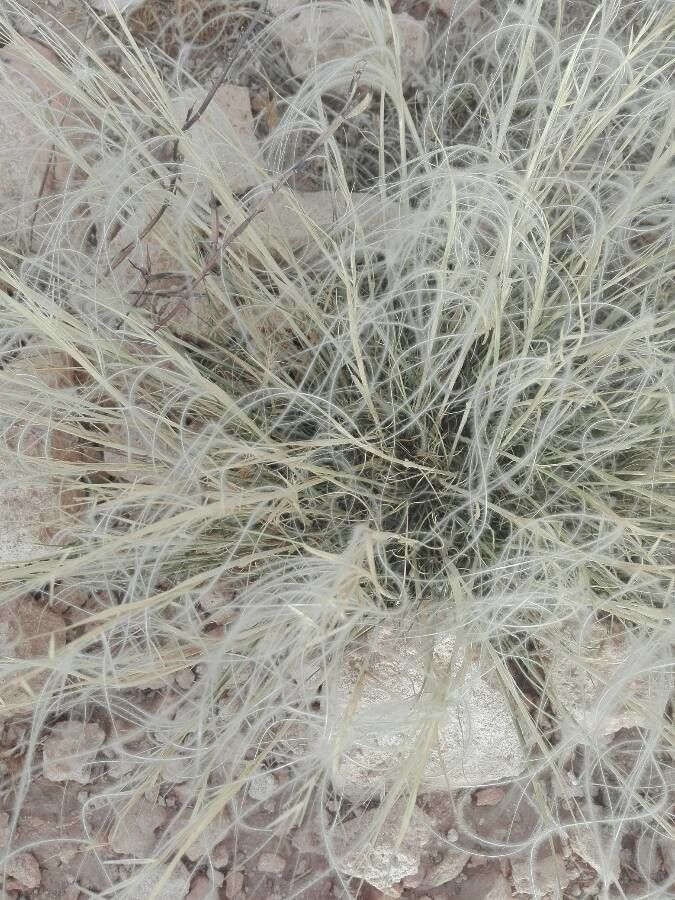
Pappostipa speciosa is a species of grass known by the common name desert needlegrass. It is native to much of the south-western United States from California and Oregon to Colorado and to northwestern Mexico, where it grows in dry areas, especially sagebrush habitat. It is also native to Argentina and Chile in South America.
Desert needlegrass shows strong resistance to disease and is usually not susceptible to illnesses. Regarding care, this plant is fairly low-maintenance. When grown outdoors it needs little watering, and larger plants typically do not require pruning. Smaller plants, however, should be pruned after they finish blooming. Desert needlegrass is suitable for anyone with an outdoor area, such as a garden or deck, and does not demand much gardening experience.
How to keep Stipa Speciosa.
Light
Desert needlegrass flourishes with abundant light, demonstrating its resilience in its native sun-drenched desert habitat. Throughout its different growth stages, constant light exposure supports its development. Excessive or insufficient light can affect its growth and health; nevertheless, this hardy plant can tolerate even the harshest lighting conditions.
Temperature
Desert needlegrass is a tough species, naturally adapted to temperatures from 32 to 95 °F (0 to 35 °C). It performs best when exposed to the seasonal fluctuations typical of temperate regions. To ensure its optimal growth and health, those temperature conditions should be replicated.
Fertilizer
Desert needlegrass needs extra nutrients to encourage healthy new growth. In spring, adding compost around the base of the plant can effectively supply the nutrition it requires. Fertilizing supports vigorous growth and helps the plant withstand diseases and pests.
Botanical profile.
- Plant Type
- Grass
- Life Cycle
- Perennial
- Genus
- Stipa
- Family
- Poaceae
- Hardiness Zone
- 3-9
- Mature Height
- 49 cm to 91 cm
- Mature Spread
- 30 cm to 61 cm
- Leaf Color
- Green, Light Green
- Leaf Type
- Deciduous
- Flower Color
- Yellow, Green, Brown
- Flower Size
- 6.35 cm to 15.24 cm
- Bloom Time
- Late spring, Early summer
- Planting Time
- Spring, Summer
- Harvest Time
- Mid summer, Late summer
- Native Area
- Mexico, Ecuador
Other names.