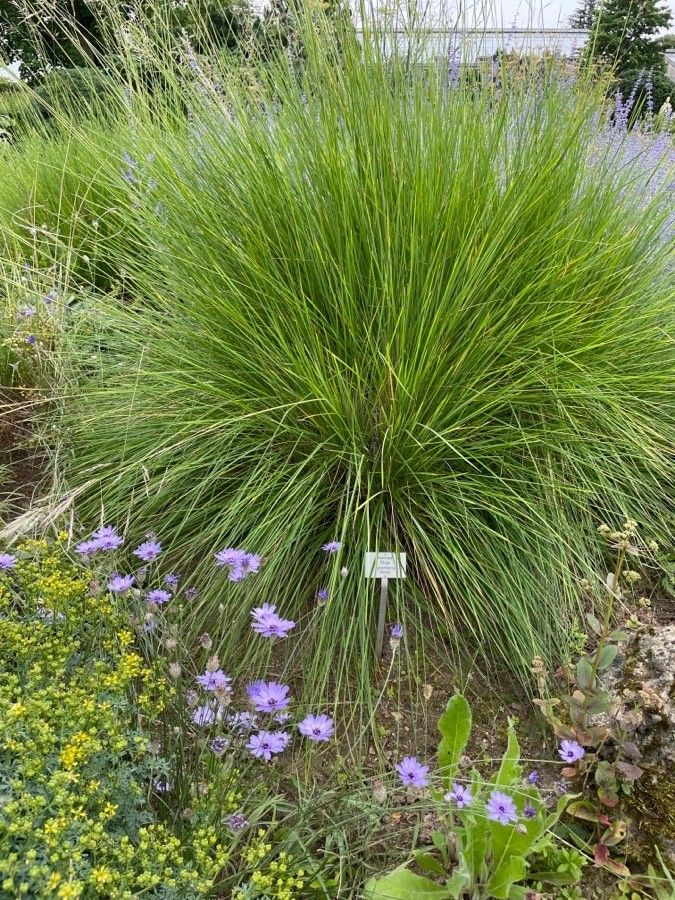
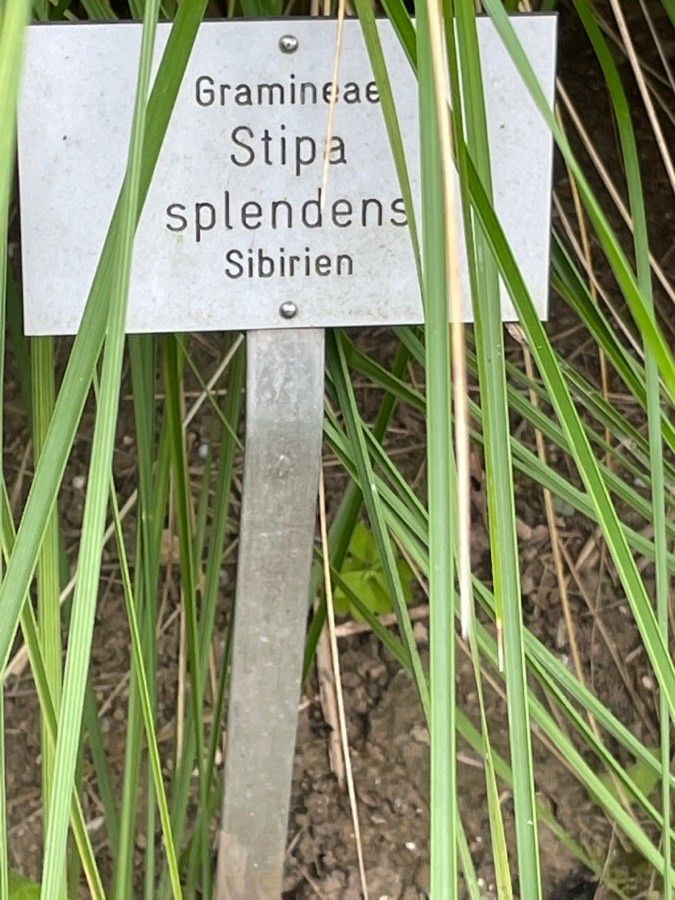
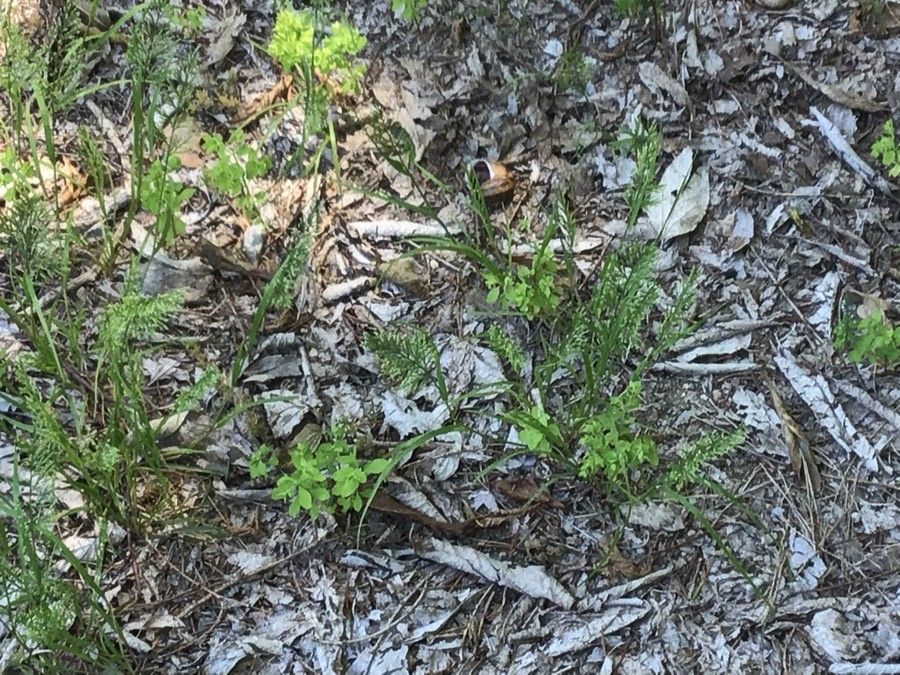
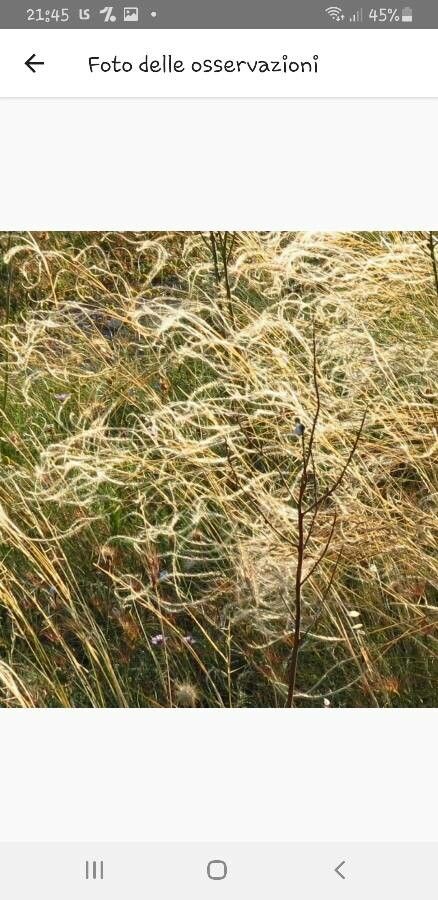
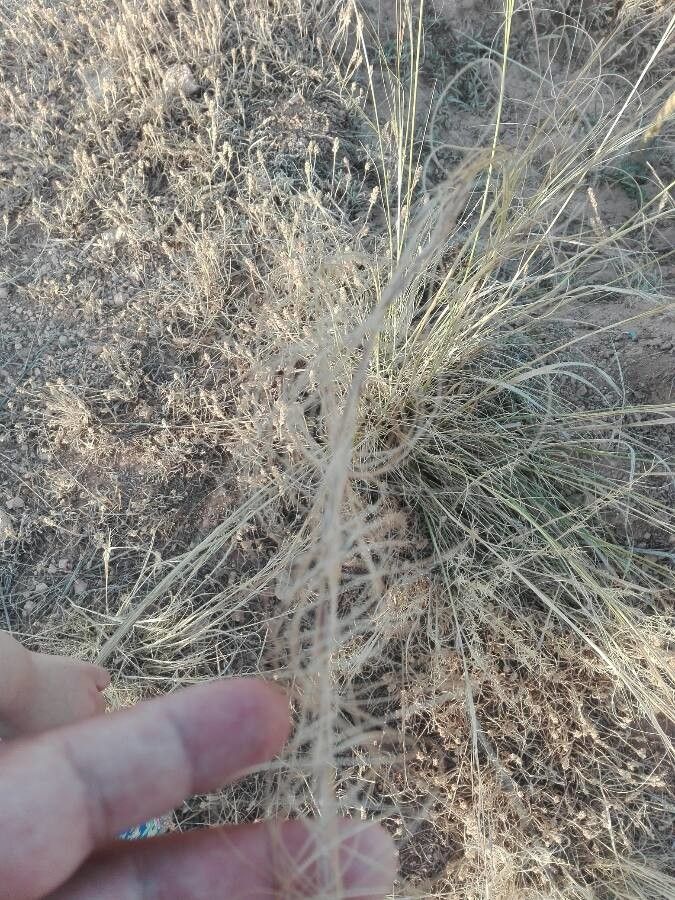
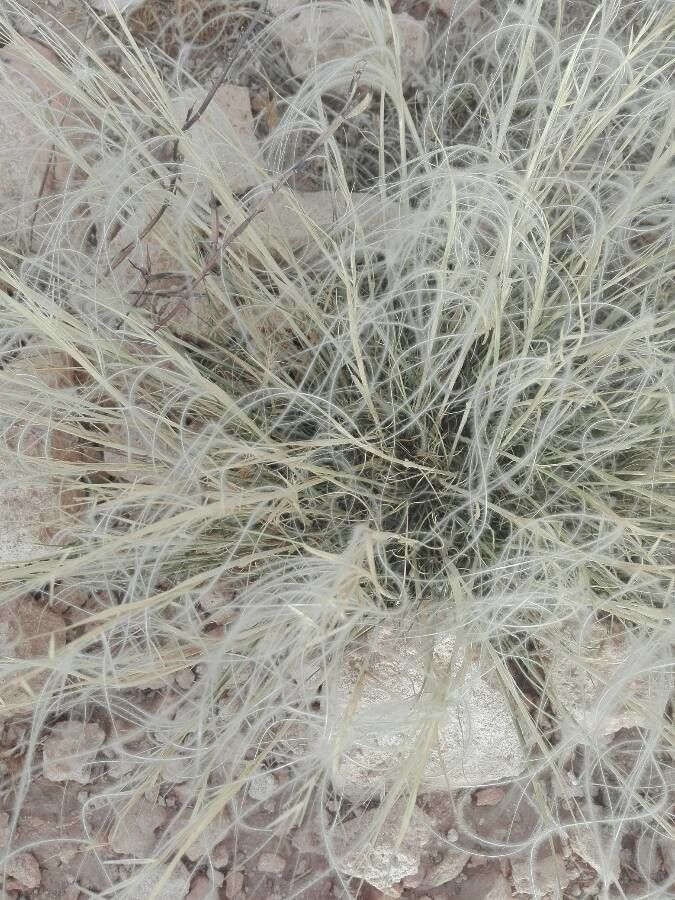
Neotrinia splendens is a species of grass. It is found from the East European Plain, across Siberia and Central Asia to the Himalayas. This grass is an important forage crop in areas of the Kazakh steppe.
Chee grass displays strong resistance to disease and is usually not susceptible to illnesses. As for care, this plant is fairly low-maintenance. When grown outdoors it needs only light watering, and larger plants typically do not need pruning. Smaller plants, however, should be pruned after they bloom. Chee grasst is suitable for anyone with an outdoor area, such as a garden or deck, and does not require much experience in plant care.
How to keep Stipa Splendens.
Light
Chee grass strongly prefers unobstructed, intense sunlight all day to achieve optimal growth. Its native habitat is characterized by clear skies and abundant sunlight. Insufficient sun can stunt its development, while excessive exposure can scorch its leaves.
Water
Chee grass, native to semi-arid regions, is highly drought-tolerant and thrives with minimal moisture. To maintain its health, it requires moderate watering twice a week and should be planted in well-draining soil to prevent root rot. As an outdoor grass species, chee grass efficiently stores water, allowing it to adapt to varying rainfall patterns.
Temperature
Chee grass can tolerate a wide range of temperatures, but its distribution can still be restricted by different combinations of moisture and heat. It does best in warm summer climates with sufficient rainfall or irrigation. Extended periods of cloudy, rainy weather or prolonged high temperatures can raise the chances of Chee grass dying. In winter, protecting it from the cold can improve the plant's survival rate.
Fertilizer
Chee grass needs extra nutrients to encourage healthy new growth. In spring, spreading some compost around the plant's base can effectively supply the nutrition it requires. Fertilizing helps support vigorous growth and increases the plant's resistance to diseases and pests.
Pruning
Chee grass is a type of tall ornamental grass. For healthy growth, it is best to prune it in early spring by cutting it back to 1-2 inches (2.5-5 cm) above the ground. Avoid pruning in late fall or winter to prevent rot. Regular pruning helps maintain the plant's density and improves the overall appearance of your garden.
Botanical profile.
- Plant Type
- Grass
- Life Cycle
- Perennial
- Genus
- Stipa
- Family
- Poaceae
- Hardiness Zone
- 4-9
- Mature Height
- 0.61 m to 1.22 m
- Mature Spread
- 30 cm to 61 cm
- Leaf Color
- Green
- Leaf Type
- Deciduous
- Flower Color
- White, Yellow, Green, Purple, Red, Brown, Orange
- Flower Size
- 15.24 cm to 30.48 cm
- Bloom Time
- Early summer, Mid summer
- Planting Time
- Spring, Autumn
- Harvest Time
- Late summer, Early fall
Other names.
Reader questions.
What are the sunlight requirements for Chee grass?
Chee grass requires more than 6 hours of sunlight each day to thrive optimally. It's essential to observe the movement of sunlight across your garden, selecting spots that ensure a balance of light and shade conducive to the plant's health. This grass prefers locations that mirror its native habitat, characterized by clear skies and abundant sunlight. Insufficient sunlight can hinder its growth, while excessive exposure can lead to leaf scorching.
How important is artificial lighting for indoor Chee grass plants?
Artificial lighting plays a crucial role for indoor Chee grass plants, especially in scenarios where natural sunlight is inadequate, such as during winter or in less sunny spaces. It's advisable to use artificial lights to foster healthier, quicker growth. LED lights are recommended due to their ability to be tailored to the specific light wavelengths needed by plants. Full sun plants need 30-50W/sq ft, partial sun plants require 20-30W/sq ft, and full shade plants necessitate 10-20W/sq ft of artificial light. The light source should be positioned 12-36 inches above the plant to mimic the natural sunlight, ensuring 8-12 hours of light per day to reflect natural day length accurately.
What symptoms indicate Chee grass is getting too much or too little light?
Symptoms of inadequate lighting in Chee grass include smaller new leaves compared to older ones, leggy or sparse growth, faster leaf drop, delayed or halted new growth, and lighter-colored or pale new leaves indicating nutrient deficiencies. Conversely, excessive sunlight can cause chlorosis, sunscald, leaf curling, wilting, and leaf scorching, with leaves showing damage like pale, bleached areas or turning yellow due to chlorophyll breakdown. These conditions significantly impact the plant's health, affecting its ability to conduct photosynthesis efficiently.
What are the solutions for Chee grass suffering from improper light conditions?
For indoor Chee grass plants lacking sunlight, gradually moving them to sunnier spots until they receive at least 6 hours of direct sunlight daily is recommended. Using a south-facing window can maximize sunlight exposure. If moving the plant isn't feasible, consider artificial lighting options, keeping them on for at least 8 hours a day. For outdoor plants, it's crucial to transition them to sunnier areas gradually to prevent sunburn. Removing any obstructions or transplanting the plant during its dormant period to a location with better light can resolve outdoor lighting issues. Notably, parts of the plant damaged by insufficient light may not recover, but new growth will be healthy following improved light exposure.