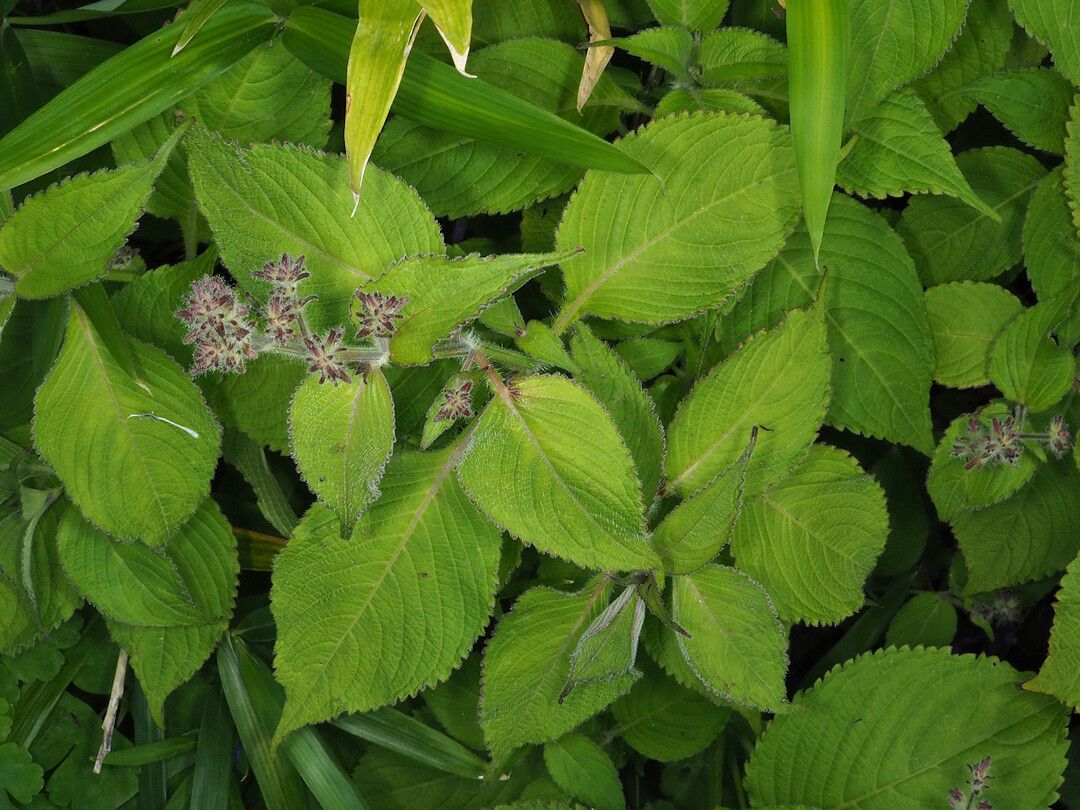
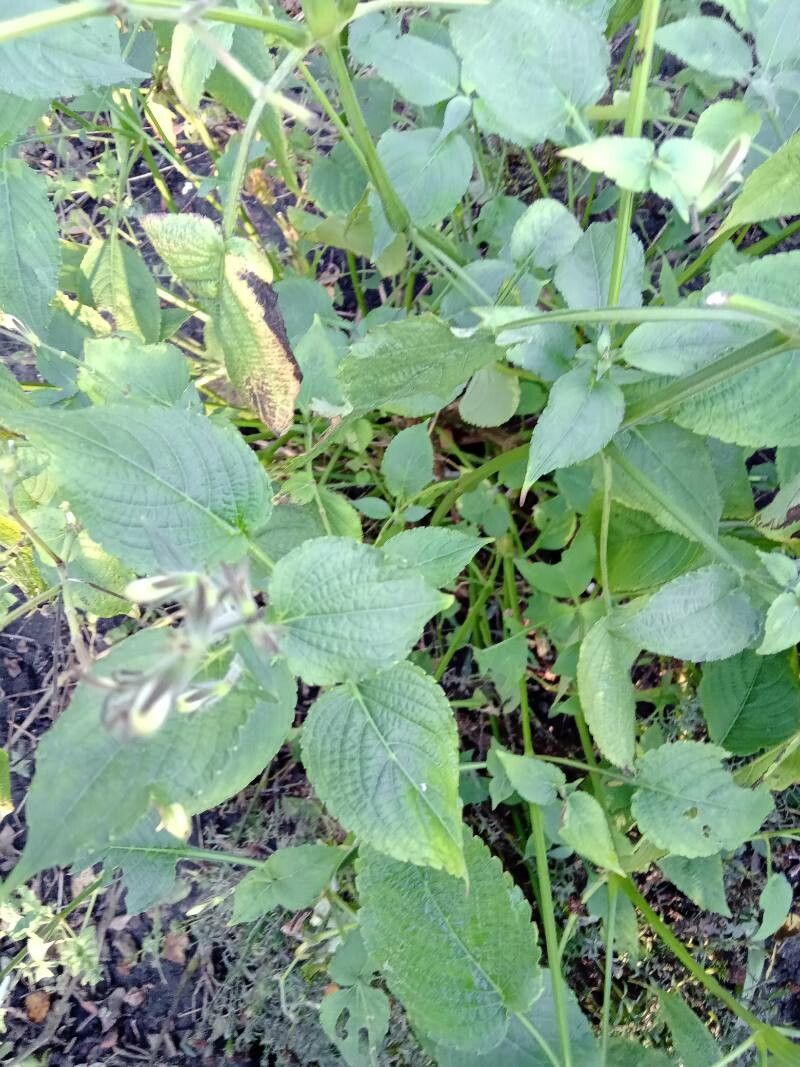
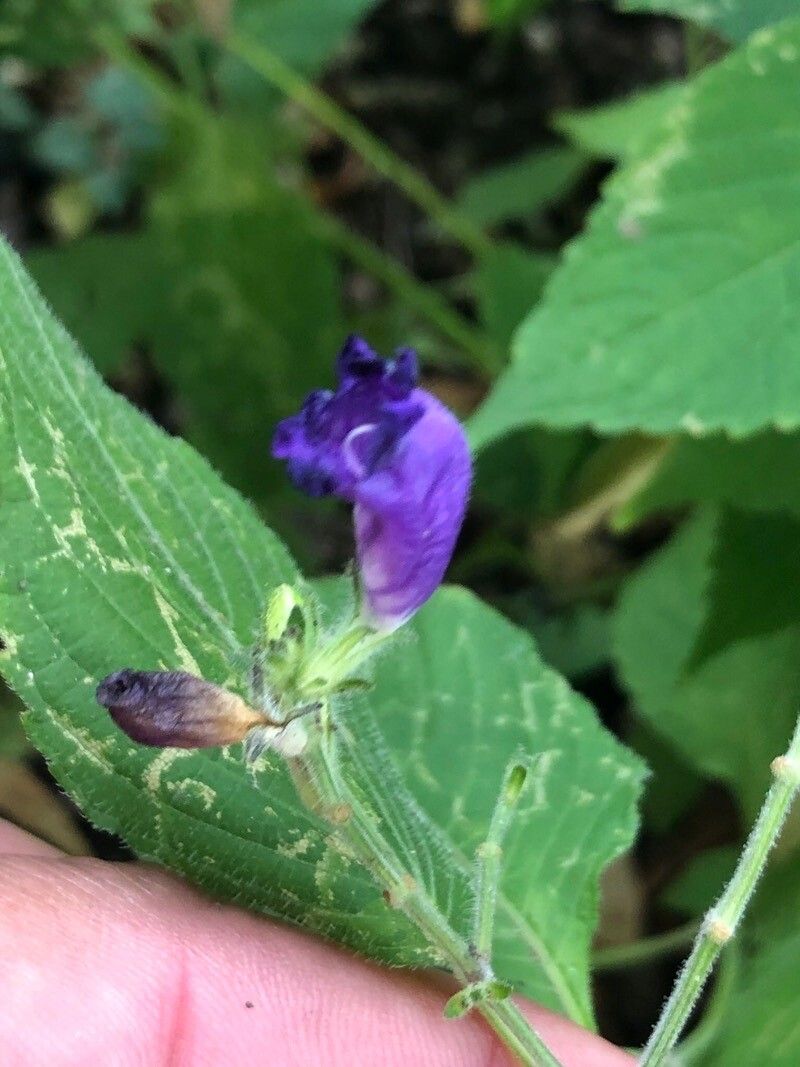
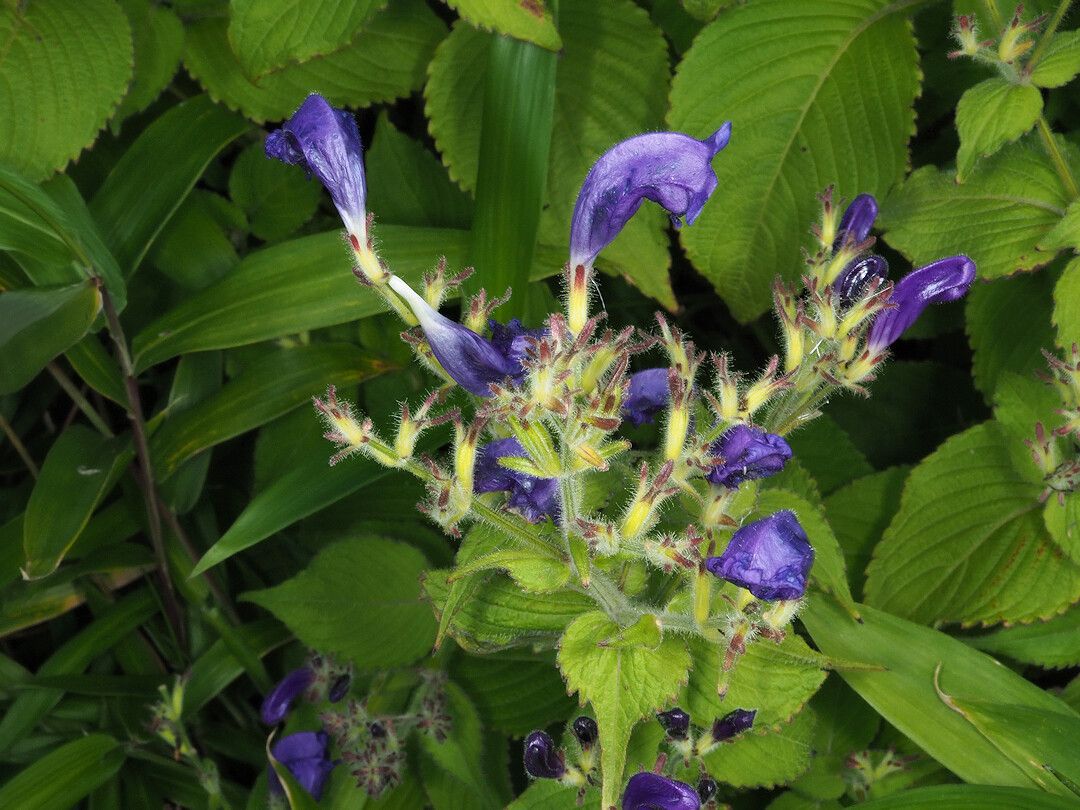
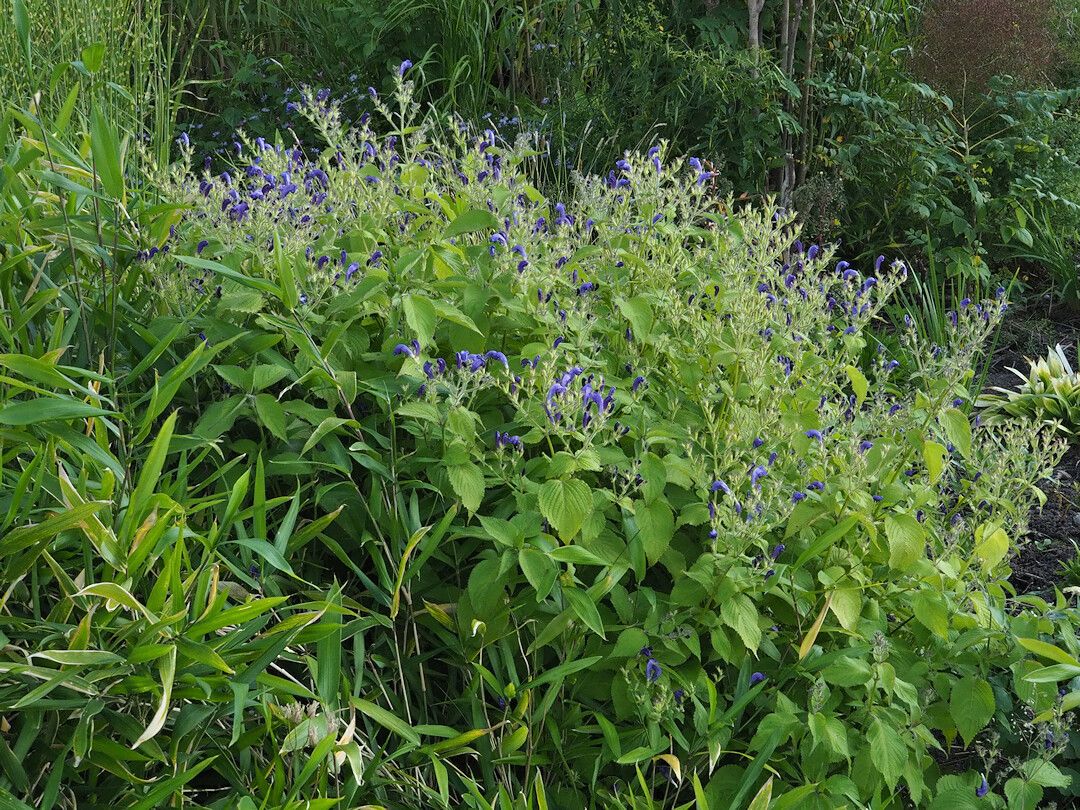
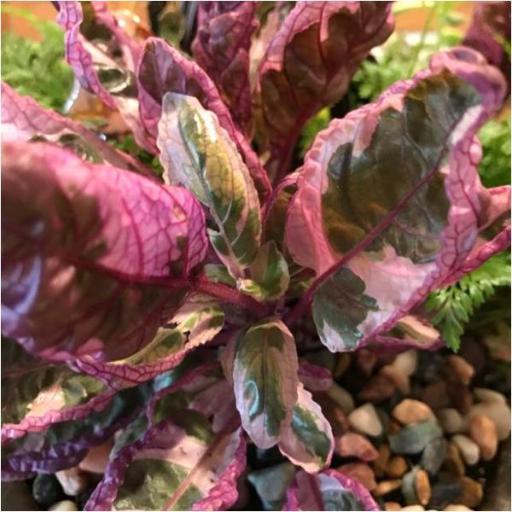
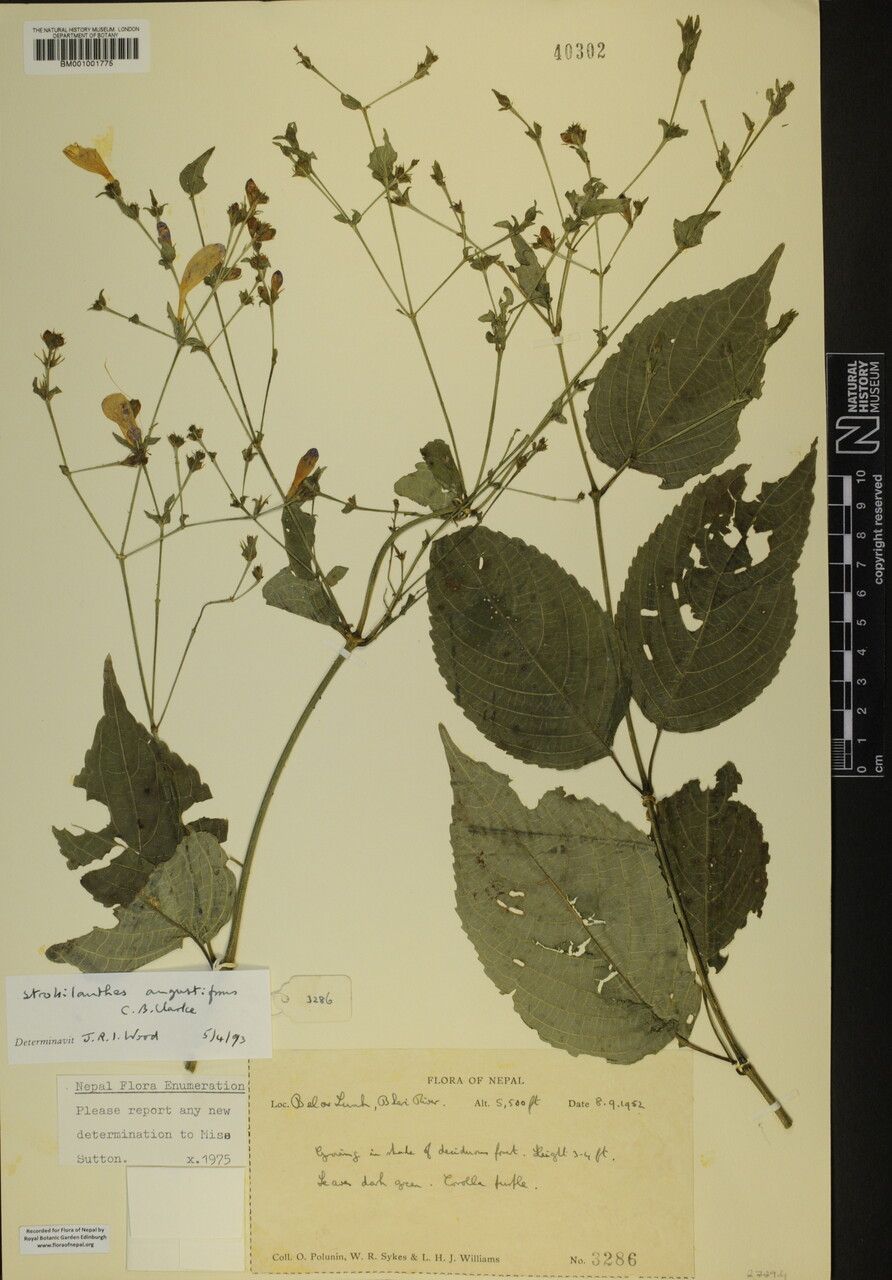
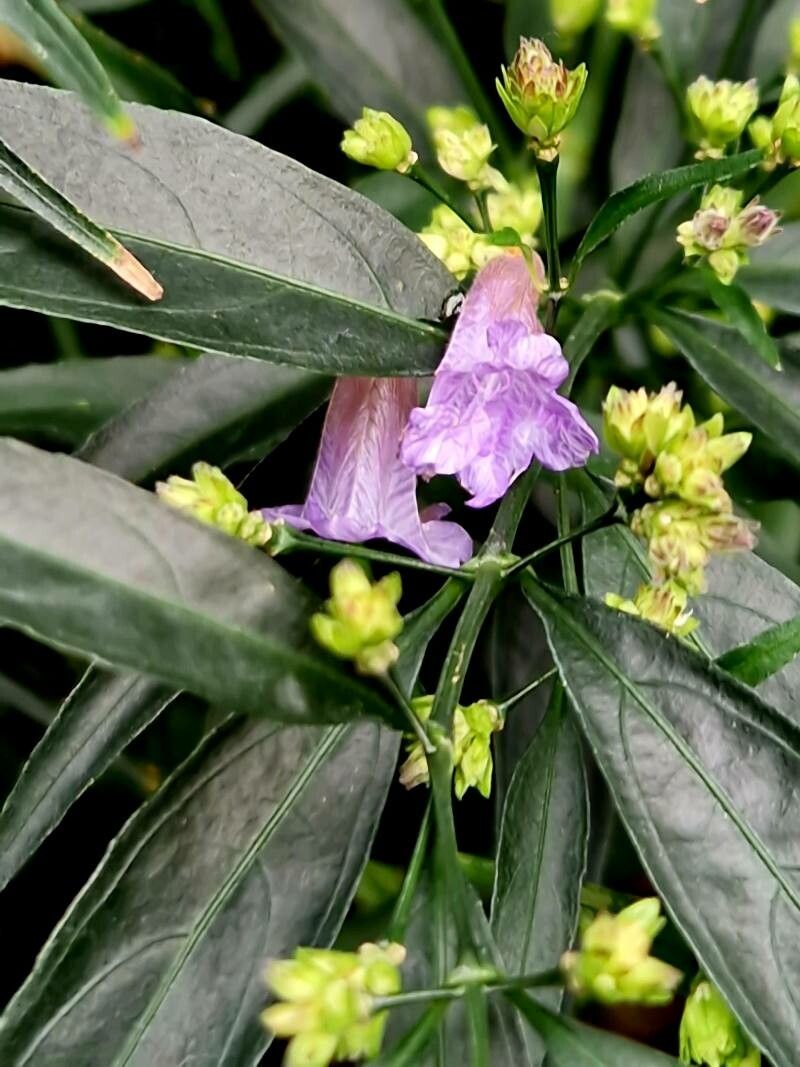
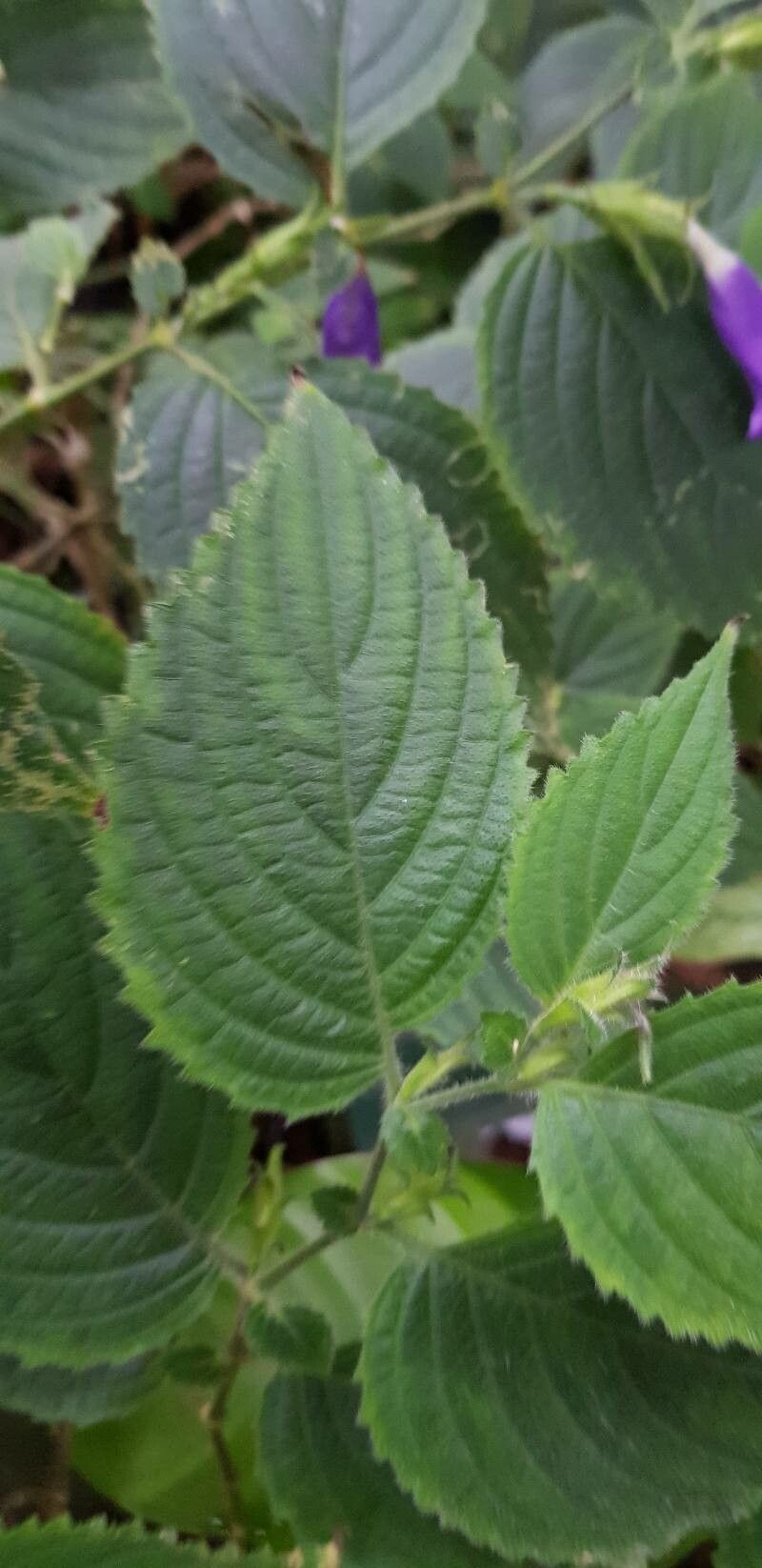
Deep-blue curved bells has strong disease resistance and is typically not vulnerable to illnesses. Still, it can be affected by pests and diseases found in its environment. Such infestations are generally mild. Regarding maintenance, this plant needs a moderate level of care. Regular pruning is necessary to keep it looking good and to support healthy growth. Applying fertilizer can also encourage blooming. Deep-blue curved bells is appropriate for anyone with outdoor areas like a garden or patio and does not demand extensive gardening experience. It may call for extra attention if cultivated indoors.
How to keep Strobilanthes Atropurpurea.
Light
Deep-blue curved bells flourish in areas with abundant sunlight. A shortage of light can lead to poor growth and wilting. A well-lit environment is essential during all stages of growth. However, these plants can adapt and survive in locations with less sunlight. Excessive exposure to sunlight can cause leaves to become scorched.
Water
Originating from monsoon forests, the deep-blue curved bell plant thrives in high humidity and prefers consistently moist conditions. To keep the soil well-hydrated, water it weekly. Typically grown indoors, this evergreen plant benefits from regular misting to mimic its native moist environment.
Temperature
Deep-blue curved bells is able to adapt to a wide range of temperatures, but its distribution may still be restricted by different combinations of water and heat conditions. It grows best in warm summer climates with sufficient rainfall or watering. Extended periods of cloudy, rainy weather, as well as prolonged high temperatures, can increase the likelihood of Deep-blue curved bells dying. In winter, proper protection from the cold can improve the plant's survival rate.
Fertilizer
The best time to fertilize a Deep-blue curved bells is in early spring, when it is coming out of dormancy and starting active growth. Fertilization supplies the essential nutrients needed for healthy growth. Although Deep-blue curved bells have relatively low fertilizer requirements, applying fertilizer once a year can improve their survival and encourage better, longer-lasting flowers.
Pruning
Deep-blue, curved bells display vibrant deep-blue blooms. To promote healthy growth, they require pruning from early to late spring. Trim dead stems and pinch new growth to encourage bushiness and more abundant flowering. Proper pruning improves air circulation and enhances the plant's appearance. Always use clean tools to minimize the risk of infection.
Botanical profile.
- Plant Type
- Herb
- Life Cycle
- Perennial
- Genus
- Strobilanthes
- Family
- Acanthaceae
- Hardiness Zone
- 9-11
- Mature Height
- 1.22 m
- Mature Spread
- 61 cm
- Leaf Color
- Green, Blue
- Leaf Type
- Semi-evergreen
- Flower Color
- Purple
- Flower Size
- 2.54 cm to 5.08 cm
- Bloom Time
- Mid summer, Late summer, Early fall
- Planting Time
- Spring, Summer, Autumn
- Harvest Time
- Mid fall, Late fall, Early winter
- Native Area
- Nepal, Bhutan, Myanmar, India