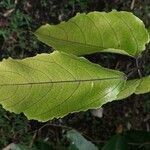
Strongylodon macrobotrys
Jadevine · Emerald creeper · Emerald vine · Turquoise jade vine
Description
Source: leafsnapStrongylodon macrobotrys, commonly known as the jade vine or emerald creeper, is a stunning tropical plant native to the Philippines. It belongs to the legume family and is renowned for its striking turquoise-blue flowers that hang in long clusters. These flowers are pollinated by bats and are followed by long, flat seed pods. The plant features a woody stem that can grow up to 18 meters in length and produces large leaves with three leaflets. It thrives in warm temperatures and high humidity, making it an ideal choice for tropical gardens or indoor spaces with adequate light. Jade vine is considered a rare species due to habitat loss in its native range. However, it has gained popularity among gardeners worldwide for its unique beauty and ability to attract pollinators such as butterflies and hummingbirds. In addition to its ornamental value, Strongylodon macrobotrys also possesses medicinal properties. Traditionally, its leaves have been used to treat various ailments such as fever, coughs, headaches, and stomach pains. Overall, Strongylodon macrobotrys is an exquisite plant that enhances any environment with its beauty while also offering medicinal benefits, making it a valuable addition both aesthetically and medicinally.
🌳 The jade Vine is remarkable not only for its jade-colored, claw-like flowers but also for its unusual pollination system that depends on nocturnal visitors. A principal pollinator is a bat, specifically a species that hovers like hummingbirds. The bat’s distinctive feeding behavior supports the jade Vine’s reproductive success, since these flying mammals move from flower to flower seeking nectar and thereby carry pollen. This relationship is a striking example of co-evolution between plant and animal, with the plant’s survival closely tied to the ecological role of its pollinators.
Care Guide
💧 Water Every 7 days
The jade vine thrives in high humidity and needs consistent moisture to support its lush growth. To achieve this, it should be watered weekly. As an evergreen plant, it benefits from stable moisture levels throughout the year, which is particularly important for its outdoor growth. This care helps the jade vine display its vigorous climbing habit and stunning turquoise flowers.
How should I water my Jade Vine in the most effective way?
To ensure excellent root development, consider these tips for watering your plants. Place a garden hose at the base of the plant, avoiding direct spraying of the leaves. If the plants are outdoors and exposed to direct sunlight, the leaves may require more watering. Using bubblers or soaker hoses can help moisten the roots evenly. When adding or removing plants, make sure to cover the entire garden or bed with soaker hoses to encourage deep root growth. After watering, drain any excess water and allow the soil to dry before watering again. Watering at ground level is recommended to prevent diseases. On sunny days, spraying the entire bush with water can be beneficial. Whether your Jade Vine is potted or in the ground, it is best to provide deep watering rather than light sprinkling.
What should I do if I give the Jade Vine too much or too little water?
An overwatered Jade Vine may exhibit yellow leaves, leaf drop, and wilting. The plant's appearance may be dull and unhealthy, with mushy stems. To address these symptoms, it is advisable to adjust your watering schedule accordingly. However, wilting can also be a sign of under watering, evident by crispy and dry leaves. In this case, check the soil moisture level and provide a thorough watering if necessary. On the path to recovery, the Jade Vine may still exhibit dryness and yellowing due to root damage. Once it returns to normal, the yellowing of leaves will cease. When keeping a Jade Vine indoors, regularly check the moisture levels in the pot, avoiding overwatering and watching for signs of black spots. If these spots appear, allow the soil to dry out by refraining from watering for a few days. Overwatering can lead to root rot, so if discolored and slimy roots are present, consider transferring the plant to a different pot. Take precautions to prevent root rot by ensuring the soil doesn't become too soggy. When planting a Jade Vine outdoors, make sure to dig a bit deeper. If you find the soil to be excessively dry, it may indicate underwatering, necessitating adequate watering to assist the plant's recovery.
How frequently should I water my Jade Vine?
The Jade Vine prefers deep, infrequent watering. When planted in pots, it is important to soak them in a gallon of water each time, as the limited water storage in pots causes the soil to dry out quickly. In cold regions, watering is needed every 3 to 5 days. It is best to water early in the morning when the soil is dry, both outdoors and indoors. You can check if watering is necessary by examining the soil. When the top 2-3 inches of soil is dry, it is time for a full watering. During hot days, check the soil moisture daily as heat can rapidly dry out the pot's soil. For garden irrigation, water once a week when living in a hot climate. Only water when about 2 to 3 inches of soil become dry. Take rainfall into consideration and avoid overwatering to prevent root rot. If there is ample rainfall, additional watering may not be necessary. Jade Vine typically grows during spring and fall. When outdoors, adding 3 to 4 inches deep of mulch helps conserve water. Sandy soil requires more frequent watering due to its fast drainage, while clay soil needs less frequent watering, with intervals of 2-3 days to dry the plant and prevent root rot. To keep track of watering, mark the dates on a calendar and pay attention to drooping leaves as a sign that watering may be needed.
How much water should I give my Jade Vine?
The Jade Vine has specific watering needs. If you have potted plants, water them deeply until you see water dripping from the bottom of the pot. Then, wait for the soil to dry before watering again. To track the amount of water you give your plant, you can use a water calculator or a moisture meter each week. During the flowering period, provide plenty of water, but allow the moisture to evaporate afterwards to prevent root rot. If you have Jade Vine planted outdoors and there is sufficient rainfall, additional watering may not be necessary. However, when the plant is young or newly planted, make sure it receives about 1-2 inches of rain per week. As the Jade Vine grows, it will be able to survive solely on rainfall. Only during excessively hot weather or when there has been no rainfall for 2-3 weeks should you consider giving the plant a full watering during the cooler part of the day to prevent heat damage. Additional watering may be required during prolonged dry spells.
Should I change how often I water my Jade Vine based on the time of year or the weather?
The Jade Vine prefers outdoor conditions with rain, but if the weather is persistently dry, it may need to be watered. During the spring and fall, it should be kept in soil that is moist but not overly saturated, as alternating dry and moist conditions promote healthy growth. In the summer, hot weather and lack of rainfall may cause the water to evaporate quickly, so more frequent watering is necessary to keep the soil moist. Generally, less water is needed during the winter when the plant goes dormant. Using well-draining soil like terracotta can help the water evaporate more efficiently during this period. Once the Jade Vine starts leafing out and going dormant in the spring, watering can be skipped as it can rely on fall and winter rains to survive. When flowering, the plant dislikes excessive water or drought and requires good drainage, especially in winter. Plants in pots have limited root growth, so they should be watered well, especially in summer, while still providing adequate drainage. Watering the entire root system deeply once or twice a week is recommended, avoiding shallow sprinkles that only reach the leaves. It is important to prevent the Jade Vine from completely drying out during the fall and winter, even during dormancy. Overwatering should also be avoided, as the plant does not tolerate sitting in water for long periods, especially during winter when it can lead to death. Applying mulch is beneficial to reduce stress, conserve water, and promote healthy blooms.
☀️ Light Partial sun
The Jade Vine grows best in dappled sunlight but can tolerate full, unobstructed sun. Native to environments that combine sun and shade, too much exposure can scorch the leaves, while too little light can inhibit growth. Different developmental stages are not significantly affected by the amount of sunlight.
What are the sunlight requirements for Jade Vine?
Jade Vine requires varied amounts of sunlight depending on its growth stage. It flourishes under partial sun, which is about 3-6 hours of sunlight daily, and can also endure full sun, which is above 6 hours of sunlight daily. It's important to observe how sunlight moves through your garden to find spots that offer the right balance of light and shade, ensuring the plant's health and happiness.
How does sunlight affect Jade Vine's growth?
Sunlight plays a crucial role in the growth of Jade Vine. Originating from environments with a mix of sun and shadow, excessive exposure to sunlight can lead to leaf scorch, while insufficient light may stunt the plant's growth. The plant's various growth stages don't significantly differ in their sunlight needs, but overall, a balanced exposure is key to its health.
Can artificial lighting be used for Jade Vine indoors?
Yes, artificial lighting is a viable solution for growing Jade Vine indoors, especially when natural sunlight is insufficient. Optimal growth can be achieved with adequate lighting, mimicking natural sunlight conditions. LED lights are recommended for their ability to provide specific wavelengths needed by plants. The lighting requirement varies with the type of plant: full sun plants need 30-50W/sq ft, partial sun plants need 20-30W/sq ft, and full shade plants need 10-20W/sq ft. The light source should be placed 12-36 inches above the plant for 8-12 hours daily to mimic natural daylight hours.
What symptoms indicate Jade Vine is receiving insufficient light?
Symptoms of insufficient light in Jade Vine include smaller new leaves, leggy or sparse growth, faster leaf drop, slower or no new growth, lighter-colored new leaves, symptoms of chlorosis, sunscald, leaf curling, wilting, and leaf scorching. These conditions suggest that the plant is struggling with the amount of light it is receiving and could benefit from adjustments to its lighting exposure.
How can I improve my Jade Vine's exposure to sunlight?
Improving sunlight exposure for Jade Vine involves several strategies. Indoors, you can gradually shift the plant to sunnier spots each week, aiming for 3-6 hours of sunlight daily, or use artificial light sources for at least 8 hours daily. Outdoors, similarly, gradually move plants to sunnier locations to avoid sunburn. Reducing obstructions by pruning or relocating plants can also help. For plants that don't adapt to changes in sunlight or suffer from insufficient light, some affected parts may not recover, but new growth should be healthy with improved light conditions.
🌡️ Temperature 20–37.8°C
Jade Vine is native to tropical forests and needs a warm climate. It can withstand temperatures from 68 to 100 °F (20 to 38 ℃). For best growth, keep it within this temperature range year-round.
What is the best temperature for Jade Vine?
To help your tropical plants thrive, it's best to maintain a temperature range of 75℉ to 90℉ (25-32℃). While different species can tolerate temperatures outside this range, sticking within a few degrees of these limits will ensure optimal growth. However, there are extreme temperature limits to be aware of. Anything below 50℉ (10℃) or above 95℉ (35℃) can hinder growth and cause issues with the leaves and stems. Low temperatures are particularly damaging, as even a light frost can lead to the death of your tropical plants. In fact, cellular death can occur rapidly, with some species dying within 12 to 24 hours.
Does the Jade Vine need different temperatures at different stages of growth?
Jade Vine doesn't need temperature changes to transition between growing phases, but it's important to maintain consistency. Fluctuating temperatures can slow down its growth, regardless of the phase it's in. Therefore, keeping the plant in a controlled environment is advised. The optimal temperature range is between 75℉ (25℃) and 90℉ (32℃), with staying above the lower limit being crucial. While temperatures above 90℉ (32℃) are not ideal, this tropical plant can still tolerate them reasonably well. However, temperatures below 50℉ (10℃), especially 40℉ (5℃), will start to cause direct damage to this species that loves heat.
Does Jade Vine require varying temperatures throughout the year?
Jade Vine does not require different temperatures for different seasons. The key to caring for it year-round is maintaining an optimal temperature range. To achieve this, it is recommended to keep the plant indoors. This way, you have control over the temperature regardless of the outdoor climate. In addition to temperature, light is also important for tropical species like Jade Vine. These plants prefer partial or filtered sunlight. When growing indoors, it is best to provide bright but indirect light. Too much direct sunlight can harm the plant's leaves and hinder its growth.
What temperatures does the Jade Vine need to stay healthy?
Here are three tips to help you take care of your plants: 1. Keep your plants away from windows during colder months: Cold air can leak into your home through cracks in the windows, and any plants placed near them will be affected. Move tropical plants to an area with bright but indirect light, while avoiding potential drafts. 2. Watch out for dry patches, which may indicate too much sunlight or heat: If you notice white or scorched leaves, your plant may be getting too much heat or sunlight. This can lead to dehydration and hinder growth. Dry spots can spread and eventually cause your plants to die if left unaddressed. 3. Be cautious of frost: Colder temperatures and frost can damage plants by disrupting their water circulation. This can lead to a lack of moisture in the stems and leaves. Look out for signs of hydrosis (a water-soaked appearance) and if the issue persists, the plant may shrivel and turn dark brown or black, eventually leading to death.
How can I make sure my Jade Vine stays at the correct temperature?
To maintain the right temperature range for Jade Vine, it is important to monitor both the climate and humidity. Ideally, you should keep the plant in a room with climate control to recreate its natural habitat. Pay attention to the humidity levels as well, as they affect the temperature. Increase humidity by using a humidifier or misting the leaves. If you plan to grow Jade Vine outside, it may be challenging to maintain the right temperature and humidity. In case of dropping temperatures or low humidity, it is best to move the plant indoors where you can have greater control over the climate for optimal growth.
💨 Humidity high (>60%)
This plant needs special care because it loves high humidity levels of 60-80% or more. The best way to achieve this is by placing a humidifier near the plant. Daily misting is also essential! Make sure the room has good ventilation.
🪴 Soil 6-7
🌱 Fertilizer
The best time to fertilize a Jade Vine is in early spring, when it comes out of dormancy. This encourages overall growth and flower development. Fertilizing improves the foliage, stems, and branches, while encouraging flowers that are large, bright, and long-lasting. It helps move nutrients from the roots to the flowers and enhances the plant’s health and resistance to disease.
Why should I add fertilizer to my Jade Vine?
Fertilization plays a crucial role in promoting the overall health and well-being of a Jade Vine plant. By providing the necessary energy and nutrients, fertilization allows the plant to develop lush foliage and strong stems and branches. However, the true value of fertilization for gardeners lies in its ability to enhance the growth of the plant's flowers. Fertilizer facilitates the production of large, vibrant, and long-lasting flowers by aiding the efficient transfer of fuel from the roots to the stems and ultimately to the flowers. Additionally, proper fertilization helps maintain the plant's overall health, enabling it to better resist diseases.
When should I fertilize my Jade Vine?
To properly fertilize a Jade Vine, it is best to do so during early spring when the plant is coming out of dormancy and preparing to bloom. This will provide the necessary energy for growth and flower development. However, fertilizing during this time is not the only option. Another feeding at the end of the season, during fall, can also be beneficial, though it does not need to be as large as the initial one. Some gardeners choose to fertilize while planting, but this is not always required.
When is it not a good time to fertilize my Jade Vine?
During the winter, the Jade Vine enters a dormant phase and does not require fertilizer. Fertilizing at this time increases the risk of overfertilization. The Jade Vine's main feeding times are in early spring and fall, so it generally does not need fertilizer during most of spring and summer. It is also advisable to hold off on fertilizer if the plant is facing excessively hot or dry conditions.
What kind of fertilizer does my Jade Vine require?
While general-purpose fertilizers with even ratios of nitrogen, phosphorus, and potassium are usually acceptable, Jade Vine plants often thrive with a specific type of fertilizer. In most cases, nitrogen and phosphorus are the most vital nutrients for Jade Vine, meaning they should be present in higher amounts compared to potassium in the fertilizer you choose. A fertilizer with an N-P-K ratio of 10-10-8 or similar should be effective. Additionally, applying organic material like compost during one of your yearly feedings can also be beneficial. If you opt for using fertilizer, granular fertilizer is typically the most common choice for Jade Vine.
How should I add fertilizer to my Jade Vine plant?
Fertilizing your Jade Vine is a simple task that even beginner gardeners can do. To feed your Jade Vine with granular fertilizer, just sprinkle it on the soil after moistening it with water. To improve the soil, you can also add organic material like compost or manure. Place the material on top of the soil and gently work it into the top few inches with a hand rake, being careful not to disturb the roots.
🪴 Pot & Repot 2-3 years
To help your Jade Vine thrive, plant it in a sturdy pot filled with a well-draining soil mix. Repot the plant every 2 to 3 years during the spring. When repotting, provide support for the vine and maintain high humidity and indirect light conditions to encourage recovery and growth. With proper care, your Jade Vine will produce stunning turquoise blooms.
✂️ Pruning
The Jade Vine boasts stunning turquoise flowers and requires pruning in early spring for optimal shape and growth. To achieve this, trim any dead or weak stems and thin out dense areas to improve air circulation. Be sure to use clean tools to prevent disease, as this will promote flowering and enhance the plant's overall health.
🌿 Propagating
🐛 Diseases & pets
☠️ Toxicity
The jade vine is not considered poisonous to humans or animals. In fact, the flowers of the vine are edible and often harvested as vegetables in the Philippines. These vines are completely safe to have around children and pets.
Characteristics
- Plant Type
- Vine
- Life Cycle
- Perennial
- Genus
- Strongylodon
- Family
- Fabaceae
- Hardiness Zone
- 10-12
- Mature Height
- 9.14 m to 15.24 m
- Mature Spread
- 10.06 m
- Leaf Color
- Green
- Leaf Type
- Evergreen
- Flower Color
- Blue, Green
- Flower Size
- 5.08 cm to 7.62 cm
- Bloom Time
- Mid spring, Late spring, Early summer
- Planting Time
- Spring, Autumn
- Harvest Time
- Mid summer
- Native Area
- Philippines