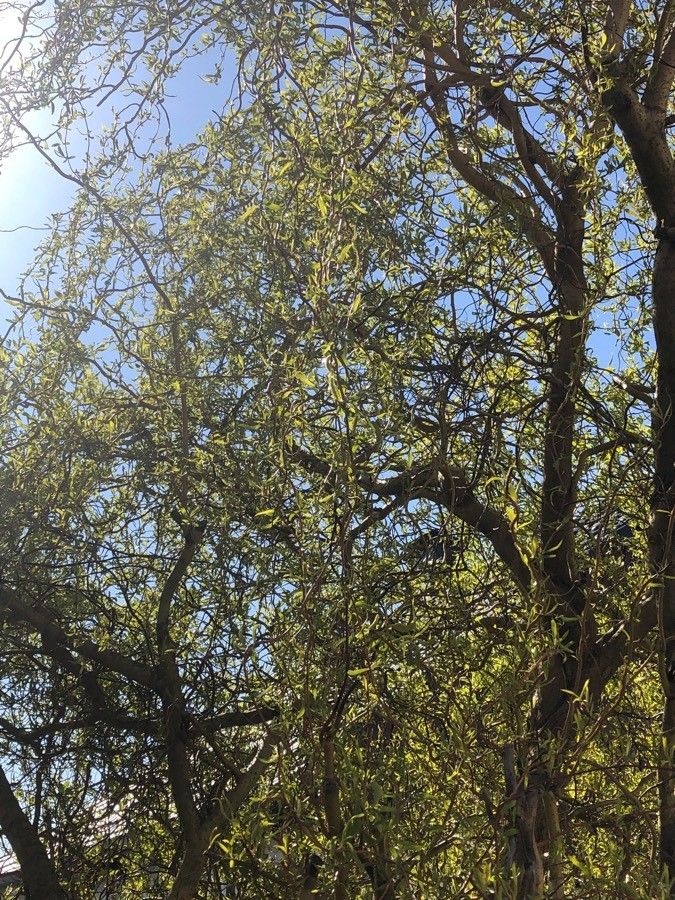
Strychnos madagascariensis is a small to medium-sized tree native to Madagascar, belonging to the family Loganiaceae. Commonly known as the Madagascar poison bean or Saint Thomas bean, this tree can grow up to 15 meters tall and features a straight trunk with grayish-brown bark.
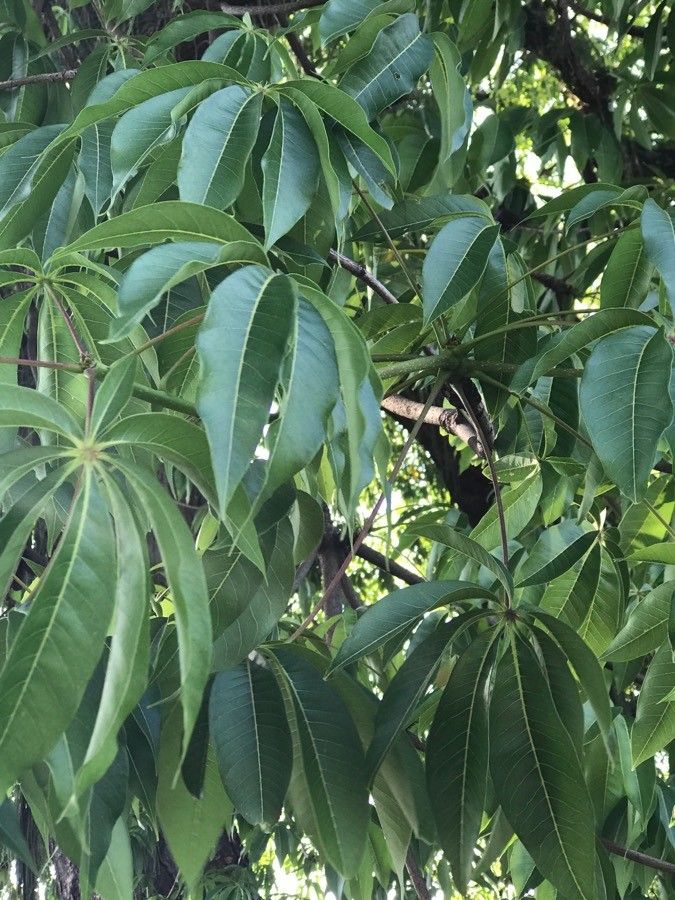
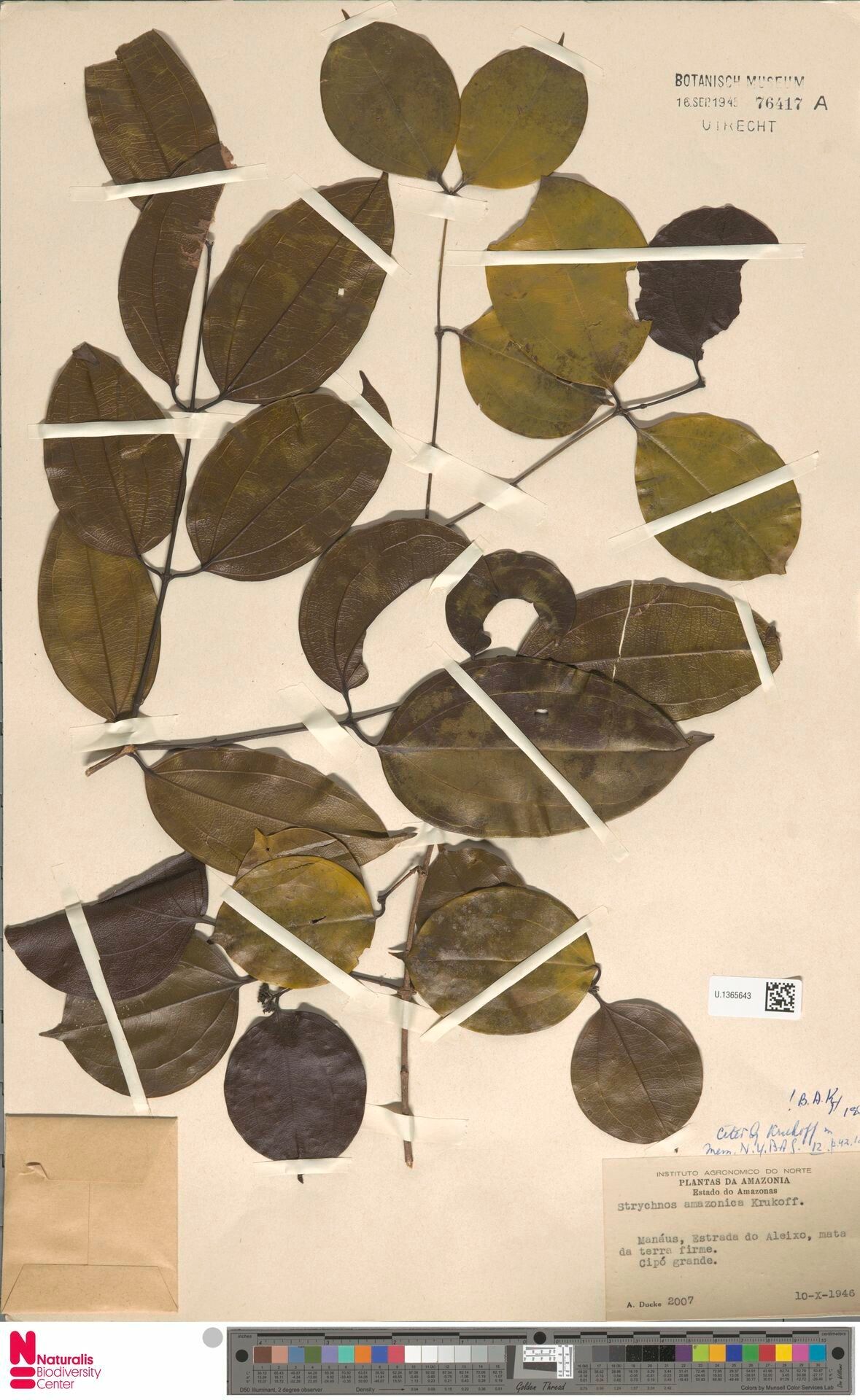
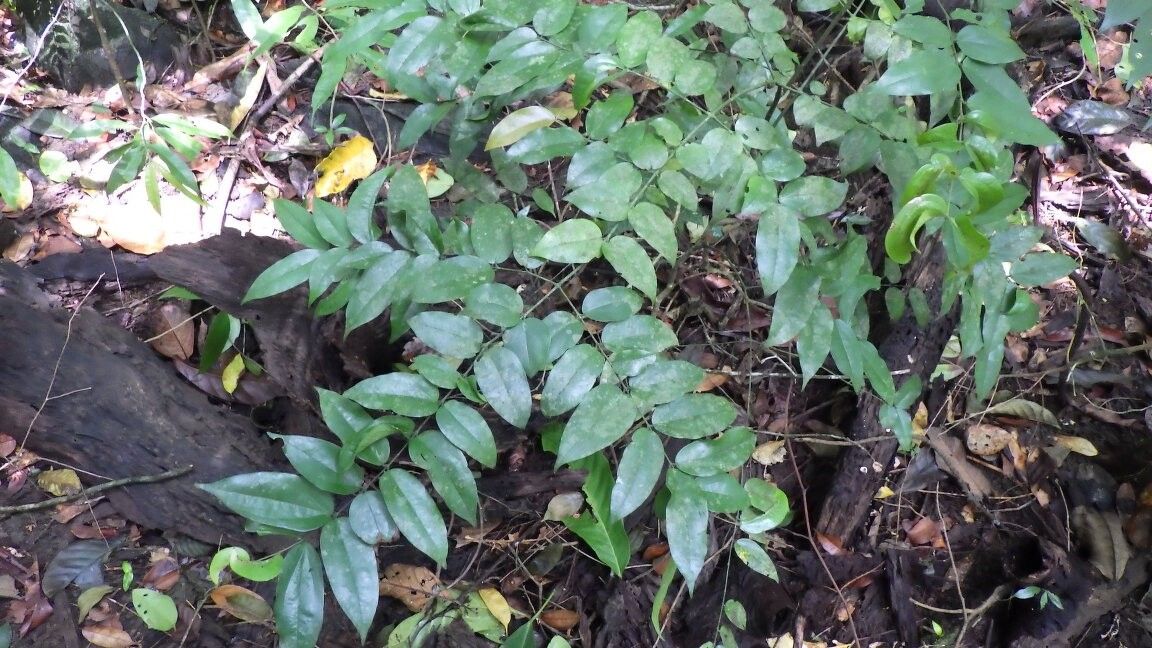
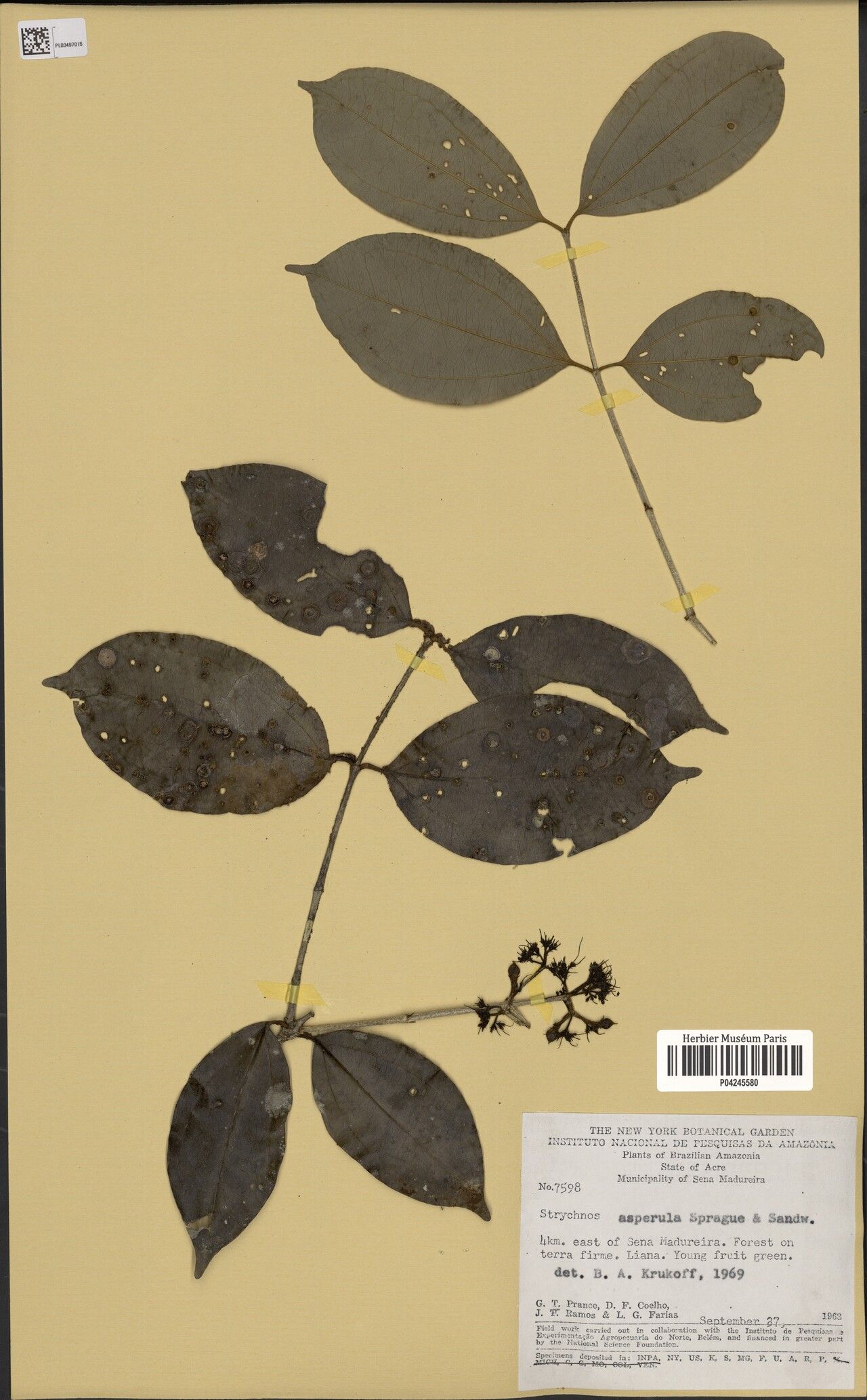
The leaves of Strychnos madagascariensis are simple, alternate, and ovate with an acute apex. They are dark green and have prominent veins on their undersides. The plant produces small, white or cream-colored tubular flowers that grow in clusters at the ends of branches.
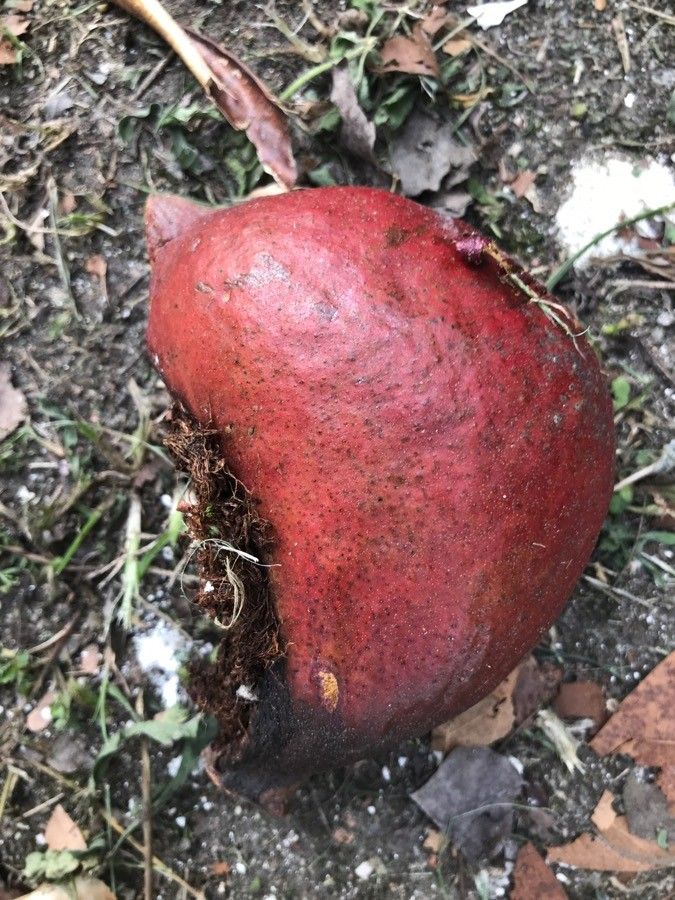
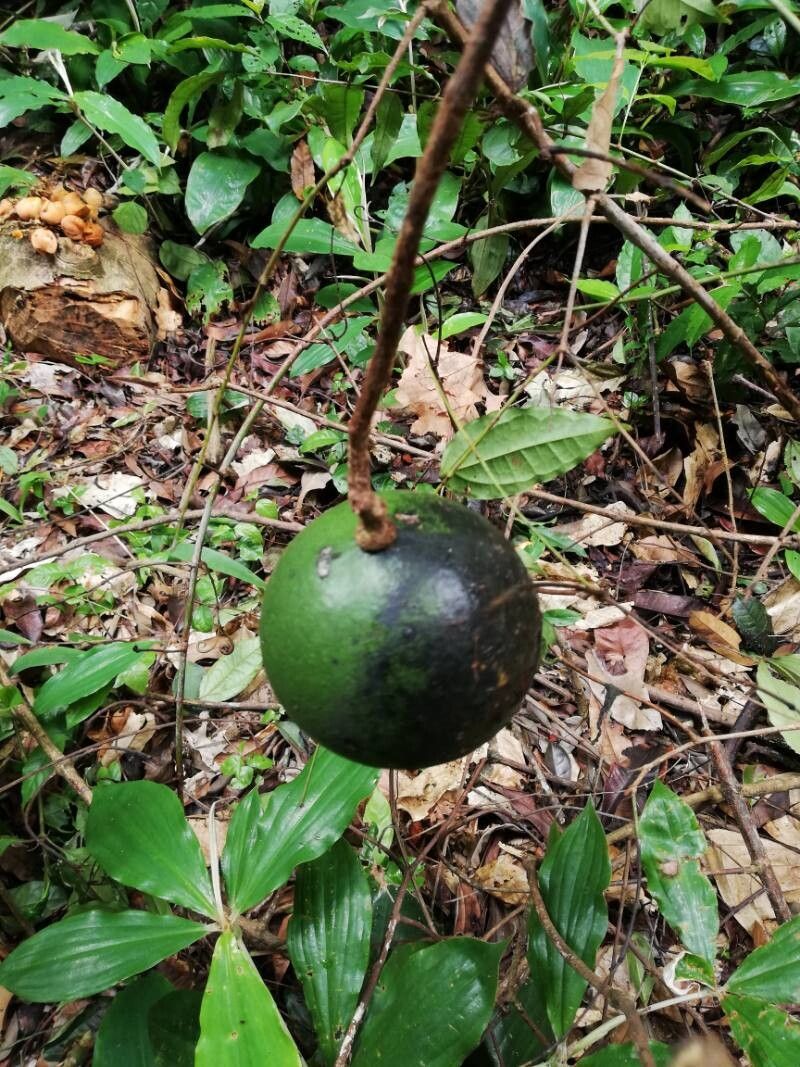
The fruit of Strychnos madagascariensis is a large, woody capsule containing numerous seeds embedded in pulp. These seeds are highly toxic due to the presence of strychnine alkaloids, posing a risk if ingested by humans or animals.
Despite its toxicity, Strychnos madagascariensis has been used for medicinal purposes by traditional healers for centuries, primarily for its analgesic properties. It has also been employed as an insecticide owing to its toxic nature.
In conclusion, Strychnos madagascariensis is an intriguing plant species with both medicinal properties and toxicity concerns due to its strychnine alkaloids. This dual nature makes it a subject of interest for further research into its potential uses, while also emphasizing the need for caution in handling it safely.
The Natal orange has good resistance to disease and is generally not susceptible to illnesses. Carewise, this plant is fairly low-maintenance. When grown outdoors it needs only minimal watering, and larger specimens usually do not require pruning. Smaller plants, however, should be pruned after they finish blooming. The Natal orange is suitable for anyone with outdoor space, such as a garden or deck, and does not demand extensive gardening experience.
How to keep Strychnos Madagascariensis.
Water
The hairy-leaved monkey-orange originates from arid regions and is highly drought-tolerant, thriving with minimal moisture. This plant prefers drier soil and only needs watering every 2-3 weeks. Naturally occurring in open woodlands and grasslands, the hairy-leaved monkey-orange is an excellent choice for xeriscaping and dry climate gardens, thanks to its efficient root system.
Humidity
This plant will thrive in moderate humidity, which is probably the level in your home. However, misting it a few times a week can be very beneficial. Make sure the room has good ventilation.
Temperature
The Natal orange comes from tropical areas where the climate is usually warm and humid. Consequently, it is adapted to high heat and humidity. It is sensitive to sudden temperature shifts and prefers a steady temperature, so avoiding indoor fluctuations is important. It generally does not tolerate cold and needs higher temperatures to grow. If the ambient temperature falls too low, the plant may stop growing or even die.
Fertilizer
Use organic fertilizers (for example, fish emulsion or compost) instead of chemical fertilizers for Natal orange. Supply higher amounts of nitrogen and phosphorus to young plants in spring. Incorporate compost or fertilizer into the soil before or after planting. For mature plants, apply a balanced fertilizer or one targeted to specific deficiencies in spring. Nutrient deficiency causes small leaves, short branches, yellow or bronze leaves, acidic fruits, premature fruit fall, and fruit splitting.
Botanical profile.
- Plant Type
- Shrub
- Life Cycle
- Perennial
- Genus
- Strychnos
- Family
- Loganiaceae
- Hardiness Zone
- 11
- Mature Height
- 0.91 m to 9.14 m
- Mature Spread
- 3.05 m to 4.88 m
- Leaf Color
- Green
- Leaf Type
- Evergreen
- Flower Color
- White
- Flower Size
- 0.51 cm
- Bloom Time
- Late spring, Early summer, Mid summer
- Planting Time
- Spring, Summer, Autumn, Winter
- Harvest Time
- Late summer, Fall
- Native Area
- Burkina Faso, Somalia, Angola, Namibia, Madagascar, Nigeria, Guinea-Bissau, Kenya, Uganda, Tanzania, Zimbabwe, Benin, Sierra Leone, Equatorial Guinea, Cameroon, Liberia, Mozambique, Ghana, Ethiopia, Botswana, Congo, Central African Republic, Malawi, South Africa, Zambia, Sudan, Guinea, Togo, Senegal, Eswatini, Côte d'Ivoire, Gambia, Congo (DRC), Gabon
Other names.