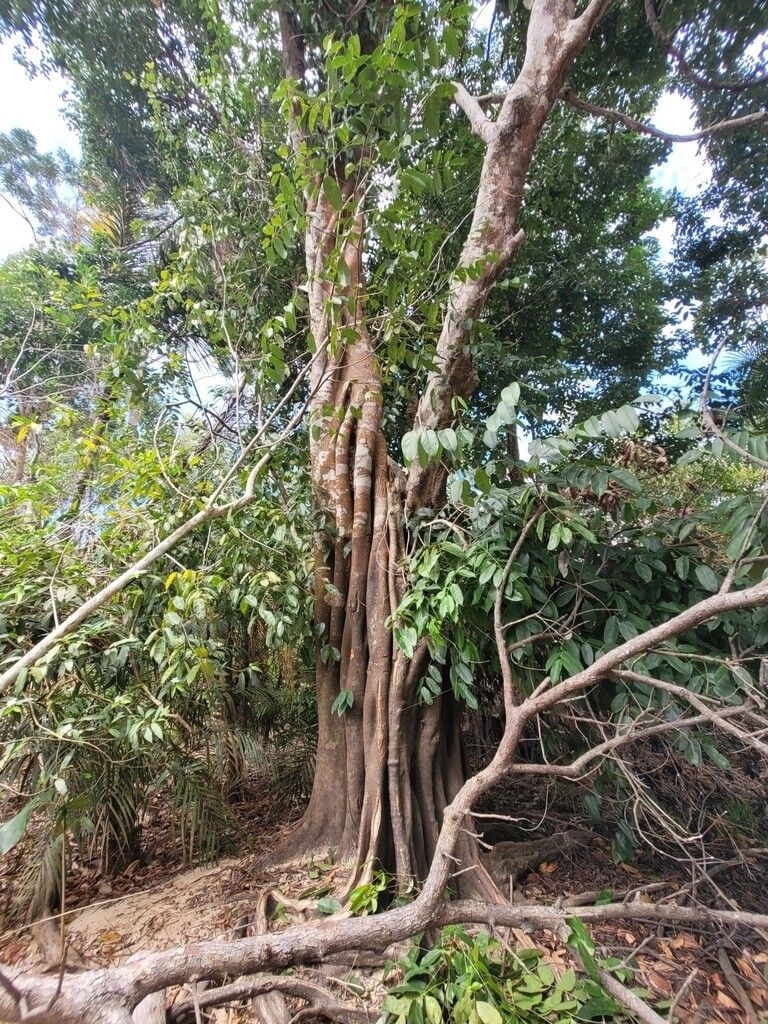
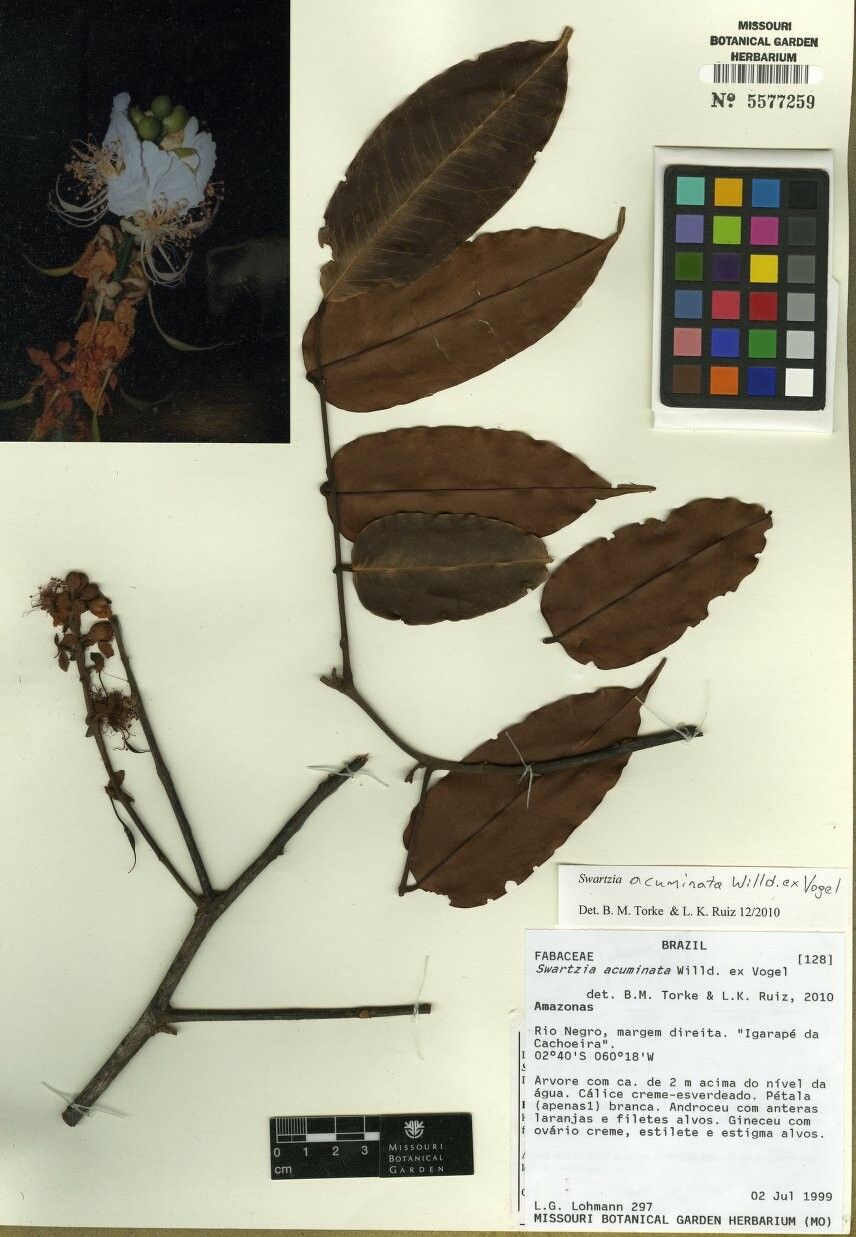
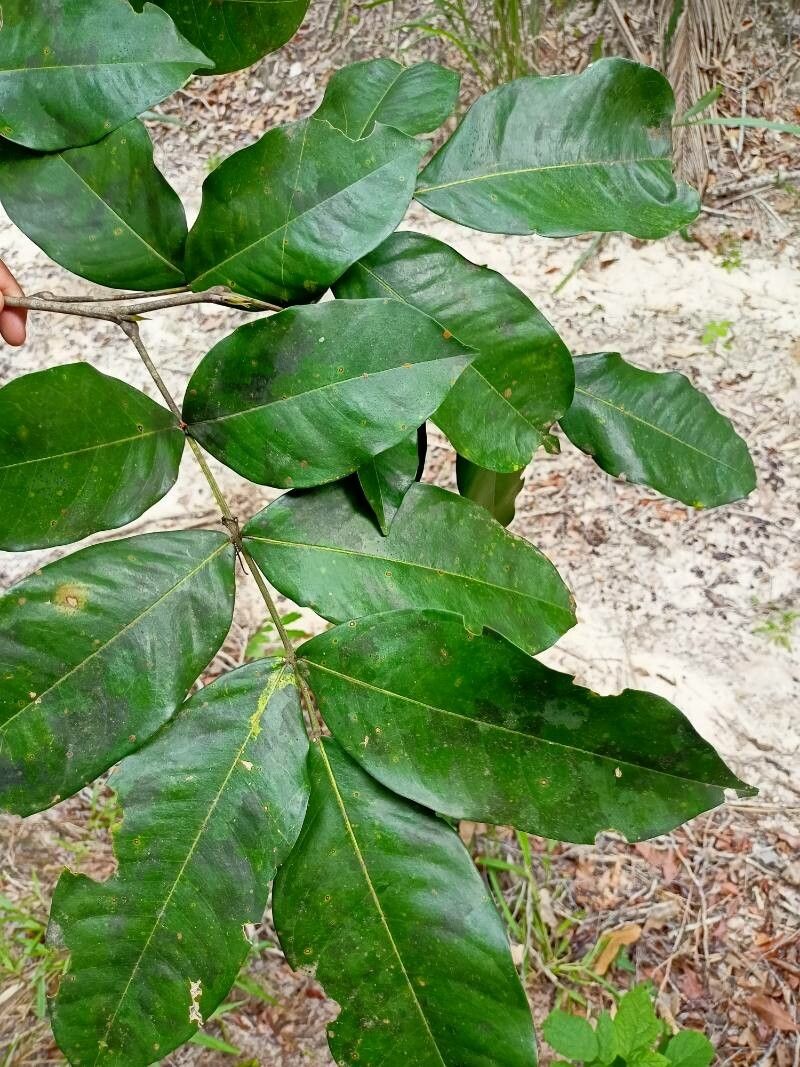
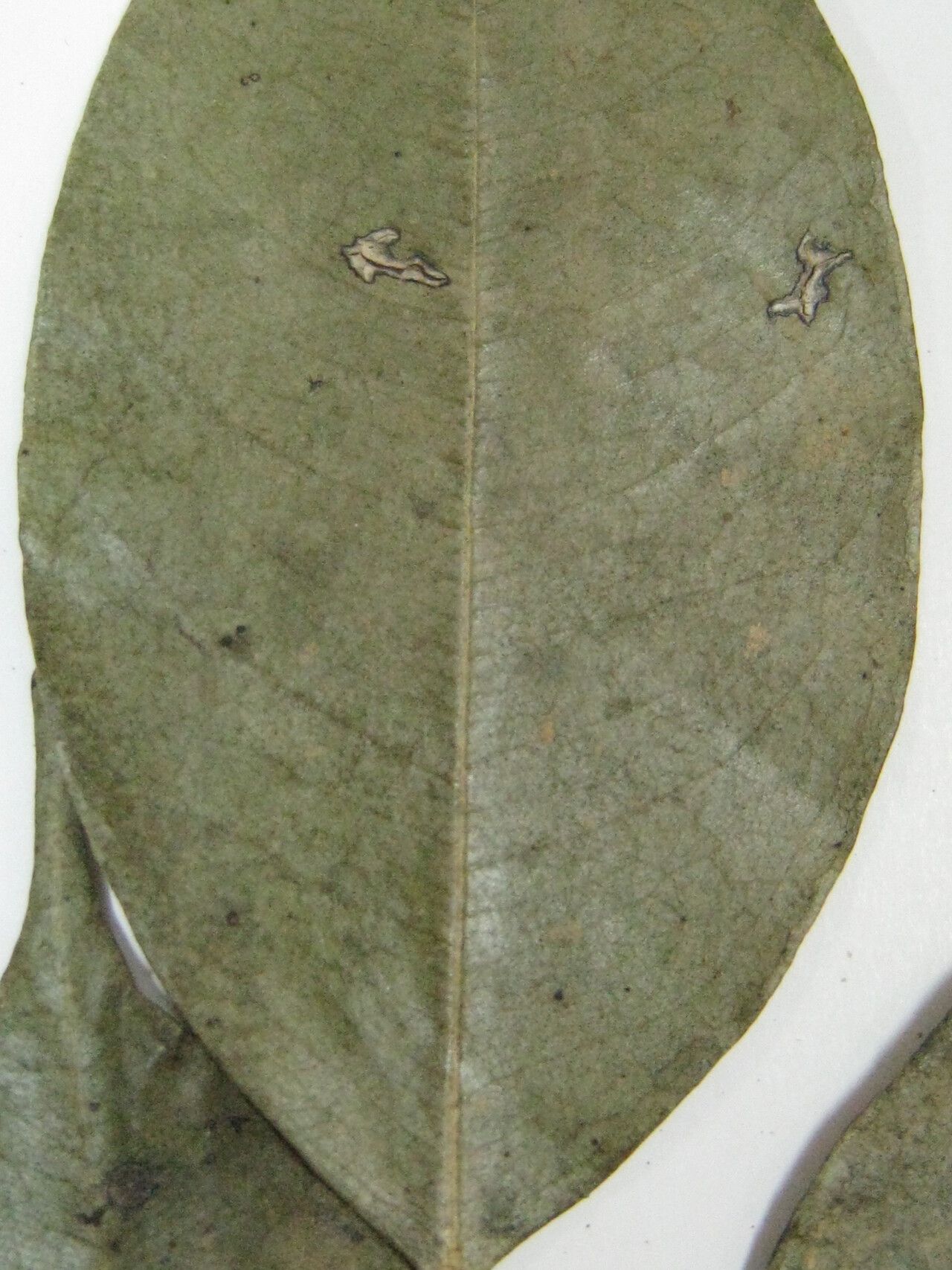
Cumaseba is resistant to disease and, overall, is not easily affected by illnesses. As for maintenance, this plant is fairly low-maintenance. When grown outdoors it needs only light watering, and larger plants usually do not require pruning. Smaller plants, however, should be pruned after they finish blooming. Cumasebat is well suited to anyone who has an outdoor area, like a garden or a deck, and it does not call for extensive care experience.
How to keep Swartzia Acuminata.
Light
Cumaseba is originally found in places like forest understories or rocky terrains, where it naturally gets shaded. It typically favours partial sunlight but is capable of adjusting to either full sunlight or complete shade, showcasing its adaptability and toughness.
Temperature
Cumaseba hails from the tropics, where it's usually hot and moist. Consequently, it thrives in high heat and damp conditions. It doesn't handle sudden changes in temperature well and needs a consistent climate, making it crucial to prevent swings in indoor temperature. It's typically intolerant to chilly conditions and needs warmer temperatures to grow. If the surrounding temperature goes too far down, the plant might stop growing or even perish.
Fertilizer
The care of Cumaseba highly depends on regular fertilization. Providing consistent nourishment during the period of growth aids in maintaining vitality for its vibrant leaves and assists with the plant's general development. If fertilization is ignored, it can lead to unhealthy foliage, reduced aesthetic value, and impaired or fragile growth that could easily break.
Botanical profile.
- Plant Type
- Tree
- Life Cycle
- Perennial
- Hardiness Zone
- 10-12
- Mature Height
- 14.94 m
- Mature Spread
- 10.06 m to 14.94 m
- Leaf Color
- Dark Green
- Leaf Type
- Semi-evergreen
- Flower Color
- White, Yellow
- Flower Size
- 1.02 cm to 2.03 cm
- Bloom Time
- Late spring, Summer
- Planting Time
- Spring, Summer
- Harvest Time
- Late summer, Fall
- Native Area
- Colombia, Venezuela, Peru, Guyana, Brazil, Ecuador