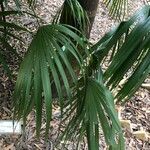
Syagrus romanzoffiana
Queen palm · Giriba palm
Description
Source: leafsnapSyagrus romanzoffiana, the queen palm or cocos palm, is a palm native to South America, introduced throughout the world as a popular ornamental garden tree. S. romanzoffiana is a medium-sized palm, quickly reaching maturity at a height of up to 15 m (49 ft) tall, with pinnate leaves having as many as 494 pinnae (leaflets), although more typically around 300, each pinna being around 50 centimetres (18 in) in length and 3–5 centimetres (1–2 in) in width.
💡 The Latin name of the queen palm pays homage to the renowned Russian Foreign Minister, Nikolay Rumyantsev, who is famous for financing the first Russian expedition to circumnavigate the globe. Interestingly, the queen palm thrives in tropical climates, which are quite different from the climate found in Russia.
🌳 The queen palm is surprising to many because of its range of uses. Its fruit pulp is popular with local wildlife as food and also helps spread the seeds. The seeds also contain oil suitable for producing biodiesel, which could help reduce dependence on conventional fuels. Additionally, the strong wood of the queen palm can be made into durable furniture and other wooden items, integrating the queen palm into everyday life through practical uses.
Care Guide
💧 Water Every 1-2 weeks
The Queen Palm, native to the tropical regions of South America, thrives in environments with high humidity and regular rainfall. It has moderate drought tolerance, but it prefers consistent moisture. Water the tree every 1 to 2 weeks. When grown outdoors, the Queen Palm does best in full sun. Applying mulch around the tree can help retain soil moisture, especially in hot or dry conditions.
How should I water my Queen palm tree in the best way?
When you keep your Queen palm indoors, the best way to water it is by watering the top layer of soil in the container. It's recommended to use rainwater or distilled water at room temperature. To check if the plant needs water, poke your finger into the soil. If the top few inches of soil are dry, add enough water to moisten those layers and allow excess water to drain through the bottom of the container. It's better to underwater the Queen palm to avoid overwatering, which can lead to fatal complications like root rot. If you're growing the Queen palm outdoors, rainfall alone may provide sufficient water. However, if it rains less than once per week during the growing season, you may need to supplement the moisture by watering the soil. Again, rainwater or distilled water is the best choice for both indoor and outdoor growth.
What should I do if I give my Queen palm too much or too little water?
Here are some signs that indicate plants are not getting enough water: brown tips on the plant, wilted and drooping leaves that appear lifeless, and the potential for leaves to turn brown, crispy, and dry out severely. If you notice these signs, water the plant as soon as possible. Alternatively, overwatering can lead to root rot. If this occurs, remove any damaged roots from the soil, especially if they are mushy, fragile, and black. It is important to remove a larger part of the root to address the issue. Overwatering can also cause leaves to turn brown and fall off early. To help the plant recover, drain excess water and wait for the soil to dry before watering again. If you notice signs of root rot, discard the soil in the pot. Clean everything thoroughly and place pebbles in the pot to improve drainage. If you observe tan rings or reddish-brown spots on the leaves, discard any excess water at the base of the pot. Additionally, ensure the plant is in a well-ventilated location to promote faster soil drying and prevent future rotting.
What should I do if I give too much or too little water to my Queen palm tree?
When watering the Queen palm, the main issue to be cautious of is overwatering. There are several clear signs that will indicate when this problem occurs. If the Queen palm receives too much water, its leaves will turn brown and droop. The stems of the plant may also become mushy and produce a foul odor. Overwatering can also lead to root rot, which can be fatal if not addressed. If you notice the signs of overwatering early enough, you can try reducing the watering rate or adding sand to improve soil drainage. In more severe cases, you may need to remove the Queen palm from its container and repot it with any rotten roots removed. If your Queen palm is consistently receiving too much water outdoors, consider transplanting it to a different location with looser soils. On the other hand, if the Queen palm is underwatered, you will also see drooping leaves, but they are more likely to be yellow instead of brown. Additionally, underwatered Queen palms will have slower growth. In this case, you should increase the frequency of watering.
How often do I need to water my Queen palm tree?
Watering your Queen palm once a week is generally recommended during the growing season, which occurs in spring, summer, and early fall. However, the specific conditions in your environment may affect how quickly the soil in your plant's container dries out. To determine the appropriate watering frequency, it's important to monitor the soil for moisture instead of strictly adhering to a weekly watering schedule. This means you may need to water more frequently or less often, depending on the soil's moisture level, which can range from multiple times per week to once every ten days. If you're growing the Queen palm outdoors, the same guidelines apply, but rainfall can also impact your watering schedule. For instance, if your area receives around an inch of rainfall in a week, you should forgo additional watering to avoid overwatering. Additionally, during the winter when the plant's growth slows down, it's necessary to reduce the watering frequency. At this time, it's best to allow the soil to dry out more between waterings. Typically, this means watering your Queen palm once every other week or once every three to four weeks.
What's the best way to water my Queen palm if I keep it inside?
Most gardeners grow Queen palm indoors, but they may need to make adjustments to create the right environment. The main issue is that indoor locations are typically less humid than what the Queen palm prefers. The quickest fix is to use a humidifier in the room where the plant is kept. Another option is to place the plant in a bathroom, as they tend to be more humid, as long as there is still enough light. It is important to monitor how air conditioners and heating units affect the soil moisture, as they can cause it to dry out faster. This means you might need to water the plant more frequently than usual. If you want to grow your Queen palm outdoors, make sure your region provides the necessary warmth and humidity. Also, consider the natural rainfall, as weekly rain may be enough for your Queen palm to survive.
☀️ Light Full sun
Queen palm prefers abundant light for optimal healthy growth. Its native habitat, while not tied to a particular region, gives it substantial light exposure. A lack of light can slow its development, whereas excessive exposure may be damaging. The amount of light it needs can change at different stages of growth.
What are the sunlight requirements for a Queen Palm?
The Queen Palm thrives best in full sun conditions, which means it requires more than 6 hours of sunlight a day. However, it can also tolerate partial sun, receiving about 3-6 hours of sunlight daily. It's essential to watch how sunlight moves through your garden to find the ideal spots that offer a balance of light and shade, ensuring your Queen Palm's happiness.
Why is light important for the growth of Queen Palms?
Light is crucial for the healthy growth of Queen Palms as these plants have a natural affinity for abundant light exposure, mirroring their origin habitat's conditions. Insufficient light can hinder their growth, while too much direct light may cause damage. During different growth stages, the plant's light requirements may vary. If natural sunlight is lacking, especially in winter or less sunny spaces, utilizing artificial lighting can be an effective solution to promote healthier, faster growth.
How can artificial lighting assist in the growth of indoor Queen Palms?
Artificial lighting can significantly aid in the growth of indoor Queen Palms when natural sunlight is insufficient. LED lights are popular for indoor plant lighting as they can provide specific light wavelengths needed by plants. Full sun plants require 30-50W/sq ft, partial sun plants 20-30W/sq ft, and full shade plants 10-20W/sq ft of artificial light. The light source should be placed 12-36 inches above the plant to mimic natural sunlight conditions, and most plants will need 8-12 hours of light per day.
What are the symptoms of light deficiency in Queen Palms?
Symptoms of light deficiency in Queen Palms include lighter-colored new leaves, indicating a lack of chlorophyll and essential nutrients. The plant may also show signs of slower or no new growth, faster leaf drop, and chlorosis, where leaves lose their green color and turn yellow. Other adverse effects of inappropriate light conditions include sunscald, leaf curling, wilting, and leaf scorching.
What solutions can help improve the light conditions for Queen Palms?
To improve light conditions for Queen Palms, indoor plants should be gradually moved to sunnier locations until they receive at least 6 hours of direct sunlight daily. Utilizing a south-facing window or providing additional artificial light can be beneficial. For outdoor plants, it's important to gradually move them to the best sunlight spot, avoiding sudden changes in light intensity. Pruning trees and transplanting smaller plants to sunnier locations can also help reduce obstructions to sunlight. It's crucial to note that parts of the plant that have been affected by insufficient light may not recover, but new growth will be healthy following these adjustments.
🌡️ Temperature 20–41.1°C
The queen palm originates from warm regions and prefers temperatures of 68 to 105 ℉ (20 to 41 ℃). It can withstand brief exposure to temperatures as low as 28 to 30 ℉ (-2 to -1 ℃) but is not frost-tolerant. In winter, it's recommended to keep the plant in a warm spot, such as indoors or in a greenhouse.
What is the ideal temperature range for a Queen palm?
The Queen palm thrives in warm climates, favoring temperatures between 68 to 105°F (20 to 41°C). It has a tolerance for brief exposures to lower temperatures, specifically 28 to 30°F (-2 to -1°C), but lacks frost tolerance. To ensure its health during colder months, it is advisable to relocate the plant to a warmer setting, such as indoors or a greenhouse, to prevent any damage from cold temperatures.
How does cold weather affect Queen palms, and what should you do?
Queen palms prefer warmth and struggle in low temperatures, especially when temperatures drop below 20°C. During the winter, it's crucial to keep them in environments above 5°C to avoid damage. Exposure to temperatures below 1°C can lead to symptoms like lighter leaf color, which eventually turns brown or black as frost damage progresses, accompanied by wilting and drooping. To manage frost damage, trim off the affected parts and move the plant to a warm indoor location away from cold drafts, preferably near a south-facing window to ensure ample sunshine, while avoiding too close a proximity to heaters or air conditioning vents to prevent air dryness.
What measures should be taken for a Queen palm during hot weather?
To protect a Queen palm during hot weather, particularly when temperatures soar above 41°C, it is important to keep it shaded from intense midday and afternoon sunlight to prevent overheating and potential sunburn, as indicated by a lightening of leaf color and increased susceptibility to damage. Strategies include trimming away sunburned portions, relocating the plant to a shaded area, and ensuring the soil remains moist with watering routines adjusted to mornings and evenings.
💨 Humidity
🪴 Soil 6-7
🌱 Fertilizer
Fertilize your Queen palm in early spring to encourage healthy growth. Regular feeding boosts overall health, producing vigorous growth, increased tolerance of harsh conditions, and enhanced resistance to diseases and pests. Maintain a specific fertilization schedule for your Queen palm to keep the foliage vibrant, richly colored, and lush.
Why do I have to put fertilizer on my Queen palm?
No matter the type of Queen palm you have, regular fertilization is key for its overall health. Providing the right nutrients promotes stronger growth and helps the palm handle difficult conditions as well as fend off diseases and pests. Keeping its foliage intact is important as it adds to the palm's attractiveness. Achieving this requires following a consistent fertilization schedule tailored to your Queen palm. By doing so, you encourage the development of vibrant, lush leaves with a deep color.
When should I put fertilizer on my Queen palm?
To keep your Queen palm healthy and promote growth, you should fertilize it twice a year. The first fertilization should be done in late winter or early spring to provide the necessary nutrients for the upcoming warm season. If you are in a warm climate region, it is also beneficial to fertilize again in early fall. This additional feeding not only adds nutrients for the following growing season but also helps the palm withstand the cold of winter without damaging its foliage. Fertilizing earlier in the fall ensures that the new branches have enough time to grow and be resilient to cold temperatures.
When is it not a good idea to add fertilizer to my Queen palm?
There are specific times when it is best not to fertilize your Queen palm. The first is during the early and mid-winter months when the palm is dormant and does not require feeding. Fertilizing during this time is unnecessary. It is also not recommended to fertilize the palm during late spring and summer. These seasons tend to have hotter and drier weather, which can negatively affect the palm if fertilized. To avoid any issues, it is advisable to stick to a fertilization schedule that involves feeding only in early spring and early fall.
What kind of fertilizer should I use for my Queen palm?
The most important nutrient for a Queen palm is usually nitrogen, but phosphorus and potassium are still important. Your Queen palm will likely benefit from all three main nutrients, so a balanced fertilizer like 10-10-10 can be effective. However, a more specific ratio of nutrients can promote even better growth. Higher nitrogen fertilizers, like a 10-6-4 ratio, often work well. Granular or liquid-based fertilizers can both be used for this purpose.
How should I fertilize my Queen palm?
To fertilize your Queen palm, you have two options: using granular fertilizer or liquid fertilizer. If you choose granular fertilizer, simply sprinkle it onto the soil at the right time. The slow-release nature of granular fertilizer will gradually nourish the soil over time. Before applying the fertilizer, it's recommended to water your Queen palm lightly. Alternatively, you can use liquid fertilizer, although this is less common. To do so, mix the fertilizer with water and pour it onto the soil around the base of your Queen palm. Sometimes, it's helpful to perform a soil test beforehand to check if any adjustments to the soil's pH are needed.
🪴 Pot & Repot 1-2 years
When repotting a Queen palm, choose a pot slightly larger that provides excellent drainage. Use a well-draining potting mix. Repot in spring, taking care not to harm the roots during the process. Place the palm at the same level it was in the old pot. Water thoroughly after repotting, and keep it in a warm spot with bright, indirect sunlight. Avoid overwatering to prevent root rot.
✂️ Pruning
The Queen Palm is known for its arching fronds and slender trunk. To maintain the tree's health and appearance, prune any dead fronds in early spring. This practice improves air circulation and helps prevent disease. When pruning, be sure to use sharp, clean tools and wear protective gear to reduce the risk of infections.
🌿 Propagating
🐛 Diseases & pets
☠️ Toxicity
Characteristics
- Plant Type
- Palm
- Life Cycle
- Perennial
- Genus
- Syagrus
- Family
- Arecaceae
- Hardiness Zone
- 10-13
- Mature Height
- 10.06 m to 14.94 m
- Mature Spread
- 6.1 m to 9.14 m
- Leaf Color
- Green
- Leaf Type
- Evergreen
- Flower Color
- Yellow
- Flower Size
- 0.51 cm to 0.51 cm
- Bloom Time
- Mid summer
- Planting Time
- Spring, Autumn
- Harvest Time
- Early spring, Mid spring, Late summer, Fall, Winter
- Native Area
- Brazil