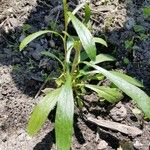
Symphyotrichum oblongifolium
Aromatic aster · Oblong-leaf aster · Shalebarren aster · Oblong-leaved aster
Description
Source: leafsnapSymphyotrichum oblongifolium (formerly Aster oblongifolius), commonly known as aromatic aster or oblong-leaved aster, is a species of flowering plant in the family Asteraceae and is native to parts of the eastern and central United States. It is an uncommon herbaceous perennial that reaches heights of 10–80 centimeters (4–31 inches) and blooms August–November with many flower heads in various shades of purple.
🌳 Aromatic aster is notable as a late-season food source for pollinators. While many flowers die back at summer's end, aromatic aster keeps blooming vigorously into the autumn months. This delivers a vital and often limited food supply for bees, butterflies, and other pollinating insects getting ready for winter. Additionally, its aromatic qualities make it a potential candidate for essential oil production, a possibility that remains untapped.
🎭 Fidelity, insight, recollection
Care Guide
💧 Water Every week
The aromatic aster thrives in prairie habitats, showing resilience to drought despite preferring consistent moisture. To keep it healthy, it should be watered weekly. However, during dormancy, its water needs decrease significantly, which helps conserve resources in varying climates.
☀️ Light Full sun
Aromatic aster needs a large amount of light exposure for healthy growth, similar to conditions in its native environment. While it can adjust to moderate light, it grows best with substantial illumination. Insufficient light may cause weak growth, whereas excessive light is generally tolerated.
What are the sunlight requirements for aromatic aster?
Aromatic aster requires significant light exposure to thrive, ideally resembling its native environment conditions. It needs full sun, defined as above 6 hours of sunlight a day, or partial sun, about 3-6 hours of sunlight a day. Insufficient light may lead to weaker growth, although the plant generally tolerates excessive light well. It's important to observe how sunlight moves through your garden to ensure the spots chosen provide a balance of light and shade, ensuring the plants' happiness.
How can artificial lighting benefit indoor plants like aromatic aster?
Indoor aromatic aster plants require adequate lighting for optimal growth, especially when natural sunlight is insufficient, such as during winter or in less sunny spaces. Artificial lights, like LED, offer a vital solution by promoting faster, healthier growth. For full sun plants, 30-50W/sq ft of artificial light is needed; partial sun plants need 20-30W/sq ft, and full shade plants need 10-20W/sq ft. The light source should be placed 12-36 inches above the plant, mimicking natural sunlight, and most plants need 8-12 hours of light per day.
What symptoms indicate light deficiency or excessive light exposure in aromatic aster?
Symptoms of light deficiency in aromatic aster include smaller new leaves, leggy or sparse growth, faster leaf drop, slower or no new growth, and lighter-colored new leaves. Excessive sunlight can cause chlorosis (leaves turning yellow), sunscald (damaged leaves from intense light), leaf curling (as a defense mechanism to reduce water loss), wilting (due to increased water loss), and leaf scorching (brown, dry edges on leaves). These symptoms help in identifying whether the plant is receiving too little or too much sunlight.
How can I address sunlight-related issues with my aromatic aster?
To address insufficient sunlight, gradually move your aromatic aster to a sunnier location each week, aiming for at least 6 hours of direct sunlight daily. Use a south-facing window and open curtains during the day for indoor plants or consider artificial lighting if the plant is large or not easily movable. For outdoor plants, avoid sudden light intensity changes to prevent sunburn. If light is obstructed, prune obstructions or transplant smaller plants during their dormant period to a sunnier location with good drainage. Remember, parts of the plant damaged by insufficient sunlight may not recover, but new growth should be healthy after adjusting light exposure.
🌡️ Temperature 5–35°C
The aromatic aster does well in moderate temperatures of 41 to 95 ℉ (5 to 35 ℃), which mirror its native growing conditions. To preserve the plant's optimal temperature, adjustments are necessary during extreme seasonal shifts. In hotter months, provide shade or a cooler location. In colder months, supply warmth and shelter to keep it healthy.
What is the optimal temperature range for Aromatic aster?
The Aromatic aster, or Symphyotrichum oblongifolium, thrives in moderate temperature environments, ranging between 41 to 95 ℉ (5 to 35 ℃). This range simulates its native growth environment, ensuring its health and vitality. To maintain optimal temperatures for the plant, adjustments are necessary during extreme seasonal fluctuations. During the hotter months, providing shade or relocating the plant to a cooler environment is beneficial. In contrast, in colder months, it's crucial to offer warmth and shelter to keep the plant healthy. Although the Aromatic aster has strong cold resistance and usually doesn't require special frost protection measures, if winter temperatures are expected to drop below -30℃, it's important to protect the plant by covering it with soil or straw and water it abundantly before the first freeze to ensure the soil remains moist throughout the winter.
How should I care for Aromatic aster in low temperatures?
Aromatic aster is cold-tolerant, thriving best when temperatures remain above 5℃ and typically kept above -25℃ during winter. However, if temperatures fall below -30℃, there might not be noticeable changes during the winter, but a decrease in sprouting or a complete lack of sprouting could occur in spring. In anticipation of or after experiencing such low temperatures, it is recommended to remove any parts of the Aromatic aster that have failed to sprout come spring. This step is crucial for revitalizing the plant and encouraging new growth.
How do I manage high temperature conditions for Aromatic aster?
During the summer, it's important to ensure that the temperature surrounding Aromatic aster does not exceed 35℃. If temperatures rise above 38℃, the plant's leaves may lighten in color, become prone to curling, suffer from sunburn, and, in severe cases, the entire plant may wilt and dry. To mitigate these issues, trim away any sunburned and dried-up parts of the plant. Relocating the plant to a spot that provides ample shade during the midday and afternoon sun, or utilizing a shade cloth, can offer necessary relief. Additionally, watering the plant in the morning and evening helps keep the soil moist, further protecting it from the adverse effects of high temperatures.
💨 Humidity
🪴 Soil 6-7
🌱 Fertilizer
Usually a single fertilizer application in spring suffices for Aromatic aster, although repeated feedings can maximize growth. Apply fertilizer roughly every month to month and a half. Fertilization improves the leaves’ appearance and function, maintaining consistent color and a healthy texture. It also promotes root development and nutrient uptake for long-term plant health.
🪴 Pot & Repot 2-3 years
When repotting Aromatic aster, select a container 1–2 inches (2.5–5.1 cm) larger that provides good drainage. Use a well-draining potting mix. Repot in spring or fall, making sure the root ball sits slightly below the rim of the flower pot. Water thoroughly after repotting and place in a warm spot with indirect sunlight.
✂️ Pruning
The aromatic aster showcases vibrant, fragrant foliage and flowers during the fall season. For best results, prune these plants from early to late spring to encourage bushiness and remove any old stems. Deadhead the spent blooms to prolong the flowering period. Regular pruning helps maintain a compact shape and encourages healthy growth, both of which are key to the aromatic aster's longevity and visual appeal.
🌿 Propagating
🐛 Diseases & pets
☠️ Toxicity
Characteristics
- Plant Type
- Herb
- Life Cycle
- Perennial
- Genus
- Symphyotrichum
- Family
- Asteraceae
- Hardiness Zone
- 4-9
- Mature Height
- 30 cm to 91 cm
- Mature Spread
- 30 cm to 46 cm
- Leaf Color
- Green
- Leaf Type
- Semi-evergreen
- Flower Color
- Lavender, Purple
- Flower Size
- 2.54 cm to 7.62 cm
- Bloom Time
- Mid summer, Late summer, Early fall
- Planting Time
- Spring
- Harvest Time
- Fall
- Native Area
- Mexico