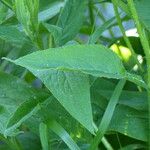
Symphytum officinale
Common Comfrey · Comfrey · Tătăneasă · Healingherb · Slippery-root
Description
Source: leafsnapSymphytum officinale is a perennial flowering plant in the family Boraginaceae. Along with thirty four other species of Symphytum, it is known as comfrey. To differentiate it from other members of the genus Symphytum, this species is known as common comfrey or true comfrey. Other English names include Quaker comfrey, cultivated comfrey, boneset, knitbone, consound, and slippery-root. It is native to Europe, growing in damp, grassy places. It is locally frequent throughout Ireland and Britain on river banks and ditches. It occurs elsewhere, including North America, as an introduced species and sometimes a weed. The flowers are mostly visited by bumblebees. Internal or long-term topical use of comfrey is discouraged due to its strong potential to cause liver toxicity.
🌳 Common comfrey is recognized for its role as a dynamic accumulator because its deep roots extract soil nutrients and make them available to other plants. This trait lets it serve as an excellent organic fertilizer and soil conditioner, a notable feature for sustainable agriculture and organic farming.
🎭 Safety while traveling, Money
Care Guide
💧 Water Every week
Common comfrey thrives in moist, temperate climates and benefits from regular watering, ideally once a week. As an herbaceous perennial, it can withstand short dry spells thanks to its water-retaining leaves, which also help it flourish during the rainy season.
How should I water my Common comfrey plant?
To properly water the Common comfrey, it is recommended to use filtered water at room temperature. Tap water may contain harmful particles that can affect the plant's health. Since the Common comfrey is accustomed to warm environments, it is important to avoid using cold water, as it may shock the plant. It is also advised not to water the plant from above, as this can cause leaf-related issues. Instead, gently apply the filtered room temperature water directly to the soil until it is completely saturated. This method of watering is beneficial for the plant because it provides moisture to the roots and helps them absorb necessary nutrients from the soil.
What's the difference between watering my Common comfrey inside and outside?
Common comfrey is most commonly grown indoors by gardeners who live in regions that are not temperate or tropical. However, it's important to keep in mind that the soil in a container may dry out faster than ground soil. Additionally, if you have drying elements like air conditioning units, your Common comfrey might need more frequent watering compared to if it was planted outside. When growing it outside and receiving regular rainfall, you may not need to water your Common comfrey as much. On the other hand, if you are growing this plant indoors, you will need to water it more often since you can't rely on rainwater to soak the soil.
☀️ Light Full sun
Common comfrey performs best in full sun, taking in abundant light for optimal growth. It also tolerates locations with moderate sunlight, a trait resulting from its native habitats where it developed under varying light conditions. Excessive exposure can stunt growth, whereas limited light leads to slower growth.
What are the sunlight requirements for growing common comfrey?
Common comfrey, or Symphytum officinale, requires specific sunlight conditions to thrive. It performs best under full sun exposure, receiving more than 6 hours of sunlight daily, but it can also tolerate partial sun, with about 3-6 hours of sunlight. The plant's growth can vary depending on the amount of sunlight it receives; too much direct sunlight may hinder its growth, while insufficient light leads to slower growth rates. Observing your garden's sunlight patterns and positioning your plants accordingly can ensure they receive the ideal balance of light and shade.
Can common comfrey grow with artificial lighting?
Yes, common comfrey can grow under artificial lighting, which is especially useful when natural sunlight is not adequate, such as during winter months or in less sunny indoor locations. For optimal growth, it's essential to select the appropriate type and intensity of artificial light. LED lights are recommended due to their ability to provide customized light wavelengths needed by plants. Full sun plants typically require 30-50W/sq ft of artificial light, partial sun plants need 20-30W/sq ft, and full shade plants should have 10-20W/sq ft. The lights should be positioned 12-36 inches above the plant to mimic natural sunlight conditions and should remain on for about 8-12 hours per day to simulate the length of natural daylight hours.
What are the symptoms of inadequate lighting in common comfrey?
Common comfrey exhibits several symptoms when experiencing inadequate lighting, including smaller new leaves, leggy or sparse growth, faster leaf drop, slower or no new growth, and lighter-colored new leaves. These symptoms indicate that the plant is not receiving enough sunlight to maintain healthy growth and development. Conditions such as chlorosis, sunscald, leaf curling, wilting, and leaf scorching can also occur, either as a result of excessive sunlight or as part of the plant's efforts to adapt to poor lighting conditions. Thus, monitoring and adjusting the plant's exposure to light is crucial for its health.
How can I improve light conditions for common comfrey?
Improving light conditions for common comfrey involves several strategies whether growing the plant indoors, outdoors, or in the ground. Indoors, you can gradually move the plant to sunnier spots, aiming for at least 6 hours of direct sunlight daily, and use artificial lighting, such as desk or ceiling lamps, to provide additional light. Outdoors, it's important to gradually increase light exposure to prevent sunburn, moving the plant to sunnier locations each week. When dealing with obstructions like trees that block sunlight, consider pruning or transplanting smaller plants to sunnier areas. Remember, while it's possible to revive a plant with increased light exposure, parts that were previously affected might not recover, but new growth should be healthy.
🌡️ Temperature 5–35°C
In its natural habitat, common comfrey grows in temperate areas that have mild summers and cold winters. It does best in temperatures from 41 to 95 ℉ (5 to 35 ℃), so it is most at ease in cooler conditions. In the coldest months it can tolerate temperatures down to 23 ℉ (-5 ℃) by entering dormancy and conserving energy for spring. In hot weather it may require extra shade to avoid heat stress.
What is the native environment of common comfrey?
Common comfrey, scientifically known as Symphytum officinale, is native to temperate regions that experience mild summers and cold winters. It thrives in temperatures ranging between 41 to 95 °F (5 to 35 °C), preferring cool weather conditions. It has the ability to adapt to colder climates, down to as low as 23 °F (-5 °C) by entering a dormant state and conserving energy for the upcoming spring. In regions with warmer weather, common comfrey may require additional shade to mitigate heat stress. Due to its strong resistance to cold, it generally doesn't need special frost protection measures. However, if temperatures are expected to fall below the plant's growth limit, providing cover with materials like soil or straw can be beneficial. It's advisable to water the plant abundantly before the first freeze in autumn to keep the soil moist, which helps prevent drought and water scarcity during the winter and early spring.
How does common comfrey react to low temperatures?
Common comfrey is highly tolerant of cold and performs best when temperatures are kept above its minimum suitable growth threshold. During winter, it's important to maintain temperatures above its minimum tolerable growth limit to prevent damage. If temperatures drop below the plant's growth limit temperature, there might not be immediate visible changes, but you might notice a decrease in new sprouts or even no sprouting at all when spring arrives. To manage this, in spring, it's recommended to remove any parts of the plant that have failed to sprout, facilitating healthier growth.
How should common comfrey be cared for in high temperatures?
In the summer months, common comfrey should be kept below its maximum suitable growth temperature to avoid heat stress. If temperatures rise above its maximum tolerable growth threshold, the plant's leaves may start to show signs of distress, such as a lighter color, curling edges, susceptibility to sunburn, and, in severe cases, the plant might wilt and dry out entirely. To mitigate these effects, it's advised to trim away the sunburned and dried parts of the plant. Relocating the plant to a spot with shade during the midday and afternoon sun, or using a shade cloth, can help protect it from excessive heat. Additionally, watering the plant in the morning and evening will help keep the soil consistently moist, further aiding in its health and growth during high temperatures.
💨 Humidity normal (40-60%)
This plant will thrive in moderate humidity, which is probably the level in your home. However, misting it a few times a week can be very beneficial. Make sure the room has good ventilation.
🪴 Soil 6-7
🌱 Fertilizer
One fertilizer application in spring is generally enough for Common comfrey, though repeated feedings can boost growth. Apply fertilizer every month to month and a half. Fertilizing improves the leaves’ appearance and function, helping maintain even color and a healthy texture. It also encourages root development and nutrient uptake, supporting the plant’s long-term health.
🪴 Pot & Repot Every 12 months
Repot Common comfrey in early spring. Choose a pot that is wider than it is deep and provides good drainage. Use a loamy, well-draining potting mix improved with compost. Gently remove old soil from the bulb and plant it at a depth equal to the bulb’s height. Water thoroughly after repotting and place in a sunny location. Avoid overwatering to prevent bulb rot.
✂️ Pruning
Common comfrey is characterized by its large green leaves and small purple flowers. To maintain its health and appearance, prune the plant from early to late spring. This involves removing any dead foliage and trimming the flower stems once they have bloomed. Such care promotes growth, improves air circulation, and helps prevent diseases. Be sure to use clean, sharp tools to minimize stress on the plant.
🌿 Propagating
🐛 Diseases & pets
☠️ Toxicity
Characteristics
- Plant Type
- Herb
- Life Cycle
- Perennial
- Genus
- Symphytum
- Family
- Boraginaceae
- Hardiness Zone
- 4-9
- Mature Height
- 30 cm to 91 cm
- Mature Spread
- 25 cm to 76 cm
- Leaf Color
- Green
- Leaf Type
- Deciduous
- Flower Color
- White, Pink, Purple
- Flower Size
- 1.27 cm
- Bloom Time
- Late spring, Early summer, Mid summer
- Planting Time
- Spring, Winter
- Harvest Time
- Early summer, Mid summer
- Native Area
- Turkey, Austria, Slovakia, Montenegro, Croatia, Slovenia, Belarus, Uzbekistan, Russia, Germany, Estonia, Romania, Latvia, Belgium, Netherlands, France, Tajikistan, Czech Republic, Bulgaria, Poland, Ukraine, Serbia, China, Lithuania, Italy, Kazakhstan, Spain, Switzerland, Albania, United Kingdom, Hungary, Turkmenistan