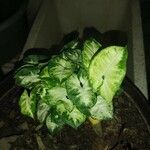
Syngonium podophyllum
سنگنیوم سبز · رجل البطة ( goose-foot ) · Arrowhead vine · Nephthytis · White Butterfly
Description
Source: leafsnapSyngonium podophyllum, often referred to as the arrowhead plant or goosefoot plant, is a well-loved houseplant from the Araceae family. Native to the tropical rainforests of Central and South America, this plant has charmed indoor gardeners with its striking foliage and ease of care. The arrowhead plant features heart-shaped leaves that are generally green with white or silver variegation. As the plant matures, the leaves often transition from an arrowhead shape to a more elongated form. Its thin, vine-like stems make Syngonium podophyllum an excellent choice for both trailing and climbing houseplant displays. This tropical beauty thrives in bright, indirect light but can also tolerate low-light conditions, making it ideal for indoor spaces with limited natural light. It prefers well-drained soil that remains moist but not waterlogged. Propagation of Syngonium podophyllum is simple: stem cuttings root easily in either water or soil. The plant also benefits from occasional pruning, which helps maintain its bushy appearance. Beyond its aesthetic appeal, Syngonium podophyllum has air-purifying properties, effectively removing harmful toxins such as formaldehyde from the air. This makes it an excellent addition to any home, enhancing air quality while adding a touch of natural beauty to your decor.
💡 The arrowhead plant is known for its beautiful and elegant leaves. It serves not only as an attractive decoration for indoor spaces but also helps absorb harmful gases like formaldehyde and ammonia from the air. Thanks to its broad leaves, the plant has a high rate of transpiration, making it very effective at improving air quality. While it's commonly regarded as a foliage plant, it is important to note that it can indeed blossom.
🌳 Arrowhead plants are primarily known for their ornamental value, but beyond adding aesthetic appeal, they possess potential for phytoremediation. Their ability to absorb pollutants makes them a subject of interest in studies aimed at reducing indoor air toxins.
🎭 Relaxation, grace, serenity, kindness
Care Guide
💧 Water Every 7 days
The arrowhead plant, native to humid tropical rainforests, thrives in an environment with consistent humidity and requires watering once a week. It is sensitive to drought and is primarily grown indoors, where high humidity helps maintain its evergreen foliage and promote healthy growth.
When Should I Water My Arrowhead Plant?
Knowing when to water an arrowhead plant is key to its health and growth. Check the soil's moisture level by inserting a finger 1 to 2 inches into the soil. If dry, it's time to water. Keep an eye out for wilting leaves, changes in leaf color to yellow or brown, dry topsoil, and signs of suppressed growth or pre-flowering stage needs as indicators for watering. Increase watering frequency during high temperature and low humidity, but be wary of early or late watering risks such as root rot or plant dehydration. Understanding and responding to these signs will help maintain your arrowhead plant's vitality.
How Should I Water My Arrowhead Plant?
Watering your arrowhead plant correctly involves specific techniques and considerations. Bottom-watering, where the plant absorbs water from the bottom up, ensures that the roots receive adequate moisture without oversaturating the soil. When using a watering can, opt for one with a narrow spout to direct water to the base and avoid wetting foliage, which can lead to fungal diseases. This method helps provide targeted hydration encouraging healthy growth.
How Much Water Does Arrowhead Plant Really Need?
The arrowhead plant's water requirement depends on several factors like pot size and the plant's size and growth rate. Inspired by its natural tropical habitat, it enjoys regular watering to stay moist but not waterlogged. A general rule is to water until excess runs out of the pot's drainage holes, ensuring the soil is damp but not soaked. Watch for lush green leaves as a sign of optimal hydration and adjust to avoid over or underwatering, potentially leading to root rot or leaf dehydration. Lukewarm, filtered, rain, or distilled water mimics the plant's natural conditions best.
What Kind of Water is Best for Arrowhead Plant?
Arrowhead plants thrive best when watered with soft, slightly acidic water. Rainwater or filtered water is ideal, but distilled water is also acceptable if a pinch of fertilizer is added to replace missing minerals. Tap water, especially if hard or chlorinated, can be harmful, causing yellowing and curling of leaves. If tap water is used, let it sit out to allow chlorine to evaporate, but note it might not fully remove fluoride or other minerals. Room temperature water is preferable to avoid shocking the plant.
How Do Arrowhead Plant's Watering Needs Change with the Seasons?
The arrowhead plant's watering needs vary with the seasons. Spring signals the start of its growth period, requiring consistent soil moisture. In summer, increased evaporation may necessitate more frequent watering. Autumn brings cooler temperatures and shorter days, thus reducing the plant's water requirements; allow the soil to dry out more before watering. Winter sees the plant in a dormant state, significantly minimizing the need for water. Always be mindful of soil moisture and avoid overwatering to prevent diseases.
☀️ Light Full shade
The arrowhead plant does well in spots with limited light because it comes from dense understorey habitats. A moderate amount of sun won't stop it from growing, but too much sunlight can cause problems like yellowing or curling leaves. Conversely, insufficient light can slow growth and produce weak, spindly stems.
What are the sunlight requirements for Arrowhead plants?
Arrowhead plants thrive in environments that mimic their native understorey habitat, which means they do well in full shade to partial sun conditions. Full shade signifies less than 3 hours of sunlight per day, while partial sun refers to about 3-6 hours of sunlight. It's important to observe how sunlight moves through your garden to find the ideal balance of light and shade, ensuring your plant's well-being. However, excessive exposure to sunlight can lead to yellowing or curling of the leaves, while too little light may result in slow growth and weak, spindly stems. To supplement natural light, especially in less sunny spaces or during winter, artificial lighting such as LED lights can promote healthier growth. Depending on the plant's sunlight needs, adjust the wattage, distance, and duration of light exposure accordingly.
How can I tell if my Arrowhead plant is getting too much or too little light?
Symptoms of inappropriate lighting for Arrowhead plants can range from decreased growth to physical damage to the plant. When the plant receives too little light, it may experience slower or no new growth, loss of variegation in leaves, smaller than usual new leaves, and potentially longer-term survival mode activation. On the flip side, excessive sunlight can cause chlorosis (yellowing of leaves due to breaking down of chlorophyll), sunscald (pale or necrotic spots from intense light exposure), leaf curling, wilting, and leaf scorching (brown, dry edges on leaves). Recognizing these signs early can help you adjust the plant's environment to meet its light requirements more effectively.
What are some solutions to lighting issues for Arrowhead plants?
To address lighting issues for Arrowhead plants, you have several strategies depending on whether the plant is indoors, outdoors, or in the ground. Indoors, move your plants closer to windows for filtered light, including direct morning sun if possible, or use artificial lighting such as desk lamps or grow lights for at least 8 hours a day. Outdoors, acclimate your plants to sunnier spots gradually to prevent sunburn. You may also need to manage natural light obstructions by pruning trees or moving your plants to sunnier locations. Remember, parts of the plant damaged by poor lighting may not recover, but new growth can be healthy with better light exposure.
🌡️ Temperature 20–41.1°C
The arrowhead plant comes from tropical areas and prefers temperatures between 68 and 105 ℉ (20 to 41 ℃). It can tolerate temperatures down to 60 ℉ (15.6 ℃) but growth may slow. In winter, keep it away from cold drafts and maintain temperatures of 68 to 75 ℉ (20 to 24 ℃).
What is the ideal temperature range for an Arrowhead plant?
The Arrowhead plant, or Syngonium podophyllum, thrives in tropical environments and prefers a temperature range between 68 to 105°F (20 to 41°C). While it can tolerate temperatures as low as 60°F (15.6°C), growth may slow down. During the winter months, it's important to protect the plant from cold drafts, maintaining temperatures between 68 to 75°F (20 to 24°C). Arrowhead plants are particularly heat-loving, and exposure to cold can be harmful. If you're growing the plant outdoors during warmer months, be sure to bring it indoors in autumn and place it near a bright window, but keep it away from direct heat sources. Keeping temperatures above the minimum growth threshold is crucial for its wellbeing during the colder season.
How does low temperature affect the Arrowhead plant and what are the solutions?
Arrowhead plants prefer warm environments and do not fare well in cold temperatures. They require temperatures to remain above a certain minimum threshold. Exposure to temperatures below their growth limit can result in leaves lightening in color. Frost damage may lead to leaves turning brown or black, coupled with wilting and drooping. If your plant suffers from cold exposure, you should trim the frost-damaged parts and move the plant to a warmer location immediately. Placing the plant near a south-facing window can ensure it receives adequate sunlight while avoiding proximity to heaters or air conditioners, which could dry out the plant excessively.
What should I do if my Arrowhead plant experiences high temperature?
During summer, it's crucial to maintain the Arrowhead plant's temperature below a certain maximum to prevent heat stress. Exceeding this maximum temperature limit can cause leaf discoloration and increase susceptibility to sunburn. To mitigate the effects of excessive heat, remove any sunburned or dried parts of the plant. Relocate the plant to a shadier spot that’s protected from the harsh midday and afternoon sun and water the plant in the morning and evening to ensure the soil remains moist. These steps will help your Arrowhead plant stay healthy and avoid damage from high temperatures.
💨 Humidity normal (40-60%)
This plant will thrive in moderate humidity, which is probably the level in your home. However, misting it a few times a week can be very beneficial. Make sure the room has good ventilation.
🪴 Soil 5-6
🌱 Fertilizer
The Arrowhead plant will require the most fertilizer during its active growth phase, which occurs primarily in spring, summer, and early fall. Fertilization is necessary to supply essential nutrients that may be lacking in the soil, promoting healthy root and stem development as well as the attractive foliage that is a defining feature of this plant.
Why should I put fertilizer on my Arrowhead plant?
All plants need soil nutrients to grow, including the Arrowhead plant. However, the soil may not always have all the necessary nutrients. Fertilization and soil amendments help provide the basic and specific nutrients needed by the plants in your garden. For the Arrowhead plant, fertilizer is crucial for healthy root and stem development throughout the growing season. It also helps the plant produce appealing foliage, which is its main ornamental feature.
When should I fertilize my Arrowhead plant for the best results?
The Arrowhead plant requires the most fertilizer when it is actively growing, which is usually during spring, summer, and early fall. After winter, you should feed the plant every two to four weeks until fall. During fall, you can gradually reduce the amount of fertilizer until you stop completely in preparation for winter, when the plant's growth slows down.
When is it not a good idea to fertilize my Arrowhead plant?
For most of the year, including spring, summer, and most of fall, it is important to feed your Arrowhead plant regularly. However, if you notice that your plant has had excessive fertilizer or incorrect fertilization, resulting in fertilizer burn or another problem, you should fix the issue before resuming regular feeding. The only time you should not fertilize an Arrowhead plant is during winter, especially if you keep it indoors in cold winters. During this time, the plant goes into a dormant phase, so feeding it is unnecessary and harmful, potentially causing fertilizer burn.
What kind of fertilizer does my Arrowhead plant require?
The fertilizer for an Arrowhead plant needs a specific blend of nutrients, but each nutrient is present in small amounts. An ideal fertilizer should have an N-P-K ratio of 3-1-2. However, a general-purpose fertilizer with an even nutrient blend can also work well sometimes. Even with a balanced fertilizer, the ratio number for each nutrient volume should be 10 or lower. You can use either granular or liquid-based fertilizer. If you choose liquid fertilizer, it's best to dilute the strength by half. Granular fertilizer doesn't have many downsides, but liquid fertilizer is usually better, especially if you water your Arrowhead plant while feeding it.
How can I give my Arrowhead plant the nutrients it needs?
When purchasing fertilizer for your Arrowhead plant, it's important to follow the application instructions provided. In most cases, you should apply the fertilizer just before or while watering the soil to prevent the plant's roots from getting burned. If you are using a slow-release granular fertilizer, sprinkle it on the soil and then water it immediately. On the other hand, if you are using a liquid-based fertilizer, dilute it with water before applying it to the soil. After applying the liquid fertilizer, make sure to water the plant a bit more. It's particularly crucial to dilute your fertilizer by at least half during the spring and fall when the plant's growth is increasing and decreasing respectively.
🪴 Pot & Repot Once a year
Repot an arrowhead plant in spring or summer when it's warm enough, choosing a pot that's slightly larger with good drainage. Water thoroughly after repotting, and put it in bright, indirect light. Consider adding a moss pole for support as the plant grows.
✂️ Pruning
The Arrowhead plant is a lively and fast-growing houseplant characterized by its distinctive arrow-shaped leaves. To encourage bushier growth, it benefits from regular pruning in early spring. Trim any leggy stems and pinch the growing tips to manage its size and prevent it from becoming invasive. Always use clean, sharp tools to ensure healthy regrowth.
🌿 Propagating
🐛 Diseases & pets
☠️ Toxicity
Characteristics
- Plant Type
- Vine, Herb
- Life Cycle
- Perennial
- Genus
- Syngonium
- Family
- Araceae
- Hardiness Zone
- 10-13
- Mature Height
- 0.91 m to 1.83 m
- Mature Spread
- 30 cm to 61 cm
- Leaf Color
- Green, White, Silver
- Leaf Type
- Evergreen
- Flower Color
- Green, White, Cream
- Flower Size
- 0.25 cm to 0.51 cm
- Bloom Time
- Early summer, Mid summer
- Planting Time
- Spring, Summer, Autumn, Winter
- Harvest Time
- Mid summer, Late summer
- Native Area
- Belize, Honduras, Mexico, Guatemala, Peru, Trinidad and Tobago, Panama, Colombia, Bolivia, Venezuela, Guyana, El Salvador, Nicaragua, Brazil, Ecuador, Suriname, Costa Rica