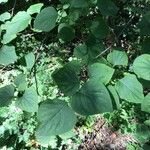
Syringa oblata
Lilac
Description
Source: leafsnapSyringa x oblata, commonly known as the early lilac or Korean lilac, is a deciduous shrub belonging to the Oleaceae family. This hybrid plant originates from Korea and China and is a cross between two lilac species: Syringa oblata and Syringa reflexa. The early lilac features an upright growth habit, reaching up to 10 feet in height and spreading up to 8 feet wide. Its dark green, ovate leaves have pointed tips and can grow up to 4 inches long. In late spring or early summer, this shrub produces clusters of fragrant, pinkish-purple flowers at the ends of its branches. These blooms not only add visual appeal but also attract bees, butterflies, and other pollinators. Syringa x oblata thrives in full sun but can tolerate partial shade. It prefers well-drained soil with moderate moisture levels but can endure drought conditions once it is established. While this shrub requires minimal maintenance, it benefits from regular pruning after flowering to maintain its shape and encourage new growth for the following year's blooms. Overall, Syringa x oblata is an attractive ornamental shrub that enhances any landscape with its fragrant springtime flowers and low maintenance needs throughout the year.
💡 Syringa oblata, affectionately known as the "flower of heaven," earned this nickname likely because of its noble and cherished fragrance. Since ancient times, its captivating scent has been revered. The lilac's meaning in the language of flowers is as grand as its nickname suggests. Those born under the blessing of this flower are considered blessed by God and destined for a glorious life. However, their intelligence often leads them to seek shortcuts, and it's important for them to remember their ultimate goals during their pursuits. In France, purple lilacs symbolize first love.
Care Guide
💧 Water Every 7 days
Syringa oblata thrives in moderately moist soil and can tolerate some drought once it's established. Watering it every 1-2 weeks helps keep the plant hydrated. If you are growing it indoors, higher humidity levels are beneficial, so you might want to use humidifiers or pebble trays to increase the moisture in the air. Consistent moisture is especially important during the growing season to ensure the plant remains healthy.
☀️ Light Full sun
Syringa oblata is native to open habitats, such as sunny meadows and the edges of forests, which offer abundant light. It prefers Full Sun but can also tolerate Partial Sun, adapting well to different light conditions.
What are the sunlight requirements for Syringa oblata?
Syringa oblata, also known by its botanical name Syringa oblata, thrives in conditions where it can receive the right amount of sunlight. For optimal growth, it requires 'full sun,' which means it should be exposed to more than 6 hours of sunlight daily. However, it can also tolerate 'partial sun,' indicating it should receive about 3-6 hours of sunlight each day. It's vital to observe how sunlight moves across your garden throughout the day to identify spots that offer a good balance of light and shade. This ensures your Syringa oblata plants stay healthy and happy.
🌡️ Temperature 0–32.2°C
Syringa oblata is highly adaptable to a wide range of climatic conditions, from hot summers to cold winters. It nevertheless has a preferred temperature range for growth. If temperatures become excessively high, the plant can suffer from heat and humidity stress, which may lead to its death. In areas where temperatures approach the lower end of its cold tolerance, applying insulation is important to protect the plant.
What is Syringa oblata?
Syringa oblata, also known by its botanical name, is a specific type of plant. Currently, there are no detailed essentials or symptoms information provided for this entry.
💨 Humidity
🪴 Soil 6-8
🌱 Fertilizer
The timing of feeding Syringa oblata is important. Apply fertilizer in early spring and continue monthly until early summer. Fertilizer promotes attractive blooms and supplies energy during both dormant and active growth periods.
🪴 Pot & Repot
✂️ Pruning
Syringa oblata, known for its fragrant flowers and lush leaves, benefits greatly from proper pruning. It's best to prune in early spring to promote growth and improve blooming. Begin by removing any dead wood. Next, thin out crowded branches to enhance air circulation. Be sure to limit your cuts to no more than a third of the plant to maintain a healthy shape and encourage flowering.
🌿 Propagating
🐛 Diseases & pets
☠️ Toxicity
Characteristics
- Plant Type
- Shrub
- Life Cycle
- Perennial
- Genus
- Syringa
- Family
- Oleaceae
- Hardiness Zone
- 3-7
- Mature Height
- 2.44 m to 3.66 m
- Mature Spread
- 2.44 m to 3.66 m
- Leaf Color
- Green, Dark Green
- Leaf Type
- Deciduous
- Flower Color
- Lavender
- Flower Size
- 15.24 cm
- Bloom Time
- Early spring, Mid spring
- Planting Time
- Spring, Summer, Autumn
- Harvest Time
- Summer