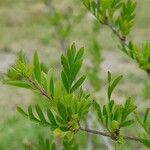
Syringa persica
زیتون تلخ · Persian lilac · Alyva · Persian Syringa · Syringa x persica
Description
Source: leafsnapSyringa persica, commonly known as the Persian lilac, is a deciduous shrub or small tree in the olive family. Native to Iran and parts of Central Asia, this plant can grow up to 6 meters tall and features a rounded shape with spreading branches. The leaves of Syringa persica are simple, opposite, and ovate, displaying a rich dark green color. Its fragrant flowers bloom in clusters at the ends of branches in late spring or early summer. These tubular-shaped flowers, with four petals each, range in color from pale lilac to deep purple. Syringa persica thrives in full sun but can tolerate partial shade. It prefers well-drained, slightly acidic soil but is adaptable to different soil types, provided they are not waterlogged. During its growing season, the plant requires moderate watering; however, it should be watered sparingly during its winter dormancy period. Pruning should be done after the flowering period, focusing on removing dead or damaged wood. Due to its attractive flowers and pleasant fragrance, Syringa persica is often used for ornamental purposes. It makes an excellent addition to gardens and landscapes, where it flourishes under suitable conditions.
💡 The Persian lilac is often referred to as the "flower of heaven," likely due to its exquisite fragrance that has been cherished since ancient times. The symbolic meaning of lilacs befits their celestial nickname. Those born under the sign of this flower are believed to be blessed by God and destined for a remarkable life. However, because they are highly intelligent, they may be tempted to take shortcuts. It is important for them to remember their ultimate goals during their pursuits. In France, purple lilacs symbolize first love.
Care Guide
💧 Water Every 7 days
Persian lilac grows best in semi-arid areas where it needs moderate moisture and occasional watering. For optimal health, it should be watered once every one to two weeks. This schedule aligns with natural rainfall patterns, helping to prevent waterlogging and encouraging healthy growth in temperate outdoor environments.
☀️ Light Full sun
Persian lilac comes from open habitats, like sunny meadows and forest edges, that offer abundant light. It does best in Full Sun but can tolerate Partial Sun, adapting well to different light conditions.
What are the sunlight requirements for Persian lilac (Syringa persica)?
Persian lilac (Syringa persica) thrives in locations that receive full sun, which is defined as more than 6 hours of sunlight daily, or partial sun, meaning about 3-6 hours of sunlight per day. It's important to observe how sunlight moves through your garden throughout the day to find spots that offer an ideal balance of light and shade. This careful selection ensures your Persian lilac will be happy and healthy.
🌡️ Temperature 5–32.2°C
Persian lilac is highly adaptable to a variety of climates, from scorching summers to cold winters. Nevertheless, it has a preferred temperature range for healthy growth. If temperatures rise too much, the plant can suffer heat and humidity stress that may kill it. In locations where temperatures near the lower end of its cold tolerance, taking steps to insulate and protect the plant is necessary.
What is the botanical name of Persian lilac?
The botanical name of Persian lilac is Syringa persica. This name helps distinguish it from other species in the Syringa genus, which encompasses a variety of lilac trees and shrubs known for their beautiful flowers and sweet fragrance.
💨 Humidity normal (40-60%)
This plant will thrive in moderate humidity, which is probably the level in your home. However, misting it a few times a week can be very beneficial. Make sure the room has good ventilation.
🪴 Soil 6-8
🌱 Fertilizer
Timing matters when feeding Persian lilac. Apply fertilizer in early spring and continue monthly until early summer. Fertilizer promotes attractive blooms and supplies energy during both dormant and active growth periods.
🪴 Pot & Repot
✂️ Pruning
Persian lilac produces fragrant blossoms that attract pollinators. To promote growth and blooming, prune the plant in early spring by removing dead wood and thinning the stems. This practice helps improve air circulation and reduces the risk of disease, ultimately enhancing flowering and increasing the plant's ornamental appeal for the following season.
🌿 Propagating
🐛 Diseases & pets
☠️ Toxicity
Characteristics
- Plant Type
- Shrub
- Life Cycle
- Perennial
- Genus
- Syringa
- Family
- Oleaceae
- Hardiness Zone
- 4-8
- Mature Height
- 1.22 m to 2.44 m
- Mature Spread
- 1.52 m to 3.05 m
- Leaf Color
- Dark Green
- Leaf Type
- Deciduous
- Flower Color
- Lavender
- Flower Size
- 2.54 cm
- Bloom Time
- Mid spring, Late spring
- Planting Time
- Spring, Summer, Autumn
- Harvest Time
- Summer
- Native Area
- Uzbekistan, Afghanistan, Tajikistan, India, Iran, Pakistan, Turkmenistan, China